Image: GOBankingRates
Billionaires: The Builders Behind Ken Langone, Strive Masiyiwa, Adebayo Ogunlesi and Tom Gores
A plumber's son who dug ditches. An engineer who sued a government for the right to compete. A high-school dropout who founded three billion-dollar companies. The ten-figure club — and the hard roads that led there.
Produced and Edited by The Bourgeois Society Staff
Our Billionaires list: seven builders — in retail, telecommunications, infrastructure, private equity, distressed debt, technology and telecom — who started poor, foreign, exiled or written off, and built fortunes the Forbes and Bloomberg lists now measure in billions.
Six of them stand on those billionaire lists. The seventh, Freddie Figgers, publishes with this list on a different kind of record: left beside a dumpster at birth, he built the country's only Black-owned telecom company — a story that belongs in any company of remarkable builders.
Every profile below is fact-checked, and every source is linked, so you can read the receipts yourself.
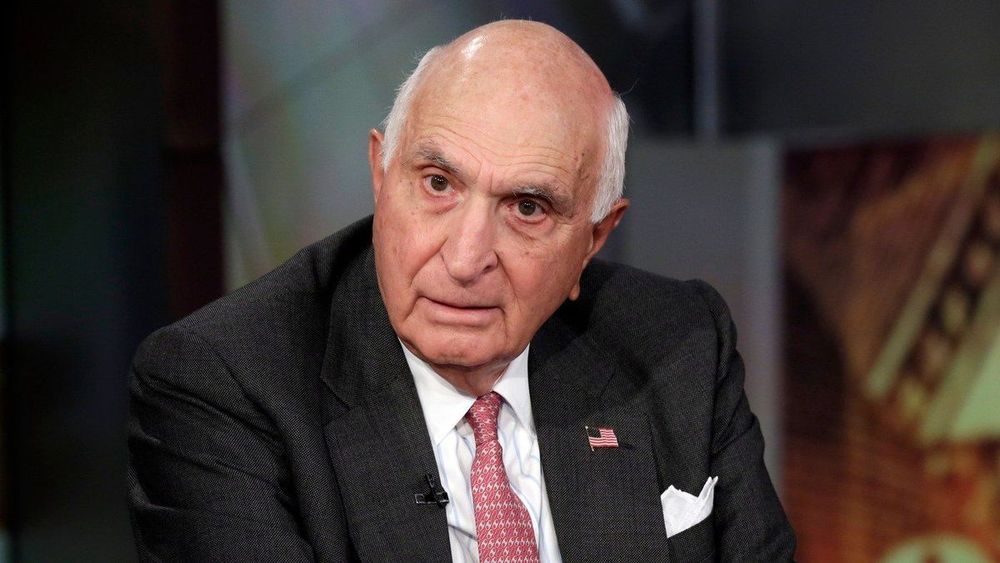
Founder, Invemed Associates; Co-founder, The Home Depot — New York, NY
Image: GOBankingRates
Why We're Inspired
Ken Langone was born in Roslyn Heights, New York, to Italian-American parents who never went past eighth grade — his father was a plumber, his mother a school cafeteria worker, and the family lived paycheck to paycheck.
Young Ken dug ditches, worked as a caddy and a butcher's assistant, and put himself through Bucknell University, then earned his MBA at night from NYU's Stern School of Business.
On Wall Street he made his name early, persuading Ross Perot to let his firm handle the Electronic Data Systems IPO, and in 1974 he founded his own investment firm, Invemed Associates.
Then came the deal that changed American retail: Langone organized the financing that allowed Bernie Marcus and Arthur Blank to found The Home Depot in 1978, and he is credited as a co-founder of a chain that now employs more than 450,000 people. Forbes puts his fortune at about $10 billion — a long way from the ditch.
“Capitalism works. Let me say it again: It works! And I'm living proof — it can work for anybody and everybody.”
The Story
Langone never forgot the $300 loan that let him finish his last semester at Bucknell — he has said it was the key to the door that let him go beyond that point — and his giving has followed that memory ever since.
With his wife Elaine, he gave $200 million to NYU's medical center, which now carries the Langone name; $100 million in 2018 toward making tuition free at NYU's Grossman School of Medicine; and a further $200 million to make the Grossman Long Island School of Medicine tuition-free in perpetuity.
The plumber's son who borrowed his way through his final semester has spent his fortune making sure medical students never have to borrow their way through theirs.
Sources
Wikipedia — “Ken Langone” (sourced biography: plumber and cafeteria-worker parents, Invemed founded 1974, Home Depot financing, Forbes net worth)
Brooklyn Digest — “Books: Ken Langone On Living The American Dream” (his memoir I Love Capitalism!, the “Capitalism works” quote, paycheck-to-paycheck upbringing, ditch-digging)
Celebrity Net Worth — “Ken Langone Net Worth” (Home Depot co-founding and board years, Ross Perot's EDS IPO, the $200M / $100M / $200M NYU gifts)
More from The Bourgeois Society: The full list · Freddie Figgers · Strive Masiyiwa
Founder & Executive Chairman, Econet Global and Cassava Technologies — London, United Kingdom
Official links: Website
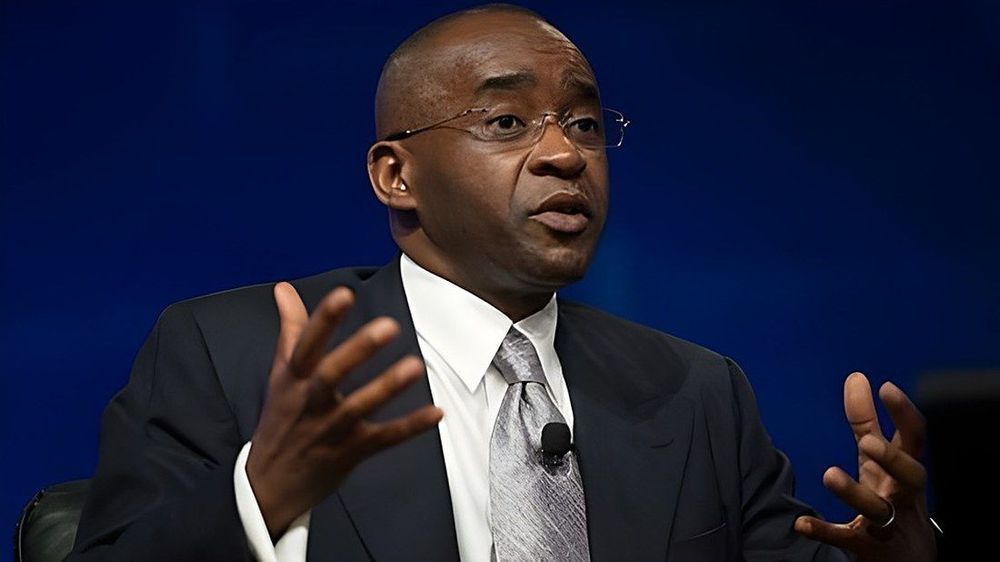
Image: Kenya Insights
Why We're Inspired
Strive Masiyiwa's empire began with a courtroom, not a product. An electrical engineer who had worked for Zimbabwe's state telephone company, he founded Econet Wireless in 1993 — and when the government refused him a licence, he sued the state telecom monopoly, arguing its monopoly violated freedom of expression.
The legal battle lasted five years and took him to the brink of bankruptcy, but Zimbabwe's Constitutional Court ruled in his favour, breaking the monopoly and opening African telecoms to private capital. Econet made Zimbabwe's first commercial mobile call on July 10, 1998.
In March 2000, when the political climate turned, Masiyiwa left his own country and rebuilt from exile — founding Econet Global and, later, Cassava Technologies, a pan-African group spanning fibre, data centres and fintech. Forbes estimates his net worth at $2.2 billion, making him Zimbabwe's wealthiest person.
“Always be conscious that you are setting a tone and a value system.”
The Story
With his wife Tsitsi, Masiyiwa co-founded the Higherlife Foundation, which has supported the education of orphaned and vulnerable children across Africa — providing scholarships to more than 250,000 young Africans and supporting the schooling of tens of thousands of orphans at any given time.
The couple are Giving Pledge signatories, and they have pledged $100 million to a fund for rural entrepreneurs in Zimbabwe. The man who spent five years in court just for the right to build has spent the years since making sure Africa's children get the education that lets them build, too.
Sources
AfroTech — “How Strive Masiyiwa Maintained His Billionaire Net Worth By Investing In The Future” (Forbes $2.2B figure, 1998 first call, five-year court battle)
Wikipedia — “Strive Masiyiwa” (sourced biography: freedom-of-expression case, 1998 launch, 2000 exile, Higherlife Foundation)
Egon Zehnder — “How Strive Masiyiwa Empowers Africa” (interview; the “tone and value system” quote, orphan-education work)
More from The Bourgeois Society: The full list · Ken Langone · Adebayo Ogunlesi
Founding Partner, Chairman & CEO, Global Infrastructure Partners (a BlackRock company); Senior Managing Director, BlackRock — New York, NY
Official links: Website
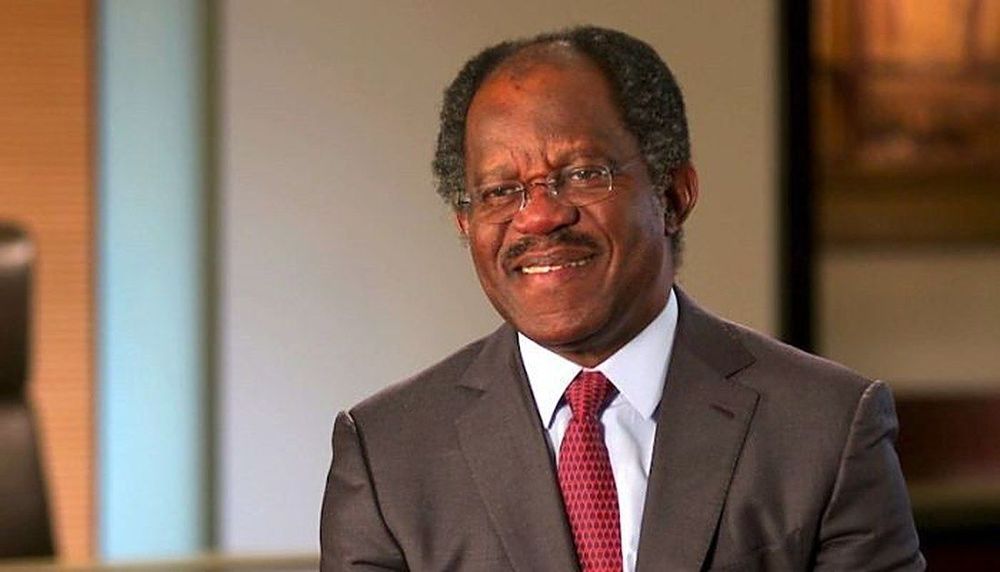
Image: BusinessDay Nigeria
Why We're Inspired
Adebayo Ogunlesi's path runs from Nigeria to the very top of global finance. The son of Theophilus Ogunlesi, Nigeria's first professor of medicine, he took a first-class degree from Oxford and a joint J.D.–MBA from Harvard, then clerked for Justice Thurgood Marshall at the U.S. Supreme Court.
He spent 23 years at Credit Suisse, rising to run its global investment bank — and then, at 52, walked away to start over.
In 2006 he founded Global Infrastructure Partners and built it into the world's largest independent infrastructure manager, buying London City Airport in 2006, a majority of Gatwick in 2009 for about £1.5 billion, and Edinburgh Airport in 2012. By the time BlackRock acquired GIP in 2024 for about $12.5 billion, the firm managed more than $100 billion.
Forbes estimates his net worth at $2.5 billion.
“In the 21st century there simply is no excuse for unreliable electricity supply. Reliable and affordable energy is a foundation requirement for growth.”
The Story
Ogunlesi now sits at the top table of the world's largest asset manager: a BlackRock senior managing director, board director and member of its global executive committee, still chairman and CEO of GIP — and a director of OpenAI.
Speaking in Cape Town, he announced plans to grow BlackRock's $28–30 billion South Africa-linked assets over the following five years across energy, transport, digital infrastructure and logistics.
The dealmaker who left Nigeria as a young lawyer now steers capital back toward African infrastructure at scale — an outsider who reached the summit of global finance on merit, and keeps pointing the money homeward.
Sources
Billionaires.Africa — “Nigerian-American billionaire Adebayo Ogunlesi meets Uzbekistan's president to expand BlackRock's investments” (Marshall clerkship, Credit Suisse years, GIP airports, $12.5B BlackRock deal, Forbes estimate)
Wikipedia — “Adebayo Ogunlesi” (sourced biography: Oxford and Harvard, GIP founding, BlackRock roles, OpenAI board, Forbes $2.5B)
Personal Finance (IOL) — “BlackRock eyes bigger South Africa infrastructure push” (Cape Town summit remarks; the electricity-supply quote)
More from The Bourgeois Society: The full list · Strive Masiyiwa · Tom Gores
Founder, Chairman & CEO, Platinum Equity; Owner, Detroit Pistons — Beverly Hills, CA
Official links: Website · X
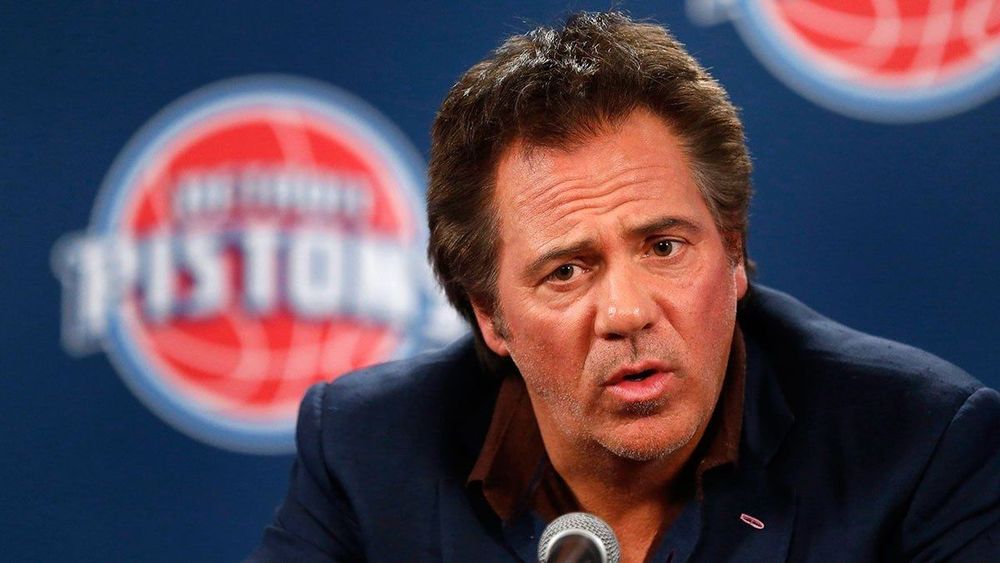
Image: Sportsnet
Why We're Inspired
Tom Gores was born Tewfiq Georgious in Nazareth in 1964, to a Greek father and a Lebanese mother, and the family emigrated to Genesee, Michigan, while he was still a small child. He stocked shelves in the family's grocery-store circle and worked his way through Michigan State University as a janitor and a telemarketer, graduating in 1986.
In 1995 he founded Platinum Equity — and his method was set by the very first deal: he bought an unprofitable company, Litigation Services, Inc., for $200,000, reorganised it, and returned it to profitability within six months. Dozens of acquisitions followed on the same template: buy what others overlook, fix it with your own hands, hold your nerve.
Forbes estimates his net worth at $10.1 billion.
“Since we're going in with a worst-case model, if we happen to hit the middle of the fairway rather than worst case, we'll always make a great return.”
The Story
In 2011 Gores and Platinum Equity bought the Detroit Pistons, and in 2015 he became the team's sole owner — returning one of the NBA's storied franchises to an owner who grew up a short drive from Flint.
His giving has followed the same map: he created the FlintNOW Foundation to support relief during the Flint water crisis and long-term work on economic development, nutrition and health care, and he has put sustained support behind Detroit community programmes, including more than a decade of backing for the Jalen Rose Leadership Academy.
The kid who stocked grocery shelves in Genesee built a fortune buying broken companies — and spends it in the places that raised him.
Sources
Tom Gores — Official Biography (birth name and Nazareth birth, Genesee upbringing, grocery, janitor and telemarketer work, Platinum Equity founding)
Wikipedia — “Tom Gores” (sourced biography: $200,000 first acquisition returned to profitability within six months, Pistons ownership 2011–2015, Forbes $10.1B estimate)
Business Chronicler — “Tom Gores Bio: Billionaire King of Buyouts and Basketball” (Platinum Equity's early acquisitions; the “worst-case model” quote)
More from The Bourgeois Society: The full list · Adebayo Ogunlesi · Marc Lasry
Co-founder & CEO, Avenue Capital Group — New York, NY
Official links: Website
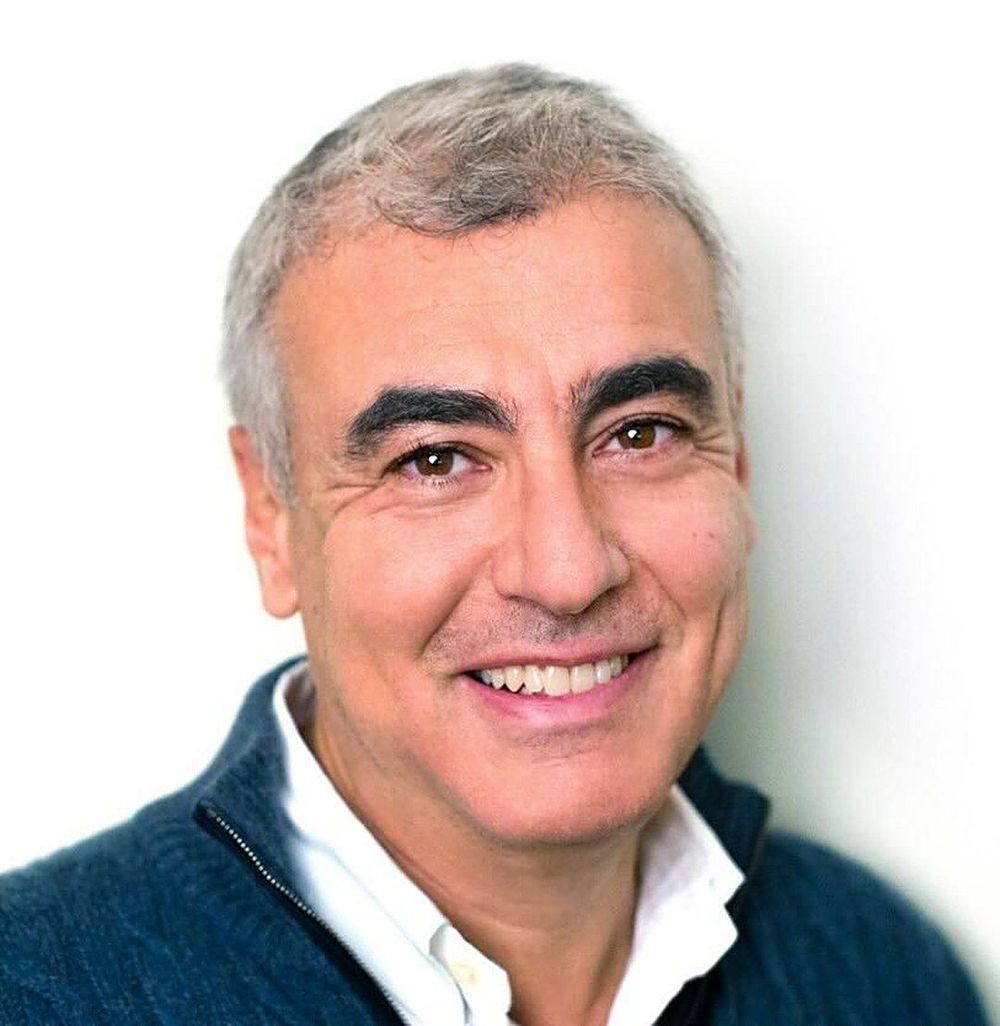
Image: CNBC Events
Why We're Inspired
Marc Lasry was born in Marrakesh, Morocco, in 1959 and arrived in the United States at seven speaking only French. His mother, a schoolteacher, taught him English by having him read the Funk & Wagnalls encyclopedia; the family settled in West Hartford, Connecticut, where his father worked as a computer programmer.
Lasry earned a history degree from Clark University and a law degree from New York Law School, where he clerked for the Chief Bankruptcy Judge of the Southern District of New York — an apprenticeship in how companies fall apart, and how they can be put back together.
In 1995 he co-founded Avenue Capital Group with his sister Sonia Gardner, building it into one of the world's best-known distressed-debt firms: a fortune made buying what everyone else had given up on. Forbes estimates his net worth at about $2 billion.
“If you stay calm and buy when everyone is in a panic, in the end, everything will be fine.”
The Story
Lasry's eye for undervalued assets reached its most public stage in sports. In 2014 he and Wes Edens bought the Milwaukee Bucks for $550 million, at the bottom of the standings; under their ownership the Bucks won the NBA championship in 2021, their first in fifty years, and in 2023 Lasry sold his stake at a $3.5 billion valuation.
Off the court, he has served as a director of the 92nd Street Y and the Big Apple Circus in New York, and he remains a known backer of education and community causes in New York and Milwaukee. The boy who learned English from an encyclopedia built a career reading the fine print nobody else would touch.
Sources
SALT — Interview Archive: Marc Lasry (Morocco birth, 1966 immigration, encyclopedia detail, bankruptcy clerkship)
Celebrity Net Worth — “Marc Lasry Net Worth” (Avenue Capital co-founding and CEO role, Bucks bought 2014 for $550M and sold 2023 at a $3.5B valuation, 92nd Street Y and Big Apple Circus directorships)
Forbes (via HataMatata) — “The work of billionaire Marc Lasry's investment management” (the “stay calm and buy when everyone is in a panic” quote, Bucks championship, Forbes net-worth reporting)
More from The Bourgeois Society: The full list · Tom Gores · Jim Clark
Founder, Silicon Graphics, Netscape and Healtheon — Palm Beach, FL
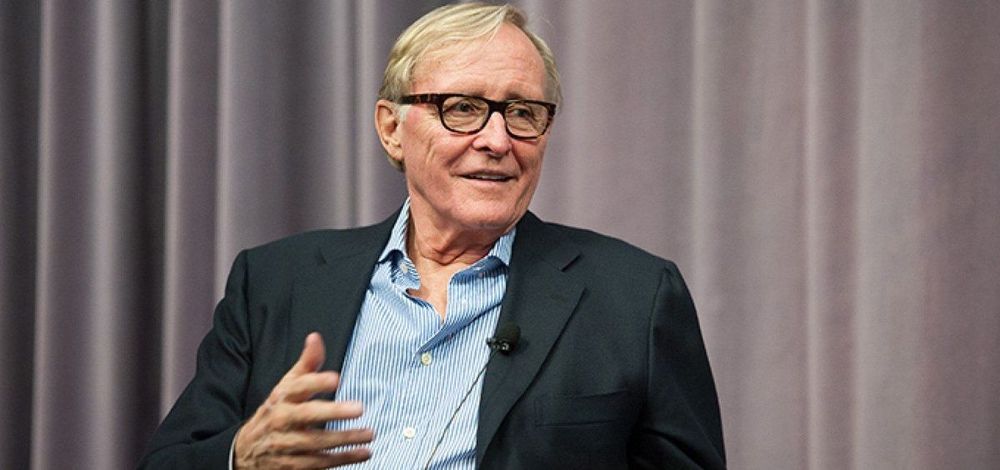
Image: WeSalute
Why We're Inspired
Jim Clark was born in Plainview, Texas, in 1944. His parents divorced when he was fourteen, and his mother supported the family on $225 a month.
Suspended from high school, he dropped out and joined the Navy, earned his equivalency in uniform, and took night classes at Tulane on his way — by way of physics degrees — to a PhD in computer science from the University of Utah and a professorship at Stanford.
Then he did something nobody else has done: he founded three separate multi-billion-dollar companies. Silicon Graphics, in 1982, put three-dimensional graphics on the world's screens; Netscape, in 1994, put the web in everyone's home, and its IPO lit the dot-com era; Healtheon took on health-care information. Forbes has estimated his fortune at $3.8 billion.
“People knew then that I was certifiably nuts — starting this company, hiring a bunch of students, and now giving the software away.”
The Story
Clark gave back to the institution that had given the dropout a professorship. In 1999 he pledged $150 million to Stanford University — the biggest single gift in the university's history at the time — to create the James H. Clark Center for biomedical engineering and the sciences, a hub where engineers, physicians and basic scientists work side by side.
The high-school dropout who was told, in effect, that school had no place for him ended up endowing one of the great interdisciplinary research centres in American science. If there is a straighter line from a beginning to a legacy, we have not found it.
Sources
Encyclopedia of the Great Plains, University of Nebraska — “Clark, Jim” (Plainview childhood, $225 a month, Navy, night classes, three billion-dollar companies)
Encyclopedia.com — “Clark, Jim” (Netscape's 1995 IPO, the “certifiably nuts” quote, the $150M Stanford gift)
More from The Bourgeois Society: The full list · Marc Lasry · Freddie Figgers
Founder & CEO, Figgers Communications / Figgers Wireless — Fort Lauderdale, FL
Official links: Website · Instagram · X
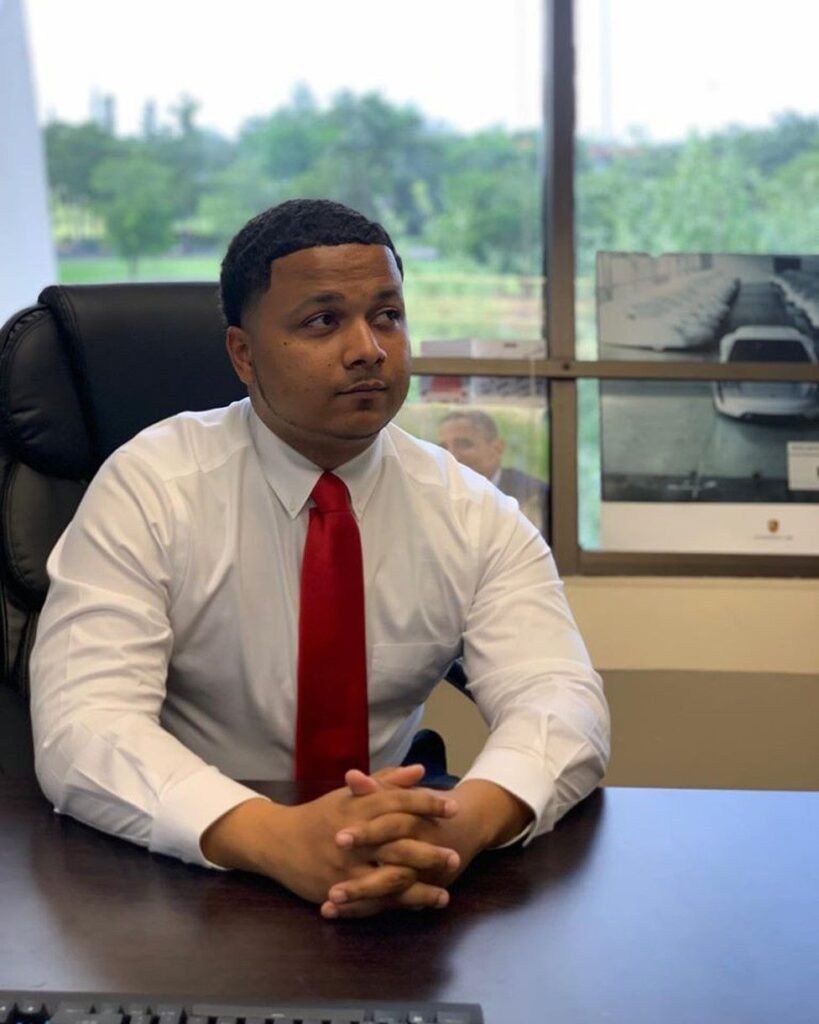
Image: Freddie Figgers official website
Why We're Inspired
Freddie Figgers began life abandoned next to a dumpster in rural Florida. Nathan and Betty Mae Figgers, a couple in their fifties, took him in at two days old and raised him in Quincy — the town where kids taunted him as “dumpster baby.” Read that again: the boy they mocked grew up to run a telecom company.
At nine, he soldered parts from a radio alarm clock into a broken Macintosh until it powered on. By twelve he was repairing computers at school and at city hall.
When his father Nathan developed Alzheimer's and began to wander, Freddie built a GPS tracker with a two-way communicator into his shoe — then sold the rights for $2.2 million in January 2014, the month his father died.
At twenty-one he received his telecom license, the youngest telecom operator in the United States, and Figgers Communication has been described as the country's only Black-owned telecom company, reported appraised at more than $62 million.
“Don't let your circumstances define who you are.”
The Story
Giving back is built into the business. Through the Figgers Foundation, he funds college scholarships for high-school seniors, sponsors youth programs, pays senior citizens' bills and helps families facing foreclosure. AfroTech reported that he subsidized the cost of 25,000 mobile hotspots to bridge the digital divide in rural Florida, helping children and families stay connected.
The inventor who was once thrown away now spends his success making sure other kids get found, equipped and believed in.
Sources
Delightful Daily — “From Abandonment to a $62 Million Vision: How Freddie Figgers Rewrote His Fate”
AfroTech — “Once A Baby ‘Thrown Away’ At A Dumpster, Freddie Figgers Beat All Odds To Become A Millionaire Tech Inventor”
Face2Face Africa — “Abandoned as child, here is how Freddie Figgers defied odds to build the nation's only minority-owned telecom company at 21”
From the People in This Story
I Love Capitalism! — Ken Langone
Affiliate Disclosure: The Bourgeois Society may earn a commission when readers buy through links on this page, at no additional cost to the reader.
More from The Bourgeois Society: The full list · Jim Clark · Ken Langone