Home > The Lists
> Came From Nothing
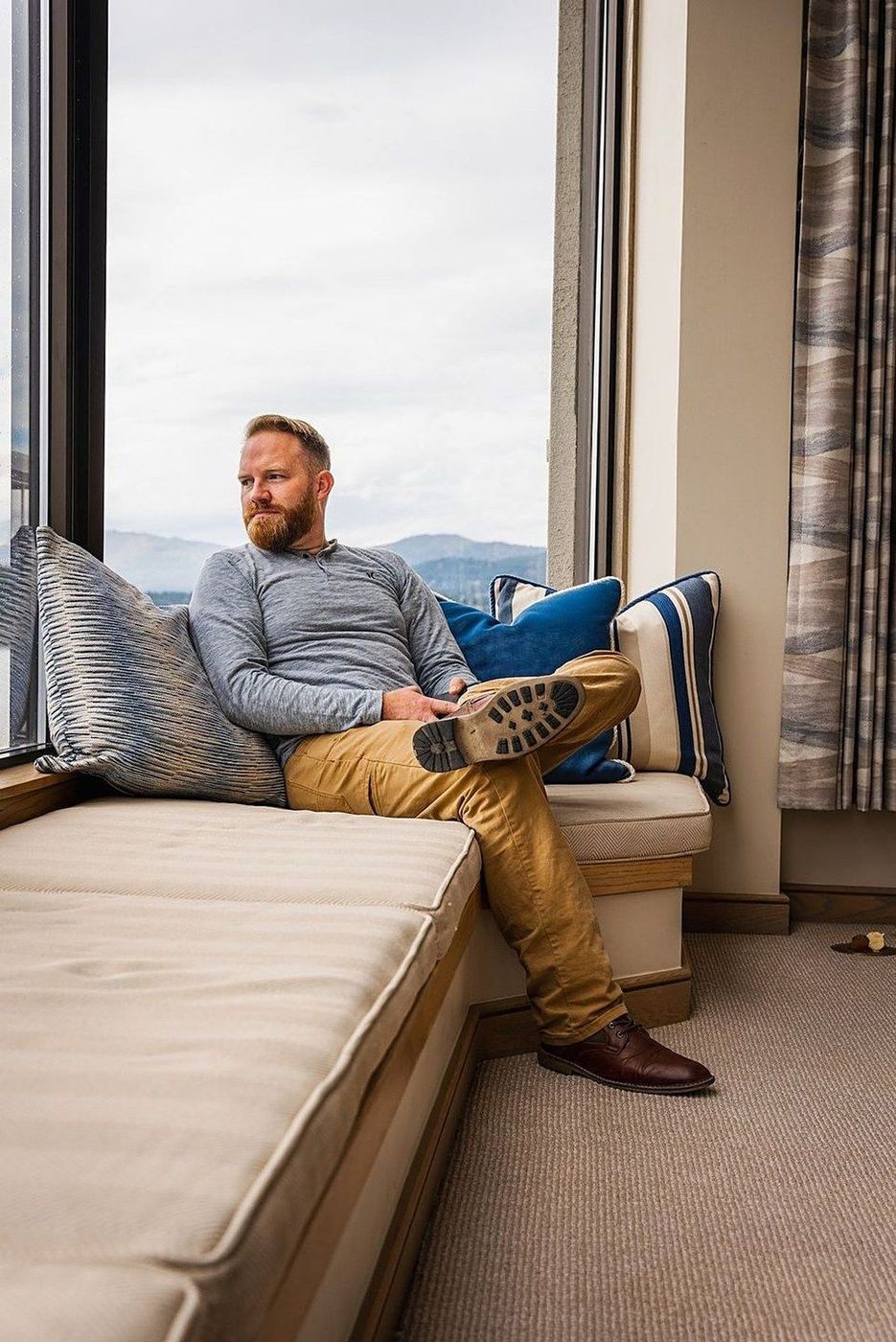
Image: Self Storage Income
Came From Nothing: The Remarkable Builders Behind Freddie Figgers, Howard Schultz, Ralph Lauren, Jack Ma and James Dyson
One was left by a dumpster. One woke up paralyzed. One grew up in a Brooklyn housing project, one sewed shirts at thirteen, one built 5,127 failed vacuums. You're going to want to see how each story ends.
Produced and Edited by The Bourgeois Society Staff
Let me tell you something I know for sure: where you start is not where you finish. The fifteen builders on this list started with less than nothing — abandoned, broken, wiped out, or just plain poor — and every one of them got up and built something that now employs people, feeds families and changes lives.
That's the whole point of this magazine. We find the people the world counted out, and we put their names in lights.
The honorees on this list were selected based on several factors: the size of the obstacle they had to climb, what they actually built with their own hands, the weight of what they give back, and — honestly — whether their story makes you want to get up off the couch and go build something yourself.
These fifteen passed every test. Every profile below is fact-checked, and every source is linked, so you can read the receipts yourself.
Chairman Emeritus, Starbucks — Seattle, WA
Official links: Website · X
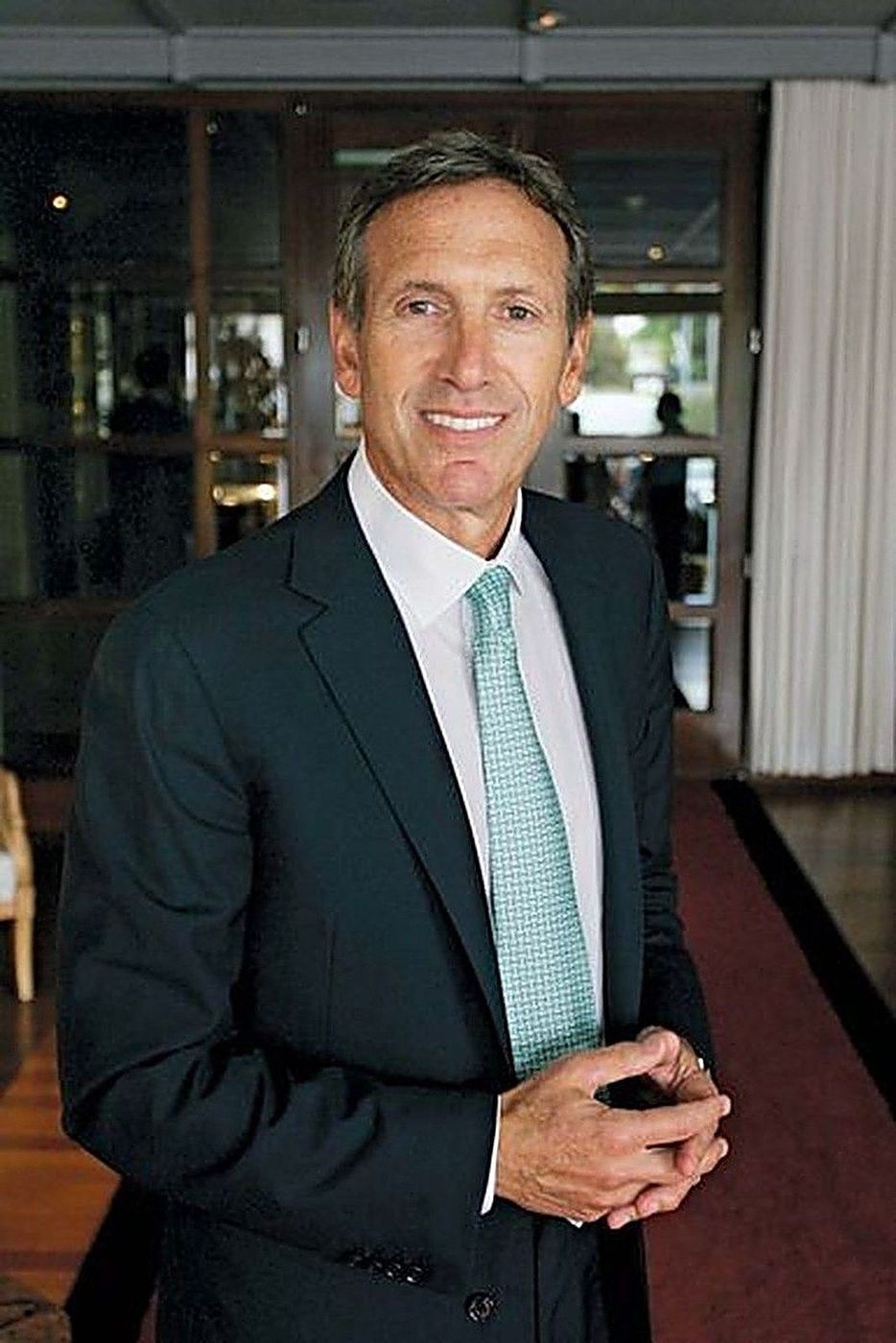
Image: Encyclopaedia Britannica
Why We're Inspired
Howard Schultz grew up in public housing in Canarsie, Brooklyn, the son of a receptionist mother and a father who cycled through blue-collar jobs. When Howard was seven, his father — then delivering cloth diapers — was injured on the job. With no health insurance, no workers' compensation and no severance, the family slid into crisis, sometimes going without food.
Schultz never forgot it. Sports carried him out: he earned an athletic scholarship to Northern Michigan University, the first in his family to attend college, graduating in 1975. In 1982 he joined Starbucks, then a small Seattle retailer selling beans, not brewed coffee.
A 1983 trip to Milan's espresso bars gave him a bigger idea: a café as a community gathering place. The founders said no, so in 1985 he left to found Il Giornale. By his own account, of 242 investors he approached, 217 rejected him.
In 1987, with investor backing, he bought Starbucks for $3.8 million — and built it into a global chain reported at more than 38,000 stores. Forbes has estimated his fortune at $3.4 billion.
"But from day one, I really wanted to build the kind of company my father never got a chance to work for."
The Story
That childhood injury became a business philosophy. Under Schultz, Starbucks was among the first American companies to offer comprehensive health insurance to part-time workers, plus stock ownership for employees he insisted on calling partners.
Through the Schultz Family Foundation, founded with his wife Sheri in 1996, he now backs two groups he sees as overlooked: young people who are out of school and out of work, and post-9/11 veterans moving into civilian life — a bet that talent is everywhere, even when opportunity is not.
Sources
Encyclopaedia Britannica — "Howard Schultz | Biography, Starbucks, & Facts"
EBSCO Research Starters — "Howard Schultz | Biography"
Speakola — "Howard Schultz: 'Summon your compassion', Arizona State University - 2017"
More from The Bourgeois Society: The full list · John Devaney · Ralph Lauren
Founder & CEO, United Capital Markets; Founder, Manor House Films — Miami, FL
Official links: Website · Instagram · X
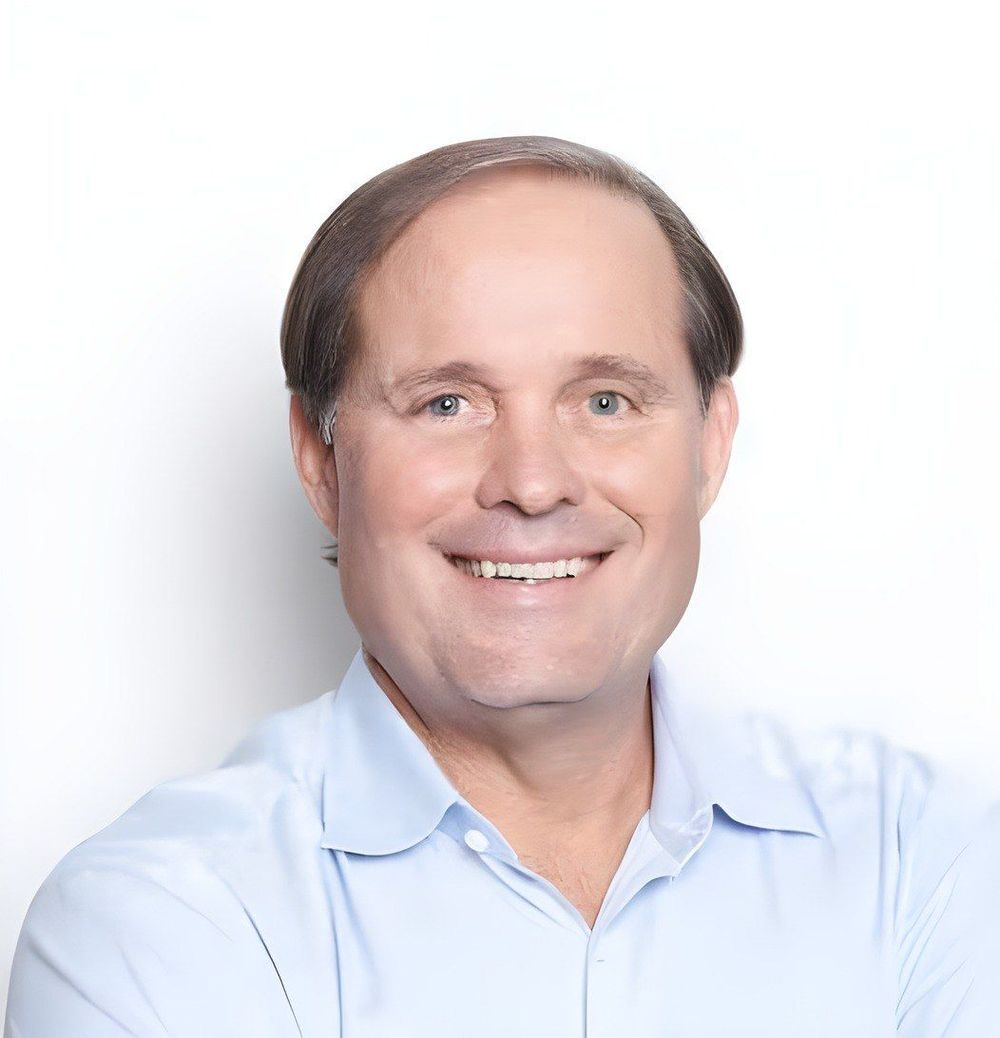
Image: Manor House Films
Why We're Inspired
John Devaney built his name in one of the hardest corners of Wall Street: complex, distressed bonds. In 1999 he founded United Capital Markets in Miami, a firm that would go on to buy approximately $50 billion of complex CMBS, RMBS and ABS bonds as principal. Then came the crash.
By September 2007 his funds had lost about 90 percent of their value, the Miami Herald reported, and Devaney said he had personally lost more than $100 million — about half his net worth. Reports at the time described a forced sale of the high life, including a Renoir and a Gulfstream jet. Many managers would have vanished for good.
Devaney did not. The firm he founded is still standing more than twenty-five years later, and he has carried the same appetite for difficult, human stories into an entirely new arena: film.
"Storytelling is one of the most powerful tools for driving social change because it connects with people on a deeply emotional level."
The Story
Through Manor House Films, Devaney is now the majority investor and producer behind purpose-driven films, including City of Dreams, about a young boy trafficked into a Los Angeles sweatshop, and David Mamet’s The Prince.
He backed a $1 million charitable giveback tied to City of Dreams, reaching more than 50,000 moviegoers, and in January 2025 Miami Dade College partnered with Manor House Films to take the film and its anti-trafficking message to colleges and universities nationwide. The trader who once traded distressed debt now trades in stories meant to rescue kids.
Sources
LEADERS Magazine — “LEADERS Interview with John Devaney, Founder and Chief Executive Officer, United Capital Markets and Founder, Manor House Films”
CounterPunch — “The Crash of the King of Liquidity”
Miami Dade College News — “Miami Dade College and Manor House Films Partner to Lead National Effort Against Human Trafficking”
More from The Bourgeois Society: The full list · AJ Osborne · Howard Schultz
Founder & CEO, Figgers Communications / Figgers Wireless — Fort Lauderdale, FL
Official links: Website · Instagram · X
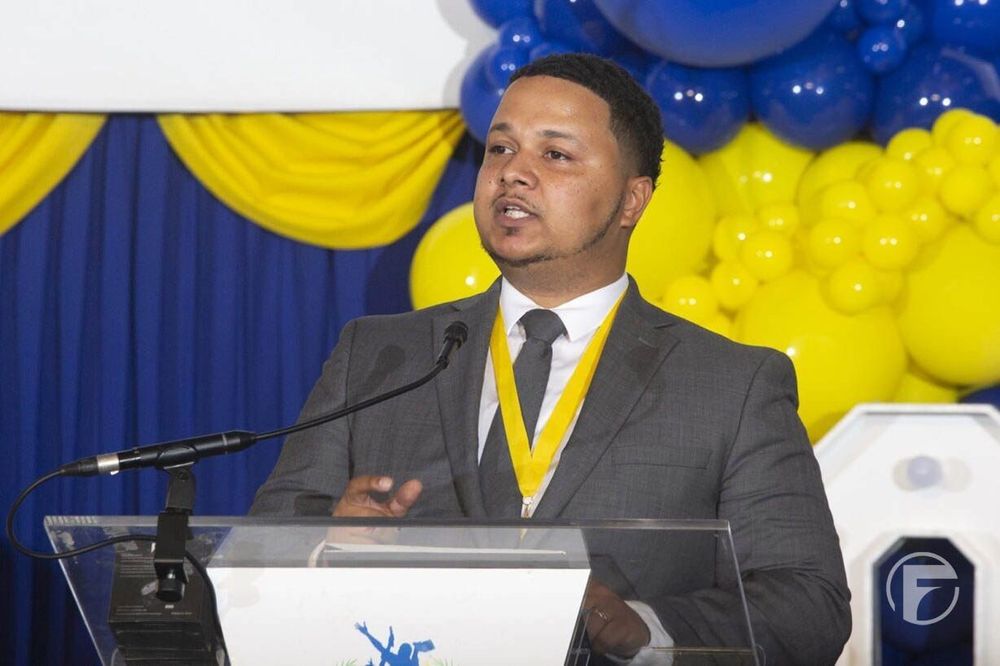
Image: Figgers Foundation
Why We're Inspired
Freddie Figgers began life abandoned next to a dumpster in rural Florida. Nathan and Betty Mae Figgers, a couple in their fifties, took him in at two days old and raised him in Quincy — the town where kids taunted him as “dumpster baby.” Read that again: the boy they mocked grew up to run a telecom company.
At nine, he soldered parts from a radio alarm clock into a broken Macintosh until it powered on. By twelve he was repairing computers at school and at city hall.
When his father Nathan developed Alzheimer’s and began to wander, Freddie built a GPS tracker with a two-way communicator into his shoe — then sold the rights for $2.2 million in January 2014, the month his father died.
At twenty-one he received his telecom license, the youngest telecom operator in the United States, and Figgers Communication has been described as the country’s only Black-owned telecom company, reported appraised at more than $62 million.
"Don’t let your circumstances define who you are."
The Story
Giving back is built into the business. Through the Figgers Foundation, he funds college scholarships for high-school seniors, sponsors youth programs, pays senior citizens’ bills and helps families facing foreclosure. AfroTech reported that he subsidized the cost of 25,000 mobile hotspots to bridge the digital divide in rural Florida, helping children and families stay connected.
The inventor who was once thrown away now spends his success making sure other kids get found, equipped and believed in.
Sources
Delightful Daily — “From Abandonment to a $62 Million Vision: How Freddie Figgers Rewrote His Fate”
AfroTech — “Once A Baby “Thrown Away” At A Dumpster, Freddie Figgers Beat All Odds To Become A Millionaire Tech Inventor”
Face2Face Africa — “Abandoned as child, here is how Freddie Figgers defied odds to build the nation’s only minority-owned telecom company at 21”
More from The Bourgeois Society: The full list · James Dyson · AJ Osborne
Founder and Executive Chairman, Ralph Lauren Corporation — New York, NY
Official links: Website
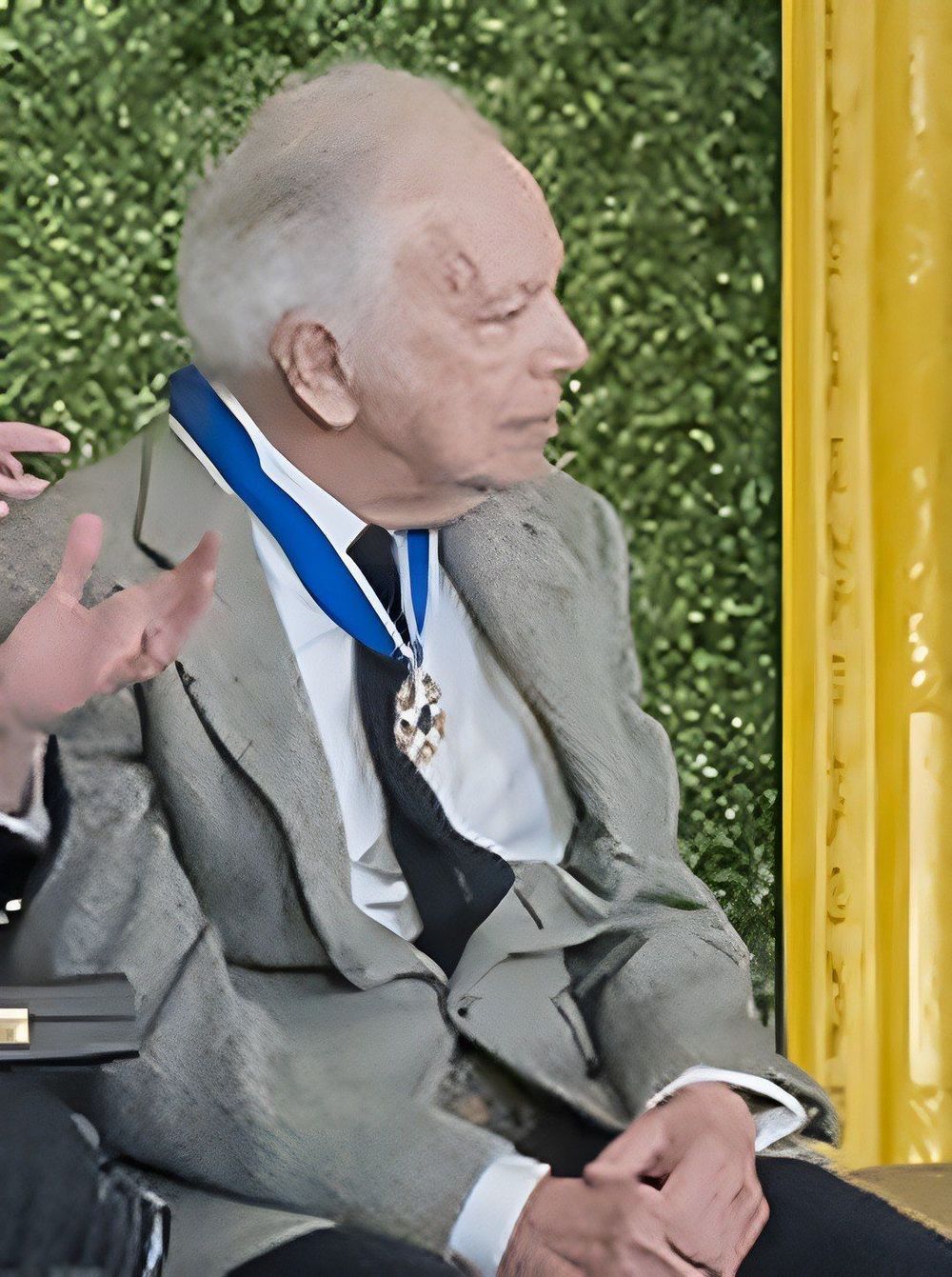
Image: Wikimedia Commons
Why We're Inspired
Ralph Lauren was born Ralph Lifshitz in the Bronx in 1939, the youngest of four children of Belarusian Jewish immigrants. His father, Frank, painted houses and considered himself an artist. Teased at school, Ralph changed his surname to Lauren at sixteen — inventing himself before he invented a brand.
He had no design training, only a salesman's eye honed at Brooks Brothers and in the tie trade. Proposing his own line to his employer Abe Rivetz, he was told the world was not ready for Ralph Lauren. At Beau Brummell he got his chance anyway: wide, colorful neckties when everyone else sold them skinny.
He launched Polo in 1967, and a $50,000 loan from manufacturer Norman Hilton helped him form his own company. The ties sold — $500,000 worth in the first year — and menswear, womenswear and a whole American lifestyle followed. He stepped down as CEO in 2015 but remains executive chairman.
Forbes has estimated his fortune at $9.4 billion.
"I don’t design clothing. I design dreams."
The Story
Cancer care has been at the center of Lauren's giving for more than three decades. He co-founded Georgetown's Nina Hyde Center for Breast Cancer Research in 1989, helped open the Ralph Lauren Center for Cancer Care and Prevention in Harlem in 2003, and partnered with London's Royal Marsden on a breast cancer research center that opened in 2016.
His Pink Pony campaign works to cut disparities in cancer care. In January 2025, he received the Presidential Medal of Freedom.
Sources
EBSCO Research Starters — "Ralph Lauren | Biography"
Company-Histories.com — "Polo/Ralph Lauren Corporation — Company History"
FIV Magazine — "Ralph Lauren: The American luxury brand"
More from The Bourgeois Society: The full list · Howard Schultz · Li Ka-shing
Founder, Cheung Kong / CK Hutchison — Hong Kong
Official links: Website
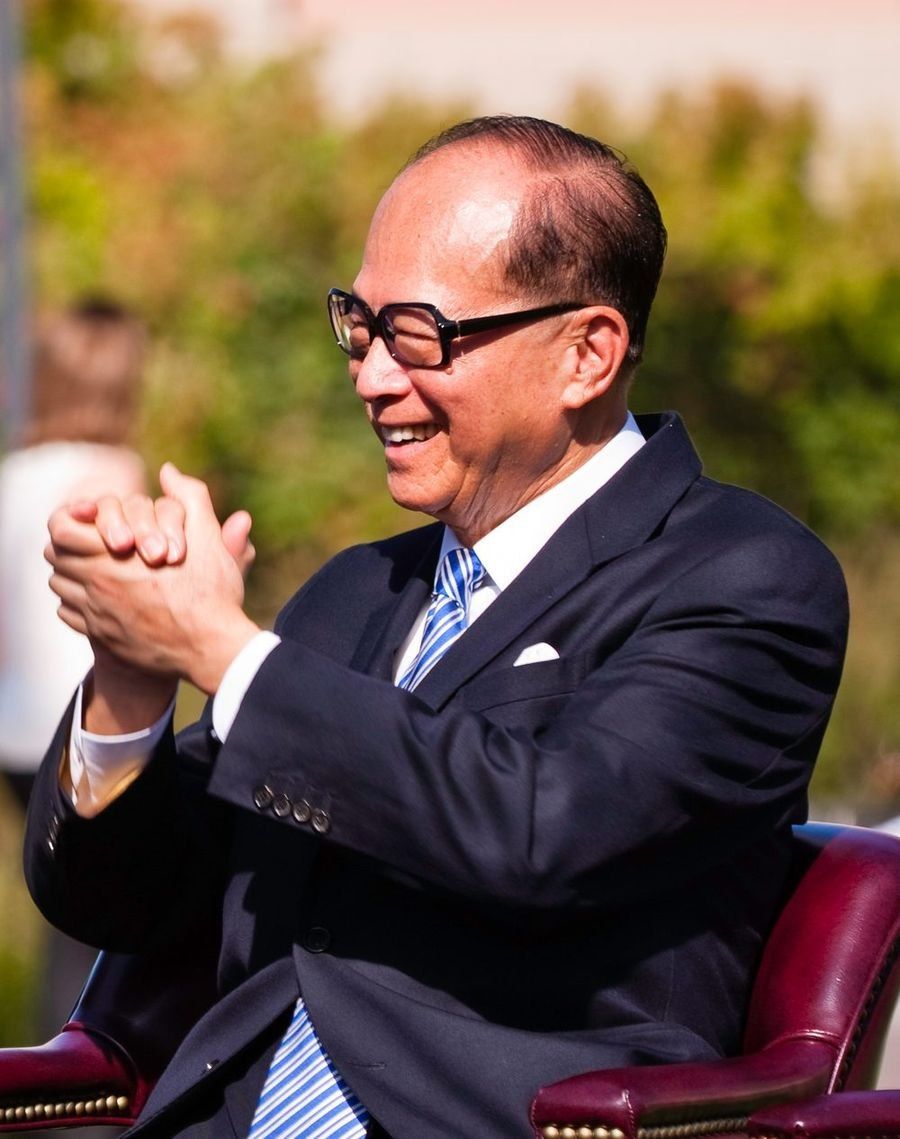
Image: Wikimedia Commons
Why We're Inspired
At twelve, Li Ka-shing fled war-torn China with his family for Hong Kong. Two years later his father, a primary-school principal, died of tuberculosis, and Li left school before fifteen to support the family, working sixteen-hour days in a plastics trading company.
In 1950, at twenty-one, he pooled $6,500 in savings and loans from relatives to start Cheung Kong, named for the Yangtze River. His plastic flowers made him Asia's largest supplier of them, and property bought bravely in troubled times did the rest.
When riots rocked Hong Kong in 1967 and others fled, he bought land cheaply, betting the crisis would pass — and it did. The business he built became CK Hutchison — ports, property, retail, energy and telecoms — which Forbes reports it now employs more than 300,000 people in over fifty nations. Hong Kongers call him “Superman.”
Forbes has repeatedly ranked him Hong Kong's richest man, and its most recent list put his fortune at a reported $47 billion.
"The burden of poverty and this bitter taste of helplessness and isolation sort of branded on my heart forever the questions that still drive me."
The Story
Li calls the Li Ka Shing Foundation, founded in 1980, his “third son,” and he has pledged one-third of his assets to it. Forbes reports it has donated more than $3.8 billion, over 80 percent to Greater China, funding education and medical research — including Shantou University, which he founded in his home region.
Retired as chairman in 2018, he remains senior adviser while his son Victor runs the empire he built from a factory floor.
Sources
Wikipedia — “Li Ka-shing”
Forbes — “Li Ka-shing”
Li Ka Shing Foundation — “Techcracker Revisits China – Mr. Li Ka-shing Introduces Seven Disruptive Startups in Shanghai”
More from The Bourgeois Society: The full list · Ralph Lauren · Amancio Ortega
Co-founder, Inditex / Zara — A Coruña, Spain
Official links: Website
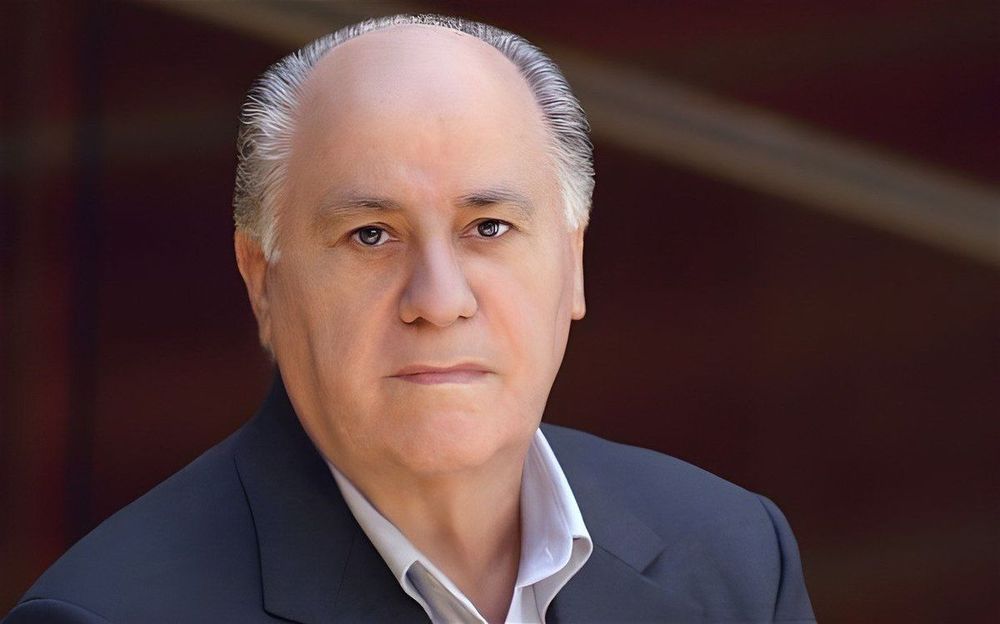
Image: Business Focus
Why We're Inspired
Amancio Ortega was the youngest of four children of a railway worker and a housemaid, raised in railway workers' quarters in Spain. As his authorized biography tells it, he once walked home with his mother and watched a grocer refuse her credit for food — a humiliation that stayed with him for life.
He left school in his early teens to work for a shirtmaker in A Coruña, learning to sew by hand, and by 1963 he was making quilted bathrobes at home, organizing local women into sewing cooperatives. In 1975 he and his wife, Rosalía Mera, opened the first Zara store.
The fast-fashion empire that followed, Inditex, operated 5,460 stores at the end of fiscal 2025. He pioneered that model: spot a trend, make it nearby, and have it in stores within weeks, not seasons. Ortega still owns about 59 percent, and in October 2015 Forbes briefly ranked him the world's richest person.
"In the street, I only want to be recognized by my family, my friends and people I work with."
The Story
Famously private — no photograph of him was published until 1999 — Ortega has channeled his Inditex dividends through Pontegadea into property; Forbes has estimated that portfolio at about $25 billion, spanning more than 200 properties in thirteen countries.
Through his foundation he donated €320 million in 2017 for cancer equipment in Spanish public hospitals, and in 2024 he created a €100 million fund for victims of the Valencia floods.
Sources
Encyclopaedia Britannica — “Amancio Ortega”
Investopedia — “Amancio Ortega: Zara Founder and Spain’s Wealthiest Billionaire”
Forbes — “Zara’s Billionaire Cofounder Is Now The World’s Richest Real Estate Baron”
More from The Bourgeois Society: The full list · Li Ka-shing · Jack Ma
Co-founder, Alibaba Group — Hangzhou, China
Official links: Website · X
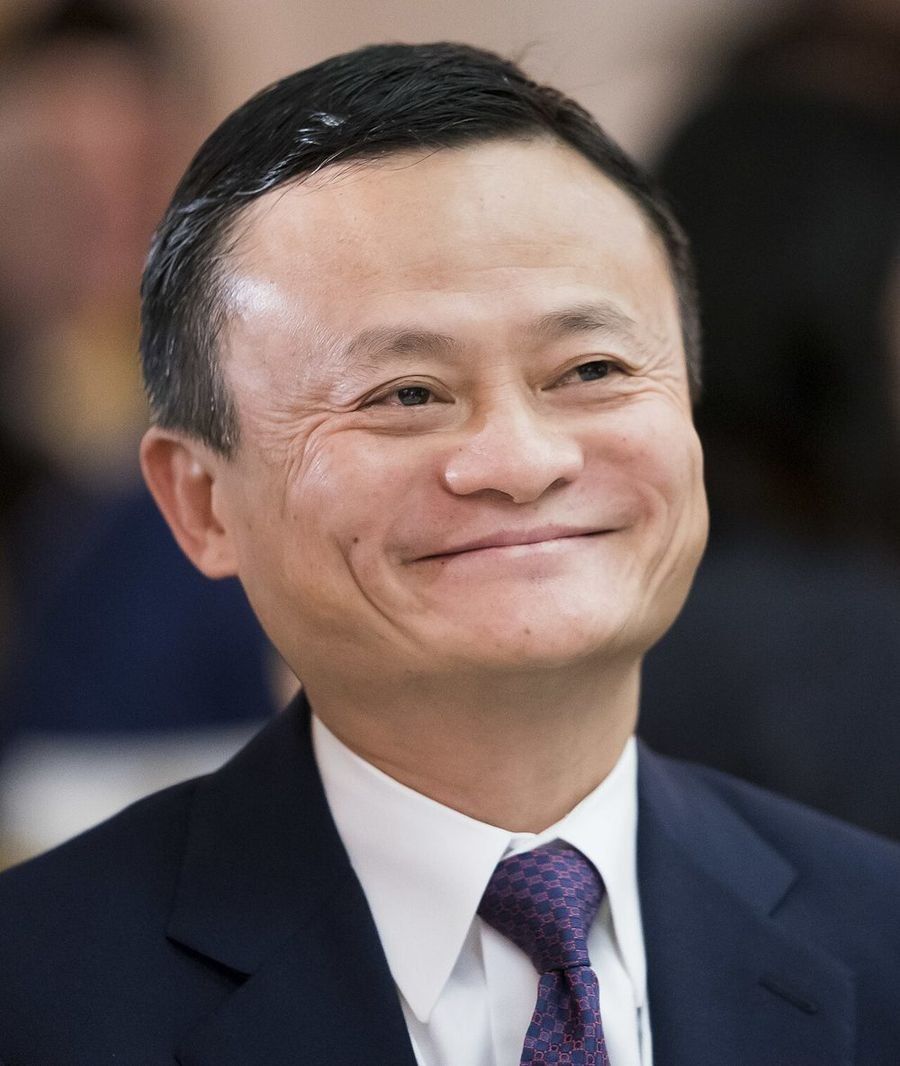
Image: Wikimedia Commons
Why We're Inspired
Born in Hangzhou in 1964, Jack Ma grew up poor during the Cultural Revolution, the son of traditional musician-storytellers. He taught himself English by riding out to West Lake and offering foreign visitors free tours — and one tourist gave him the name Jack. School was harder.
He failed China's college entrance exam twice, scoring just one point in maths on his first attempt, before passing on his third try and graduating in English in 1988.
Rejection followed him into work: by his own telling, he applied for around 30 jobs and was turned down for every one, including KFC, where 24 people applied, 23 were hired, and he was the only one rejected.
He taught English for a reported $12 a month, discovered the internet on a 1995 trip to the United States, and in 1999 gathered 17 friends in his Hangzhou apartment. Pooling roughly $60,000, they founded Alibaba.
"Never give up. Today is hard, tomorrow will be worse, but the day after tomorrow will be sunshine"
The Story
In September 2014, Alibaba raised $25 billion on the New York Stock Exchange — then the largest IPO in history. Ma has since stepped back from running the company to focus on education and giving. Through the Jack Ma Foundation, founded in 2014, he has championed rural teachers and schools across China, alongside environmental causes.
His fortune is reported at about $27.5 billion in recent listings — a teacher's salary, multiplied beyond imagining.
Sources
Wikipedia — "Jack Ma"
Inc. / Associated Press — "Alibaba's IPO Caps a Success Tale for Jack Ma"
YourStory — "How Jack Ma overcame his greatest failures to become the richest man in China"
More from The Bourgeois Society: The full list · Amancio Ortega · Stewart Butterfield
Co-founder, Flickr and Slack — Aspen, Colorado
Official links: Website · LinkedIn · X
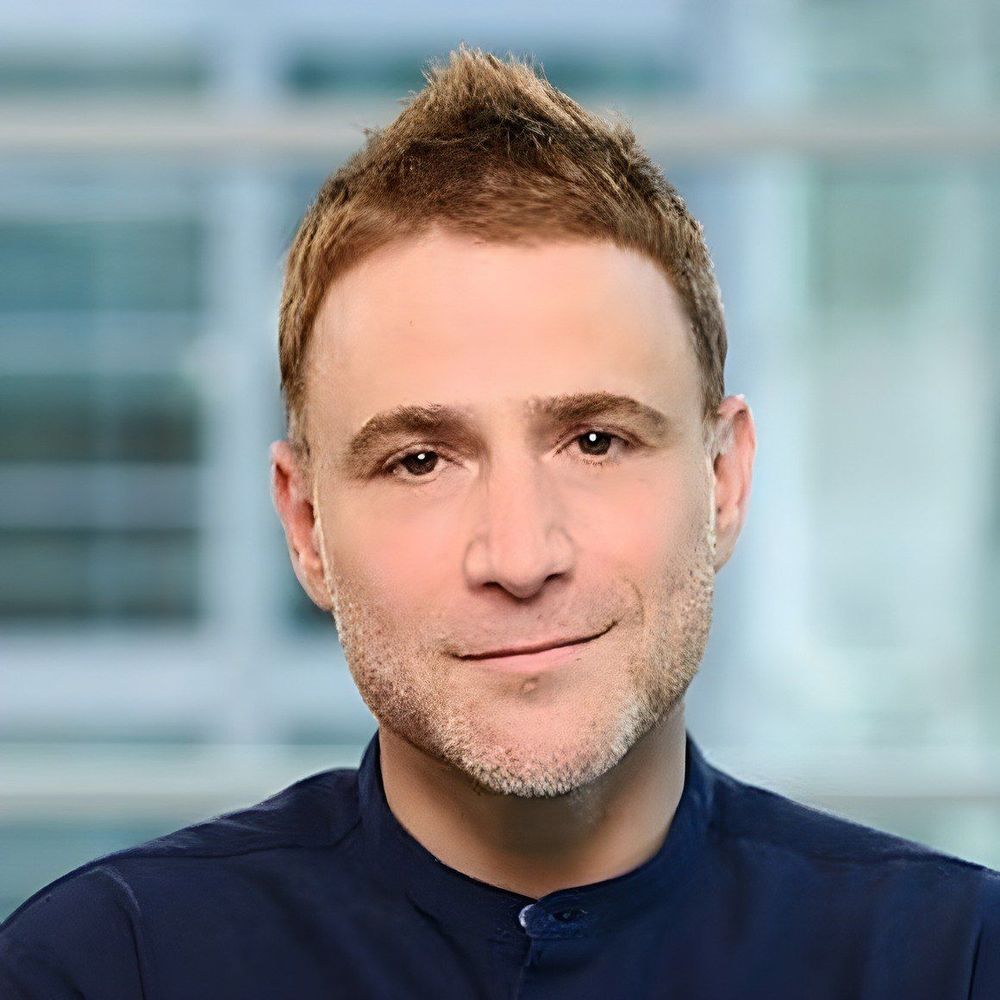
Image: Aspen Ideas Festival
Why We're Inspired
Here’s a founder who failed at games — twice — and changed how the world works anyway. Born Dharma Jeremy Butterfield in Lund, British Columbia, he spent his first five years in a log cabin on a commune, without running water or electricity, after his father fled the United States to avoid the Vietnam draft.
He taught himself to code, renamed himself Stewart at twelve, and took philosophy degrees at the University of Victoria and Cambridge. In Vancouver, his team set out to build Game Neverending; when the game faltered, its photo-sharing tool became Flickr, which Yahoo bought in 2005 for a price Butterfield later put at $22 million to $25 million.
Years later he tried games again, with Glitch. It closed too — but the chat tool his team had built to make it became Slack. Salesforce acquired Slack for $27.7 billion in 2021.
Twice, the salvage became the story.
"We don’t sell saddles here."
The Story
Butterfield left Salesforce in January 2023 and has since focused on family, angel investing and philanthropy. He and his wife, Away co-founder Jen Rubio, made Aspen their primary home, buying a $25 million estate there in 2021.
The philosopher who once lived without electricity now backs younger founders — a reminder that paying close attention to what is actually working, and sharing the upside, can be its own kind of generosity.
Sources
Wikipedia — “Stewart Butterfield”
Inc. — “9 Years Ago, a Simple Marketing Decision Helped Slack Become a $27 Billion Company”
Mansion Global — “Silicon Valley’s Newest ‘It’ Couple Is Going Big on Real Estate. Here’s How They’ve Spent $140 Million”
More from The Bourgeois Society: The full list · Jack Ma · François Pinault
Founder, Kering / Groupe Artémis — Paris, France
Official links: Website
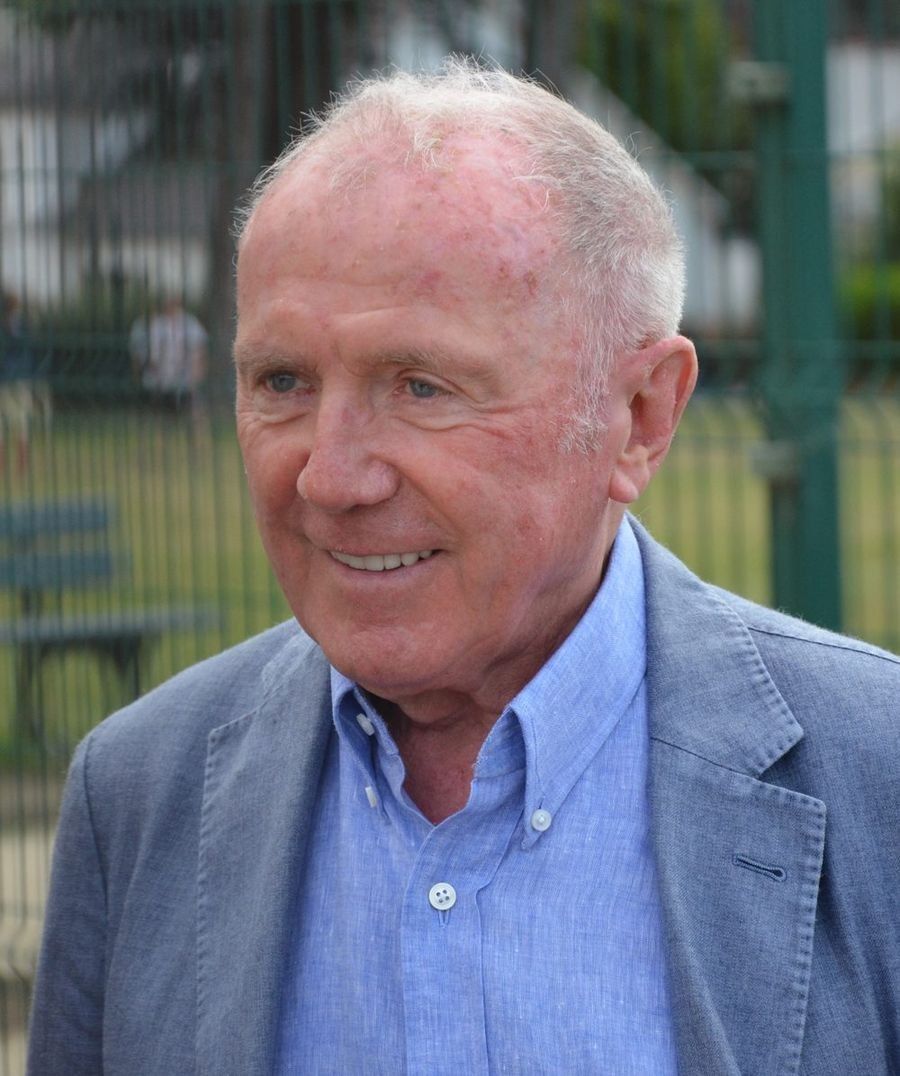
Image: Wikimedia Commons
Why We're Inspired
François Pinault was born in 1936 in Les Champs-Géraux, a village in Brittany, the son of a timber trader. At school in Rennes, as biographical accounts tell it, wealthier classmates mocked his rural accent and peasant roots, and at sixteen he dropped out.
He worked in the family lumber business, served in Algeria, and in 1963 founded his own timber-trading firm. Deal by deal, he bought struggling companies and turned them around, took his company public in 1988, and kept reinventing it.
Timber became retail, retail became luxury: in 1999 his group bought a controlling stake in Gucci, the pivot that built Kering — home to Gucci, Saint Laurent, Balenciaga and Bottega Veneta. Through his family holding, Groupe Artémis, he also owns Christie's and Château Latour, and in 2023 Artémis bought 53 percent of Hollywood's Creative Artists Agency.
Forbes estimated the family fortune at $31.6 billion in 2024.
"I understood then that I could gain access to the best art of my lifetime and that I could dream of a collection of that quality"
The Story
In 2003 Pinault handed management to his son François-Henri and devoted himself to art. His Pinault Collection — some 10,000 works by 2023 — now fills Palazzo Grassi and Punta della Dogana in Venice and the Bourse de Commerce in Paris, opened in 2021.
After the 2019 Notre-Dame fire, the family pledged €100 million toward rebuilding the cathedral — the school dropout from Brittany helping restore France's most beloved monument.
Sources
Wikipedia — “François Pinault”
Celebrity Net Worth — “Francois Pinault Dropped Out Of School Because He Was Bullied For Being Poor. Today He's Worth $27 Billion”
More from The Bourgeois Society: The full list · Stewart Butterfield · Glen Taylor
Founder & Chairman, Taylor Corporation — North Mankato, Minnesota
Official links: Website
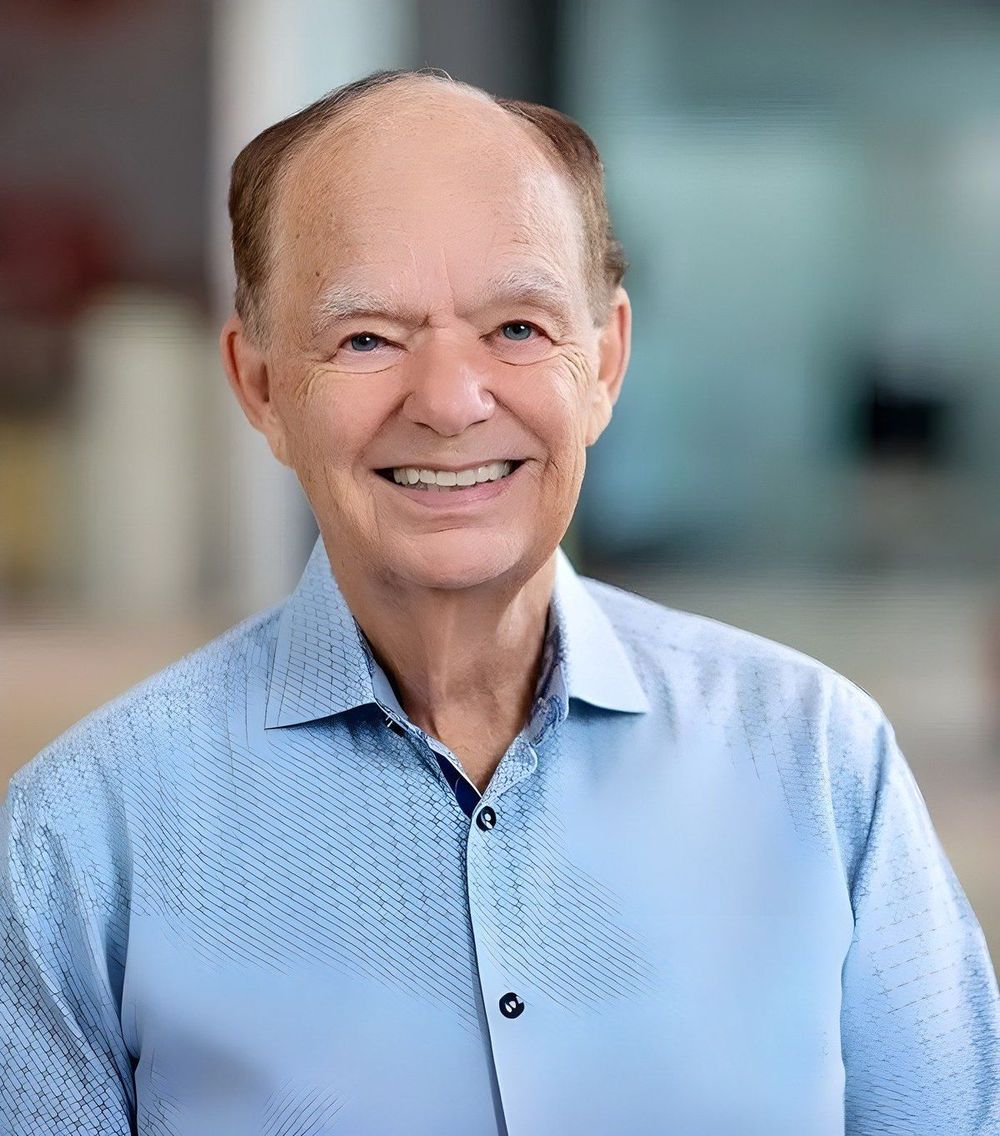
Image: Wikimedia Commons
Why We're Inspired
Glen Taylor’s story starts with chores. The second of seven children, he grew up on a farm outside Comfrey, Minnesota, collecting eggs and tending corn, pigs and dairy cows.
He married while still in high school, and when his father became a feed distributor, Glen ran the farm full-time for a year — a new husband and father before he was a college student. Urged toward college, he worked his way through Mankato State at Carlson Wedding Service, a small print shop making formal invitations.
When owner Bill Carlson retired in 1975, Taylor bought the shop for $2 million, payable over twelve years — and paid it off early. That shop became Taylor Corporation, based in North Mankato and now one of America’s largest private companies, with nearly 10,000 employees.
Forbes has estimated his net worth at $2.9 billion, and he is ranked as the richest person in Minnesota.
"I have received many blessings in my life and they can all be traced back to my upbringing on a farm here in southern Minnesota"
The Story
Taylor owned the Minnesota Timberwolves from 1994, and the Lynx from 1999, until the $1.5 billion sale to Marc Lore and Alex Rodriguez won NBA approval in June 2025; he still owns the Star Tribune, which he bought in 2014. Now he is giving the farm back — literally.
Through the Taylor Family Farms Foundation, he has given farmland and securities valued at more than $270 million since late 2023, leasing the land to farmers and sending the rent to rural Minnesota and Iowa communities, year after year.
Sources
Wikipedia — “Glen Taylor”
Star Tribune — “From farm boy to billionaire, Taylor steers his own course”
ESPN — “NBA owners approve $1.5 billion sale of Wolves, WNBA's Lynx”
More from The Bourgeois Society: The full list · François Pinault · Masayoshi Son
Founder, Chairman & CEO, SoftBank Group — Tokyo, Japan
Official links: Website · X
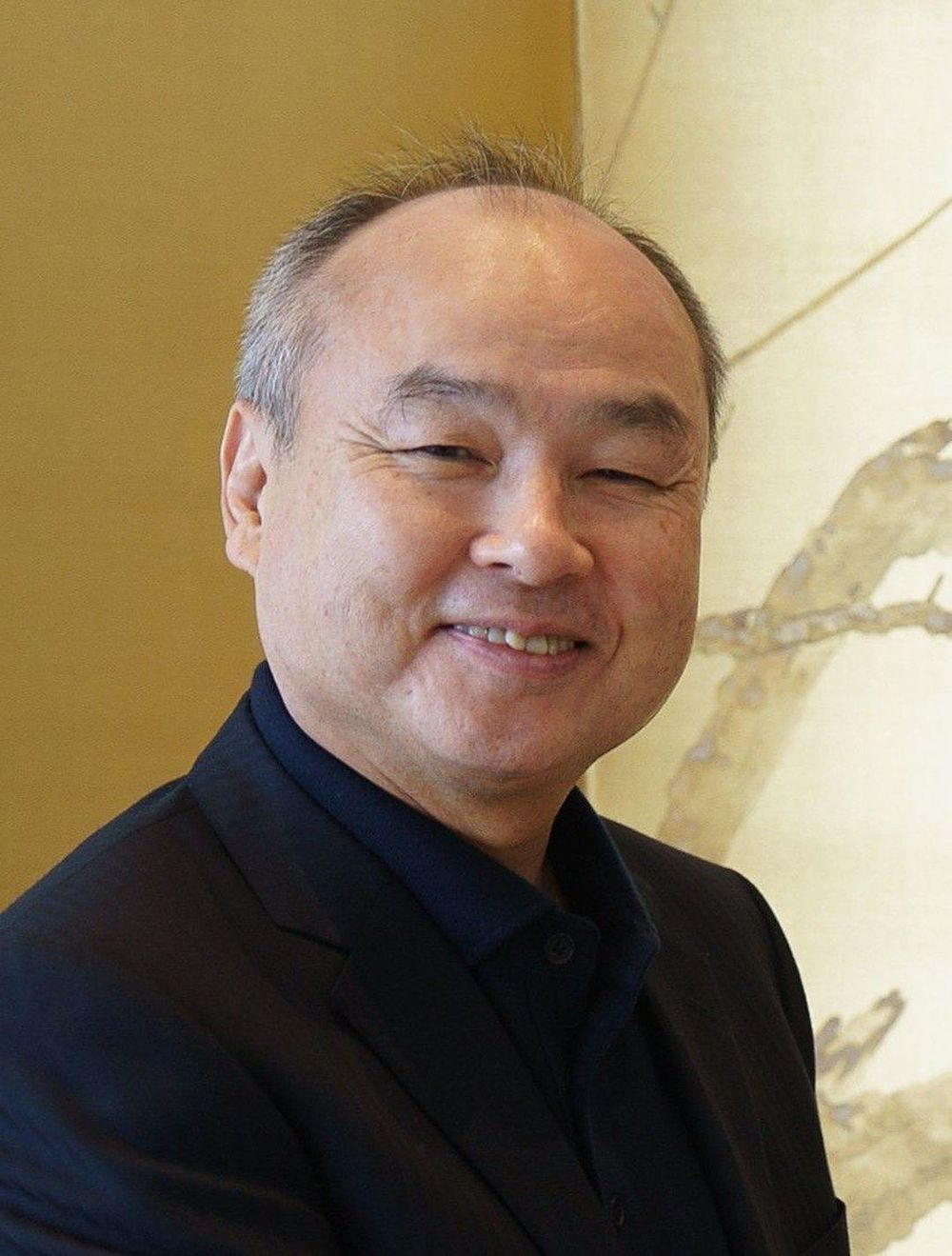
Image: Wikimedia Commons
Why We're Inspired
Masayoshi Son was born Masayoshi Yasumoto in 1957 in Tosu, Saga, to Zainichi Korean parents. His father raised pigs and chickens, built the family home illegally on railway land, and later ran an illegal sake business that prospered. The family refrained from using their Korean names, and Son was bullied for his Korean origin.
As a boy, he collected neighbours' leftover food for the livestock. At 16 he left for California, graduated in economics from the University of California, Berkeley, and sold an electronic translator to Sharp for $1.7 million while still a student. Back in Japan, he founded SoftBank in 1981 as a software distributor.
He was an early backer of Yahoo!, and SoftBank's $20 million investment in Alibaba in 2000 was reported at around $75 billion by Alibaba's 2014 IPO. For a few days in February 2000, he was briefly the richest person in the world.
"We collected leftover food from neighbours and fed it to cattle. It was slimy. We worked hard."
The Story
The crash that followed cost Son more than $59 billion, yet he rebuilt — and kept betting on the future. SoftBank's stated philosophy is “Information Revolution — Happiness for everyone,” and Son now chairs the Stargate AI venture while steering SoftBank toward artificial superintelligence.
After the 2011 Fukushima disaster, he criticised the nuclear industry and invested in a nationwide solar network for Japan — a boy who scrounged food for pigs, still insisting technology should make people happier.
Sources
Wikipedia — "Masayoshi Son"
AFP via SpaceDaily — "Masayoshi Son: From pigswill to telecoms tycoon"
More from The Bourgeois Society: The full list · Glen Taylor · Zhang Xin
Co-Founder, SOHO China — New York, NY
Official links: Website · X
Why We're Inspired
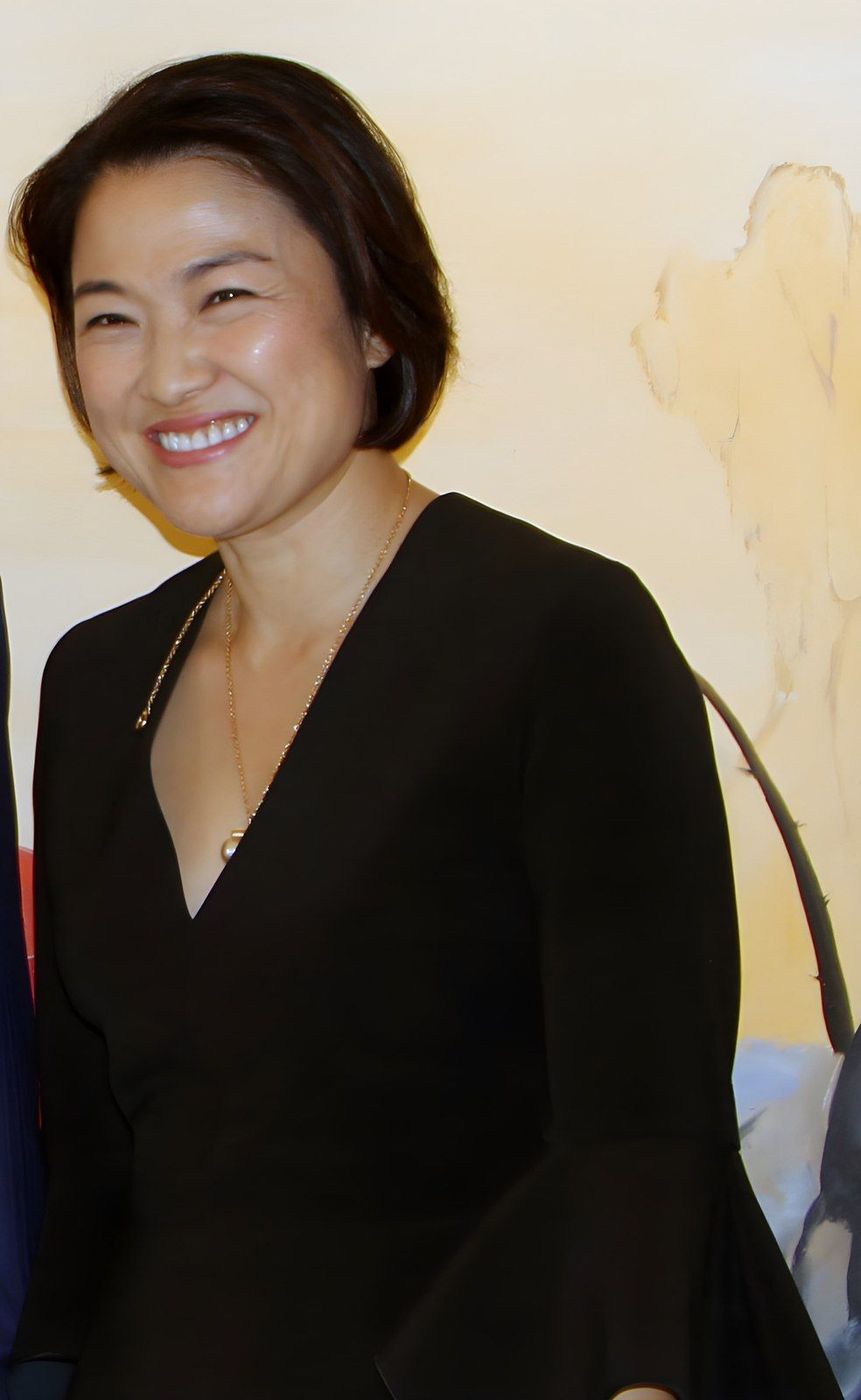
Zhang Xin was born in Beijing in 1965 to Burmese-Chinese parents who had emigrated to China and worked as translators.
After her parents separated, she moved to Hong Kong at fourteen with her mother, into a room barely big enough for two beds, and worked five years on garment and electronics factory lines — saving every cent for passage to England. Sussex and a Cambridge master's followed.
She went home and, in 1995, co-founded SOHO China, leading it as CEO — "the woman who built Beijing." Its 2007 Hong Kong IPO raised $1.9 billion, then Asia's largest commercial real-estate offering, and Forbes has ranked her among the world's richest self-made women, with a fortune estimated in the billions.
The Story
Zhang launched the $100 million SOHO China Scholarships to send disadvantaged Chinese students to top global universities — her own factory-to-Cambridge route, funded for others. Five years on a Hong Kong factory line, in a room that fit two beds, saving for a one-way ticket to an education — then she went home and built Beijing's skyline.
Nobody can say she was handed a thing.
Sources
CASE — "Zhang Xin"
The Wall Street Journal — "How a Hong Kong Factory Worker Became One of the World’s Richest Self-Made Women"
More from The Bourgeois Society: The full list · Masayoshi Son · Colin Huang
Founder, Pinduoduo / PDD Holdings — Shanghai, China
Official links: Website

Image: Business Insider via B17 News
Why We're Inspired
Colin Huang’s break came at twelve. He was the son of two factory workers on the outskirts of Hangzhou, an ordinary elementary-school kid — until a mathematics olympiad prize won him a shot at the elite Hangzhou Foreign Language School, where his classmates included children of China’s political and business elite.
He studied computer science in the honors college at Zhejiang University, earned a master’s degree at the University of Wisconsin–Madison in 2004, and joined Google as an engineer, returning to China in 2006 to help build Google China. He left in 2007 to start his own companies.
In 2015 he founded Pinduoduo in Shanghai, gamifying group buying; Pinduoduo describes itself as China’s largest agriculture platform, and its parent, PDD Holdings, later launched Temu worldwide. Bloomberg put his fortune at more than $70 billion at its early-2021 peak, and Forbes has estimated it at $39.1 billion as of May 2025.
"As the founder of this company, I am probably the most suitable person to take on this task by stepping out of the business and the comfort zone to embark on a journey of exploration."
The Story
Huang stepped down as CEO on July 1, 2020, and as chairman on March 17, 2021, saying he wanted to explore food and life sciences.
He has put serious money behind that curiosity: he was named China’s leading philanthropist on the Hurun list in 2021 after pledging $1.85 billion for social responsibility and scientific research, and the Starry Night Charitable Trust, funded by Huang and Pinduoduo’s founding team, supports fundamental research in biomedicine, agriculture and food.
Sources
Wikipedia — “Colin Huang”
Business Insider — “Billionaire Temu founder's reign as China's richest person is over just weeks after it began”
Nasdaq — “Pinduoduo founder Colin Huang steps down from board to explore future growth”
More from The Bourgeois Society: The full list · Zhang Xin · James Dyson
Founder, Dyson Ltd — Malmesbury, United Kingdom
Official links: Website
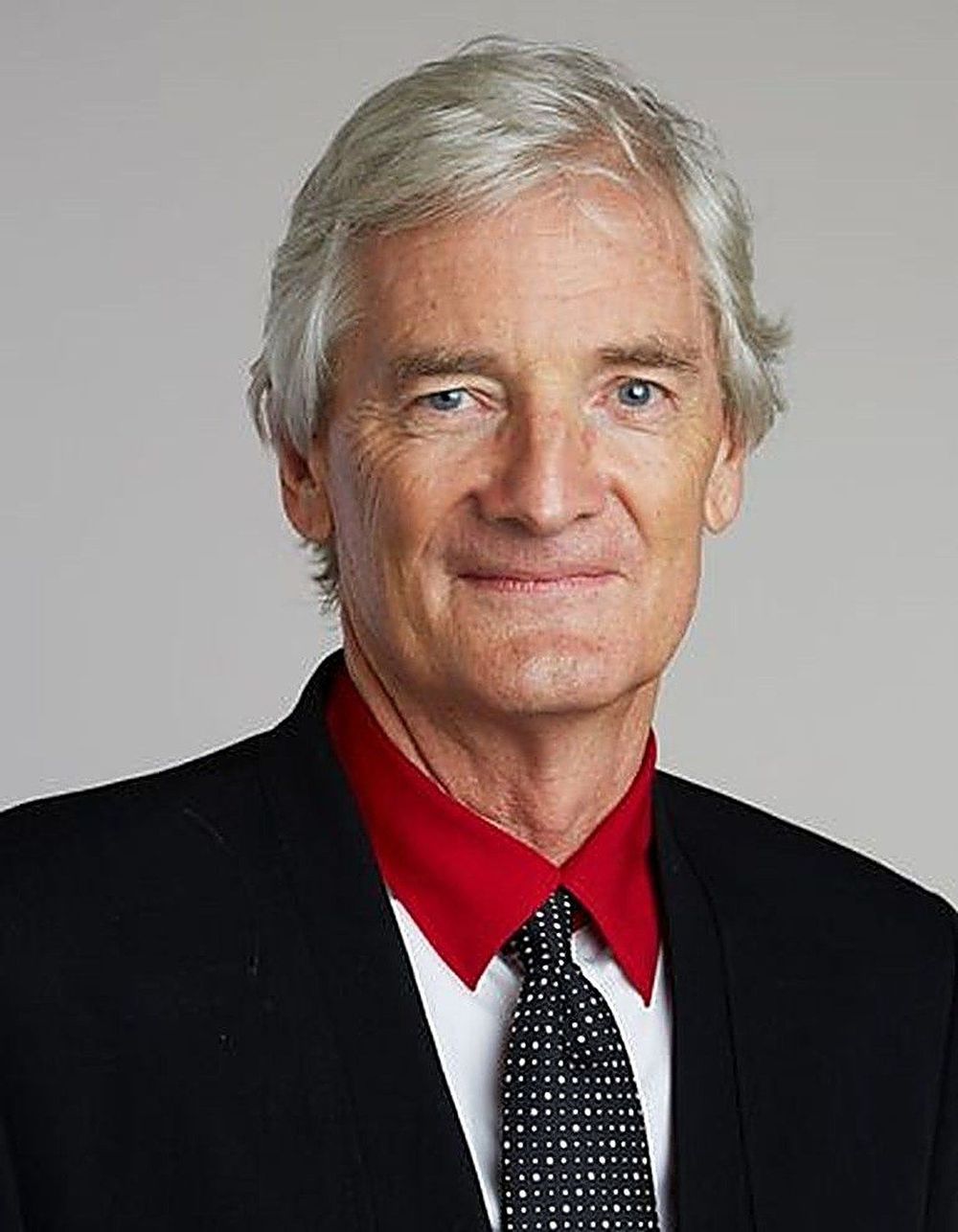
Image: Encyclopaedia Britannica
Why We're Inspired
James Dyson was nine when his father Alec, head of classics at Gresham's School in Norfolk, died of cancer. The school gave James a bursary to stay on; his mother supported the family first as a dressmaker, then by retraining as a teacher. Frustration became his engine.
In 1978, fed up with a Hoover that kept losing suction, he wondered whether the cyclone technology he had seen in a sawmill could replace the clogging bag. Working in a coach house at home — the family living largely on his wife Deirdre's art-teacher salary, the house remortgaged — he built prototype after prototype.
By Dyson's own count there were 5,127, over about five years. Then every major manufacturer refused the bagless design; as Dyson notes, the vacuum-bag market was worth over $500 million in Europe alone. So in 1993 he launched his own DC01 — and he has kept 100% ownership of his company.
Forbes has estimated his fortune at about $15 billion.
"Success tells you nothing. Failure is interesting – it’s part of making progress. You never learn from success, but you do learn from failure."
The Story
Dyson has turned that stubbornness outward. The James Dyson Foundation, founded in 2002, runs the James Dyson Award for young problem-solving inventors, and in 2017 he opened the Dyson Institute of Engineering and Technology in Malmesbury, where students earn a degree while working as salaried engineers.
He has also given back to the school that kept him: a £35 million donation to Gresham's in 2023, on top of earlier funding for its STEAM building — repaying, with interest, a bursary given to a grieving nine-year-old.
Sources
Dyson — "James Dyson"
Encyclopaedia Britannica — "James Dyson | Biography, Inventions, & Facts"
James Dyson Foundation — "Our Story"
More from The Bourgeois Society: The full list · Colin Huang · Freddie Figgers
Founder & CEO, Cedar Creek Capital — Boise, ID
Official links: Website · Instagram
Image: Self Storage Income
Why We're Inspired
At thirty-three, AJ Osborne was a quadriplegic. A rare autoimmune disease put him in hospital for months, paralyzed and hooked up to breathing tubes — and his brokerage firm fired him while he lay in that hospital bed. What kept his family whole was not the job.
It was the self-storage facilities he had quietly bought along the way. The income kept arriving. His wife did not have to leave their four children to find work, and they did not lose their house.
Osborne recovered slowly, unsure whether he would ever get out of a wheelchair, and rebuilt his working life around the asset that had carried his family. He founded Cedar Creek Capital, a vertically integrated private-equity firm in Boise, so other investors could share that same security.
His portfolio is reported at more than $300 million in assets and over 1.2 million square feet of self-storage.
"I didn’t know if I was ever going to be able to get out of a wheelchair, so I said to myself that I’ll just teach people about investing in self-storage,"
The Story
Osborne turned his second chance into a classroom. He hosts Self Storage Income, billed as the largest self-storage podcast, and wrote The Investor’s Guide to Growing Wealth in Self Storage, a number-one bestseller in its category.
Through Cedar Creek he buys and turns around underperforming facilities — Osborne himself now cites three million square feet and more than 13,000 doors — and he is a founder and board member of Storelocal, the self-storage co-op, and Tenant Inc., the software company that supports facility management.
Sources
Tech Times — “From Quadriplegic to Self-Storage Investment Influencer: How AJ Osborne and Cedar Creek Capital are Revolutionizing the Sector, One Facility and Investor at a Time”
The Investors Podcast — “Resilience and Triumph w/ AJ Osborne”
Geek Insider — “AJ Osborne & Cedar Creek Capital: Self-Storage Done Right”
More from The Bourgeois Society: The full list · Freddie Figgers · John Devaney