
Photograph: Splitshire
Cancer Survivors: The Builders Behind Ben Freeberg, Glenn Stearns, Jo Malone and Rick Hendrick
A venture capitalist who collapsed at 24 and built a fund to fix cancer care. A mortgage king who beat cancer twice, then rebuilt a business on television for his kids. Ten builders who heard the hardest diagnosis there is — and went back to work.
Produced and Edited by The Bourgeois Society Staff
Our Cancer Survivors list: ten founders and owners — in venture capital, mortgage, fragrance, real estate, brewing, fashion technology, auto retail, sports and investing — who beat cancer, or built through a family’s cancer fight, and kept building.
Selected on the obstacle climbed, the thing built, and the good given back — and fact-checked line by line, with sources linked under every profile.
Founder and Managing Partner, Oncology Ventures — Austin, Texas
Official links: Website
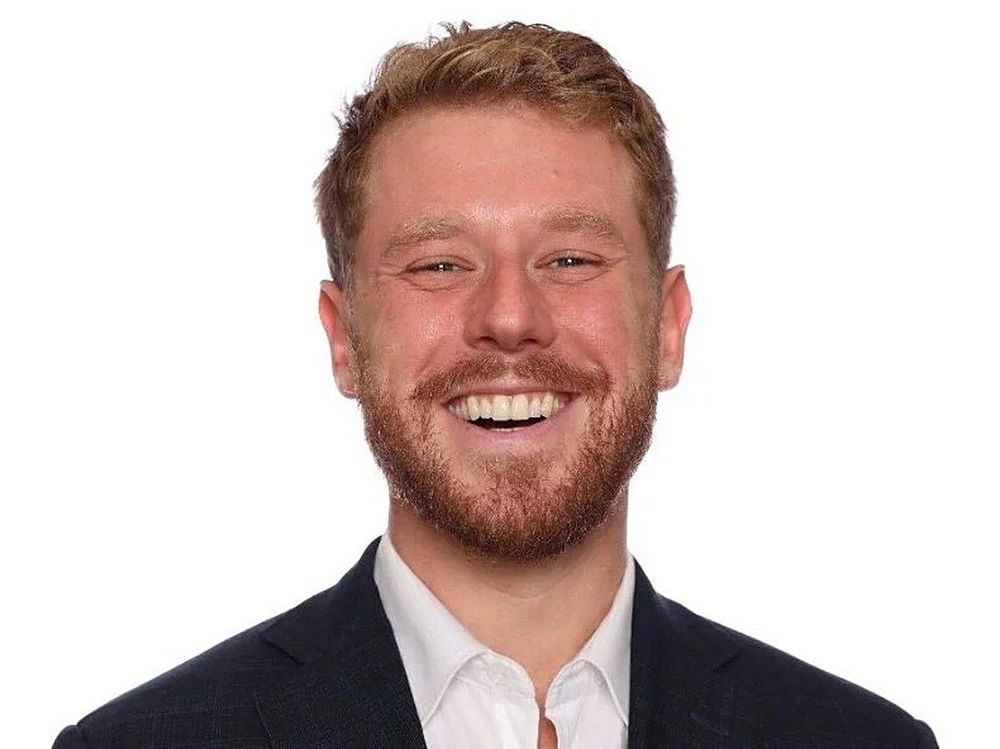
Image: OncoDaily
Why We're Inspired
Ben Freeberg was a healthy 24-year-old working in venture capital when he collapsed one night in New York after dinner with friends. The emergency room sent him home — dehydrated, they said.
Months of back and abdominal pain followed, then lung clots on a work trip, and in January 2018 the answer finally arrived: late-stage testicular cancer, stage 3a, that had spread to his neck. He endured the surgeries and the chemotherapy and beat it back — but the fight showed him the cracks in the system from the inside.
Hunting a second opinion on his own treatment meant Googling doctors and sending cold emails. A patient, he decided, should never have to work that hard to be helped.
“I knew I needed to focus 100% of my time on the healthcare side of venture capital.”
The Story
So Freeberg rebuilt his career around the disease that nearly ended it. After surviving, he became a vice president at Optum Ventures and helped build Thyme Care, a value-based cancer-care company — then launched Oncology Ventures, a venture fund investing in data-driven startups that improve cancer care, from early detection to treatment planning to survivorship.
The fund deliberately does not chase drug discovery; it backs the unglamorous machinery that decides whether patients get the right care in time. Its backers include Cardinal Health, City of Hope and Moffitt Cancer Center. After a $32 million debut fund closed in 2024, Oncology Ventures closed an oversubscribed $62 million second fund, beating its $50 million goal.
Cancer took a year of his twenties. He has spent every year since making sure it takes less from everybody else.
Sources
Wall Street Journal Pro — “He Beat Cancer. His Venture Fund Aims to Help Others Do the Same.”
TechCrunch — “Cancer survivor launches Oncology Ventures to improve care”
Wealth Wise Report — “Oncology-Focused Venture Capital Firm Closes $30M Fund”
More from The Bourgeois Society: The full list · Carly Fiorina · Glenn Stearns
Founder and CEO, Kind Lending — Santa Ana, CA
Official links: Website · Facebook · Instagram · X
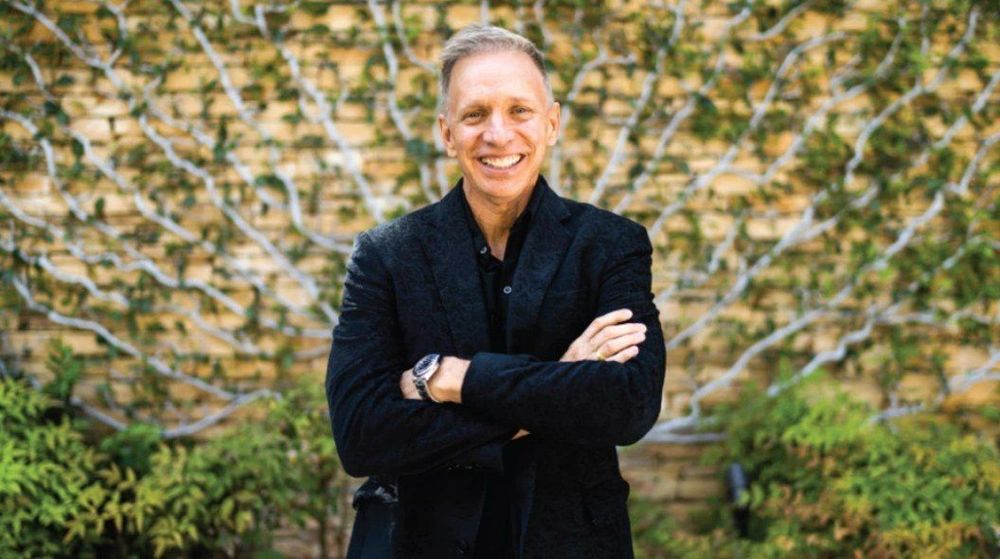
Image: Kind Lending
Why We're Inspired
Read Glenn Stearns' childhood as a list of verdicts: born to alcoholic parents, diagnosed dyslexic, failed the fourth grade, a father at 14, graduated in the bottom ten percent of his high-school class.
He became the first in his family to attend college anyway, moved to California waiting tables, and slept on the kitchen floor of a one-bedroom apartment shared with five other graduates.
After just ten months working as a loan officer, at 25 he founded Stearns Lending — and built it into one of the largest wholesale mortgage lenders in America, reaching nearly $1 billion a month in funded volume by 2010 and funding more than $150 billion in loans since. In 2015 he sold a majority stake to Blackstone.
Most people would call that the summit. Stearns was about to meet the one opponent the balance sheet could not help him with.
“I did that show because I really wanted my kids to see their hard-working, strong dad. What they had seen was me sick with cancer. I wanted to show them what it takes to build a business and how you treat people.”
The Story
The cancer was found almost by accident — at a dinner where former Vice President Dick Cheney, fresh from a heart transplant, urged him to see his own doctor; within hours, doctors found cancer on Stearns' tongue. He beat it, and when it returned, he beat it again.
Then, instead of retreating, he walked into the Discovery Channel's Undercover Billionaire and rebuilt a business from almost nothing in Erie, Pennsylvania, largely so his children would remember him building, not sick.
He has since founded Kind Lending in Santa Ana and speaks across the country on grit — the lived kind, the kind that failed fourth grade, slept on a floor, and out-fought cancer twice.
Sources
The Adversity Advantage — “Glenn Stearns: How This Undercover Billionaire Beat the Odds to Overcome Financial Hardship, Competition and Cancer”
Towson University Magazine — “Moving on Up: Glenn Stearns '87”
Discovery — “Learn More About Undercover Billionaire Glenn Stearns”
More from The Bourgeois Society: The full list · Ben Freeberg · Jo Malone
Founder, Jo Malone London and Jo Loves — London, England
Official links: Website · Instagram · X
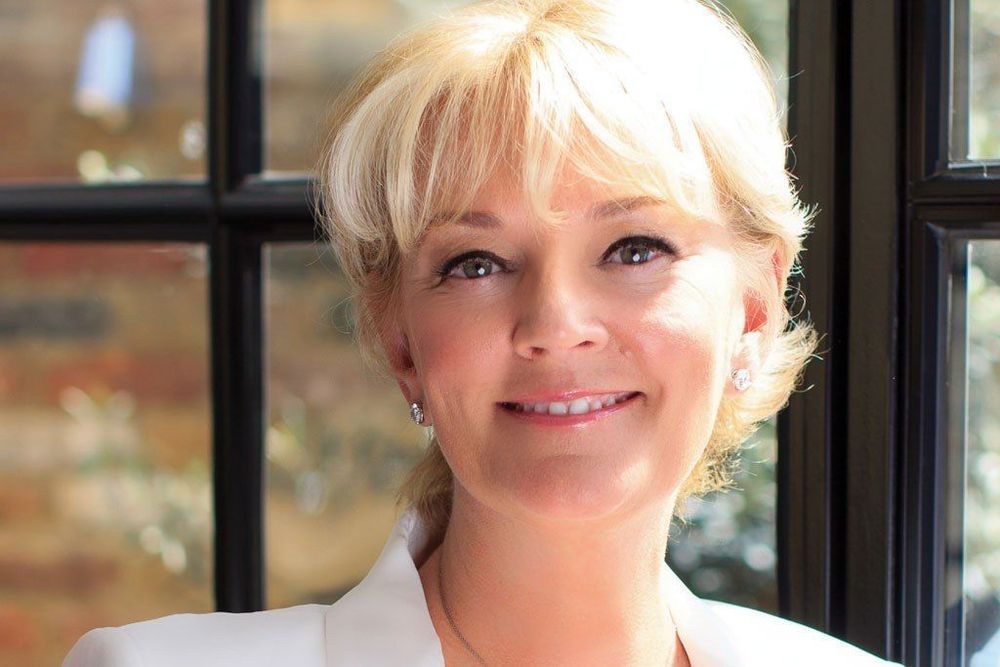
Image: Country & Town House
Why We're Inspired
Jo Malone grew up on a council estate in Kent, severely dyslexic in classrooms that mistook her for lazy, and left school as a teenager with no qualifications to care for her mother after a stroke — taking over her mother's facial clients and growing that list, by care and by scent, into the thousands.
She began her fragrance business in her kitchen, making bath oils as thank-you gifts; one client ordered a hundred bottles for dinner guests, and most of them ordered more. Her first London shop opened in 1994, and in 1999 she sold Jo Malone London to Estée Lauder for millions, staying on as creative director until 2006.
She had built a global name out of a council-estate kitchen. Then, at 37, came the sentence no success can soften.
“Hard things happen and you find out the person you really are.”
The Story
The diagnosis was breast cancer, and she was told she had nine months to live.
She underwent treatment in New York and a double mastectomy — and survived, though the treatment at one point took even her sense of smell, the gift her whole life was built on; it returned, she says, eight weeks after she walked away from the company that bore her name.
Many founders would have stopped there, a fortune made and a life reclaimed. Malone started again. In 2011 she launched a second fragrance house, Jo Loves, and told her whole story — the estate, the dyslexia, the diagnosis — in her memoir My Story.
Twice she has built a fragrance empire from nothing. The second time, she built it as a woman who had been given nine months.
Sources
JLA — “Jo Malone” (speaker profile)
2Luxury2 — “Jo Malone — The English Scent Maverick: Her Story in a Memoir”
Speakers Corner — “Jo Malone CBE”
Daily Mail — “Jo Malone: I was terrified of presenting BBC show because I'm dyslexic” (interview)
More from The Bourgeois Society: The full list · Glenn Stearns · Kathy Fettke
Co-founder and CEO, RealWealth
Official links: Website · LinkedIn · Facebook · Instagram · X
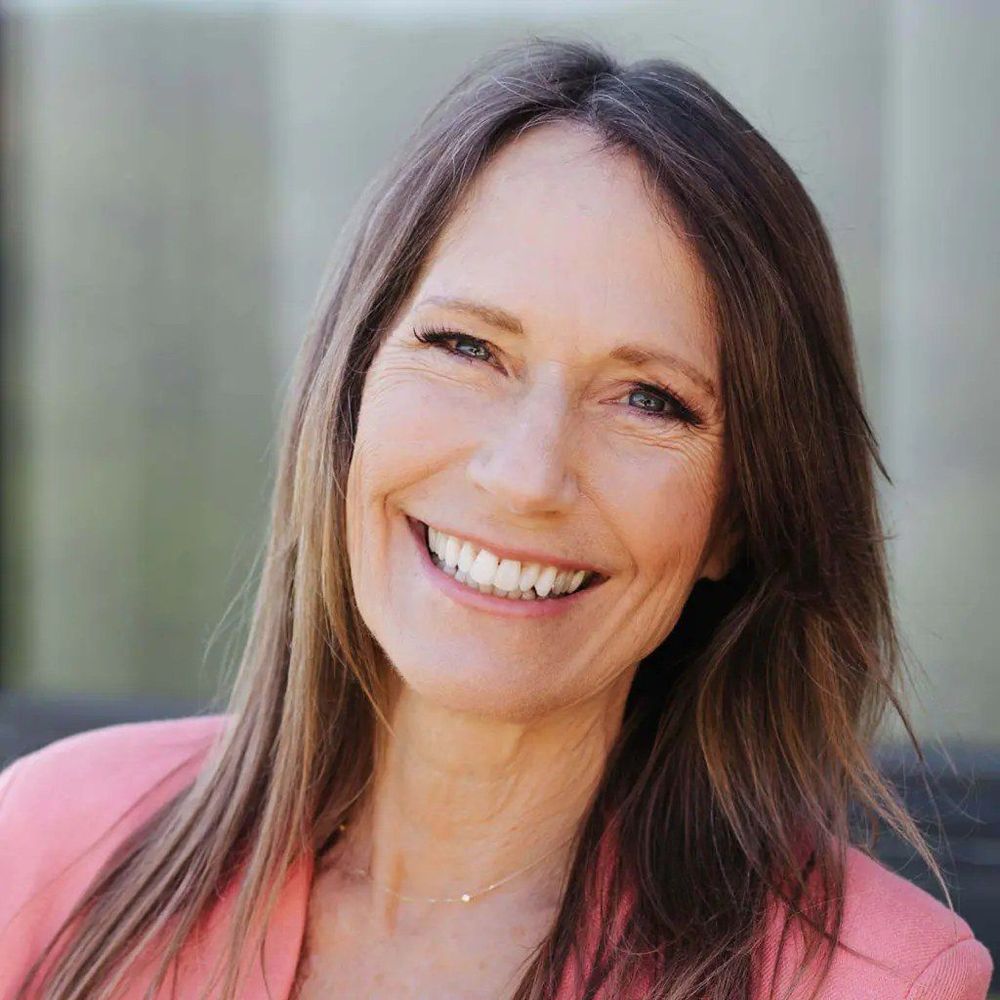
Image: RealWealth
Why We're Inspired
Kathy Fettke was living the dream she had chosen — stay-at-home mother of two, a big Northern California home, a husband whose book Extreme Success and speaking career were taking off — when Rich came home from a doctor's appointment in tears. A freckle had been checked.
It was melanoma, it appeared to have spread to his liver, and the doctors gave him six months to live. The family's savings burned fast on medical bills, and Kathy, who had barely thought about real estate, had to become the breadwinner without leaving the family she might be about to lose.
Her first invention was the house itself: the family moved into one section of their six-bedroom home and rented the rest, rooms to tenants and international students, bunk beds and all — enough to cover the mortgage.
“I became a landlord without realizing it.”
The Story
Her second invention was her small radio show, remade overnight into a masterclass in how money actually works: she interviewed investor after successful investor, took a mortgage licence along the way, and absorbed a crash course no business school sells.
Out of that crisis curriculum, she and Rich — who, against the prognosis, recovered — co-founded RealWealth, built to give ordinary families income that does not depend on a job surviving. The network now counts about 60,000 members, and her book Retire Rich with Rentals became a bestseller. The company exists because a doctor once gave her husband six months.
Every member learning to build a safety net is, in a way, sitting in the classroom Kathy built the night she needed one.
Sources
Think Realty — “Sharing the Wealth”
Invest Like a Billionaire (GetPodcast) — “How to Build Lasting Wealth with Real Estate, feat. Kathy Fettke” (Ep. 171)
BiggerPockets Real Estate Podcast (Podscripts transcript) — “Surviving a Real Estate Crash and Investing Out-of-State with Kathy Fettke” (Ep. 225)
More from The Bourgeois Society: The full list · Jo Malone · Larry Bell
Founder, Bell's Brewery — Kalamazoo, Michigan
Official links: Website
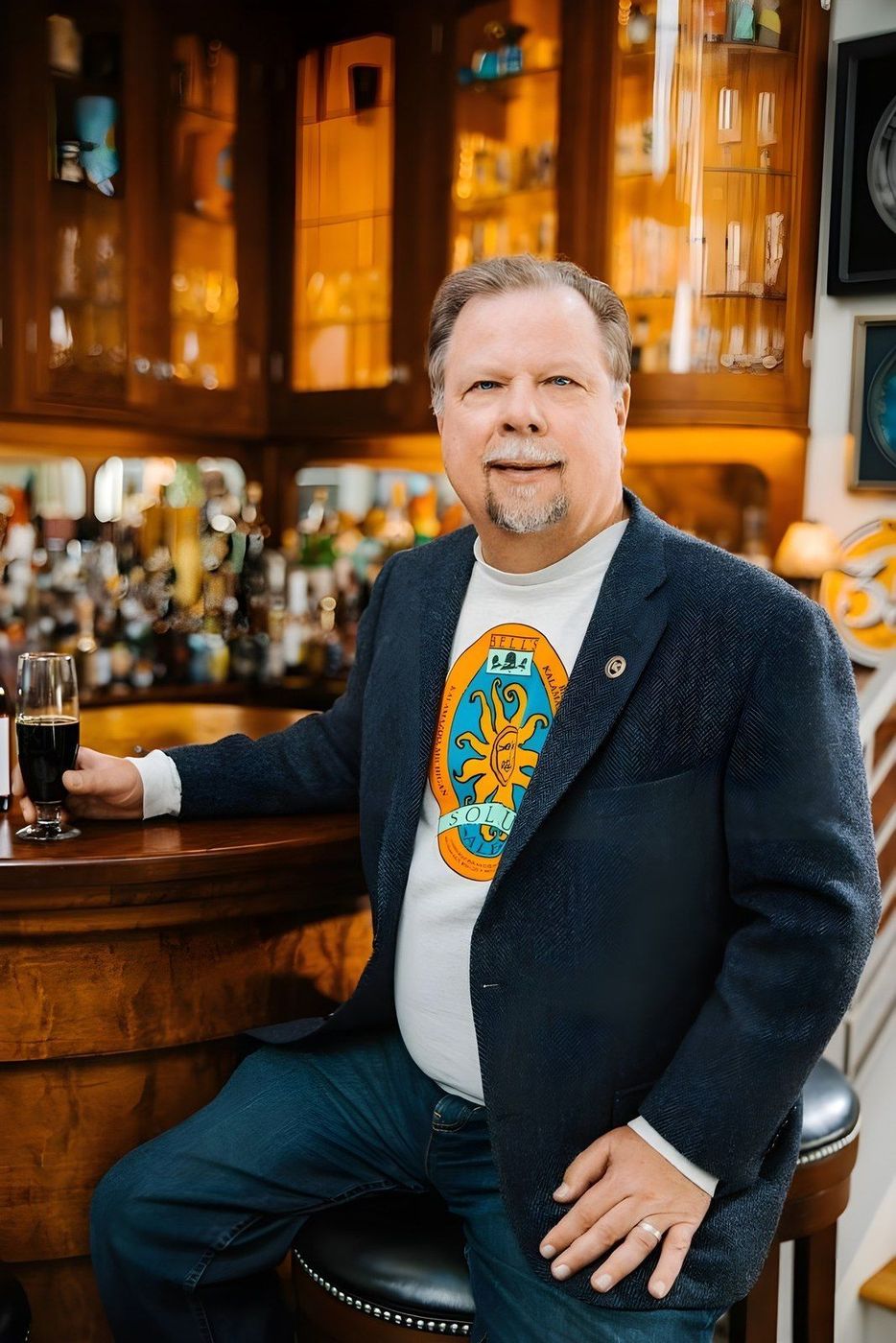
Image: Guys Drinking Beer
Why We're Inspired
In September 1985, Larry Bell started selling his own beer in Kalamazoo, Michigan, brewed in a 15-gallon soup kettle and fermented in open fermenters covered with plastic wrap. The first year produced 135 barrels.
From that kettle came one of the pioneering breweries of American craft beer — Two Hearted Ale, Oberon, the Eccentric Café, a second production brewery in Comstock — and eventually the seventh-largest craft brewer in the United States, with some 550 employees and beer in 43 states.
Bell is a craftsman first, and the brewery grew the craftsman's way: slowly, stubbornly and entirely on the quality of what was in the glass.
“I'm so proud of what we've been able to accomplish together. From our wonderful fans, to the amazing team that has helped share our beer with the world, to the ways we've been able to invest in causes we believe in — this has been an absolutely incredible journey.”
The Story
Cancer visited him twice along the way. He was diagnosed with prostate cancer years before the sale and recovered fully; then, as he told Brewbound when the end of his tenure arrived, he beat a second bout with cancer as well.
In November 2021, after more than 36 years, Bell sold Bell's Brewery to Lion, the Kirin subsidiary that also owns New Belgium Brewing, and retired — on his own terms and timing, he was careful to say: he did not have to sell, but a recent battle with serious health issues told him to hand over the brewery while he still had his wits about him, to a partner that valued the beer, the culture and the Michigan roots.
The soup kettle is a museum piece of an idea now. The man who brewed in it out-brewed cancer twice.
Sources
Brewbound — “Bell's Brewery to Sell to New Belgium Parent Co. Lion, Larry Bell to Retire”
Northern Express — “Larry Bell: Craft Brew Titan”
WCMU Public Media — “Bell's founder retires, sells brewery”
More from The Bourgeois Society: The full list · Kathy Fettke · Mark Dowds
Co-founder, RESPONSIBLE — Belfast, Northern Ireland
Official links: Website · LinkedIn · X
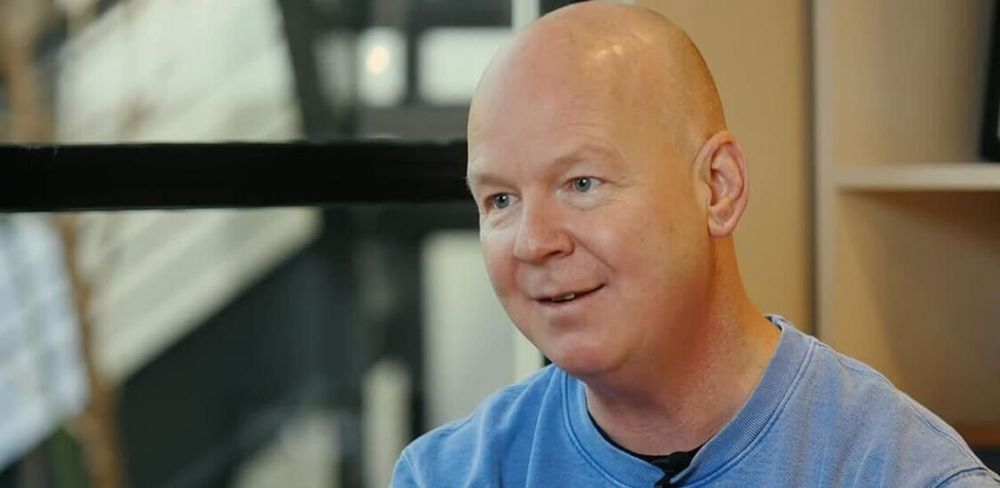
Image: NI Connections
Why We're Inspired
Mark Dowds has a founder's record that reads like a dare: five companies started, three sold. He co-founded ServiceCloud, acquired by Salesforce, and co-founded Trov, the world's first on-demand insurance platform, acquired by Travelers. As an early-stage investor he was a seed backer of Uber and Twilio, and across his ventures he has raised hundreds of millions.
He also, in the middle of all that building, survived cancer — and his public profile today is framed, without flinching, around exactly that: started companies, sold companies, survived cancer, still building. In Dowds' telling, the lesson survival taught him was urgency: life is too short to build something you do not care about.
The Story
What he cares about now is the clothing industry's waste. From Belfast he co-founded RESPONSIBLE, a circular-fashion technology platform — backed by Barclays — that helps brands and consumers buy, sell and trade clothes so garments live longer and fewer end up in landfill.
It is the same pattern as the rest of his career, from the Toronto incubators that helped nurture a generation of startups to the Belfast co-working space and youth-innovation programmes he chairs at home: find the broken system, build the fix, and teach the next founders while you are at it.
A serial founder could be forgiven for slowing down after cancer. Dowds treated survival as a deadline instead — and deadlines, for builders, are fuel.
Sources
The Human Orbit — “He started 5 companies, sold 3, survived CANCER, and he's still building!”
The Human Edge (Listen Notes) — “A Life Full of Wildness — Mark Dowds”
Top 100 Influential People — “Mark Dowds”
More from The Bourgeois Society: The full list · Larry Bell · Rick Hendrick
Founder and Owner, Hendrick Automotive Group and Hendrick Motorsports — Concord, NC
Official links: Website
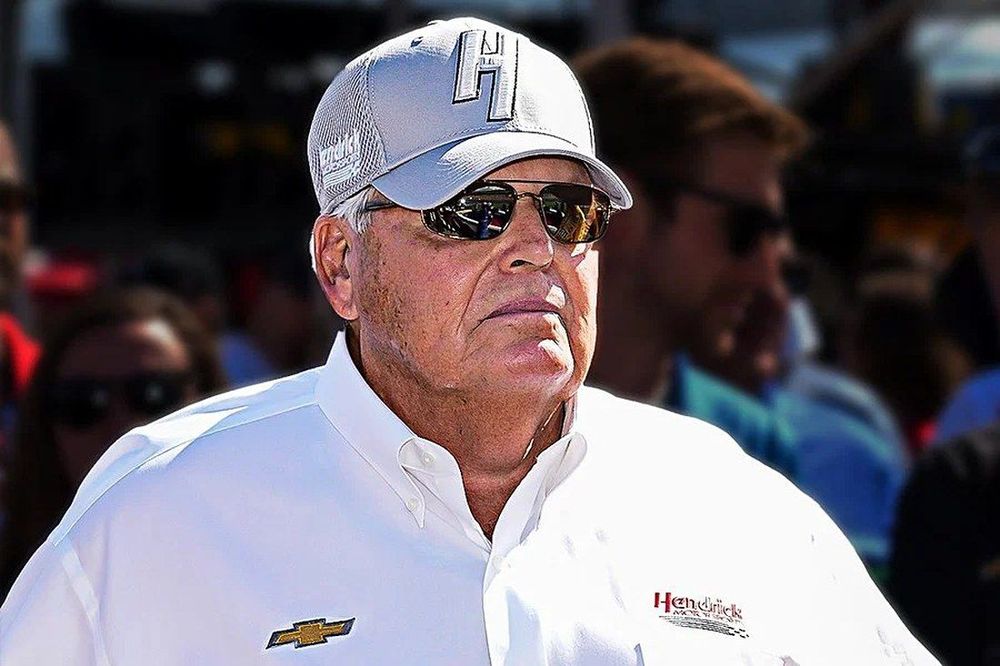
Image: EssentiallySports
Why We're Inspired
Rick Hendrick grew up on his family's tobacco farm in southern Virginia, where his father taught him hard work and handed him a passion for cars — he was drag racing a self-built 1931 Chevrolet at fourteen.
At 26, in 1976, he sold off everything he had to buy a struggling franchise in Bennettsville, South Carolina, and became the youngest Chevrolet dealer in the United States, turning that troubled store into the region's most profitable.
It was the seed of Hendrick Automotive Group, today one of America's largest dealership groups, and of Hendrick Motorsports, the most successful team in modern NASCAR history and a 2017 NASCAR Hall of Fame induction for its owner. Then November 1996 brought the diagnosis: chronic myelogenous leukemia, a disease doctors did not expect him to survive.
The Story
The record of those years is printed here exactly as it stands. While fighting the leukemia, Hendrick was under federal indictment in the Honda case; in 1997 he pleaded guilty to mail fraud and was sentenced to a $250,000 fine, twelve months of home confinement — home confinement instead of prison because of his leukemia — and three years' probation.
In December 1999 his cancer went into full remission, and in December 2000 President Bill Clinton granted him a full pardon. He and his wife Linda founded the Hendrick Marrow Program to fund bone-marrow matches for strangers facing what he faced.
Then, on October 24, 2004, a team plane crashed on its way to Martinsville, killing ten people — among them his son Ricky, his brother John and two nieces. The organization grieved, and then it rebuilt in their memory.
“If we didn't have the character and the chemistry we have here it would have all fallen apart. It was a point in time that this place built more character than any group I've ever seen.”
Sources
Harvard Business Review — “Crucible: A New Will to Win”
CupScene — “From Small Beginnings, Rick Hendrick Reached Pinnacle of Success in Business and NASCAR”
International Motorsports Hall of Fame — “Hendrick's Drive to Entry into IMHOF Began on Family Farm”
Encyclopedia (TheFreeDictionary) — “Rick Hendrick”
More from The Bourgeois Society: The full list · Mark Dowds · Jerry Jones
Owner, President and General Manager, Dallas Cowboys — Dallas, TX
Official links: Website
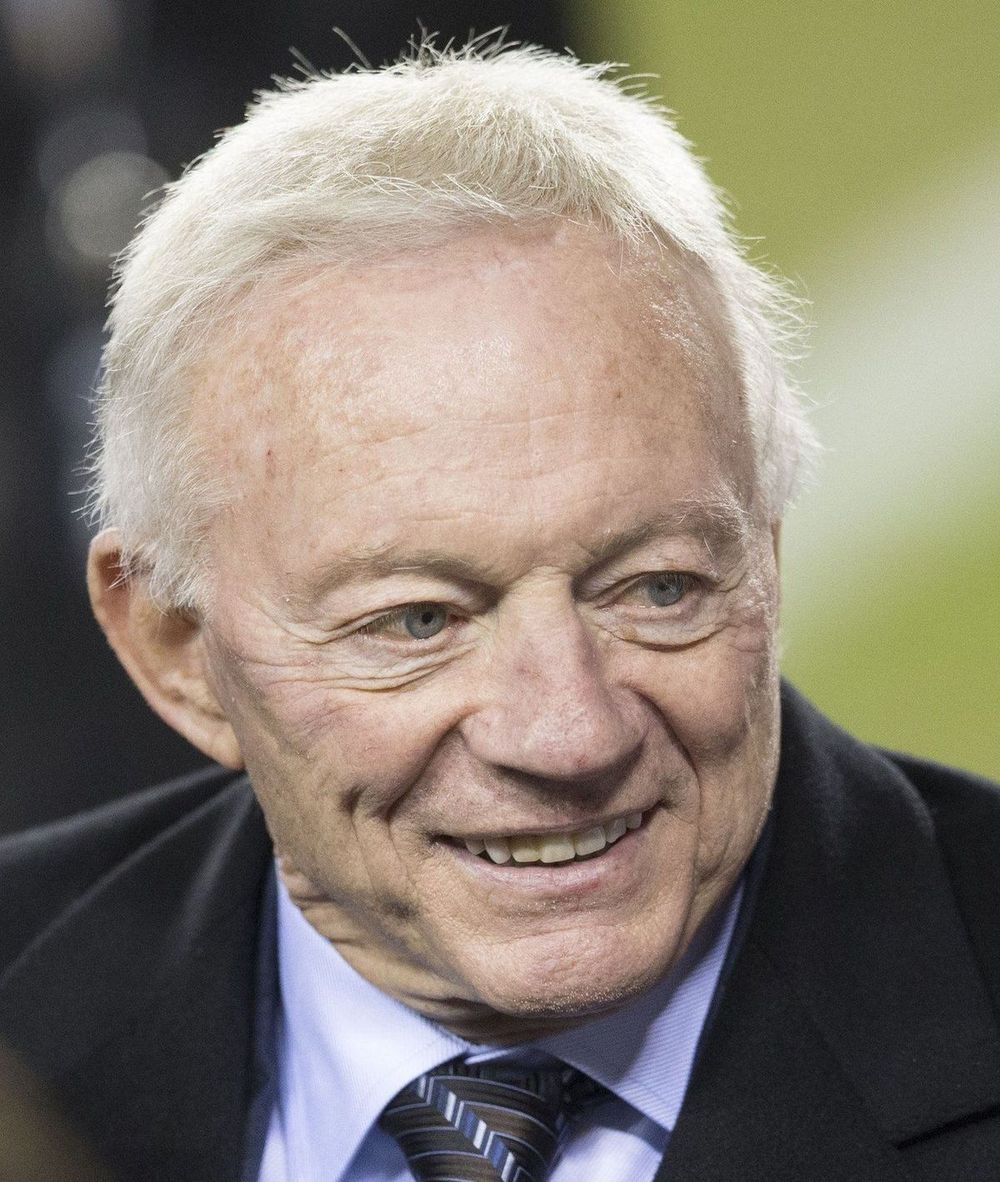
Image: Wikimedia Commons
Why We're Inspired
In 1989 Jerry Jones bought the Dallas Cowboys for $140 million, mortgaging everything he had, and built them into the most valuable sports franchise in the world — valued by Sportico at $12.8 billion, with three Super Bowl titles under his ownership.
For most of that reign, the public saw the most scrutinised owner in sports: the gambler, the showman, the man on the sideline. What nobody saw was the other fight.
In June 2010, Jones was diagnosed with stage 4 melanoma — cancer that had spread beyond the skin — and for fifteen years he kept it private, telling almost no one outside the treatment rooms at MD Anderson Cancer Center in Houston.
“I was saved by a fabulous treatment and great doctors and a real miracle (drug) called PD-1 (therapy). I went into trials for that PD-1 and it has been one of the great medicines. I now have no tumors.”
The Story
Over the decade that followed the diagnosis he endured four surgeries — two on his lungs, two on his lymph nodes — while running the Cowboys in full view of the cameras, and he credits an experimental PD-1 immunotherapy trial, a treatment that helps the immune system recognise and destroy cancer cells, with saving his life.
He finally told the story in August 2025, and the Melanoma Research Alliance praised the disclosure for showing what clinical-trial research can do — a stage 4 diagnosis is no longer the automatic ending it once was. The Gene and Jerry Jones Family Foundation remains among Texas's most active family givers.
But the plainest fact in his file is the one he kept quiet for a decade and a half: the most watched owner in American sports was fighting for his life the whole time, and he won.
Sources
theScore — “Cowboys' Jones reveals he beat Stage 4 cancer” (Dallas Morning News reporting)
Bleacher Report — “Cowboys' Jerry Jones Says He Survived Stage 4 Skin Cancer in 2010, Discusses Treatment”
Field Level Media — “Report: Jerry Jones fought stage 4 cancer battle for over decade”
More from The Bourgeois Society: The full list · Rick Hendrick · Warren Buffett
Chairman, Berkshire Hathaway — Omaha, NE
Official links: Website · X
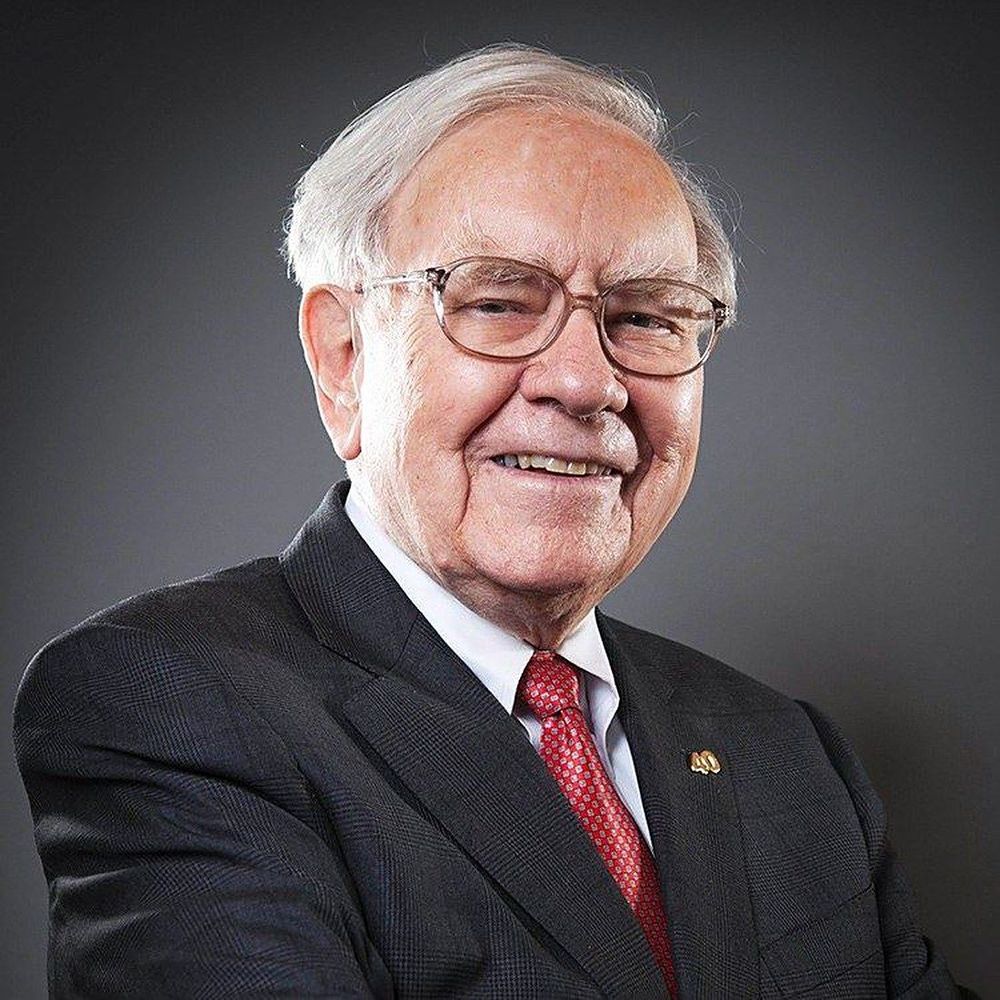
Image: QuoteNova
Why We're Inspired
Warren Buffett took control of a failing New England textile company in 1965 and built Berkshire Hathaway into one of the largest companies on earth, holding its shares for six decades and giving away tens of billions along the way as a co-founder of the Giving Pledge.
His method with hard news has never changed: say it plainly, say it yourself, and get back to work. So on April 17, 2012, at 81, he told his shareholders in a short letter that he had been diagnosed with stage I prostate cancer.
A CAT scan, a bone scan and an MRI had shown no sign of it anywhere else in his body, and he assured them the condition was, in his doctors' words as he relayed them, not remotely life-threatening.
“It's a great day for me. Today I had my 44th and last day of radiation.”
The Story
The treatment was a two-month course of daily radiation beginning that July — forty-four days of it, slotted into the working life of the world's most famous investor, restricting his travel and changing almost nothing else about his routine.
He completed the final session in September 2012, told the executives of his newspapers the news himself, and allowed himself one joke about planning to live to be the oldest man alive. There was no sabbatical and no succession drama: the letter, the radiation, the desk.
More than a decade later he remains Berkshire's chairman, his personal fortune estimated well over $100 billion. Of all the survival stories in this list, his may be the most instructive in its sheer lack of theatre — a diagnosis announced in two paragraphs, treated in forty-four days, and filed away as one more problem that had been dealt with.
Sources
Insurance Journal / Associated Press — “Berkshire's Warren Buffett Reveals Stage I Prostate Cancer Diagnosis” (shareholder letter in full)
Moneyweb — “Warren Buffett says cancer radiation treatment completed”
PropertyCasualty360 (Reuters) — “Warren Buffett Says Cancer Radiation Treatment Completed”
More from The Bourgeois Society: The full list · Jerry Jones · Carly Fiorina
Founder, Carly Fiorina Enterprises; former Chairman and CEO, Hewlett-Packard
Official links: Website · Facebook · X
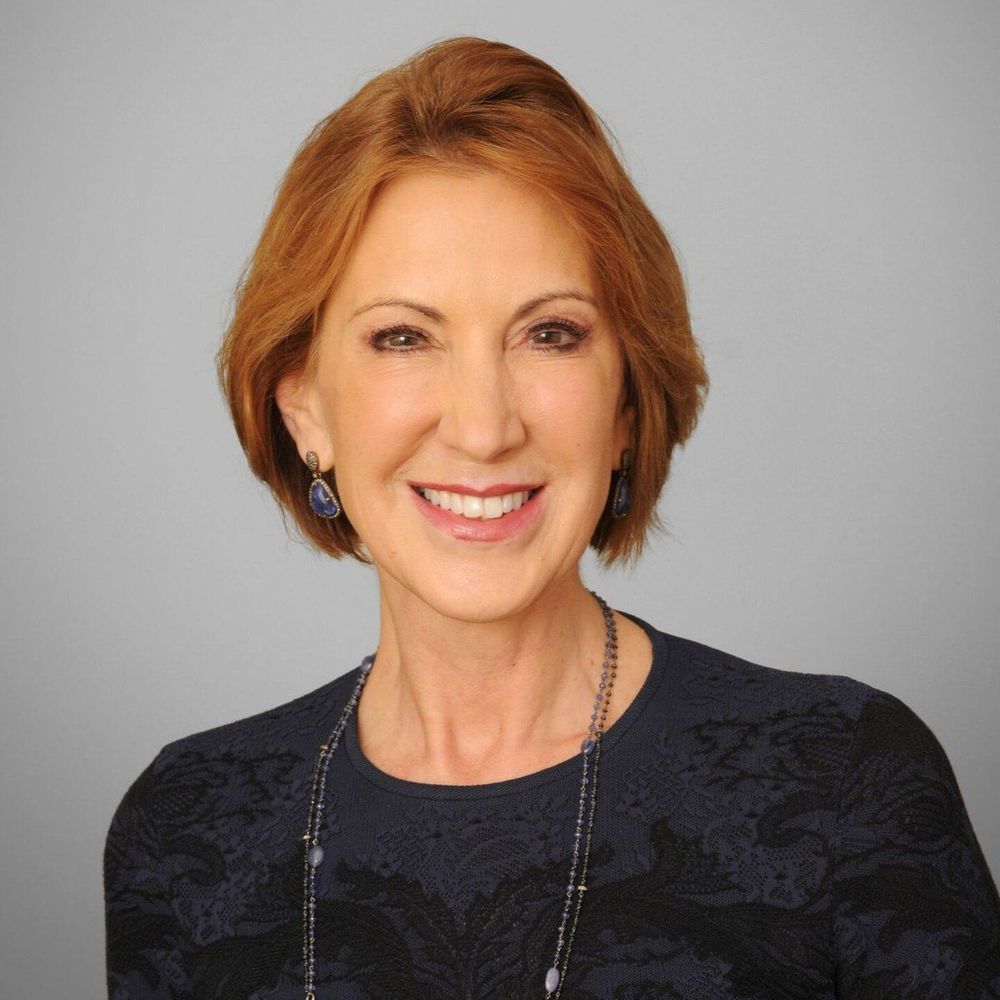
Image: WWSG (Worldwide Speakers Group)
Why We're Inspired
Carly Fiorina started her working life as a secretary and climbed, rung by rung, through AT&T and Lucent Technologies until, in 1999, she became the first woman ever to lead a Fortune 20 company, as chairman and CEO of Hewlett-Packard. In February 2009 she was diagnosed with stage II breast cancer.
That March she underwent a double mastectomy at Stanford Hospital, followed by chemotherapy and radiation — and in November of that same year, hair shorn close from nine months of treatment, she announced she was running for the United States Senate from California. Campaigning through treatment is a choice most people would call brave.
Fiorina treated it as a scheduling problem.
“I have to say, after chemotherapy, Barbara Boxer just isn't that scary anymore.”
The Story
The line — aimed at her opponent, Senator Barbara Boxer, at her campaign launch — became the signature of the race, and of Fiorina herself: cancer had recalibrated her sense of what counts as frightening.
She has since built Carly Fiorina Enterprises and chaired Good360, which moves corporate surplus goods to charities nationwide, and she speaks about the diagnosis as an important part of her journey rather than an interruption of it.
Her file in this list is the short version of a long argument she has been making her whole career: the secretary who out-worked every room she entered was never going to be stopped by the hardest room of all.
Sources
GFM Review — “Carly Fiorina's Journey from Secretary to CEO”
Seattle Pacific Magazine (Response) — “Former Downtown Business Breakfast Speaker Vies for Senate Seat” (Los Angeles Times quotation)
California Health Report — “Fiorina on health reform: repeal, then replace”
More from The Bourgeois Society: The full list · Warren Buffett · Ben Freeberg