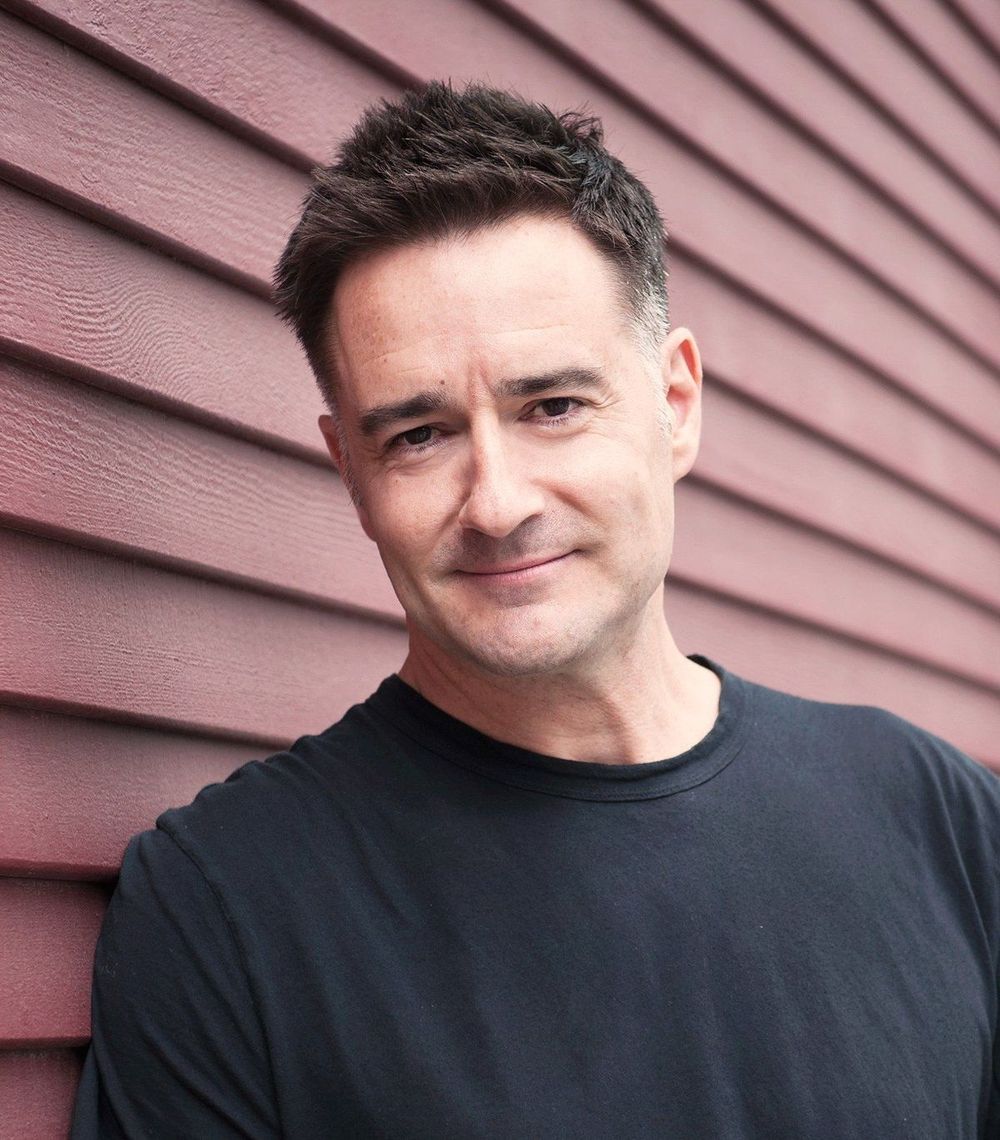
Image: Entrepreneurs' Organization — Octane Magazine
Disability Connection: The Builders Behind Brian Scudamore, Atour Eyvazian, Alvaro Silberstein and Chris George
A wheelchair user who opened the world’s trails. A refugee who started as a janitor. A dropout who fired everyone and started over. Ten founders who turned a diagnosis, an injury or a different kind of brain into the making of them.
Produced and Edited by The Bourgeois Society Staff
Part one of our two-part Disability Connection list: ten founders and owners — in accessible travel, restaurants, junk removal, mortgage, retail, construction and coaching — whose companies employ, house, feed and inspire people the world tends to overlook.
Selected on the obstacle climbed, the thing built, and the good given back — and fact-checked line by line, with sources linked under every profile.
The full list: Part 1 · Part 2
Founder and CEO, 1-800-GOT-JUNK? (O2E Brands) — Vancouver, BC
Official links: Website · LinkedIn · Facebook · Instagram · X
Image: Entrepreneurs' Organization — Octane Magazine
Why We're Inspired
Brian Scudamore struggled with reading in high school, failed a math class, and dropped out rather than retake it. He talks openly about having ADHD — he finds it hard to sit still, let alone sit with a book — and about never graduating from anything beyond kindergarten.
What he could do was spot an opportunity: waiting in a McDonald’s drive-thru in 1989, he saw a beat-up pickup advertising junk removal and thought he could do it better. He invested his $700 of life savings in a truck of his own, called the business The Rubbish Boys, and hauled junk door to door to pay for college.
The business outgrew the degree; he dropped out of university in 1993 to run it full time.
“I’m not a big reader! I have ADHD and find it hard to concentrate (or sit still!).”
The Story
The Rubbish Boys became 1-800-GOT-JUNK? — after, Scudamore likes to note, persistence won him the phone number he wanted. At $1 million in revenue in 1997 he made his most famous move: he fired his entire staff and rebuilt the company around culture, hiring only people who shared the vision. The parent company, O2E Brands, now runs three franchise systems — junk removal, WOW 1 Day Painting and Shack Shine — across Canada, the United States and Australia. Scudamore has told the whole story, failures first, in two books, WTF?! (Willing to Fail) and BYOB, and joined CBC’s Dragons’ Den as an investor — the dropout who couldn’t sit still, backing other people’s restless ideas.
Sources
Newswire — “1-800-GOT-JUNK? Turns 25”
Wikipedia — “Brian Scudamore”
The CEO Library — “Brian Scudamore Interview: Systems, People and O2E Brands”
More from The Bourgeois Society: The full list · Atour Eyvazian · Chris George
Jack in the Box’s Largest Individual Franchise Operator — Houston, TX
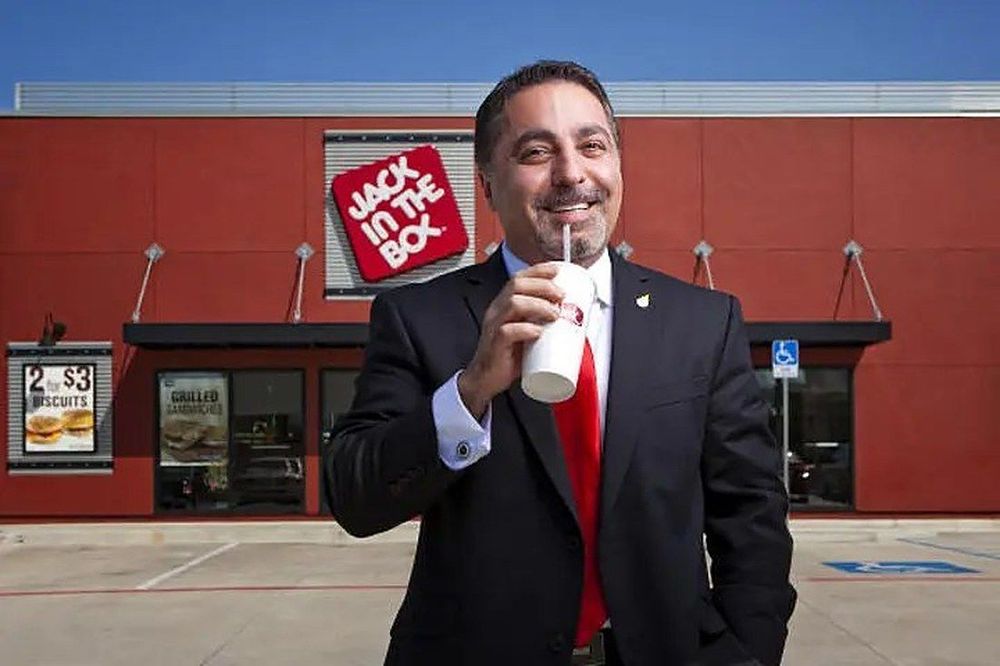
Image: Houston Chronicle
Why We're Inspired
Atour Eyvazian’s American story starts with an escape. A Christian in war-torn Iran, he fled at nineteen in 1984, crossing the mountains on foot — only to be robbed by his guides and jailed for forty days in Turkey before bribing his way out with money his mother had sewn into his jeans.
He reached Los Angeles unable to speak or read English, and took his first job as a janitor at a Jack in the Box. It was, he says, the happiest day of his life.
Within two years he was a restaurant manager; using the company’s tuition reimbursement he earned a bachelor’s degree in 1998 and an MBA in 2001, and in 2005 he became a franchisee.
“I grew up looking at life from a different angle. Everything we do, every line of work, is about serving people in some capacity, about adding value to somebody’s life. At the end of the day it is all about what you do for other people.”
The Story
Eyvazian went on to become Jack in the Box’s largest individual operator — 107 restaurants in the Houston and San Antonio area, with wider operating partnerships reported at some 220 locations.
The industry noticed the arc: he received the National Restaurant Association’s first-ever American Dream Award, was named national franchisee of the year, and chaired H.E.A.R.T., a Houston nonprofit that assists adults with learning disabilities — spending his influence, as he has spent his career, on people the world tends to overlook.
Sources
QSR Magazine — “Quick Service: Home of the American Dream”
Franchising.com — “A Life of Service: From Refugee to JIB’s Largest Franchisee”
National Restaurant Association — “Texas Restaurateur Atour Eyvazian Named Association’s Convention Chair”
More from The Bourgeois Society: The full list · Alvaro Silberstein · Brian Scudamore
Co-founder and CEO, Wheel the World — Berkeley, CA
Official links: Website · LinkedIn · Instagram
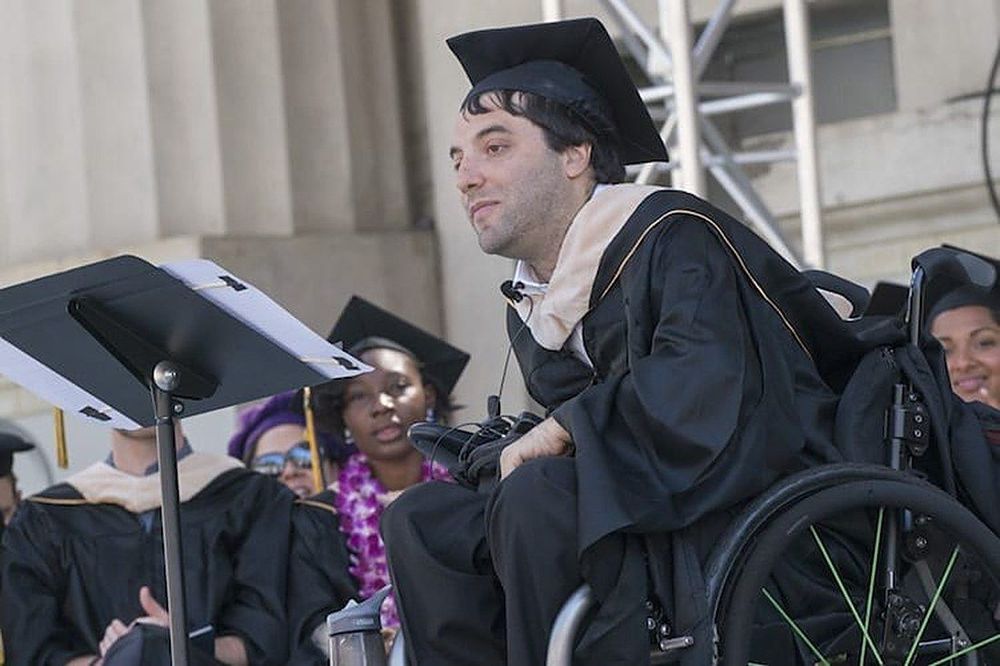
Image: UC Berkeley Haas Newsroom
Why We're Inspired
Alvaro Silberstein was eighteen when a car accident left him paralyzed from the chest down — and, many assumed, grounded for good. He refused the verdict.
An engineer who loved the outdoors, he set his sights on a trek no wheelchair user had ever completed: the W Trek in Torres del Paine National Park in Patagonian Chile, more than seventy kilometres of rock, wind and unpaved trail.
With his friend Camilo Navarro and a one-wheeled all-terrain chair called a Joëlette — steadied by a team of helpers — he completed the full trek, becoming the first wheelchair user to do it. Along the way he earned an MBA at UC Berkeley, and the question that followed him home became a company.
“The desire to discover the world does not disappear when a body changes.”
The Story
Silberstein and Navarro launched Wheel the World in 2018, and the trek became its proof of concept: hundreds of travelers with disabilities wrote in wanting the same trip.
The platform now lets travelers book hotels, experiences, transportation and multiday trips matched to their individual accessibility needs, and its Accessibility Verified program works with hotels, destinations and tour operators to verify and publish real accessibility information.
A short film about the Patagonia trek, Adventure Is for All, won first place in its adventure-film contest — fitting for a founder whose company began with the belief that a filmed story could open a trail. Wheel the World has raised $10 million to keep opening them.
Sources
Atlanta Journal-Constitution via Beineinu — “They All Started Companies, Some From Wheelchairs”
AFAR — “What Trekking in Patagonia in a Wheelchair Taught Me”
Cascada Travel — “Wheel the World Makes History in Patagonia”
More from The Bourgeois Society: The full list · Wayde Elliott · Atour Eyvazian
Founder, President and CEO, CMG Financial — San Ramon, CA
Official links: Website

Image: Newswire / CMG Financial
Why We're Inspired
Chris George nearly flunked out of high school while his five siblings excelled, and a guidance counselor gave him his career advice: look for work fixing small engines. School was not built for him. But George had a slight hearing problem, and it taught him the skill the mortgage business runs on — he became a really good listener.
At nineteen he went to work for a finance company and discovered he could sell; what he could not stomach was the cookie-cutter way customers were treated, turned down for loans because they somehow didn’t fit the mold.
“You might say the mortgage industry found me, and I felt a gravitational pull.”
The Story
In 1993, at thirty-one, George started CMG Financial in his garage with seven employees, on one premise: no two customers are the same, and there must be more ways than one to make a loan work.
Three decades on, CMG is a privately held national lender operating in all fifty states and ranked among the country’s top twenty, and George has led the industry that once would have filed him away — he chaired the California Mortgage Bankers Association and served as chairman of the national Mortgage Bankers Association, testifying before Congress on the business he was told he wasn’t cut out for.
Sources
RISMedia — “CMG Financial: Humanizing the Mortgage Loan Experience”
RISMedia — Chris George / CMG Financial profile
MBA NewsLink — “MBA Chairman: Time for Industry to Go on Technology Offense”
More from The Bourgeois Society: The full list · Brian Scudamore · Christy Foster
Co-founder and Managing Director, Online4baby — Oldham, UK
Official links: Website
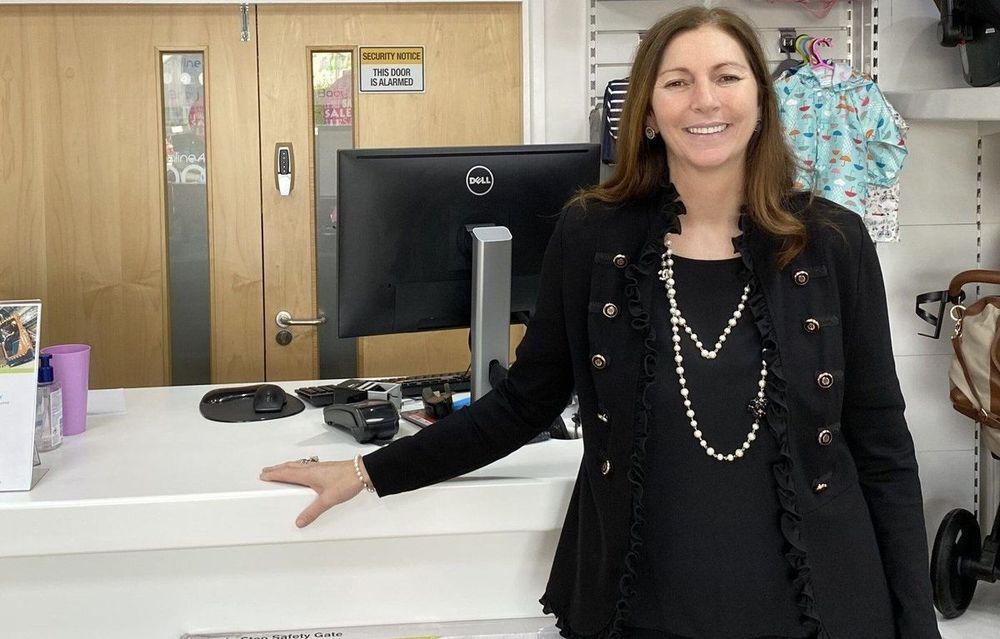
Image: Nursery Today
Why We're Inspired
Christy Foster was raised in Oldham by a single mother, and she was working a market stall before and after school by the age of twelve — walking to school to save the bus fare.
School itself never worked for her: she has ADHD, dyslexia and autism, couldn’t read at school, and left without a single qualification, in a family where five relatives went to Oxbridge. What she had instead was a buyer’s eye and a work ethic forged on that stall.
With her sister Cheryl she built a baby-products business from those market roots — first on eBay, where it became one of the largest baby stores in Europe, then as Online4baby.
“I couldn’t read at school and didn’t get one qualification.”
The Story
Online4baby — since renamed The Nursery Store — grew into a £44 million-turnover business with £4 million EBITDA and thirty-six staff, built with zero investment, no discounts, no vouchers and no debt, and nearly forty percent of it now its own brands.
Foster, who calls herself ‘the Bundle Queen,’ was a regional winner and national finalist in EY Entrepreneur of the Year and won Oldham Business of the Year.
She is just as deliberate about people as about margins: half her board is female, working parents get flexible hours and longer breaks, and her stated mission is giving people a fair chance at success regardless of gender, ethnicity, sexuality or background — the fair chance school never gave her.
Sources
BusinessCloud — “ADHD, Dyslexia and Autism Won’t Stop Me Building £100m Business”
BusinessCloud — “‘Us Women Need to Help Each Other’”
Nursery Today — “Online4baby Boss Christy Foster Shortlisted for Business Accolade”
More from The Bourgeois Society: The full list · Chris George · Isaac Lidsky
CEO, ODC Construction; Author of Eyes Wide Open — Orlando, FL
Official links: Website · Facebook · X
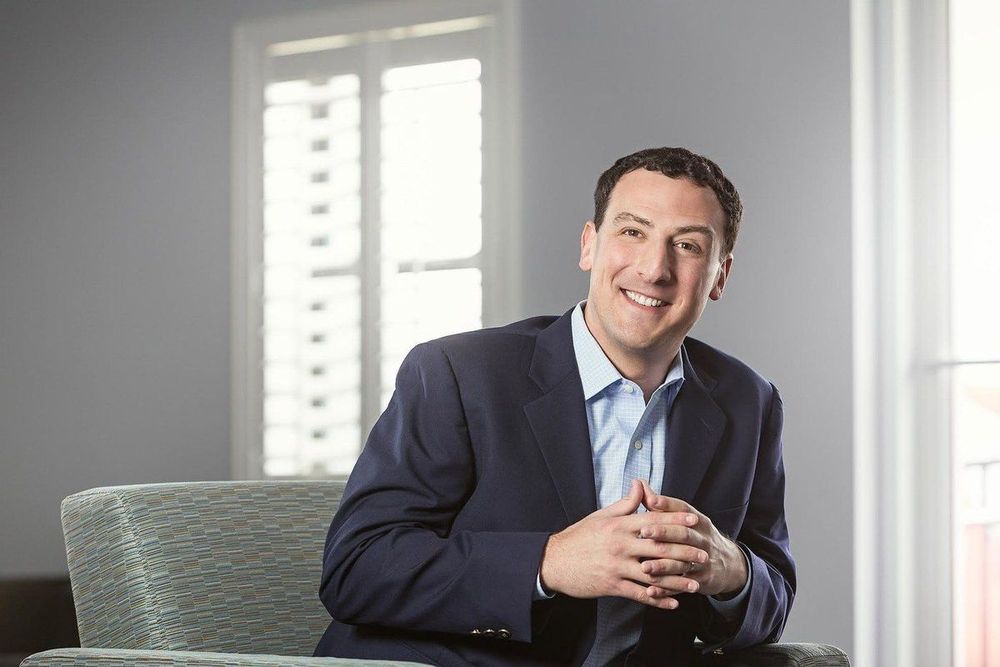
Image: Lessons From A Quitter podcast
Why We're Inspired
Isaac Lidsky was a child actor — a diaper commercial at six months old, more than a hundred commercials after that, and at thirteen a starring role as Weasel on Saved by the Bell: The New Class. That same year, 1993, he was diagnosed with retinitis pigmentosa, a degenerative disease that would take his sight entirely by about age twenty-five.
He thought it was the end of everything. Instead he graduated from Harvard at nineteen with honors in mathematics and computer science, went back for Harvard Law and graduated magna cum laude, and became the first blind person ever to clerk at the U.S. Supreme Court — for Justices Sandra Day O’Connor and Ruth Bader Ginsburg.
“When I was diagnosed with my blinding disease, I knew blindness would ruin my life. Blindness was a death sentence for my independence. It was the end of achievement for me… This was a fiction born of my fears, but I believed it.”
The Story
Law gave way to business: Lidsky co-founded an internet technology company that was later acquired for $230 million, then bought a struggling Florida concrete subcontractor with a college friend and rebuilt it as ODC Construction — now Florida’s largest residential shell contractor, grown from roughly $11 million to roughly $150 million in revenue in five years.
His book Eyes Wide Open and his TED talk carry the thesis his life proves: that blindness did not narrow his vision — confronting it is what taught him to see. As he tells audiences, losing his sight gave him the vision to take responsibility for his reality and thrive.
Sources
Penguin Random House — “Isaac Lidsky” (author page)
Wikipedia — “Isaac Lidsky”
Aish — “When Isaac Lidsky Went Blind”
More from The Bourgeois Society: The full list · Christy Foster · John Cronin
Co-founder, John’s Crazy Socks — Melville, NY
Official links: Website · Instagram · Facebook
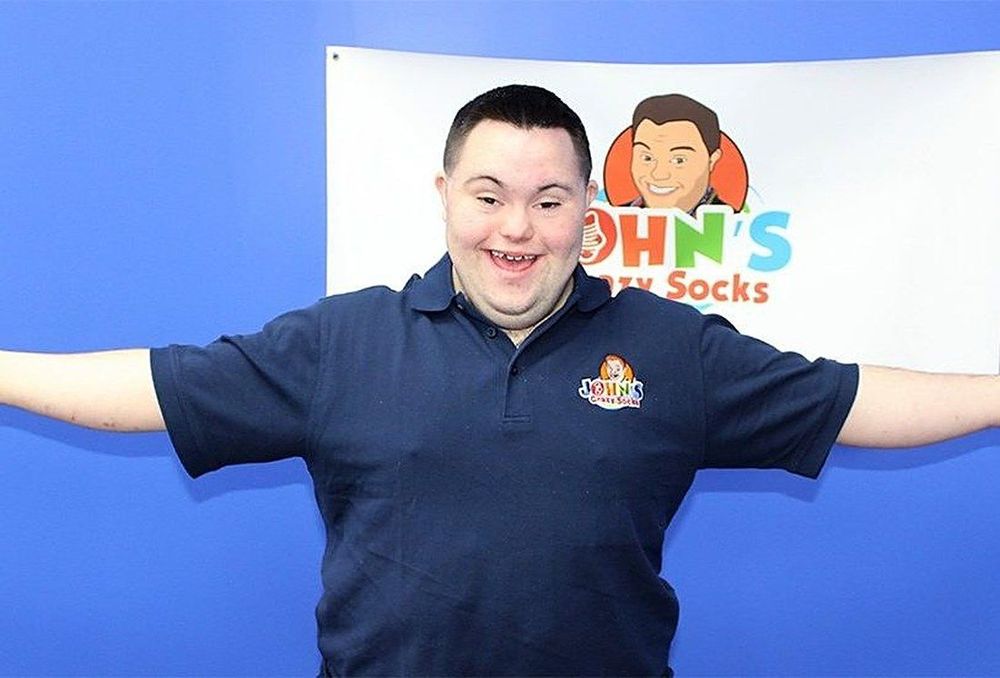
Image: Glen Cove Parade
Why We're Inspired
John Cronin had worn crazy socks his whole life — fun, colorful, creative socks, as he puts it, that let him be himself. When he finished school and went looking for work he wanted, the options for a young man with Down syndrome were thin.
A food-truck idea fell through — the Cronins cheerfully admit they can’t cook — so John pitched his father, Mark, on the obvious thing: a store selling the socks he loved. They launched John’s Crazy Socks online in 2016, and in the first month shipped 452 orders and earned more than $13,000.
“They are fun, colorful and creative. They let me be me.”
The Story
The store became a social enterprise with a mission to spread happiness — and a proof of concept for inclusive employment: more than half of its colleagues have differing abilities, it donates five percent of earnings to Special Olympics, and it has given more than $800,000 to charity partners.
John became the first person with Down syndrome to win EY Entrepreneur of the Year in New York, has spoken at the United Nations and testified before Congress, and the company he co-founded — which calls itself the world’s largest sock store — has now shipped more than half a million packages and opened its first brick-and-mortar store.
His title may be the best in American business: Chief Happiness Officer.
Sources
The Mighty — “John Cronin / John’s Crazy Socks”
People — “Business Owner with Down Syndrome Expresses ‘Gratitude’ as He Celebrates First Retail Store Opening”
Wikipedia — “John Lee Cronin”
More from The Bourgeois Society: The full list · Isaac Lidsky · Mark Wafer
Owner, Megleen Inc. (Tim Hortons Franchises) — Toronto, Ontario
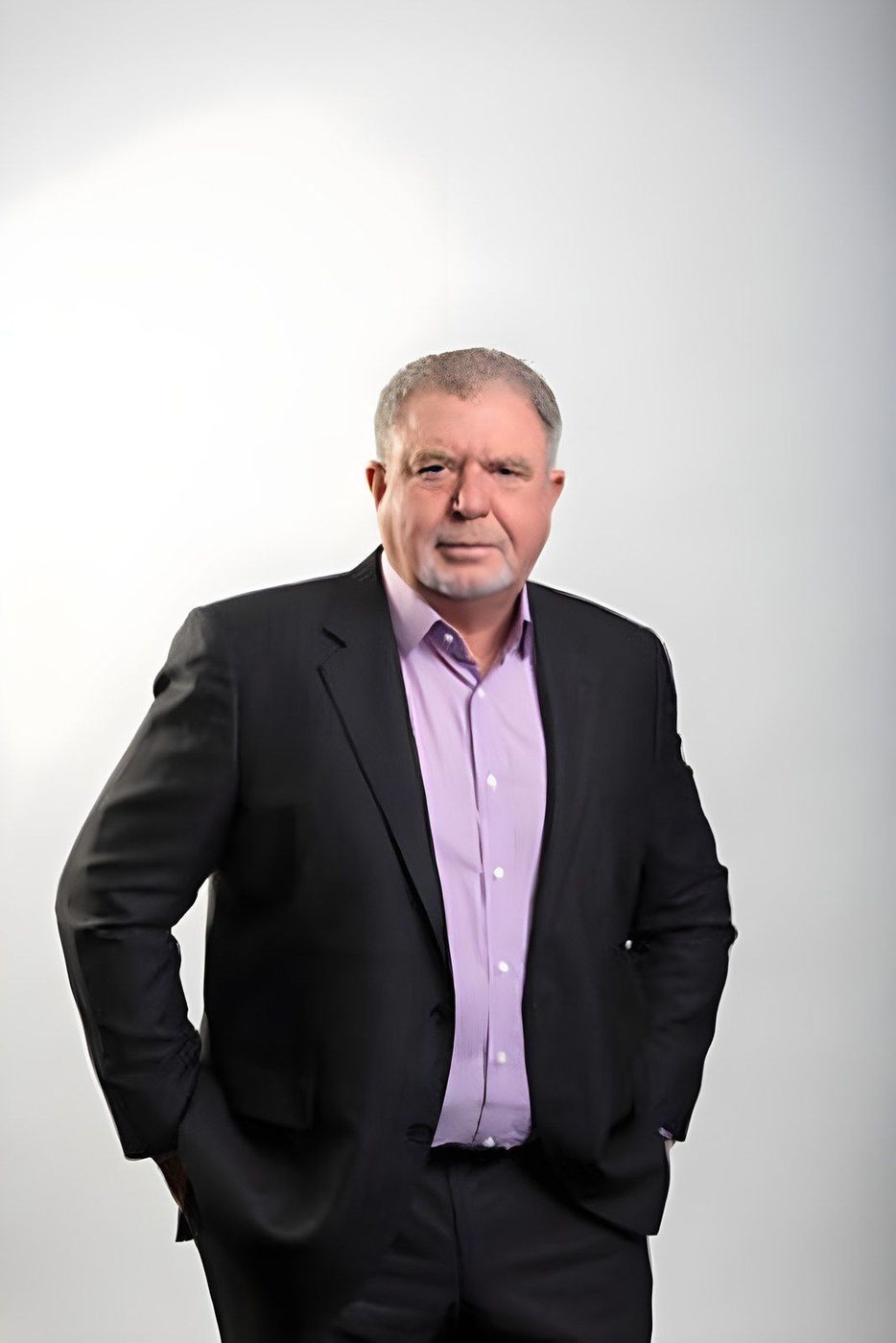
Image: CNW Group / Restaurants Canada
Why We're Inspired
Mark Wafer was born deaf, with roughly twenty percent hearing, navigating a hearing world by lip-reading. He understood employment barriers from the inside — and when he built his own business, fourteen Tim Hortons restaurants in Toronto through Megleen Inc., he decided to dismantle them.
From day one he hired people with disabilities in meaningful, competitively paid jobs: deaf, blind, autistic, Down syndrome, mental-health and physical disabilities, in every position in the company up to management. Over his years as an owner he employed more than two hundred people with disabilities, and he kept the receipts that changed other employers’ minds.
“There’s not a disability I haven’t hired and there’s not a position in my business that has not had somebody with a disability working in it.”
The Story
The business case turned out to be the easy part: employees with disabilities at Wafer’s stores averaged seven years of tenure against an industry average of 1.3, with lower absenteeism, a better safety record and turnover less than half his competitors’.
Wafer took that case on the road — co-founding Canadian Business SenseAbility, helping end sheltered workshops in Ontario, and raising some $100 million across the disability and nonprofit sector. He was inducted into the Canadian Disability Hall of Fame, and after retiring from the restaurants he became a full-time advocate, chairing Canadian Hearing Services.
His method has a name he teaches everywhere: A.T.P. — Ask The Person.
Sources
Foodservice and Hospitality — “Champion of Change: Mark Wafer Talks Canadian Disability Stats and the Business Case for Inclusive Employment”
Supported Employment Canada — “Harnessing the Power of a Diverse Workforce”
DiscoverAbility Network — “Giving Companies the Edge”
More from The Bourgeois Society: The full list · John Cronin · Myron Golden
Business Growth Consultant & Bestselling Author — Tampa, FL
Official links: Website · Facebook · Instagram · X
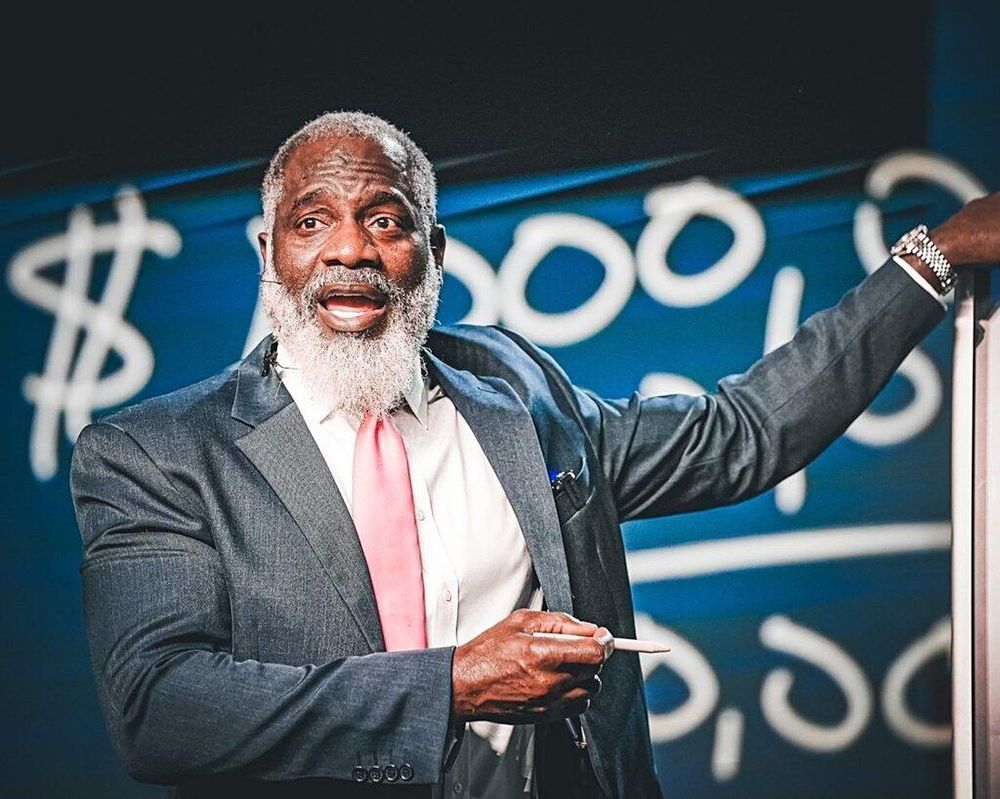
Image: BinaryTides
Why We're Inspired
Myron Golden was born in 1961 in a segregated hospital in Tampa, Florida, one of seven brothers in a hardworking, poor family. As an infant he contracted polio — attributed in his biographies to poor sanitation — and he has worn a metal brace on his left leg ever since; surgery at thirteen improved his walking but never removed the brace.
A boy who couldn’t run earned a black belt in martial arts anyway. As a married young father he drove a trash truck for $6.25 an hour, then started selling insurance and investments in 1985 and was, by his own cheerful admission, so bad at it that he made no sale for eighteen months.
He mastered the craft instead, built a coaching business on biblical principles of wealth, and turned his own route into a bestselling book whose title tells the whole story: From the Trash Man to the Cash Man.
“I was a trash man. I was making $6.25 an hour. It’s the first job that I got after I got married.”
The Story
Today Golden teaches entrepreneurs to build wealth with skills they already have — through his books From the Trash Man to the Cash Man and B.O.S.S. Moves, his Make More Offers Challenge from Tampa, sold-out masterminds and live events, and a large YouTube audience.
His Skillionaire Enterprises made the Inc. 5000 list, and he launched the Bible Success Academy to teach biblical principles for business and life. His message, delivered as coach and pastor alike, is that anyone can rise from anywhere — a polio brace and a garbage route included.
Sources
BinaryTides — “Myron Golden: American Business Growth Consultant and Author”
Making Bank (Podbean) — “The Ultimate Guide to Sales and Persuasion with Guest Myron Golden”
The Comeback Game (Listen Notes) — “How to Live Your Purpose & Attract Your Desired Success with the ‘Trash Man to Cash Man’, Myron Golden”
More from The Bourgeois Society: The full list · Mark Wafer · Naveen Vinta
Owner, Bailey Specialty Cranes & Aerials — Muskego, WI
Official links: Website

Image: Bailey Cranes
Why We're Inspired
Naveen Vinta’s road to owning an American manufacturer ran through three countries and a tank. He came to the United States in 2005 for graduate school, then joined the U.S. Army as a tank mechanic through the MAVNI program — service that left him injured and service-disabled.
After IT consulting work and an MBA from Darden, he went looking for a small manufacturer lagging in technology that his consulting background could modernize, and found Bailey Specialty Cranes & Aerials outside Milwaukee, a maker of lifts and booms for sensitive environments.
In August 2024 he bought it for $6.5 million, nearly maxing out the $5 million available from the SBA, with the business earning in the high six figures.
The Story
The catch is geography: Vinta lives in Northern Virginia with his wife and two kids, and flies in to Wisconsin every week to run the company he owns.
He has already cut the days away from home from five a week to four, and is aiming for three — but he is candid that the sacrifice is real, and that a new owner has to be in the business.
An immigrant who served the country that took him in, was injured doing it, and then bet his family’s future on American manufacturing: the commute is simply what ownership costs, and he pays it gladly.
Sources
Acquiring Minds — “A $6.5m Business Worth Flying To”
GovTribe — Federal Solicitation FA857125Q0084 (Vinta Holdings LLC dba Bailey Specialty Cranes & Aerials LLC)
More from The Bourgeois Society: The full list · Myron Golden · Romesh Wadhwani