Image: MotorCities National Heritage Area
Black Men: The Builders Behind John A. James, John Beckwith Jr., John W. Rogers Jr. and Larry Brinker Jr.
The trucker who took the federal government to the Supreme Court. The Tuskegee Airman’s son who got stocks instead of toys. Twelve more owners who refused to wait to be chosen.
Produced and Edited by The Bourgeois Society Staff
Part two of our three-part Black Men list: twelve founders and second-generation stewards who turned family names, hard trades and long odds into institutions.
Selected on the obstacle climbed, the thing built, and the good given back — and fact-checked line by line, with sources linked under every profile.
The full list: Part 1 · Part 2 · Part 3
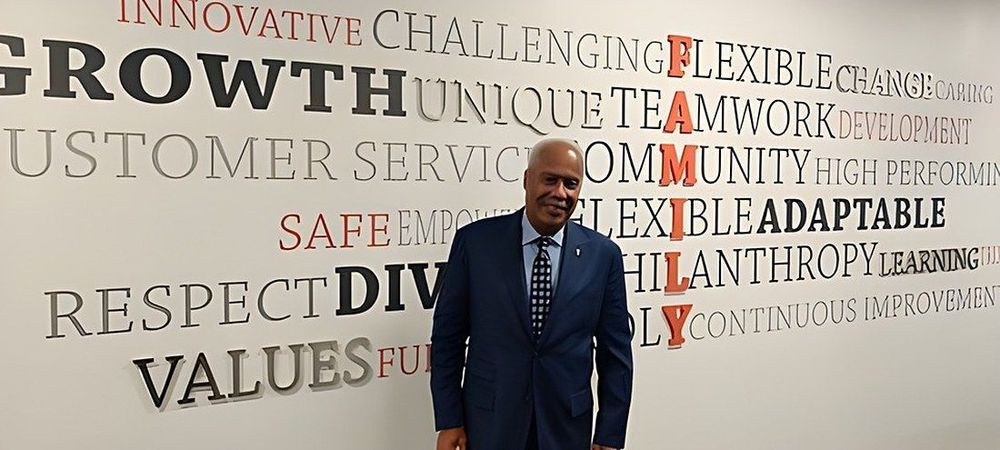
Founder & Chairman, James Group International — Detroit, MI
Image: MotorCities National Heritage Area
Why We're Inspired
John A. James was born in Starkville, Mississippi, the middle of nine children, in a hometown whose university did not admit Black students until 1965. He served as an Army Corps of Engineers officer in Vietnam and was decorated with the Bronze Star.
Back home in Detroit, he set out to haul freight in an industry whose federal rules, dating to 1935, had effectively locked Black truckers out.
In 1971 he co-founded O-J Transport with Calvin Outlaw and fought for operating authority all the way to the U.S. Supreme Court, becoming the first African American granted broad trucking authority nationally since federal regulation began — and, in the process, easing the burden for every minority operator who followed.
The ventures he started that year grew into James Group International, a global supply-chain and logistics family business headquartered in Detroit.
The Story
James built the company as a family enterprise — his children Lorron and John E. James later led it, and his daughter Keri runs the John A. James Foundation — and he made a habit of sharing his hard-won knowledge with other minority entrepreneurs trying to enter a highly competitive business.
James Group’s own account of his legacy stresses engagement in underserved communities, supporting families, disadvantaged youth and minority-, women- and veteran-owned businesses. In September 2024, the industry he had to sue his way into gave him its highest honour: induction into the Automotive Hall of Fame.
Sources
MotorCities National Heritage Area — “EXTRA: John A. James: A Giant in Transportation & Logistics”
James Group International — “Mr. James Inducted into the Automotive Hall of Fame”
Federal Reserve Bank of Chicago — “John A. James” (bio)
More from The Bourgeois Society: The full list · Jimmy Akintonde · John Beckwith Jr.
Owner and CEO, Golden Gate Funeral Home — Dallas, TX
Official links: Website
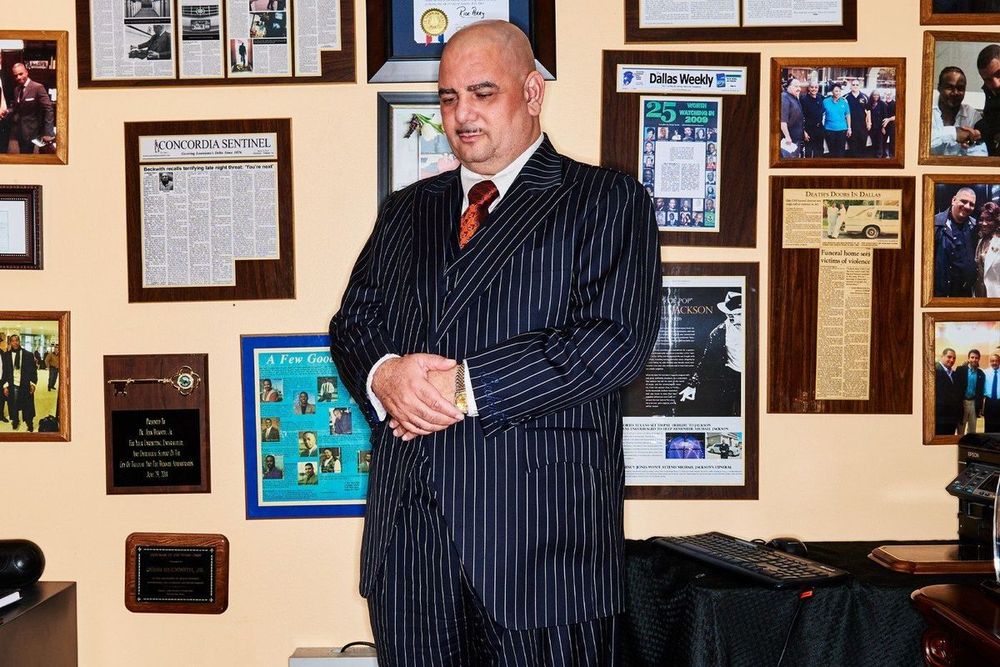
Image: D Magazine
Why We're Inspired
John Beckwith Jr. decided early that his destiny was to provide families with quality, affordable funeral services. He learned the trade working for other Texas funeral homes, and in 1980 he opened the first Golden Gate Funeral Home in Waxahachie, Texas.
He later expanded the business, building the massive Golden Gate complex on S.R.L. Thornton Freeway just south of downtown Dallas. Beckwith’s insight — one he credits to his father — was that families who celebrate a loved one’s life accept loss better than those who only mourn it. So Golden Gate became famous for ’homegoings’: joyful, theatrical, deeply personal celebrations.
Most of the more than 3,000 funerals the Dallas complex handles each year are somber and traditional, but roughly 100 a year are the elaborate ’special homegoings’ — a casket sent down a bowling lane, a Christmas funeral with live reindeer — that made Golden Gate a national phenomenon.
"I always imagined we would take it to the next level."
The Story
That phenomenon got its own television show: TLC’s Best Funeral Ever, which ran for two seasons beginning in 2013 with Beckwith — ’Mr. B,’ also an ordained minister — as its star and narrator, training professional mourners and staging homegoings built around each family’s story. TLC came to him, he says, based on his reputation.
Off camera, his quieter legacy is the practice Golden Gate adopted in the mid-1980s: pre-arranged services families can pay for ahead of time, which Beckwith says gives families peace and comfort when the hardest day comes, instead of guesswork and grief-driven decisions.
Sources
Connecting Directors — “Ask The Undertaker: A chat With The Man Responsible for TLC’s ‘Best Funeral Ever’”
SevenPonds — “Would You Watch This Reality Show?” (profile of Best Funeral Ever and Golden Gate)
More from The Bourgeois Society: The full list · John A. James · John W. Rogers Jr.
Founder, Chairman & Co-CEO, Ariel Investments — Chicago, IL
Official links: Website
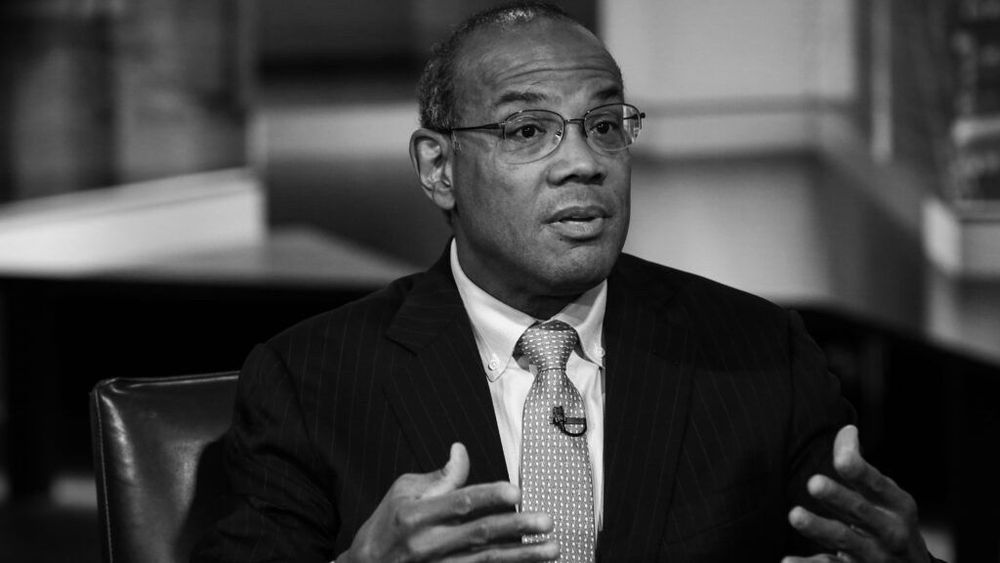
Image: Ariel Investments
Why We're Inspired
John W. Rogers Jr. comes from barrier-breakers: his father was a Tuskegee Airman who became a Cook County judge, and his mother, Jewel Stradford Lafontant, was the first Black woman to graduate from the University of Chicago Law School, in 1946.
From age twelve, his father gave him stocks instead of toys for birthdays and Christmas — envelopes of blue-chip shares whose dividend checks taught him patience.
He captained Princeton’s basketball team, worked as a stockbroker at William Blair, and three years out of Princeton, at just 24, founded Ariel Investments in Chicago in 1983 with money raised from family and friends.
Ariel became the first Black-owned mutual fund company in the country, built on a tortoise’s philosophy — slow and steady, active patience — that still defines the firm today.
"I made the leap because I had an investment strategy and philosophy that I really believed in and that I thought would make money for my clients"
The Story
Rogers now serves as Ariel’s chairman and co-CEO alongside Mellody Hobson, and the firm manages roughly $15–16 billion. In 2023 Ariel Alternatives closed Project Black at $1.45 billion, one of the largest first-time private-equity funds ever, to build minority-owned businesses of scale that can supply the Fortune 500.
Rogers serves on the boards of McDonald’s, Nike and the New York Times Company and on the Barack Obama Foundation board, and he spends personal time mentoring young people in finance — arguing, in John Lewis’s spirit, that leaders in boardrooms have to speak up and make good trouble if anything is going to change.
Sources
Black Enterprise — “Slow, Steady, & Progressive: Investment Icon John W. Rogers Jr Develops First Black-Owned Mutual Fund”
University of Chicago News — “John W. Rogers Jr. discusses the importance of socially responsible business practices”
Princeton University (Thrive) — “John W. Rogers Jr. ’80”
More from The Bourgeois Society: The full list · John Beckwith Jr. · Larry Brinker Jr.
President and CEO, SHRM (Society for Human Resource Management) — Alexandria, VA
Official links: Website · LinkedIn
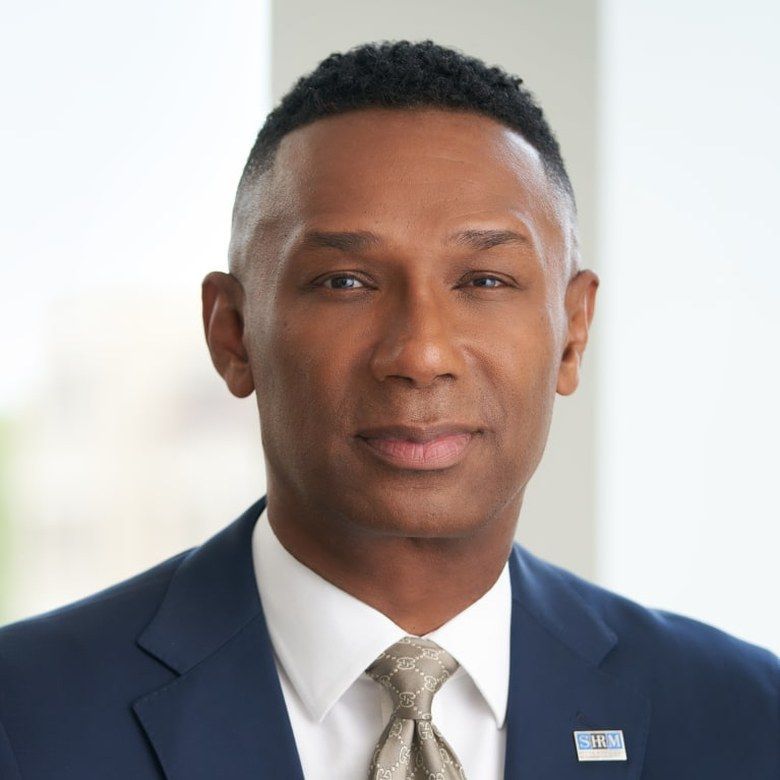
Image: SHRM
Why We’re Inspired
Johnny C. Taylor Jr. runs the largest human-resources professional association on earth. As President and CEO of SHRM since 2017, he leads nearly 340,000 members in 180 countries — a community whose daily work touches more than 362 million workers and their families.
He came to the corner office through the law: a bachelor’s degree from the University of Miami and both a master’s and a law degree from Drake University, licensed to practise in Florida, Illinois and Washington, D.C., and elected a Fellow of the National Academy of Human Resources.
Across more than twenty years he held senior and chief-executive roles at IAC/InteractiveCorp, Viacom’s Paramount Pictures, Blockbuster Entertainment Group, the McGuireWoods law firm and Compass Group USA — learning the workplace from both sides of the negotiating table.
Before SHRM, he was President and CEO of the Thurgood Marshall College Fund, the organization that represents the nation’s 47 publicly supported historically Black colleges and universities, where he raised its visibility and revenue and expanded scholarships and advocacy.
"Make constant reset your friend."
The Story
His book RESET: A Leader’s Guide to Work in an Age of Upheaval, published in September 2021, became a national bestseller — landing in the top three of The Wall Street Journal’s hardcover business list on release — and he gave every dollar of his author proceeds to the SHRM Foundation. His weekly USA Today column answers working people’s questions about bosses, burnout and getting ahead.
Washington keeps calling: he chaired the President’s Advisory Board on Historically Black Colleges and Universities, served on the White House American Workforce Policy Advisory Board, and is frequently asked to testify before Congress on workforce issues. He sits on the corporate boards of XPO, Flores HR and Guild Education, is a trustee of the University of Miami and a governor of the American Red Cross. The Academy of Management named him its Distinguished Executive of the Year in 2020, and CEO Update named him Professional Society CEO of the Year in 2021.
Sources
SHRM — "Johnny C. Taylor, Jr." (official biography)
U.S. Equal Employment Opportunity Commission — "Johnny C. Taylor" (bio)
SHRM — "RESET, New Book by SHRM’s Johnny C. Taylor, Jr., Now Available"
Wikipedia — "Johnny C. Taylor Jr."
More from The Bourgeois Society: The full list · John W. Rogers Jr. · Lawrence Carpenter
Founder and CEO, SuperClean Professional Janitorial Services — Durham, NC
Official links: Website
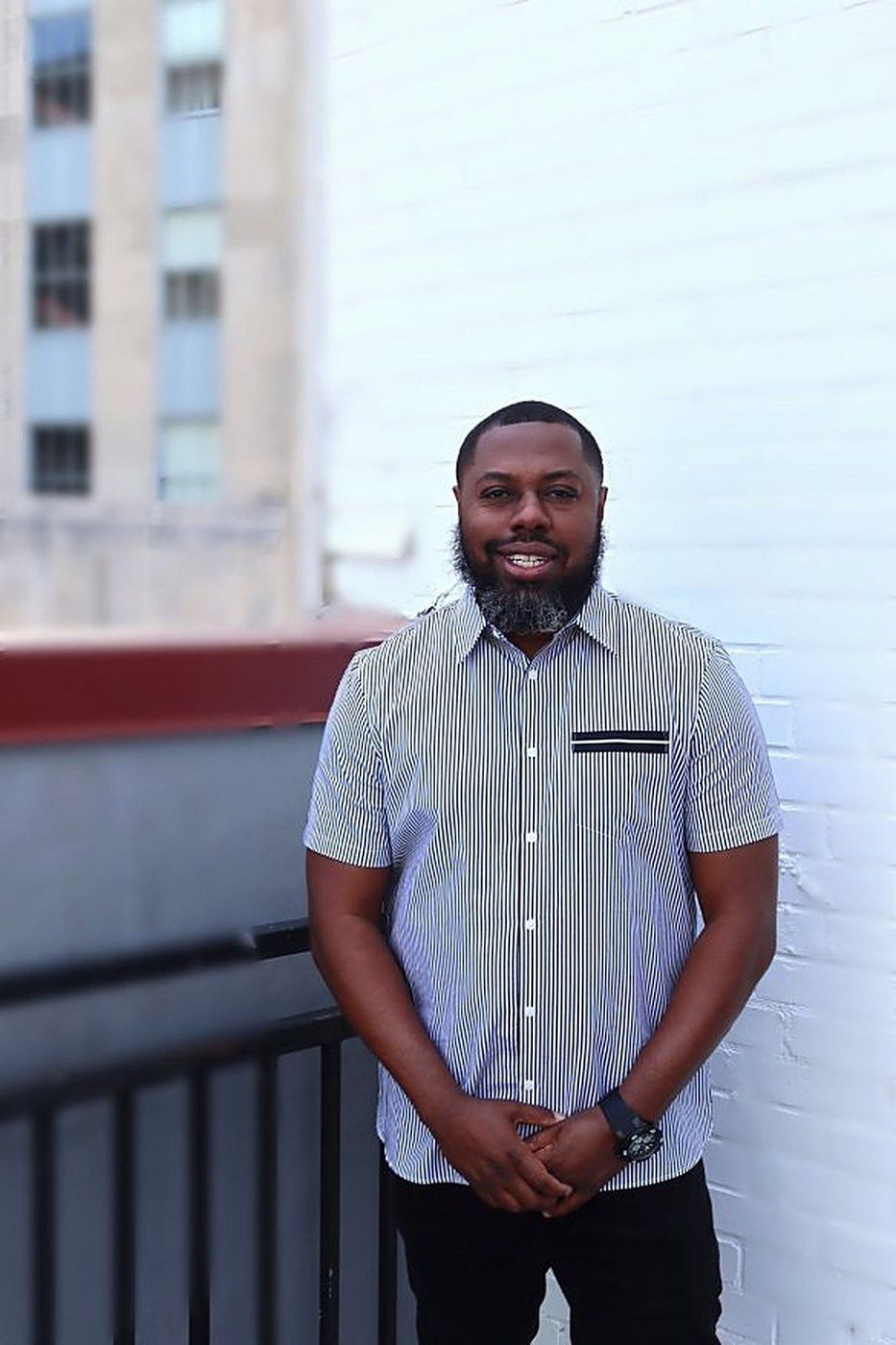
Image: The Knockturnal
Why We're Inspired
Lawrence Carpenter grew up in one of Durham, North Carolina’s poorest and roughest neighborhoods, raised largely by his grandmother while his mother struggled with addiction and his father spent time behind bars.
He was selling drugs by age 11 — ’Selling drugs was all I knew,’ he says — and at 17 he was convicted and sentenced to six years in prison. Released with, in his words, no reform and no hope, he went back to the streets.
His second sentence, 11 months, was the one that changed him: this time he was a husband and a father who could not be there for his wife and daughter.
When he came home in 2001, determined to earn a living legitimately despite a record that made jobs scarce, he started SuperClean with $400, a Geo Metro and dollar-store supplies, and built that one-man operation into SuperClean Professional Janitorial Services — today a multimillion-dollar commercial cleaning firm with more than 60 employees working across Virginia, North Carolina and South Carolina.
He also co-founded ZBS Trucking Co.
"I had created so much damage in the community in the past, I just had to give back."
The Story
Carpenter is blunt about why he gives back: ’I had created so much damage in the community in the past, I just had to give back.’
Since 2009 he has served as an instructor and speaker with Inmates to Entrepreneurs, the nonprofit founded by Brian Hamilton to help people with criminal records start their own businesses, and Black Enterprise profiled him as its board chairman in its 2019 Success Beyond Bars series.
He teaches business fundamentals to returning citizens — carrying a message of hope from someone who has lived both sides of the bars.
Sources
Black Enterprise — “Success Beyond Bars: Lawrence Carpenter Applies Entrepreneurship To Transform Lives of Formerly Incarcerated”
Brian Hamilton Foundation — “Inmates to Entrepreneurs: Lawrence Carpenter”
More from The Bourgeois Society: The full list · Larry Brinker Jr. · Leon C. Richardson
Founder, President and CEO, Chemico Group — Southfield, MI
Official links: Website
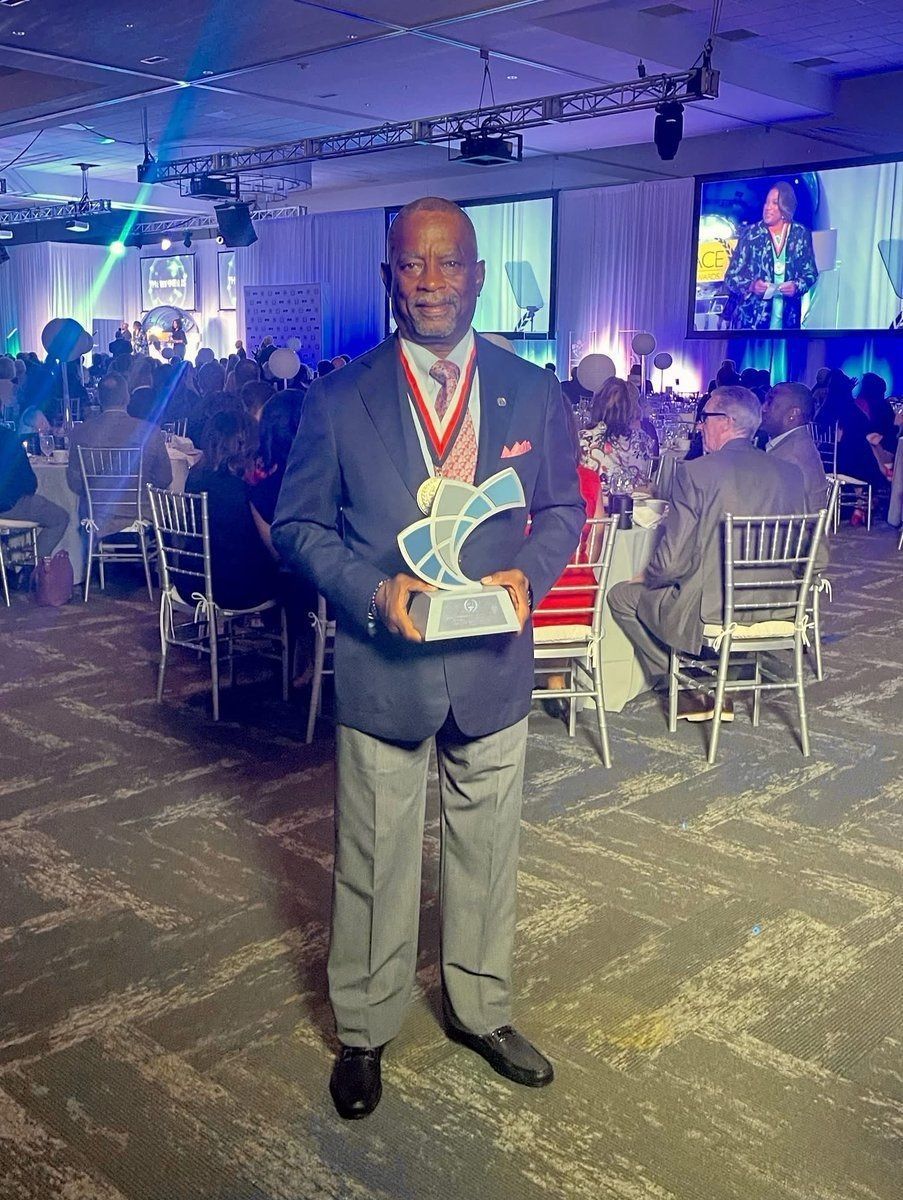
Image: The Chemico Group (official X/Twitter account)
Why We're Inspired
Leon Richardson’s business education started early — helping run his family’s convenience store at 13 — and was forged in uniform. He enlisted in the U.S. Marine Corps in 1979 and served eight years as a non-commissioned officer, effectively running Marine Corps Exchange retail stores across the United States and Asia, learning merchandising, teams and customers from the inside.
Coming home to Michigan, he started over at the bottom of a new industry: lab technician, learning organic chemistry from experienced chemists and engineers, then production, learning chemical manufacturing, then sales — where he became one of his company’s leading salesmen. On September 13, 1989, he put it all together and founded Chemico Systems in Southfield, Michigan.
The company he built, now the Chemico Group, grew into one of the largest minority-owned chemical management companies in the United States, managing the full chemical lifecycle — ordering, application, storage and disposal — for manufacturers.
"To me, success is achieving the goals that you set out to accomplish – as a company we have exceeded those goals, and plan to create new ones for success in the next 25 years to come."
The Story
Chemico’s growth tells the story: revenue climbed from $25 million in 2010 to $108 million at ChemicoMays, Black Enterprise named it the 2014 Industrial/Service Company of the Year, and the firm has operated 50-plus locations, with GM a client since the beginning.
Richardson now returns the favor to Michigan’s economy: he sits on the Michigan Strategic Fund board, joined the investment committee of Grow Michigan II — a fund he once used as a borrower to grow Chemico — and in 2025 joined the board of Global Net Lease.
Sources
Black Enterprise (via The Free Library) — “The formula for growth: through a mixture of vision and partnerships, Leon Richardson has ChemicoMays in expansion mode”
PRWeb — “Chemico Celebrates 25 Years of Business, Fifth Consecutive GM SOY Award”
Michigan Economic Development Corporation — “Leon Richardson, Michigan Strategic Fund board bio”
More from The Bourgeois Society: The full list · Lawrence Carpenter · Mamon Powers Jr.
Chairman & CEO, Powers & Sons Construction — Gary, IN
Official links: Website
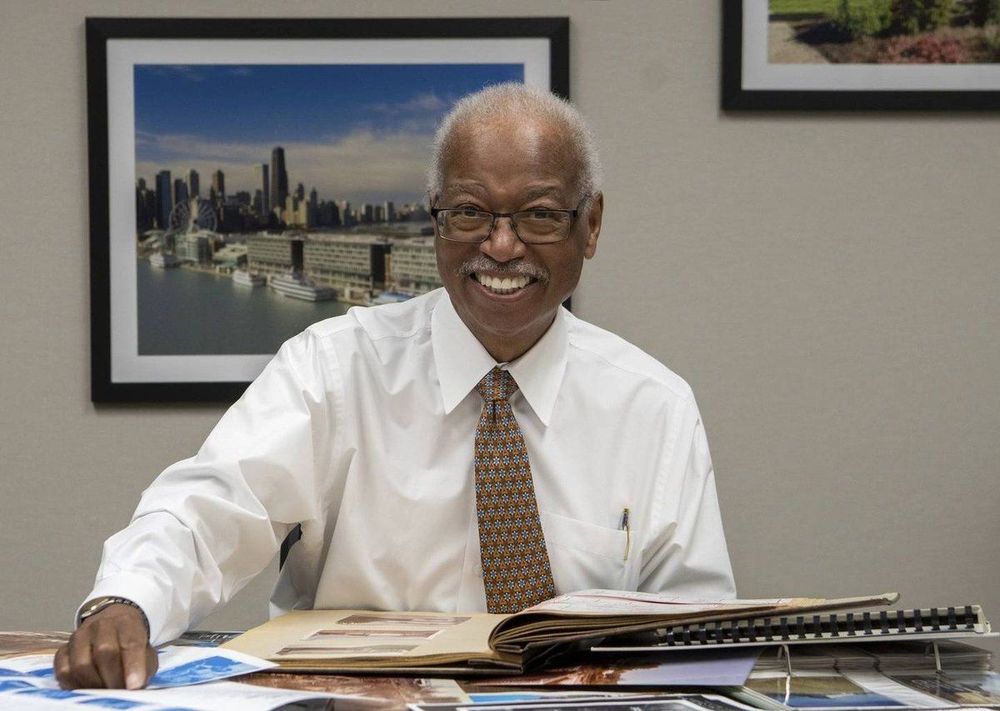
Image: Andy Lavalley / Chicago Tribune, via Lakeside Alliance
Why We're Inspired
Mamon Powers Jr. learned construction at his father’s side — laying out a garage foundation with the Pythagorean theorem as a teenager, running his own carpentry crew by fifteen.
His father, Mamon Powers Sr., had come north in the Great Migration, been shut out of Gary’s steel-mill union by racial barriers, and founded Powers & Sons in Gary in 1967, becoming one of the city’s first Black union contractors.
The son earned a civil engineering degree from Purdue in 1970 and took the family firm from homebuilding into commercial, industrial and institutional work across Gary, Chicago and Indianapolis. But he chafed at a system that expected Black contractors to bid against each other for subcontractor scraps.
His answer, decades later, would change who leads: Black firms first, choosing their own majority partner.
"I grew tired of the expectation that Black contractors could only serve as subcontractors, period."
The Story
That answer became Lakeside Alliance.
Powers conceived the idea while Barack Obama was still president: four Black-owned firms — Powers & Sons, Brown & Momen, UJAMAA and Safeway — came together first, then selected Turner Construction to join them, and won the job of building the Obama Presidential Center on Chicago’s South Side, with a mission to build wealth and careers in underinvested communities.
His family’s philosophy, handed down from his grandmother, is ‘lift as you climb.’
Sources
Lakeside Alliance — “Mamon Powers Jr. Reflects on the Journey to Lakeside Alliance”
Lakeside Alliance / Chicago Tribune — “Obama Presidential Center makes progress in building talent pipeline from South and West Side, report shows”
More from The Bourgeois Society: The full list · Leon C. Richardson · Michael B. Russell Sr.
CEO, H.J. Russell & Company — Atlanta, GA
Official links: Website · LinkedIn
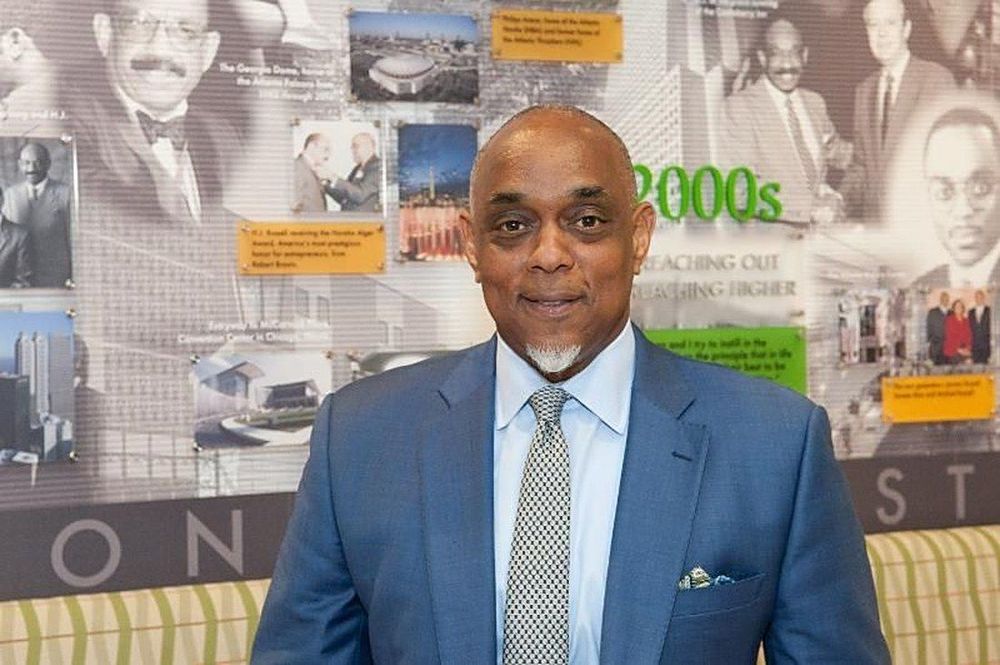
Image: Black Enterprise
Why We're Inspired
Michael B. Russell Sr. is a second-generation builder who earned the corner office the slow way. His father, Herman J. Russell, founded H.J. Russell & Company in Jim Crow Atlanta in 1952 and became one of the city’s great Black businessmen, quietly helping to fund the civil-rights movement along the way.
Michael worked for an architecture firm, then spent years inside the family company in roles from cost estimator and project manager to business developer and division vice president, learning every corner of the business before succeeding his father as CEO in 2003.
The firm he inherited helped build modern Atlanta — Mercedes-Benz Stadium, State Farm Arena, the National Museum of African American History and Culture in Washington — and ranks regularly among the nation’s largest Black-owned businesses.
"We believe as that market continues to grow, it will be a real accelerant for H.J. Russell in our growth."
The Story
Russell is now steering the firm toward what he calls its ‘North Star’: $1 billion in revenue by late 2029, up from about $300 million today, powered largely by mission-critical work — data centres and other facilities for Fortune 100 clients, a market supercharged by AI.
His family’s institution-building extends past construction: the Russell Innovation Center for Entrepreneurs supports Black founders in Atlanta, and a 2025 documentary tells his father’s story on screen. Russell frames the company’s motto, ‘We Build,’ as building community as much as structures — growing people and giving back wherever the firm works.
Sources
Black Enterprise — “Black-Owned Construction Firm Has North Star Strategy To Hit $1B In Revenue By 2029”
H.J. Russell & Company — “History”
More from The Bourgeois Society: The full list · Mamon Powers Jr. · Nosa Ehimwenman
Founder, President and CEO, Bowa Construction — Chicago, IL
Official links: Website
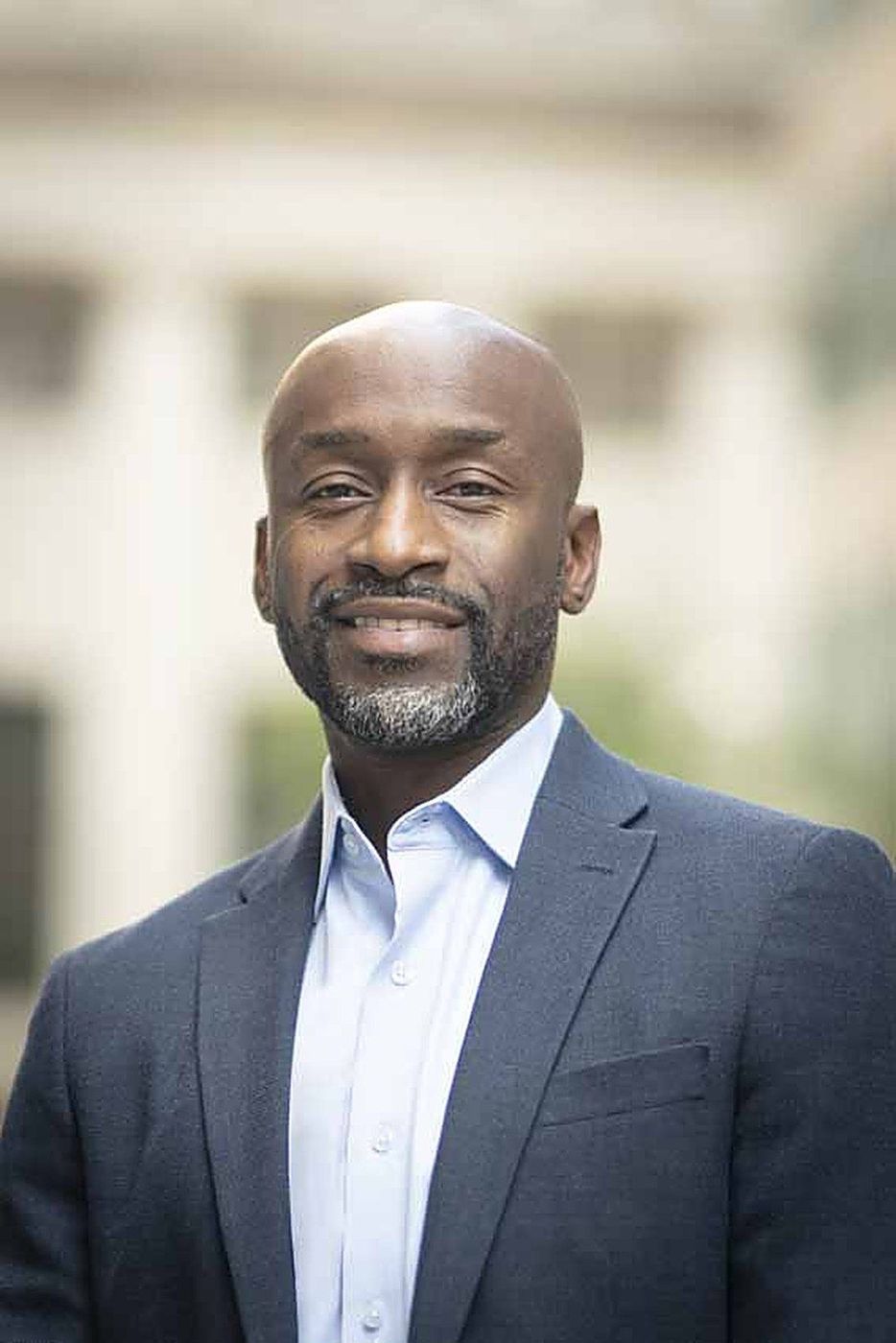
Image: Bowa Construction (official company site)
Why We're Inspired
Nosa Ehimwenman learned construction the way his father did it — with his hands. Born in Nigeria and brought to the United States at age six, he spent his high school years working as a laborer and carpenter alongside his father on properties across Chicago, and the work stuck.
At Ohio State University he was an All-American, full-scholarship track and field athlete — a Big Ten champion in the triple jump with an Olympic B qualification — and he carried that discipline into the industry, spending ten years at Gilbane Building Company, where he became one of its youngest senior managers, and earning an MBA from Purdue.
In July 2013 he left Gilbane’s Special Projects Group to build his own firm, Bowa Construction, headquartered at 71st and Stony Island on Chicago’s South Side. Bowa grew from three people to more than 100 employees across six cities, completing 300-plus projects in healthcare, aviation, education and beyond.
"We knew President Obama and his commitment to, not only his roots, where he started in Chicago but his passion for the city and his passion for this country. We found ourselves in a place where we knew we had an opportunity to put together a team and lead it, as an African American firm."
The Story
Bowa was built on civic engagement — the idea that a company should do more than perform projects in a community. That philosophy reached its biggest stage at the Obama Presidential Center, where Bowa serves as lead contractor for Home Court, the center’s 45,000-square-foot athletic and events facility.
Bowa also co-led 900 West Randolph, the 43-story Fulton Market tower that was Chicago’s first high-rise co-led by a Black minority-owned firm. Named repeatedly to Crain’s Chicago Business Who’s Who, Ehimwenman carries a simple message to young Chicagoans: someone who looks like them is building this city.
Sources
Citizen Newspaper Group — “African American Owned Bowa Construction Leading Home Court Project”
The Bowa Group — “Nosa C. Ehimwenman – President & CEO” (official bio)
Bowa Construction — “Nosa Ehimwenman Recognized in Crain’s Chicago Business listing of 2024 Who’s Who in Chicago Business”
More from The Bourgeois Society: The full list · Michael B. Russell Sr. · Oscar Horton
Chairman and CEO, Sun State International Trucks — Tampa, FL
Official links: Website
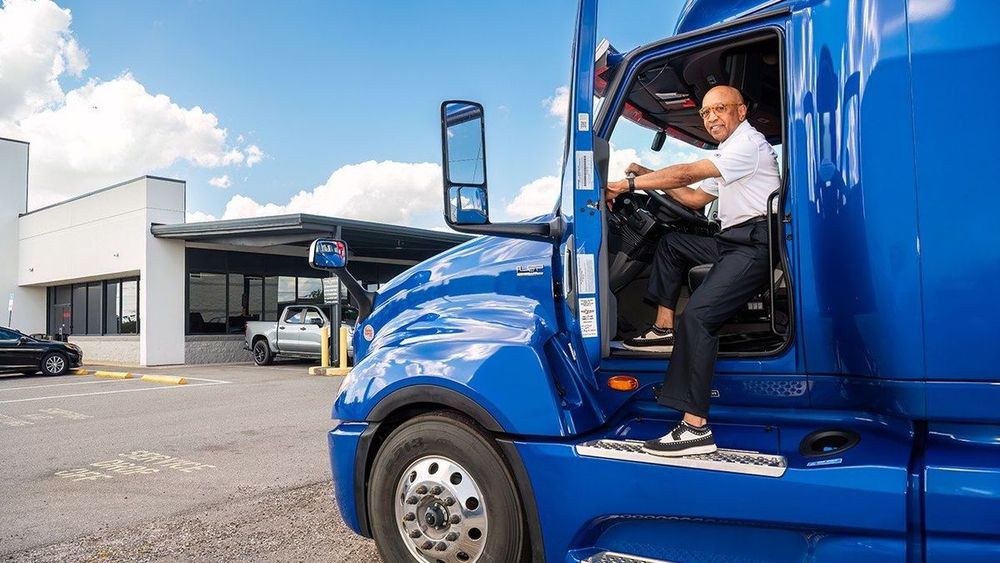
Image: Tampa Bay Business & Wealth
Why We're Inspired
Oscar Horton grew up in Camden, Arkansas, in a segregated small town near Hope, around his father’s enterprises — Horton recalls that his father never drew a W-2, yet always provided. His own first ambition was modest: graduate high school and get a job at the local lumber mill.
Instead, after graduating from the University of Arkansas at Little Rock in 1974, he joined International Harvester as a management trainee and rose all the way to vice president and general manager of International’s foundry business by 1995 — a comfortable, safe seat.
In 2000 he bet on himself, acquiring Sun State International Trucks in Tampa: a struggling dealership doing about $30 million in revenue and losing close to a million dollars a year.
He turned it around on culture, ethics and financial transparency, growing revenue more than 400 percent — on track to reach $250 million — across six Florida locations with more than 250 employees, and setting a public goal of $400 million by 2027.
"A bad culture will eat a good strategy for breakfast every day."
The Story
Horton was named the American Truck Dealers’ 2020 Truck Dealer of the Year and inducted into the Tampa Bay Business Hall of Fame. Inside Sun State, every employee, after 90 days, gets a full day of financial-literacy training, and Horton helped Hillsborough Community College launch a diesel technician program in 2018.
In the community he has championed Academy Prep, a school for underprivileged youth, for over 18 years, and in November 2024 the Horton Family Foundation pledged $1 million to the University of South Florida’s on-campus stadium. His two daughters work in the business he is determined to keep Black-owned and in the family.
Sources
Tampa Bay Business & Wealth — “Tampa Business Icon: The Life and Legacy of Oscar Horton”
FleetOwner — “Horton wins 2020 truck dealer of year award”
More from The Bourgeois Society: The full list · Nosa Ehimwenman · Rodney Herenton
Co-Founder and Co-CEO, Channing Capital Management — Chicago, IL
Official links: Website
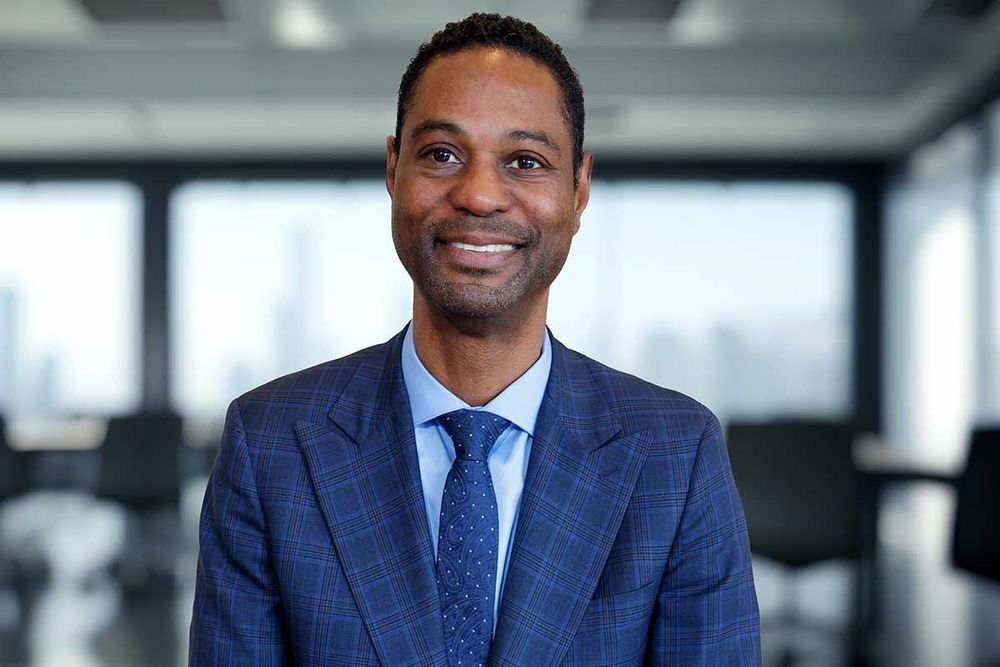
Image: Channing Capital Management
Why We're Inspired
Rodney Herenton had the Wall Street résumé most people would have settled for.
A Memphis native, he graduated from Morehouse College (Phi Beta Kappa), earned an MBA from Harvard Business School, and held roles in Lehman Brothers’ corporate finance department and Bear Stearns’ investment banking department before becoming first vice-president of the Private Fund Group at Morgan Keegan, where he co-headed the consumer products group and worked on IPOs for family-owned businesses.
In 2003 he walked away from that seat to build his own table: with Wendell Mackey, he launched Chicago-based Channing Capital Management with $70 million in seed assets from Regions Morgan Keegan.
The bet was on a research-intensive, ’intrinsic value’ approach to small- and mid-cap investing — and on ownership itself, building a Black-owned boutique in one of the most competitive, volatile industries in American finance.
"From the day we launched, we were determined to build a firm focused on delivering exceptional value to our clients through a strategy grounded in intrinsic value investing."
The Story
Twenty years on, Channing has grown from that $70 million seed to roughly $4 billion in assets under management — Herenton cites about $4.2 billion — surviving the global financial crisis and COVID, and still compounding through every market cycle since.
Herenton also carries the wealth-creation message publicly: in February 2024 he was a featured panelist at Miami-Dade County’s ’A Conversation About Wealth Creation’ forum, billed as part of a new generation of investment leaders building wealth and power for the community.
Sources
Black Enterprise — “Black Firm Aims To Add $1B In Managed Assets With ‘Intrinsic Value Investing’ Approach”
Channing Capital Management — “One Shared Vision, Two Decades, and Infinite Wisdom” (firm history)
Miami-Dade County — “Rodney B. Herenton announced as panelist for ‘A Conversation About Wealth Creation’”
More from The Bourgeois Society: The full list · Oscar Horton · Ronald E. Hall Jr.
President and CEO, Bridgewater Interiors — Detroit, MI
Official links: Website
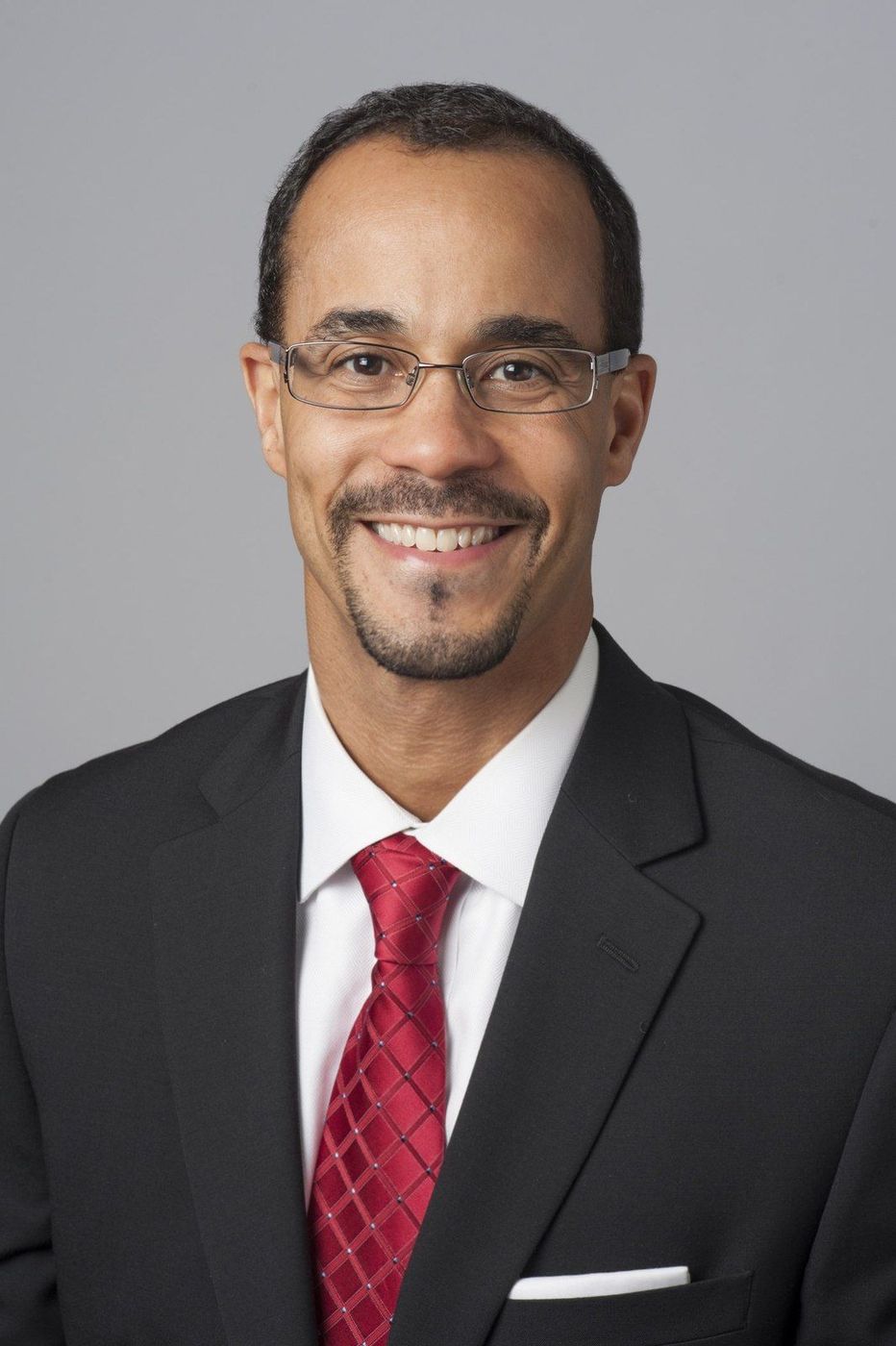
Image: Adient
Why We're Inspired
Ronald E. Hall Jr. took an unusual road to the factory floor. A graduate of the U.S. Military Academy at West Point, he served on active duty in the U.S. Army, attained the rank of captain, and was decorated for meritorious service in the Persian Gulf War.
He then earned a law degree from the University of Michigan Law School and practiced corporate law. In 2007 he joined Bridgewater Interiors, the Detroit automotive seating manufacturer his father, Ron Hall Sr., had founded as a joint venture in 1998, and worked his way through roles of increasing responsibility. In 2015 he succeeded his father as president and CEO.
The company he inherited was itself a landmark: born of the auto industry’s supplier-diversity movement, Bridgewater built a 125,000-square-foot plant in Detroit’s Empowerment Zone — the first new manufacturing facility built in the city in decades — and staffed it largely with workers who had no automotive industry experience, then trained them to build some of the most sophisticated seating systems in the industry.
"We have to meet higher benchmarks on their performance scorecards to be eligible for new business."
The Story
Today Bridgewater is a roughly $2 billion enterprise — ranked by Crain’s Detroit Business as Detroit’s second-largest minority-owned business — employing more than 2,100 people at four U.S. facilities and winning J.D. Power seat-quality awards for the Honda Pilot and Ram 1500.
Hall gives his time the same way he runs the company: boards including The Skillman Foundation, the Detroit Regional Chamber, the Federal Reserve Bank of Chicago’s Detroit Branch and Corewell Health, and recognition as the Michigan Manufacturers Association’s 2023 Manufacturing Emerging Leader.
Sources
Chief Executive — “Quality Is A People Thing At Bridgewater Interiors”
The Skillman Foundation — “Ron Hall, Jr.” (trustee bio)
Detroit Regional Chamber — “Ron Hall Bio”
More from The Bourgeois Society: The full list · Rodney Herenton · Tim Harris
President & CEO, BRINKER Group — Detroit, MI
Official links: Website · LinkedIn · Instagram
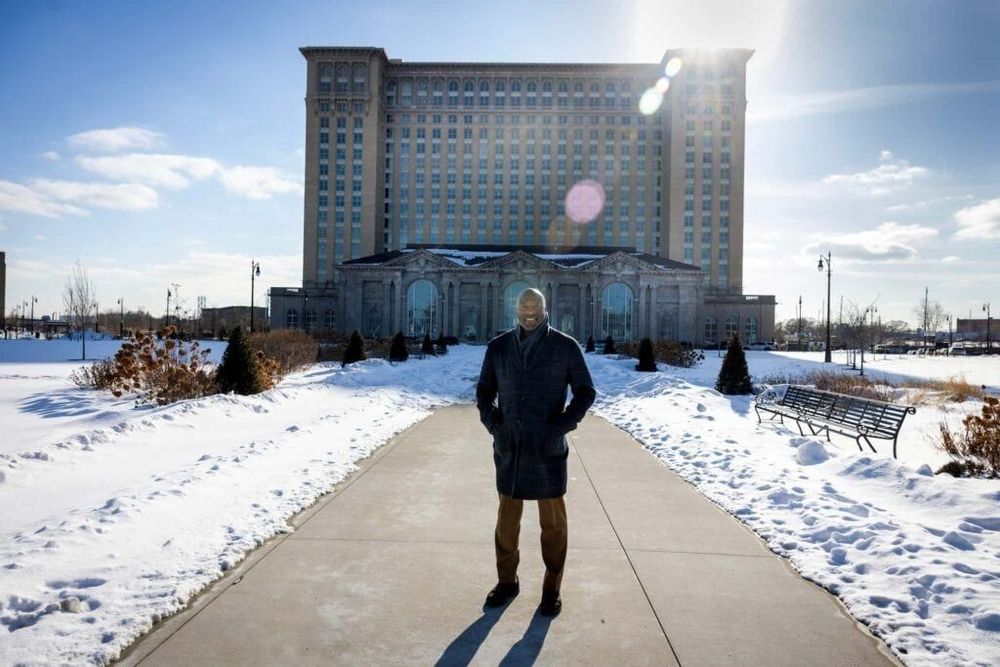
Image: University of Michigan Engineering News (story and photos by Michigan Engineering)
Why We're Inspired
Larry Brinker Jr. grew up on job sites in Pontiac, hauling materials and doing the tasks nobody else wanted, in a blue-collar family whose grandparents had migrated from Tupelo, Mississippi, for factory work. His father, Larry Brinker Sr., a carpenter, founded the family firm in 1989 as a small Pontiac construction business.
The son earned a civil engineering degree at the University of Michigan, then insisted on starting at the bottom of his father’s company — project engineer, estimating, field supervision, project management — before taking the top job.
Under his leadership the company grew by about 350 percent, and father and son became, as the roster notes, the first father-son duo each named to Crain’s 40 Under 40. Today BRINKER is described by the University of Michigan as the nation’s largest Black-owned construction contractor.
"To see them being reimagined and renovated was incredibly meaningful for me and our company"
The Story
Drive through Detroit with Brinker and you pass his life’s work: Ford Field, Comerica Park, Little Caesars Arena, the Book Tower, the Motown Museum expansion — by his estimate, BRINKER has had a hand in more than 90 percent of the city’s major redevelopment projects, over $4.5 billion of work across 38 years.
The signature job was co-leading the $1 billion restoration of Michigan Central Station, pumping 2.5 million gallons of water from its basement and 3D-printing its lost stone details back to life.
His stated mission runs beyond landmarks: paving the way for smaller diverse firms to stand on their own — and, lately, coming home to build in Pontiac, the city that gave his family its start.
Sources
University of Michigan Engineering News — “Restoring Michigan Central and many other high-profile Detroit landmarks: Larry Brinker Jr.”
Oakland County Blog — “Brinker: Building Where It All Began”
More from The Bourgeois Society: The full list · John W. Rogers Jr. · Lawrence Carpenter