
Photograph: Splitshire
Food Owners: The Builders Behind Jenn Saesue, José Andrés and John Gelastopoulos
Part 2 of the Food Owners list: a Thai restaurateur who delegates her way to the top, Dave Thomas’s protégé, and the broker who bought the café he was hired to sell.
Produced and Edited by The Bourgeois Society Staff
Part 2 is the operators’ chapter: the immigrant kids who grew up between two countries and built Thai dining rooms New York queues for, a fourteen-year-old on his own who became Dave Thomas’s protégé and then Bojangles’ chairman, a broker who maxed out his credit cards overnight to buy the café he was meant to sell, a seven-year-old paleta seller who slept in his own shop, a Skid Row survivor who turned juice into a second life, and a widow who took her husband’s billion-dollar chair and finished his story on her own terms.
Then the portfolio builders: a banker’s twenty Wingstops, a family’s $1.2 billion tortilla company, a refugee’s salad empire bought out of bankruptcy, and the engineer who wrote Panda Express’s operating system.
Selected on the obstacle climbed, the thing built, and the good given back — and fact-checked line by line, with sources linked under every profile.
The full list: Part 1 · Part 2 · Part 3
Founder, José Andrés Group; Founder, World Central Kitchen — Washington, DC
Official links: Website · Facebook · Instagram · X
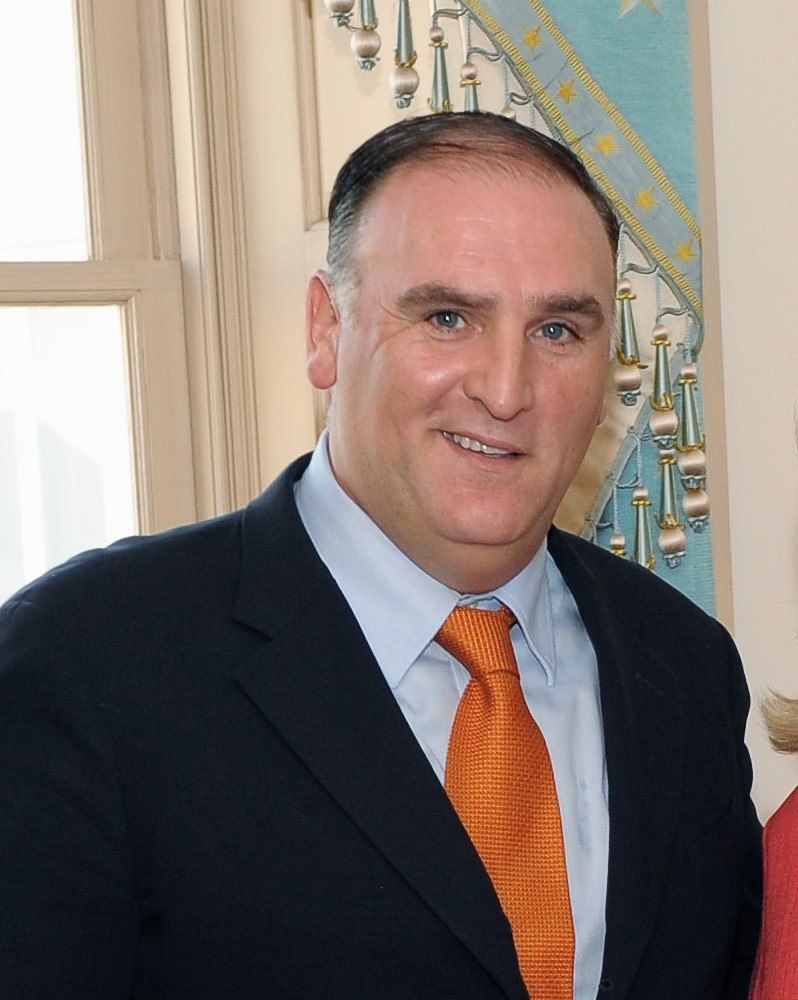
Image: U.S. Department of State, via Wikimedia Commons
Why We’re Inspired
We’re inspired because José Andrés treats a plate of food as the fastest form of respect. When a crisis hits, his teams don’t hold a meeting — they find a kitchen and start cooking.
He built a restaurant empire the slow way, plate by plate, and then built something rarer: an organization of chefs who fly toward the disasters everyone else is flying away from.
“I’m very humbled to receive this award, to make sure that I will give voice to those who are voiceless. I will try to make sure that we bring hope, one plate of food at a time.”
The Story
Andrés arrived in the United States from Spain at 21 with $50 in his pocket and a set of chef’s knives, and worked his way up from a line job. His José Andrés Group now operates about 40 restaurants in the U.S. and beyond, including the two-Michelin-starred minibar and the Jaleo restaurants that popularized Spanish small plates in America.
After an earthquake devastated Haiti, he spent his own prize money founding World Central Kitchen, the chef-led relief organization that has served hundreds of millions of meals on the front lines of humanitarian, climate and community crises.
The James Beard Foundation named him its Humanitarian of the Year, and he has received both the National Humanities Medal and the Presidential Medal of Freedom.
Sources
José Andrés Group — official biography
James Beard Foundation — “2018 Humanitarian of the Year: José Andrés”
The 360 Mag — “José Andrés x American Express Icon Award”
More from The Bourgeois Society: The full list · Jenn Saesue · John Gelastopoulos
Co-founder & Co-owner, 55 Hospitality — New York, NY
Official links: LinkedIn · Instagram
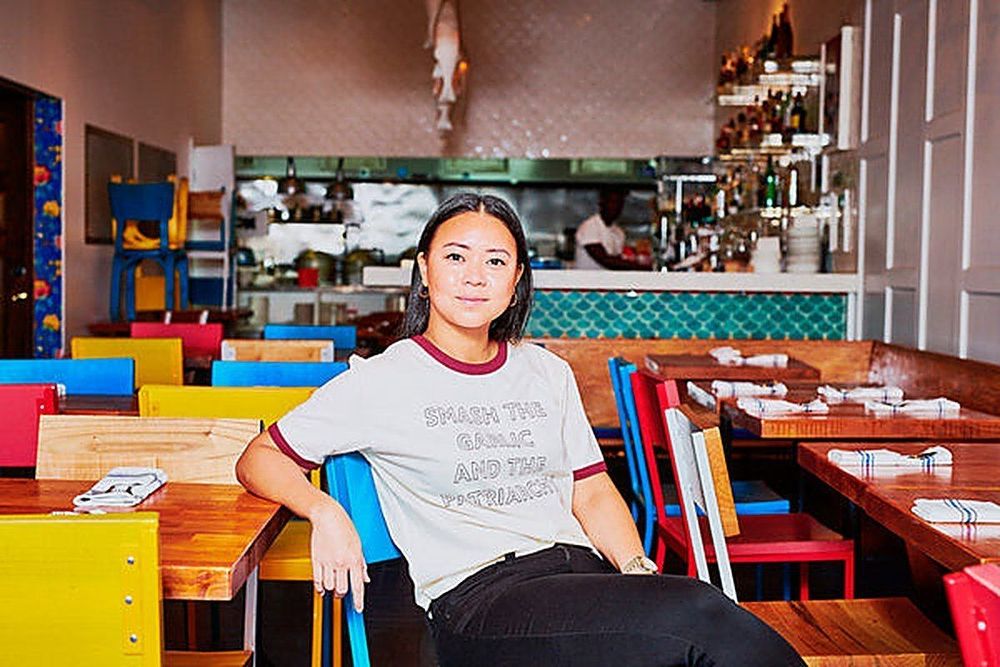
Image: Overseasoned
Why We’re Inspired
Jenn Saesue’s family carried Thailand to New York: she arrived in the city at twelve and learned English in ESL classes, and by twenty-two she was running a Thai restaurant of her own.
It did not last — and instead of leaving the industry, she went back into it as a manager, learning the business from other people’s dining rooms until she was ready again.
In 2016 she partnered with chef Chat Suansilphong and his brother Ohm to open Fish Cheeks in NoHo — a seafood-focused Thai restaurant with a point of view: no compromises for timid palates.
The Story
Fish Cheeks earned the kind of acclaim that builds groups: a second location in Williamsburg, then Bangkok Supper Club, a fine-dining room inspired by Thai street food and night markets, then Bub’s Bakery, an allergen-free bakery in Manhattan — all under 55 Hospitality, the group Saesue co-founded.
Her management philosophy, described to Yelp’s business journal, is the opposite of the founder-as-hero story: hire people who do each thing better than you do — a manager who manages better, a chef who cooks better — and let them lead. The twenty-two-year-old whose first restaurant closed now opens the rooms other restaurateurs study.
Sources
Fine Dining Lovers — “Chef Jenn Saesue”
Yelp Business — “How Delegating Fueled NYC’s Top Thai Restaurant Group”
Wikipedia — “Jennifer Saesue”
More from The Bourgeois Society: The full list · Il Yeon Kwon · José Andrés
Owner & President, Broken Yolk Cafe — San Diego, CA
Official links: Website
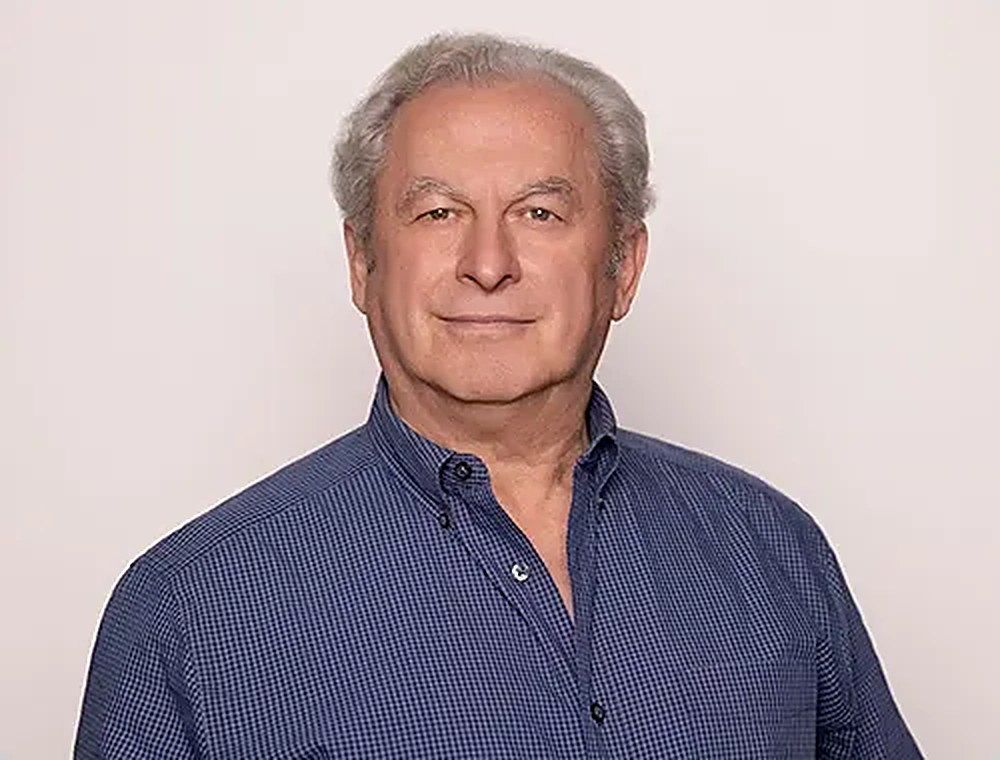
Image: Broken Yolk Cafe
Why We’re Inspired
John Gelastopoulos arrived in San Diego from northern Greece at seventeen with $20 in his pocket and no English.
He washed dishes on the graveyard shift, worked up to server, and then did something dishwashers rarely get to do: he became a restaurant broker, spending nine years studying other people’s profit-and-loss statements until he could smell a good restaurant through a bad balance sheet.
In 1993 the call came — the struggling Broken Yolk Cafe needed a buyer by morning. Gelastopoulos had been hired to sell it. Instead, he put cash advances from every credit card he owned on the line and bought it himself, overnight.
The Story
He revived the closed café the personal way: calling thirty or forty contacts, comping their meals for two months, and letting people attract people, until there was a line out the door.
Franchising followed in 2010, and Broken Yolk has grown to more than forty locations across five states, averaging some $2.7 million a unit, with servers who have stayed twenty and thirty years and greet guests by name.
His guiding lesson, borrowed from a client and kept for forty years: if you fall down, pretend you are looking for something — get up, and walk again.
Sources
Inspired Stories Podcast — “From Dishwasher to Franchisor CEO: The 48-Year American Dream of John Gelastopoulos”
Franchising Magazine USA — “More Than a Meal: The Heart, History, and Future of Broken Yolk Café”
Listen Notes / Full Comp — “From Maxed-Out Credit Cards to 41 Locations”
More from The Bourgeois Society: The full list · José Andrés · Jose Luis Valdez
Founder & Owner, Paleterias Tropicana (now Palacana) — Kansas City, KS
Official links: Website
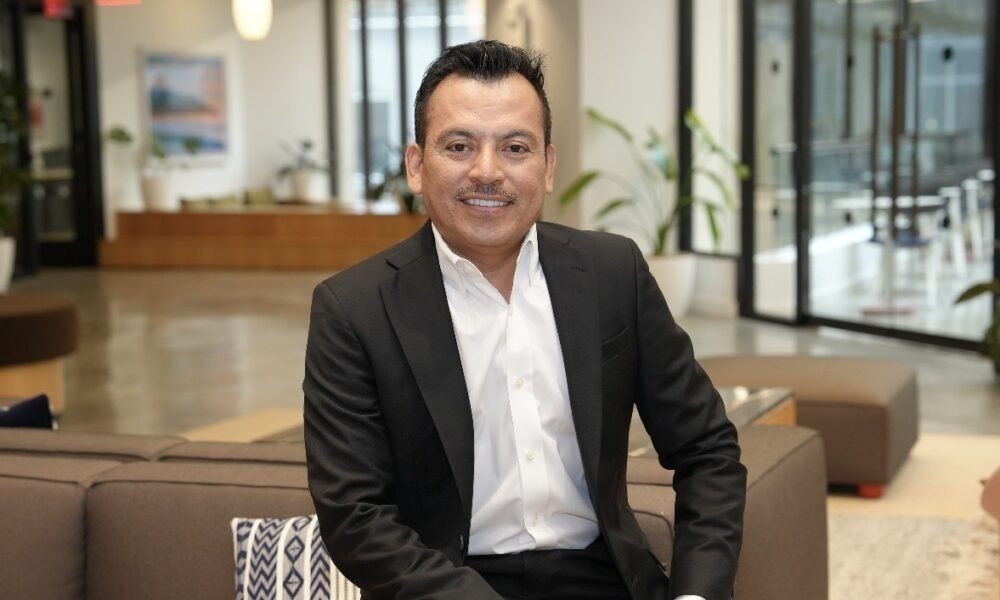
Image: VoyageKC
Why We’re Inspired
Jose Luis Valdez was selling paletas — Mexican ice pops — on the streets, in markets and at bus stations in Mexico at the age of seven. When he emigrated and joined his brothers in Chicago, the food business started him over at the bottom anyway: dishwasher, then waiter, then captain.
In 2004 he and his wife Lucia put $14,000 into a small Kansas City shop after banks refused to lend them anything; family and friends carried what the banks would not, and in the hardest early days the family sometimes slept in the store. The product, at least, he had known since childhood.
The Story
Paleterias Tropicana grew to five locations across the Kansas City metro, with its own production facility making the ice creams and paletas — and in 2022, after eighteen years, Valdez renamed it Palacana, a modern name for the same family work, rooted in Kansas City’s historic Westside.
Recognition followed the growth: Ingram’s named him among its “50 Kansans You Should Know.” The seven-year-old with the paleta cart, the dishwasher, the owner who slept in his own shop — the line between those three men is the whole story, and it never broke.
Sources
Times of India / Kauffman Foundation profile — “Jose Luis Valdez Arrived in America and Started as a Dishwasher”
Palacana — company listing and founder recognition (Foodyas)
More from The Bourgeois Society: The full list · John Gelastopoulos · Khalil Rafati
Founder & Owner, SunLife Organics — Malibu, CA
Official links: Website · Instagram
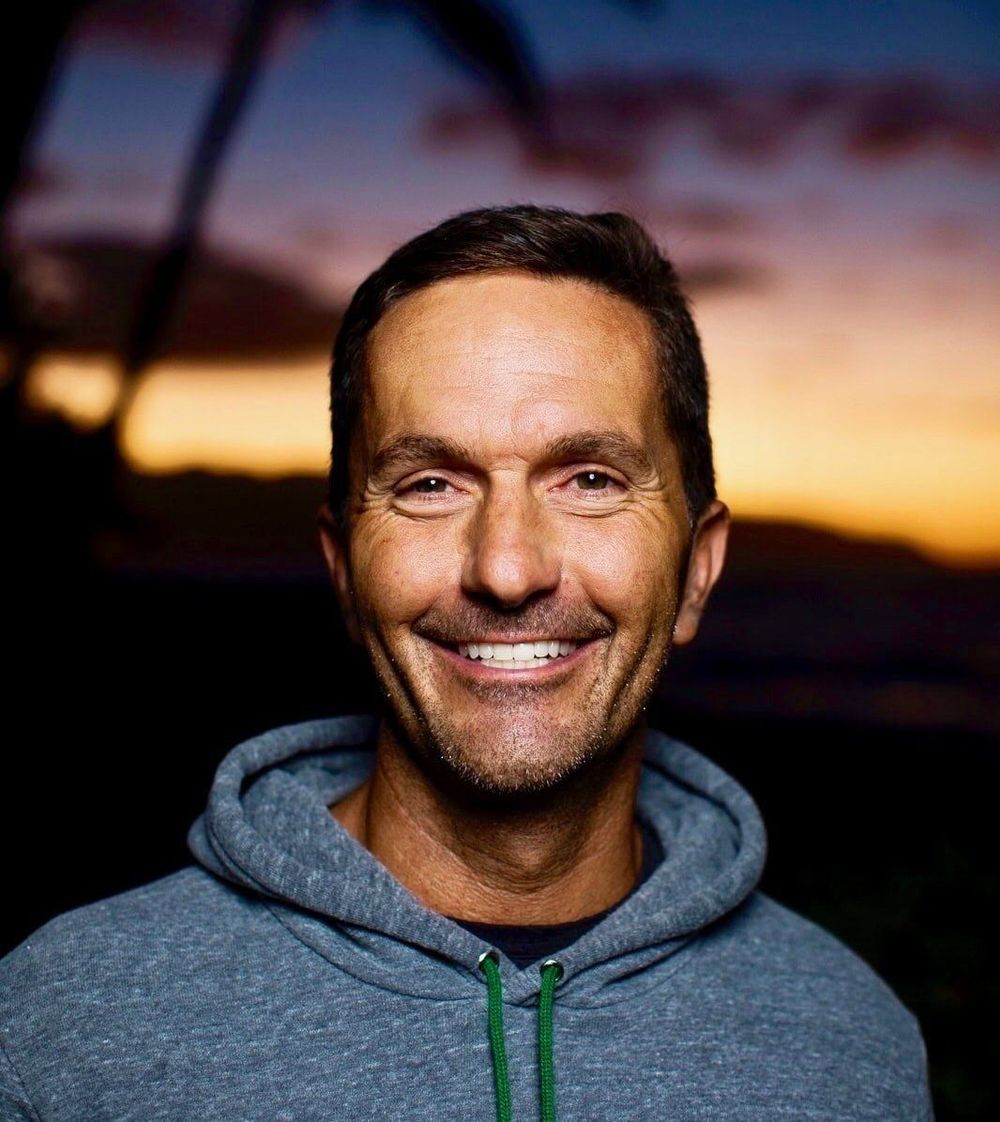
Image: Wellness and Wisdom podcast
Why We’re Inspired
Khalil Rafati’s memoir is called I Forgot to Die, and the title is literal. Abused as a child in Toledo, Ohio, he ran as far as addiction could take him: by thirty-three he was a convicted felon, homeless, addicted to heroin and crack, living in a cardboard box on Los Angeles’ Skid Row — 109 pounds, after nine overdoses.
He got sober in 2003, worked odd jobs and in rehab centers, saved what he could, and discovered in juicing and whole food the first thing that ever made him feel alive instead of numb. In 2011 he opened SunLife Organics in Malibu — selling, in effect, the recipe that had saved him.
“Whatever it is that you are suffering from, you can change,”
The Story
SunLife Organics grew into an eight-figure-revenue business with more than 200 employees and multi-state expansion, and Rafati added Riviera Recovery and Malibu Beach Yoga to it — the man who nearly died on Skid Row now runs businesses on both sides of recovery, the treatment and the table.
He tells the whole story without varnish, in the memoir and on every microphone offered to him, because the telling is the point: somewhere in a cardboard box tonight is a person who needs to hear that the man from the box now owns the juice bar — and that the distance between those two addresses can be walked.
Sources
Notable Life — “Khalil Rafati, Juice Entrepreneur”
The Rich Roll Podcast — “I Forgot To Die: Khalil Rafati’s Journey From Homeless Junkie To Wellness Entrepreneur”
Celebrity Net Worth — “From Skid Row Junkie To Millionaire All Thanks To Juice”
More from The Bourgeois Society: The full list · Jose Luis Valdez · Loida Nicolas Lewis
Chair & CEO, TLC Beatrice LLC — New York, NY
Official links: LinkedIn · Facebook · Instagram · X
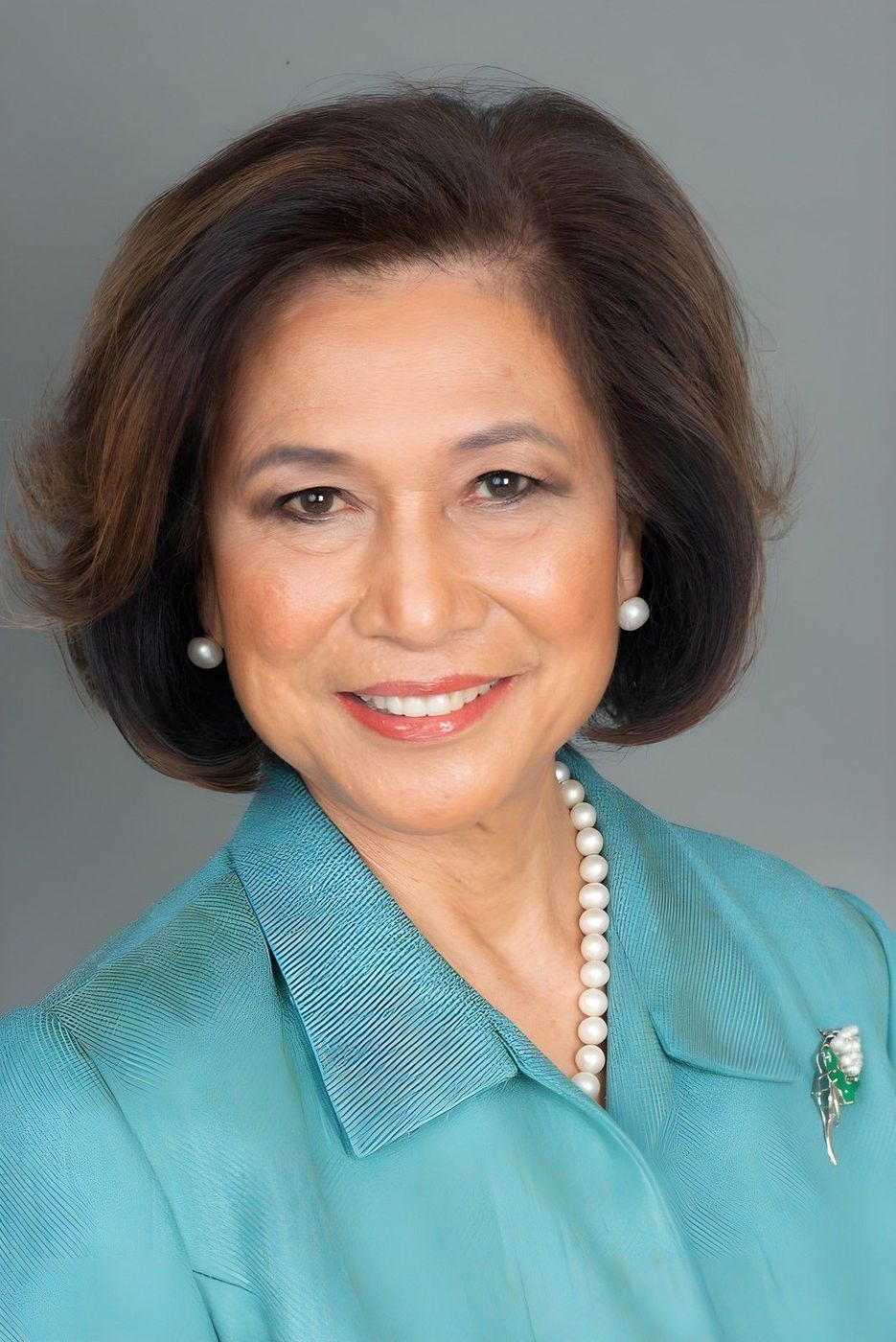
Image: Mercado News
Why We’re Inspired
Loida Nicolas Lewis was a pioneer before she was a widow. A Filipino immigrant, she became the first Asian woman to pass the New York bar, in 1974, and as an immigration lawyer she sued the Immigration and Naturalization Service for discrimination — and won.
Her husband Reginald Lewis built TLC Beatrice International, the first Black-owned company to pass a billion dollars in sales. When he died of brain cancer in 1993, the company he left was loaded with debt and losing money in a European recession.
After a year of mourning, Loida Lewis did the thing nobody expected the lawyer to do: she took his chair.
The Story
Her first moves were a CEO’s, not a caretaker’s: she sold the company jet and the limousines, moved out of the top-floor suite, cut staff, refinanced $170 million in debt, and met her managers on their numbers until profits came back — more than $11 million, then $15 million.
Holding fifty-one percent of the company, she then unwound it on her own terms, selling division after division until the liquidation was complete by 2000, returning shareholders a handsome multiple on the buyout that had made history.
She now chairs TLC Beatrice LLC, the family’s investment firm, and wrote the memoir Why Should Guys Have All The Fun? — a title with her husband’s famous book in it, and entirely her own story inside.
Sources
African American Registry — “Loida Nicolas Lewis, Businesswoman”
Black Enterprise — “How Reginald Lewis Changed Business Forever”
Wikipedia — “Loida Nicolas-Lewis”
More from The Bourgeois Society: The full list · Khalil Rafati · Jimmy John Liautaud
Founder, Jimmy John’s — Champaign, IL
Official links: Website · Facebook · Instagram · X
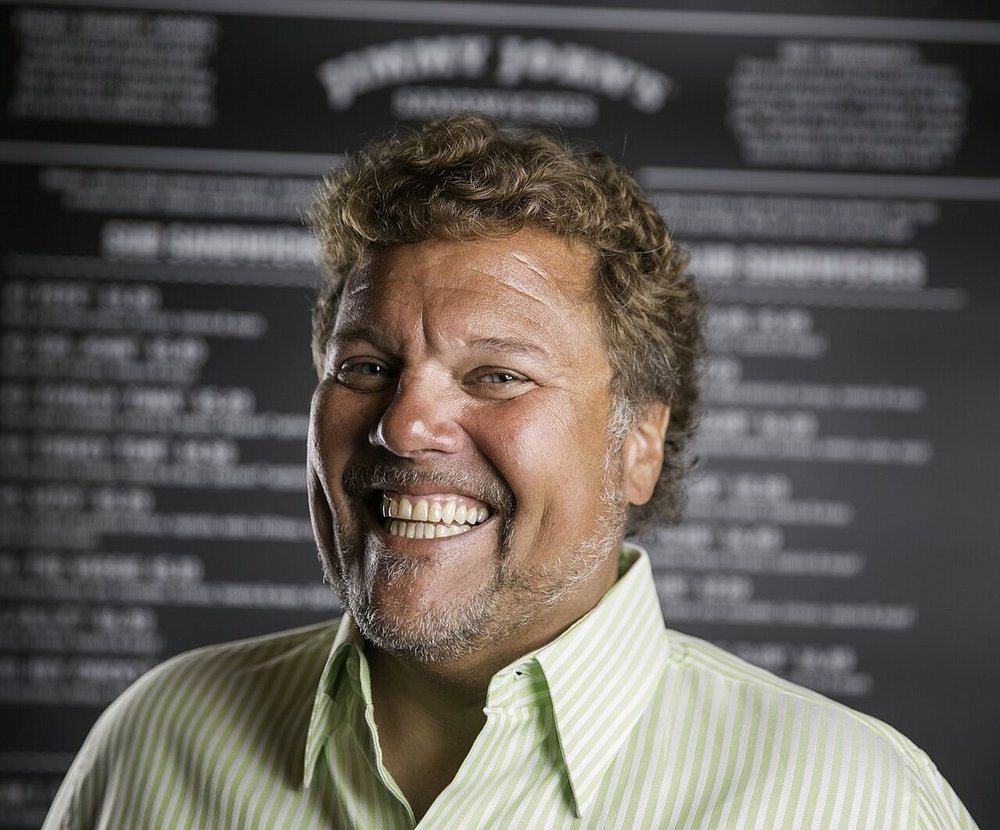
Image: Forbes, via Leader Portfolio
Why We’re Inspired
We’re inspired because Jimmy John Liautaud is proof that the class ranking is not the verdict. The kid at the bottom of the class out-worked the room, bought out his father’s stake, and brought a lot of people along with him — and he still mentors young entrepreneurs who were written off the way he was.
“My success is a byproduct of my curiosity and breaking things apart. And here I am, I brought a lot of people along the way.”
The Story
Liautaud graduated second to last in his high-school class, his dyslexia undiagnosed. His father gave him a choice: a $25,000 loan to start a business — repayable, with the Army waiting if it failed within the year — or enlist.
The hot-dog stand he wanted cost too much, so he pivoted to sandwiches, opened his first shop at 19 in a converted garage, worked 18-hour days, and handed out samples door to door in the college dorms until the shop turned a profit. Delivery was built into the model from day one.
He franchised from his tenth store and grew Jimmy John’s to about 2,800 locations, then sold a majority stake at a valuation reported around $2.3–3 billion. Forbes has listed him as a billionaire. Through the Liautaud Family Foundation he supports health, education, children’s causes and veterans, including Camp Southern Ground and Folds of Honor scholarships.
Sources
QSR Magazine — “Jimmy John Liautaud to Receive Horatio Alger Award”
Land Report — “Jimmy John Shares His Recipe for Success”
Leader Portfolio — Forbes “In Their Own Words”: Jimmy John Liautaud
More from The Bourgeois Society: The full list · Loida Nicolas Lewis · Miguel Garza
Co-founder, Siete Family Foods — Austin, TX
Official links: Website

Image: Inc.
Why We’re Inspired
Siete began in a kitchen in Laredo, Texas, with a diagnosis. Miguel Garza’s younger sister Veronica developed multiple autoimmune conditions, and the family of seven — a family that cooked everything around flour tortillas — went grain-free in solidarity.
Miguel’s grandmother’s tortillas became the family’s project: an almond-flour version that tasted like the real thing, because for the Garzas it had to. Founded in 2014, Siete’s first product sold in a single Austin co-op.
The family named the company for the seven of them — siete — and ran it the way they ran the kitchen: everybody in.
“When our family founded Siete 10 years ago, it was with a heartfelt mission: to share the beauty of our Mexican-American heritage and Latino culture with the world,”
The Story
A decade later Siete’s grain-free tortillas, chips, salsas and seasonings sit in more than 40,000 stores — Whole Foods, Target, Walmart, Costco — and the Austin co-op story ended in the food industry’s biggest compliment: PepsiCo acquired Siete for $1.2 billion, completing the deal in January 2025, with the family’s foods set to reach the world through the same company that bought poppi.
Miguel Garza serves as the brand’s chief executive voice and its keeper of the mission: the company still signs its work the way a family would — Juntos es Mejor, together is better.
Sources
Nutraceuticals World — “PepsiCo Completes Acquisition of Siete Foods”
Food Engineering — “PepsiCo Completes Acquisition of Siete Foods for $1.2B”
VegNews — “Eva Longoria-Backed Siete Foods Is Now the Largest Mexican-American Food Company in the US”
More from The Bourgeois Society: The full list · Jimmy John Liautaud · Orhan Veli
Saladworks Franchise Partner — Philadelphia, PA
Official links: Website
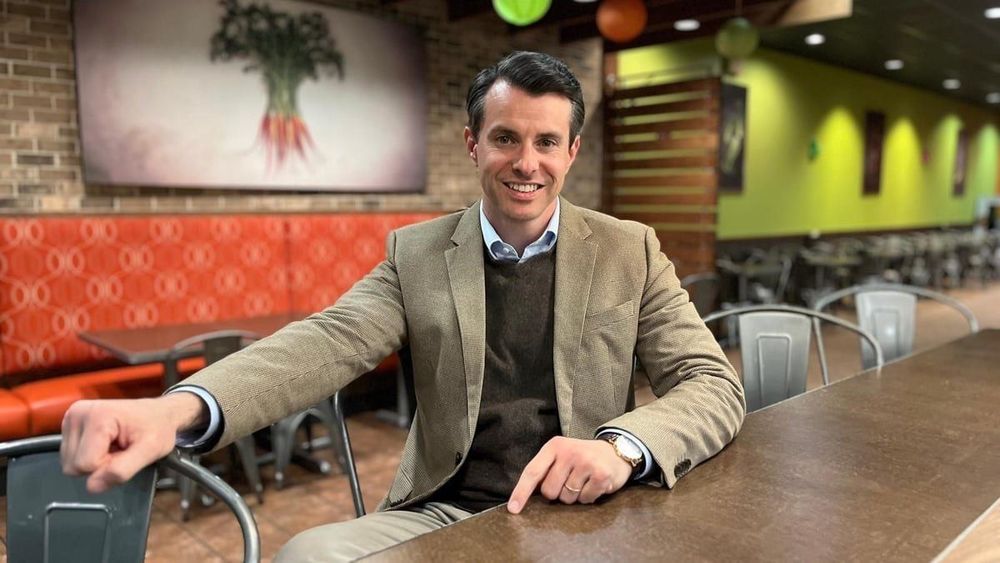
Image: Nation's Restaurant News
Why We’re Inspired
Orhan Veli’s childhood ran through three countries and one war of words turned real. Born in Azerbaijan in the Soviet Union to a mixed-ethnicity family, he fled ethnic violence with them to Moscow at six; the refugee process took two years, and he arrived in America at eleven to food insecurity and shared bathrooms.
His father delivered Domino’s pizzas. Orhan’s first job, at thirteen, was the McDonald’s fryer. He built a career in finance anyway — and then walked away from it to buy a salad franchise, with his parents putting a second mortgage on their townhome to make the down payment.
He and his father became 50-50 partners, and in the early months lived on the modern equivalent of about $4 an hour.
“A lot of times, when people see a negative, or they see an obstacle, if you look at it carefully enough, you can uncover that it could be an opportunity if treated the right way,”
The Story
The obstacles kept coming and he kept treating them that way. One location failed through the 2008 financial crisis; the Saladworks franchisor itself went bankrupt — and Veli bought locations during the chaos, when nobody else would.
The portfolio stands at eleven Saladworks restaurants plus a co-branded Frutta Bowls, doing nearly $12 million in annual sales, run with a man who used to deliver pizzas and now co-owns the company his son directs.
The refugee kid who once shared a bathroom with strangers now tells his story to rooms full of franchisees: look at the obstacle carefully — it may be the opportunity, wearing its disguise.
Sources
Nation’s Restaurant News — “This Former Soviet Union Refugee Is Now One of Saladworks’ Most Successful Franchisees”
SUCCESS — “How Orhan Veli Built an $11M Franchise Portfolio”
More from The Bourgeois Society: The full list · Miguel Garza · Peggy Cherng
Co-founder & Co-CEO, Panda Restaurant Group — Rosemead, CA
Official links: Website
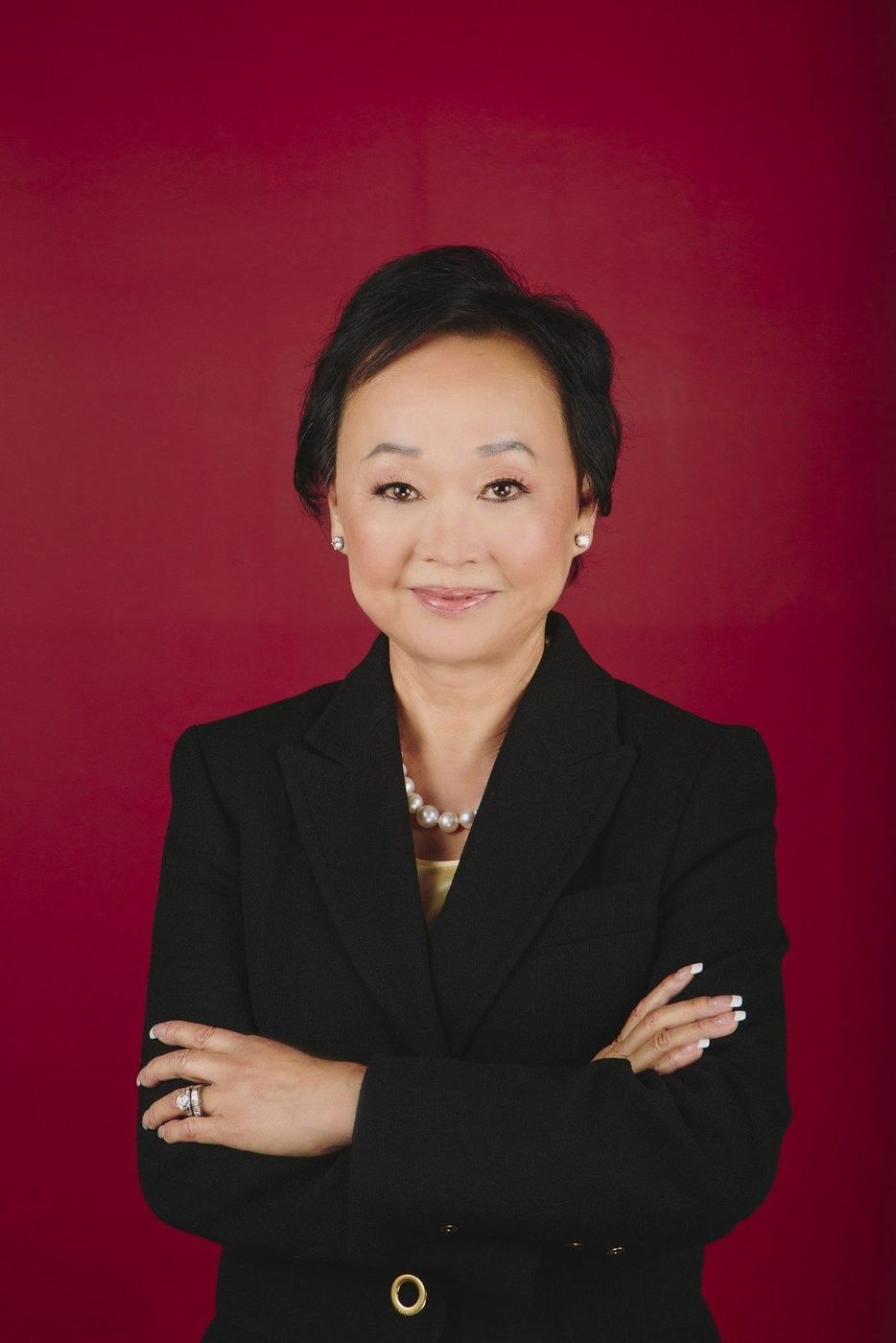
Image: Wikimedia Commons
Why We’re Inspired
Here is the profile the Panda story is usually missing: the engineer. Peggy Cherng was born in Burma, raised in Hong Kong, and came to America for college, earning a master’s in computer science and a Ph.D. in electrical engineering from the University of Missouri.
She wrote guidance software at McDonnell Douglas and worked at 3M’s Comtal division before, in 1982, she joined the family business her husband Andrew had started with his father — and proceeded to computerize it. In the early 1980s, when restaurant chains ran on paper, Peggy Cherng built Panda’s computer systems herself.
The Story
Those systems — among the first in the industry to track sales, inventory and operations chainwide — were the quiet engine under Panda Express’s growth to more than 2,500 locations, and Peggy has served as co-chair and co-CEO of the Panda Restaurant Group alongside Andrew for decades.
Forbes has ranked her among America’s richest self-made women, with a fortune estimated around $1.7 billion; the couple’s philanthropy runs through the Panda Cares Foundation, and Andrew calls her, simply, the heart of the company. The mathematician’s wife did not just help build a restaurant empire. She wrote its operating system.
Sources
Murthy Law Firm — “Immigrants Abound in Forbes’ List of America’s Most Successful Women”
Carnegie Corporation of New York — “Peggy Cherng, Great Immigrants”
Wikipedia — “Peggy Cherng”
More from The Bourgeois Society: The full list · Orhan Veli · Penjan Janburiwong