
Photograph: Splitshire
Food Owners: The Builders Behind Penjan Janburiwong, Philip Maung and Hamdi Ulukaya
Part 3 of the Food Owners list: the Boston restaurateur who fed her city through the pandemic, the $13 arrival who taught supermarkets to sell sushi, and the door-to-door salesman who built an eight-state food distributor.
Produced and Edited by The Bourgeois Society Staff
Part 3 closes the list with the distributors and the second acts: a Thai family’s recipes carried across an ocean into Boston dining rooms, a dining-room-table sushi company sold to private equity, a door-to-door salesman who became an eight-state supplier, a janitor’s grocery grown into a $200 million distributor, a homemaker who bought fifty-five Subways with her own savings, and a mother who had never made chicken salad before she built an empire on it.
Plus the recovery stories the industry needed to hear, a seventeen-year-old florist’s $1.2 billion category, a cook promoted by a heart attack, and the Domino’s man whose company’s real product is promotions.
Selected on the obstacle climbed, the thing built, and the good given back — and fact-checked line by line, with sources linked under every profile.
The full list: Part 1 · Part 2 · Part 3
Founder, Auntie Anne’s — Lancaster, PA
Official links: Website · Facebook · Instagram · X
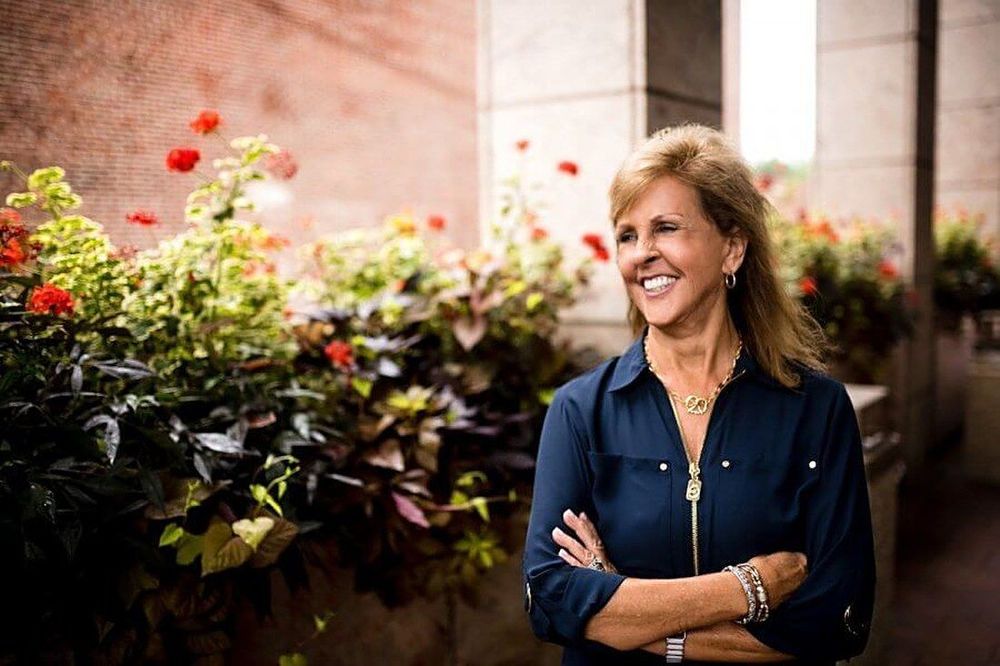
Image: StyleBlueprint
Why We’re Inspired
We’re inspired because Anne Beiler built a worldwide business out of the worst chapters of her life — and built it, from the first day, as a vehicle to give other people the help she once needed. Her pretzel stand existed to pay for free counseling. The franchise empire was the side effect.
“My philosophy is: Life is hard but God is good. Try not to confuse the two.”
The Story
Beiler’s 19-month-old daughter was killed in a farming accident. In her grief she turned to a pastor who abused her for years, and she carried the secret through depression to the edge of suicide; healing began when she finally told her husband.
With an eighth-grade Amish-Mennonite education and no business experience, she bought a farmer’s-market concession stand with $6,000 borrowed from her in-laws — for one reason: to fund her husband Jonas’s vision of free community counseling.
She perfected the pretzel recipe and grew one stand into Auntie Anne’s, the world’s largest hand-rolled soft pretzel franchise — a $293 million enterprise with more than 925 locations when she sold it, and more than 1,800 locations today.
Sale proceeds built the family’s community counseling center, and she later founded Broken Silence, a ministry helping women heal through confession.
Sources
Premiere Speakers — Anne Beiler biography
Christian Post — “Auntie Anne’s Founder on Surviving Sexual Abuse, Loss”
Beliefnet / Deacon’s Bench — “Auntie Anne’s Twist of Faith” (Washington Post profile)
More from The Bourgeois Society: The full list · Rene Diaz · Stacy Brown
Co-founder & Chairman, Hissho Sushi — Charlotte, NC
Official links: Website
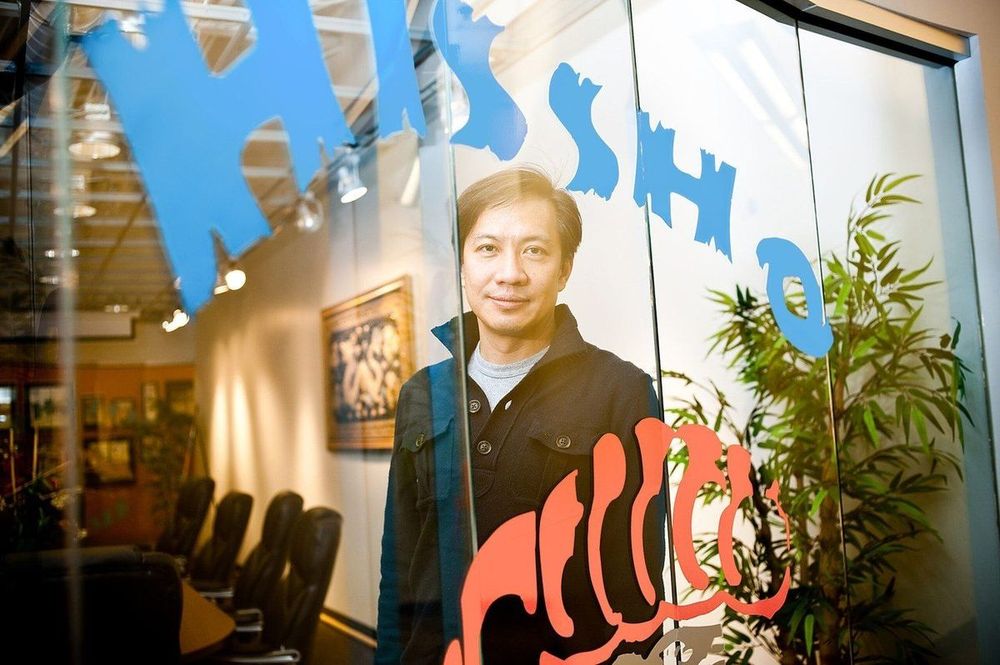
Image: Hissho Sushi
Why We’re Inspired
Philip Maung landed in Los Angeles from Burma in 1989 with $13 to his name. Nine years later, in 1998, he and his wife started Hissho Sushi at their dining-room table — a company that would teach America’s supermarkets to sell sushi.
The White House, honoring him among its Champions of Change, recorded the arc: from $13 to sushi bars in hundreds of supermarkets, universities and corporate campuses. Maung’s insight was operational, not culinary alone: put trained chefs inside the stores where Americans already shop, and freshness stops being a restaurant’s monopoly.
The Story
Hissho grew to more than 2,000 points of distribution across the United States, and in 2022 Maung sold a majority interest in the company to Brentwood Associates, the private-equity firm that also backed Chicken Salad Chick — remaining as chairman of the company he started at his own table.
He tells his story the way the White House framed it, under the heading their profile of him carried: “A Dining Room Table Dream Realized.” Thirteen dollars, one dining table, and a food most supermarkets thought they could never sell.
Sources
Kirkland & Ellis — “Kirkland Advises Brentwood on Hissho Sushi”
Business Wire — “Brentwood Associates Partners with Hissho Sushi”
More from The Bourgeois Society: The full list · Penjan Janburiwong · Hamdi Ulukaya
Founder & CEO, Chobani — New Berlin, NY
Official links: Website · X
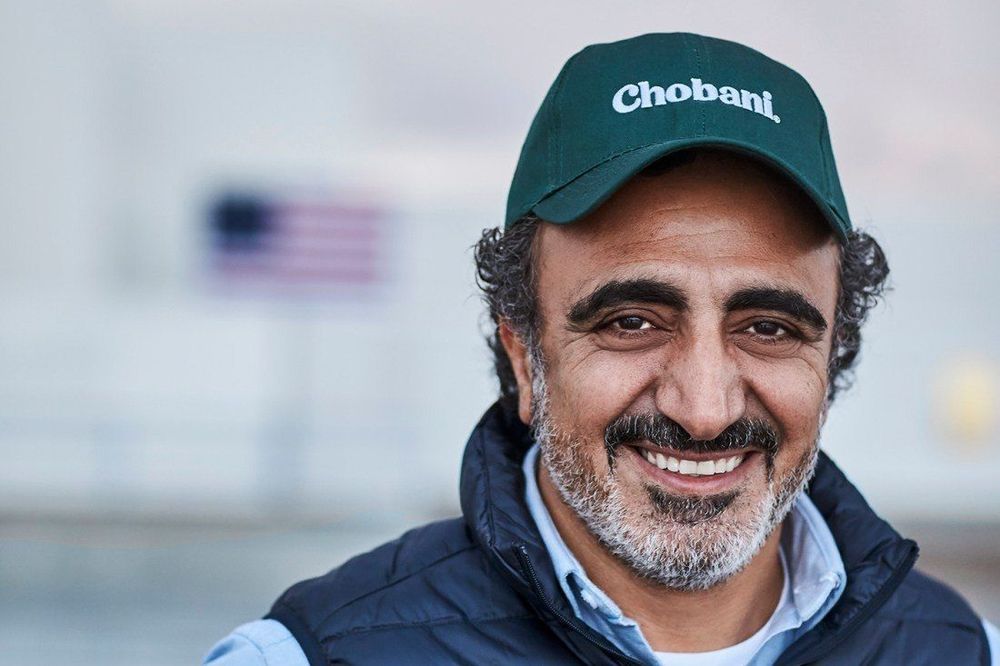
Image: Northeastern University News
Why We’re Inspired
We’re inspired because Hamdi Ulukaya built his company backwards from the business books — employees first, community next — and then handed his own workers a share of the company he owned. His anti-CEO playbook is a standing argument that a factory town is not a cost to cut but a partner to keep.
“It’s not a gift. They earned it with their talent and with their hard work, and I don’t see any other way.”
The Story
A Kurdish shepherd’s son from a dairy-farming family in eastern Turkey, Ulukaya arrived in the United States with $3,000 in his pocket to learn English and ran a small feta-cheese venture that struggled.
Then he bet everything on an $800,000 SBA-backed loan to buy a yogurt plant a giant food company had shut down — rehiring four of the workers who had lost their jobs when it closed, and spending nearly two years perfecting the recipe before selling a single cup.
Within five years Chobani was a billion-dollar business and America’s top-selling Greek yogurt brand, and Ulukaya gave every one of his 2,000 employees shares in the company. Roughly 30% of Chobani’s workforce are immigrants and refugees; through the Tent Partnership for Refugees, which he founded, more than 500 major companies now hire, train and mentor refugees.
Sources
Northeastern University News — “Chobani CEO Named Northeastern’s Commencement Speaker”
Inc. — “To Be Truly Successful, Break These 3 Stupid Business Rules”
Food Processing — “Hamdi Ulukaya’s Anti-CEO Playbook”
More from The Bourgeois Society: The full list · Philip Maung · Rene Diaz
Founder, Sugar & Spice Restaurant Group — Boston, MA
Official links: Website · Instagram
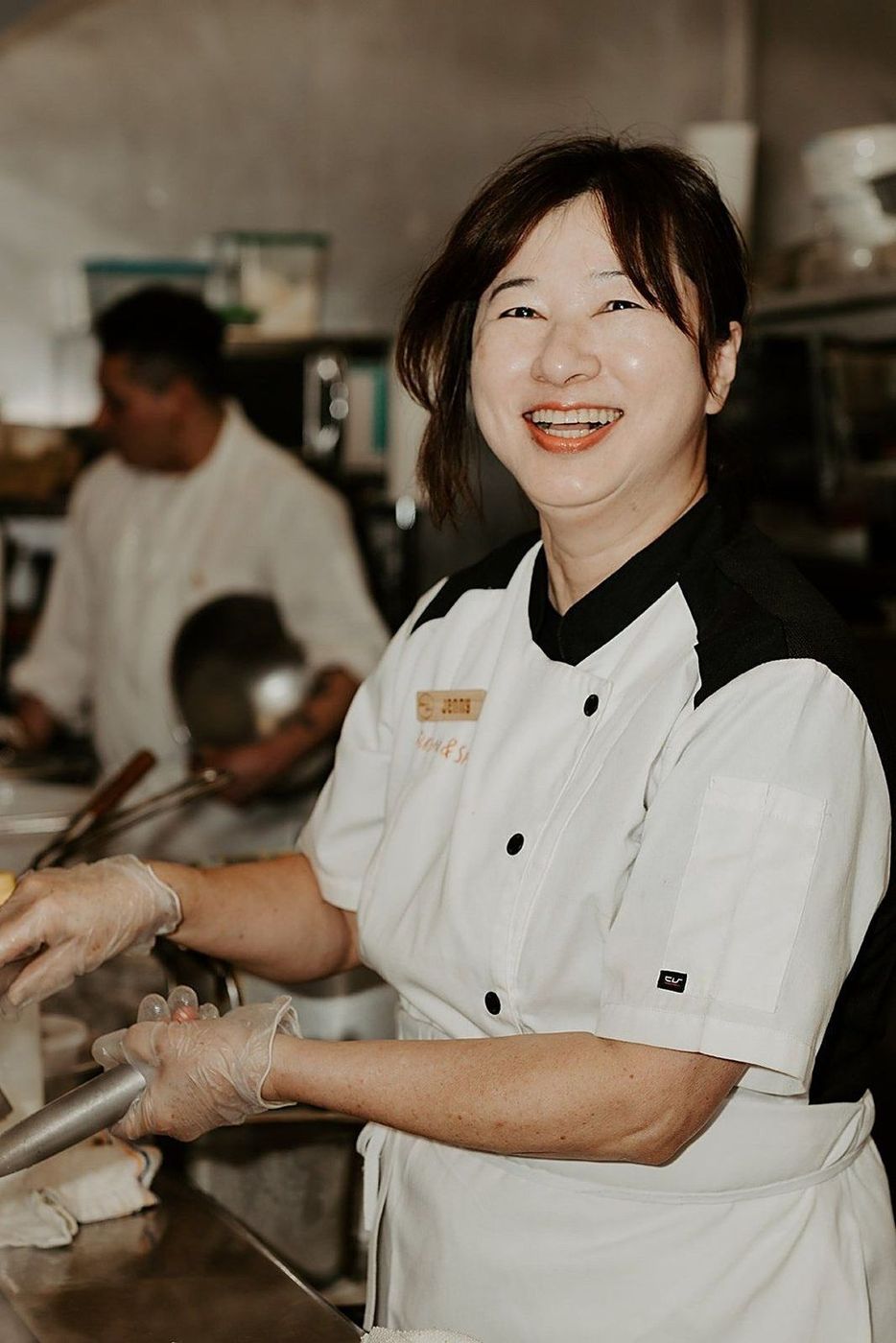
Image: Sugar & Spice
Why We’re Inspired
Penjan Janburiwong arrived in America in the mid-1990s with something more durable than capital: her family’s recipes.
In 1995 she opened her first Thai restaurant, Sweet Chili, in Arlington, Massachusetts — among the first Thai restaurants in the area — and built a small group the careful way: Spice & Rice in Cambridge in 2001, then Sugar & Spice in Porter Square, Cambridge, in 2003, with her daughter Nisa rising to chief operating officer.
The SBA tells her story as what it is — a Thai culinary legacy, built one neighborhood dining room at a time.
The Story
The group now spans concepts from quick-service to chef-driven — including the SPACE-grant-backed fast-casual Tom Yum Yang — and carries honors like the Thai Select award from Thailand’s Ministry of Commerce.
But the number that best explains Janburiwong is from the pandemic: when the dining rooms emptied, her restaurants cooked and gave away some 8,000 free meals to the community. A founder who crossed an ocean with her family’s recipes fed her new hometown through its hardest year — which is, in the end, what the recipes were for.
Sources
U.S. Small Business Administration — “Sugar & Spice: Thriving Thai Culinary Legacy” (success story)
Sugar & Spice — official site
More from The Bourgeois Society: The full list · Peggy Cherng · Philip Maung
Founder, Chicken Salad Chick — Auburn, AL
Official links: Website
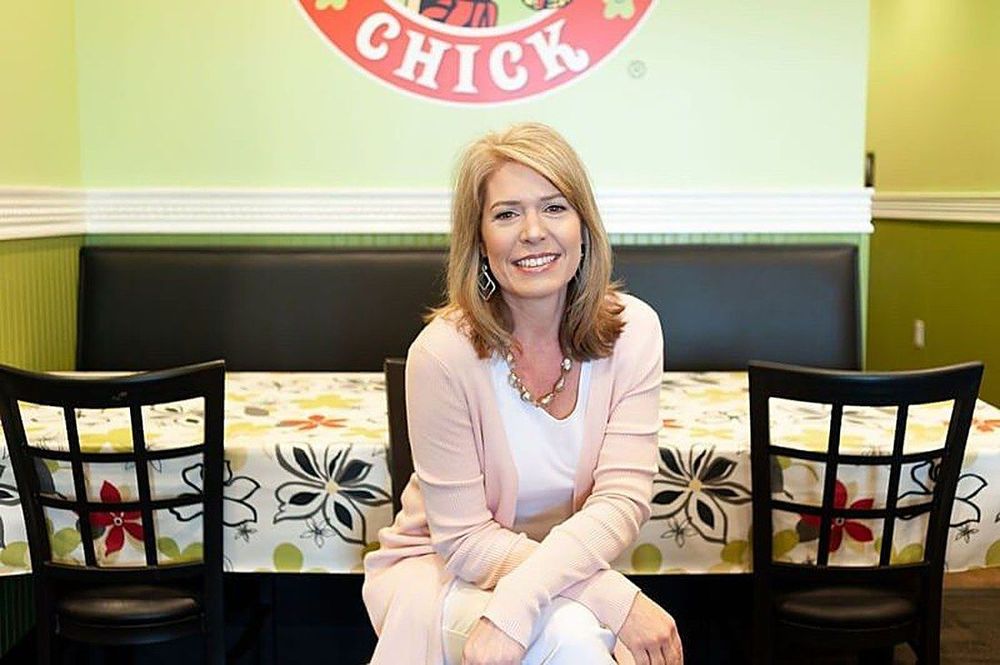
Image: StyleBlueprint
Why We’re Inspired
Stacy Brown’s origin story has a punchline she tells on herself: she was a stay-at-home mother of three children under six, newly divorced, who had eaten a great deal of chicken salad in her life — and had never once made it.
She taught herself in her Auburn, Alabama kitchen, using friends and neighbors as taste-testers, and began selling door-to-door. The orders outgrew the kitchen, and then the health department shut her home operation down. Most founders call that a catastrophe.
Brown calls it the push: she opened a real restaurant instead.
“I was a Southern cook and I happened to be obsessed with chicken salad,”
The Story
The first Chicken Salad Chick opened on January 7, 2008, co-founded with Kevin Brown — later her husband — and sold out in two hours. The concept was disarmingly simple: one beloved Southern staple, a dozen varieties, served fast in a room that felt like a friend’s kitchen.
It became one of the fastest-growing restaurant brands in the South: more than 330 locations across 22-plus states, $52 million in annual revenue in its breakout years and private-equity backing from Eagle Merchant Partners and then Brentwood Associates. “When I say that people always think I cooked it a lot,” Brown laughs. “But I never made it.
I only ate it.” The taster became the founder; the obsession became the menu.
Sources
Inc. — “How the Chicken Salad Chick Grew From a Single Mom”
Encyclopedia of Alabama — “Chicken Salad Chick”
Wikipedia — “Chicken Salad Chick”
More from The Bourgeois Society: The full list · Anne Beiler · Steve Palmer
Founder & Managing Partner, The Indigo Road Hospitality Group — Charleston, SC
Official links: Website · Instagram
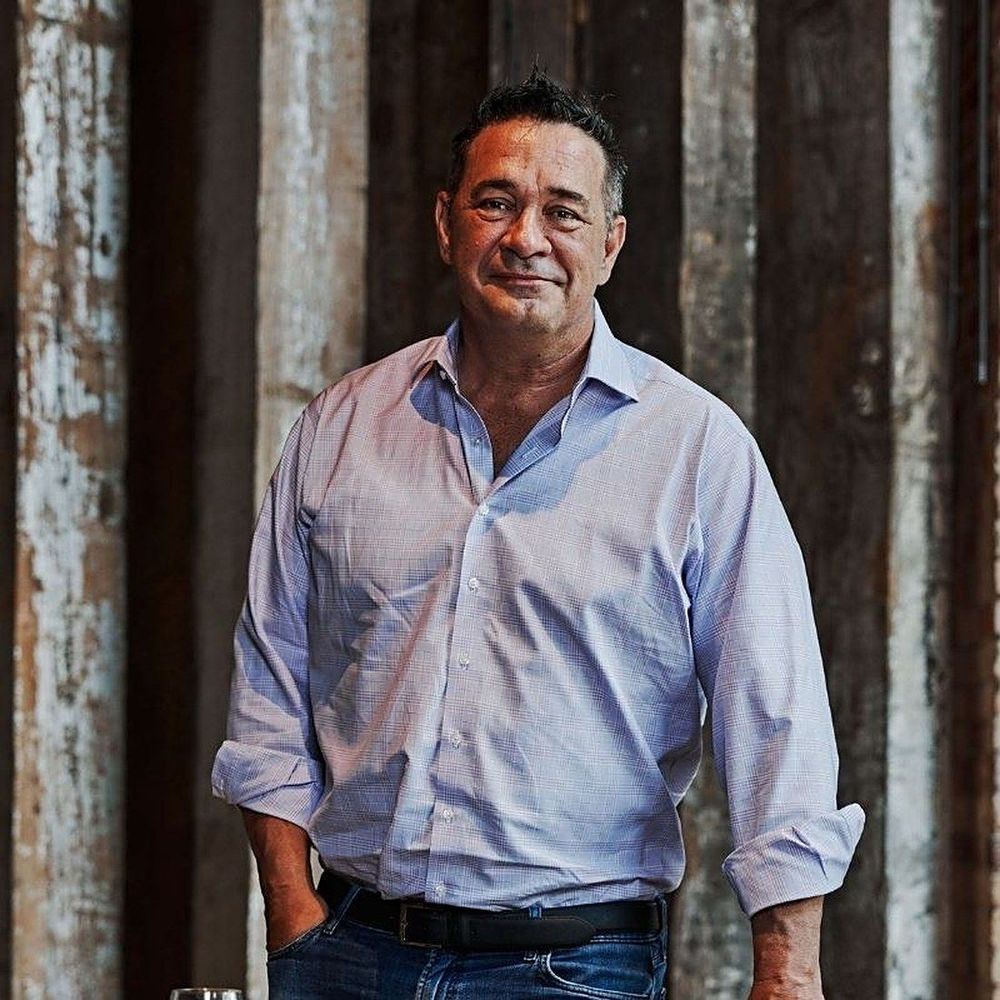
Image: The Indigo Road Hospitality Group
Why We’re Inspired
Steve Palmer lost his father and his grandfather while he was still a boy, and at thirteen he was homeless. Addiction filled the space grief left; he built a restaurant career anyway, and nearly lost that too — until the moment a boss drew the line that saved him: get help, or get fired.
Palmer got help, and he has been sober for more than two decades. In 2009 he founded The Indigo Road Hospitality Group in Charleston on a conviction formed by everything before it: a hospitality company should take care of the people who take care of the guests.
The Story
Indigo Road has grown to more than thirty restaurants and hotels — O-Ku, Indaco, The Macintosh among them — with Palmer’s people-first ethos written into its structure, and in 2019 he was a James Beard Award semifinalist for Outstanding Restaurateur.
The work he is proudest of may be outside his own dining rooms: in 2016 he co-founded Ben’s Friends, a support community for food-and-beverage workers in recovery, named for chef Ben Murray, who died by suicide after his own battle with addiction.
Palmer tells his story — the homelessness, the drinking, the ultimatum, the sobriety — in a TED talk and to any room that will hold still for it, because the industry that nearly killed him is full of people he intends to keep alive.
Sources
South Carolina Voyager — “Inspiring Conversations with Steve Palmer of Indigo Road Hospitality Group”
The Indigo Road — “Steve Palmer” (team page)
More from The Bourgeois Society: The full list · Stacy Brown · Tariq Farid
Founder & CEO, Edible Arrangements / Edible Brands — Atlanta, GA
Official links: Website · X
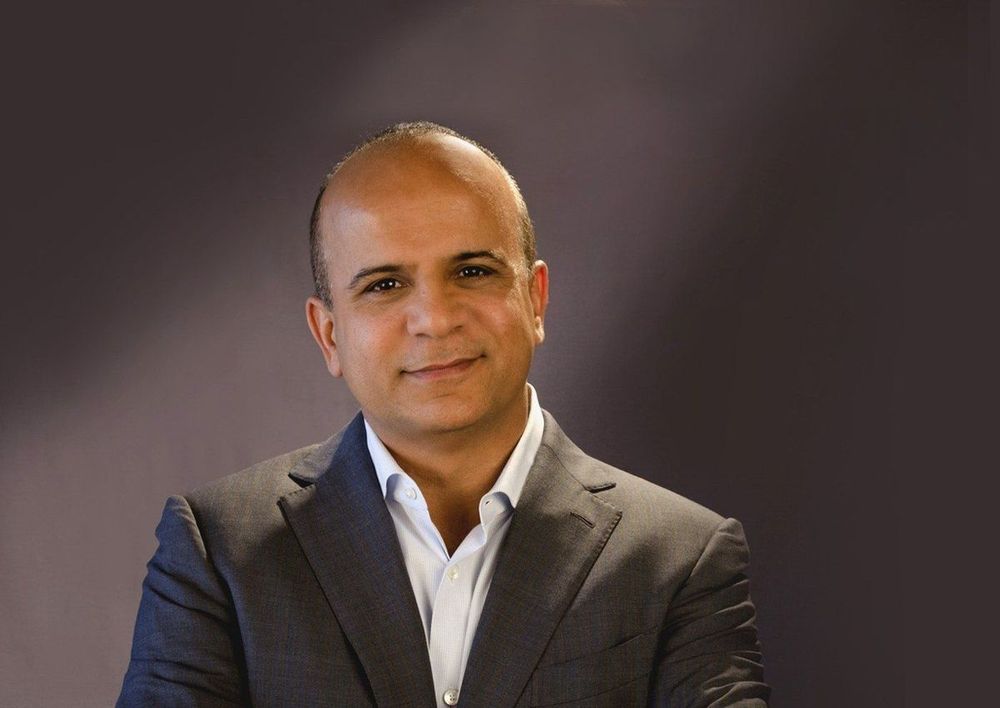
Image: Don't Keep Your Day Job podcast
Why We’re Inspired
Tariq Farid came to America from Pakistan at eleven, into a family starting over: his father, a machinist by day, worked fast food at night. Tariq worked too — at a McDonald’s, and at a flower shop, where the owner’s trust changed his life.
At seventeen he bought that flower shop with a $5,000 loan from family and friends, and within two years he owned four. Then he did something florists did not do: he built software to run them, and sold the software company to Teleflora in 1997.
In 1999 he and his brother launched the idea the flower shop had been rehearsing — arrangements made of fresh fruit, cut like flowers, delivered like bouquets. Edible Arrangements was born.
“I pinch myself every day,”
The Story
Edible grew past 1,300 stores in the United States and abroad — fruit bouquets, dipped strawberries, an entire gifting category — and Farid was inducted into the International Franchise Association’s Hall of Fame, the industry’s highest honor.
His foundation gives on the order of a million dollars a year to housing, literacy and entrepreneurship causes, and he still tells the arithmetic of the first shop with wonder: $70 a day in sales, at the start. “When I opened my first shop, I used to do $70 a day in sales,” he recalls.
The seventeen-year-old with a borrowed $5,000 did not just buy a flower shop. He bought the seed of an empire — and watered it for forty years.
Sources
The Immigrant Learning Center — “Tariq Farid, Immigrant Entrepreneur Hall of Fame”
Franchising.com — “Edible Arrangements Founder and CEO Tariq Farid to Be Inducted Into the IFA Hall of Fame”
1851 Franchise — “From a 17-Year-Old Entrepreneur to a Franchise Juggernaut”
More from The Bourgeois Society: The full list · Steve Palmer · Tony Lutfi
Founder & Chairman, MarLu Investment Group — Sacramento, CA
Official links: Website · LinkedIn
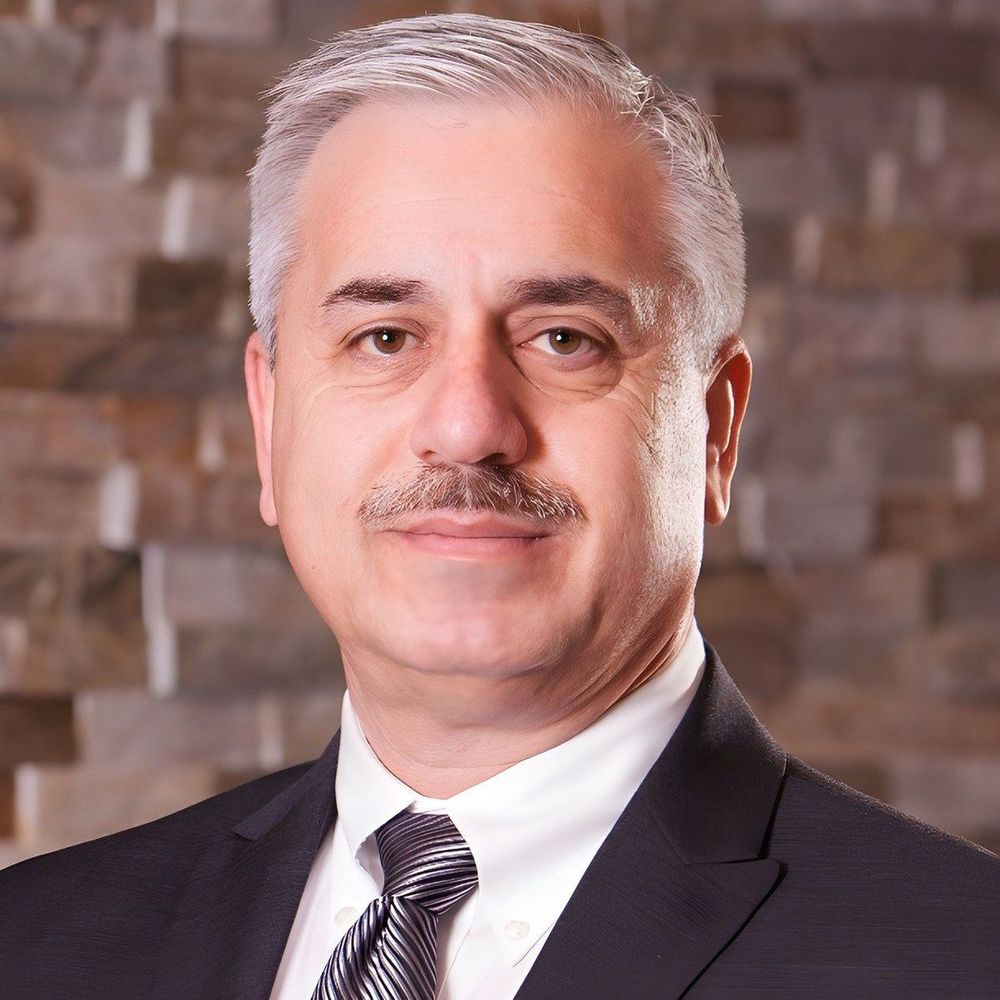
Image: Multi-Unit Franchising Conference (Bizzabo)
Why We’re Inspired
Tony Lutfi arrived in the United States in 1976 as a Palestinian-Jordanian immigrant headed, he thought, for medical school. Restaurants intervened. He took a job as a cook at Jack in the Box — and one night the manager had a heart attack, and Lutfi, English still his second language, was suddenly running the restaurant.
The emergency became an education: decades of climbing from the grill, learning the business rung by rung, until in the mid-1990s he bought his first two restaurants of his own.
“I couldn’t speak with authority. That’s always a challenge for young individuals growing into business.”
The Story
Those two restaurants became MarLu Investment Group: at its height some 250 businesses — restaurants, gas stations, quick-lube centers, laundromats — across Jack in the Box, Arby’s, Church’s, Sizzler, Little Caesars and more. In one three-year run Lutfi took the company from $40 million to $150 million in revenue and from 900 to 2,800 employees.
Then he performed the final act of a builder: succession, handing each of his sons and his nephew a brand of their own to run. The immigrant who was promoted by an emergency built an empire designed to outlast emergencies — including his own absence.
Sources
1851 Franchise — “Founder to Know: Tony Lutfi, MarLu Investment Group”
Franchising.com — “Rapid Growth: Tony Lutfi Goes From 52 to 134 Units in Three Years”
Franchising.com — “Big Operator, Bigger Heart: Family, Philanthropy, Diversity, and Drive”
More from The Bourgeois Society: The full list · Tariq Farid · Wade Oney
Founder, Bam-Bam Pizza LLC / PZZA Group — Orlando, FL
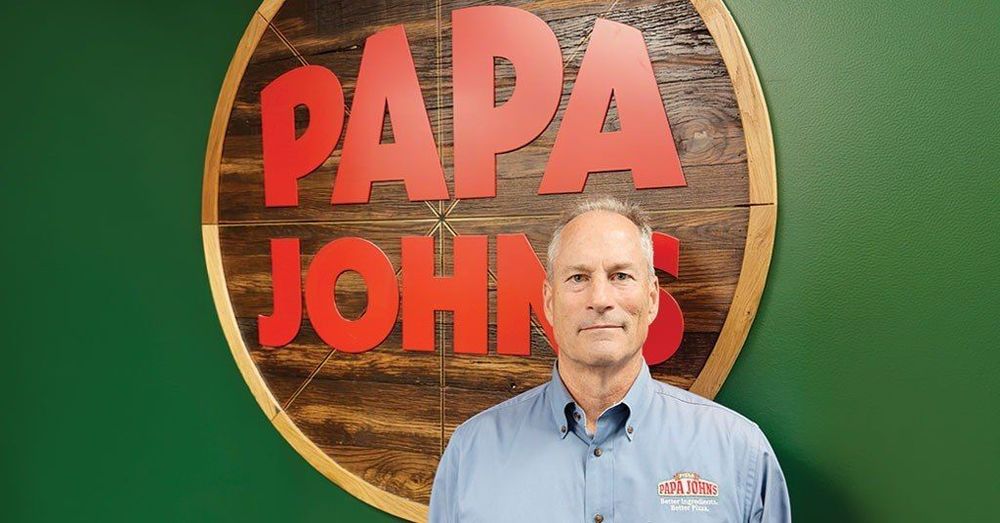
Image: Multi-Unit Franchisee Magazine
Why We’re Inspired
Wade Oney’s pizza career has two acts, and he wrote both of them. In 1981 he started at Domino’s and climbed — eleven promotions, through the ranks and into the region — before moving to Papa Johns, where as chief operating officer he helped grow the chain from 160 stores to more than 2,000.
In 2000 he stepped aside to be an owner himself: he bought distressed Papa Johns stores in Orlando, thirty-five of them, and rebuilt them into ninety-six — then, when the company refranchised the Orlando market, he took on twenty-eight more, operating 120-plus Papa Johns in all.
“It helps them know it is a team and a career and not just a job,”
The Story
Oney’s signature innovation is not a menu item; it is a ladder. His manager-ownership program lets the people who run his restaurants become owners of them — the same promotion he once lived — and his portfolio has broadened beyond pizza to Qdoba and Starbucks stores under the PZZA Group banner.
He calls community involvement and developing future owners the point of the exercise. The man who was promoted eleven times built a company whose main product, underneath the pizza, is promotions.
Sources
Franchising.com — “Growth and Giving: Franchisee Scales Operations While Developing Future Owners”
QSR Magazine — “Papa Johns Refranchises 28 Restaurants in Orlando Market”
Pizza Marketplace — “Papa Johns Completes Strategic Refranchising of Orlando-Area Restaurants”
CEO & President, Diaz Foods — Atlanta, GA
Official links: Website
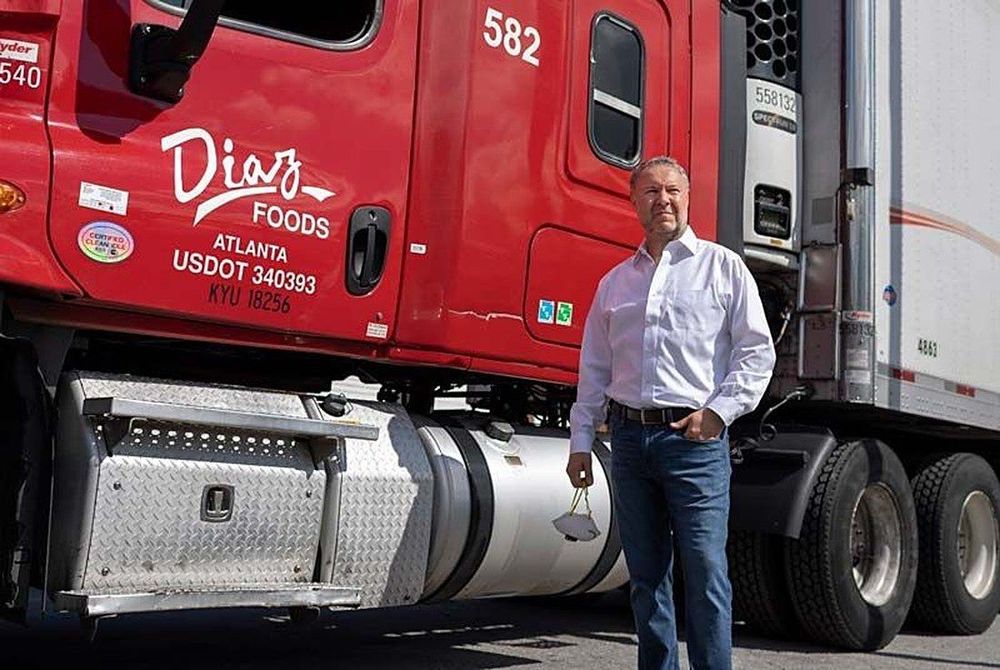
Image: Georgia State University Magazine
Why We’re Inspired
Diaz Foods is three generations deep, and it starts with a janitor. Rene Diaz’s grandfather Domingo left Cuba, took a job cleaning a food plant, and in 1970 opened the family’s first small grocery store.
Rene started in that store at ten years old — and built the family’s corner shop into Diaz Foods, a distributor carrying more than 4,000 Latin and Caribbean products, wholesaling everything from coffee and beans to snacks and tamales, with trucks traveling some 140,000 miles a week across 28 states.
The Story
In recent years Diaz Foods passed $200 million in annual revenue and kept growing by acquisition — buying La Cena Fine Foods, the Cuban-American company founded in 1967, from DAK Americas and folding its brands into the Diaz portfolio.
Rene Diaz runs it the way his grandfather’s store ran: as a family business whose catalog is a community’s memory of home, shipped at industrial scale. The janitor’s grandson now supplies the shelves of thousands of stores — and the grocery his grandfather swept for a living is, in every way that matters, his.
Sources
Latin Business Today — “Family’s Entrepreneurial Journey Began in Cuba”
Inc. / Ryder — “Ryder and Diaz Foods” (distribution profile)
Perishable News — “Atlanta’s Diaz Foods Acquires Cuban-American-Owned La Cena Fine Foods”
More from The Bourgeois Society: The full list · Hamdi Ulukaya · Anne Beiler
More from The Bourgeois Society: The full list · Tony Lutfi · Allison Ellsworth