
Photograph: Splitshire
Black Excellence in Sports: The Owners Behind LeBron James, Magic Johnson, Shaquille O'Neal, Stephen Curry and Kevin Durant
The contracts were just the seed money. What these fifteen built after the final whistle — that is the real highlight reel.
Produced and Edited by the Bourgeois Society Staff
For generations, the money in sports flowed one way: the players got paid, and everybody else got rich. The fifteen men on this list flipped it.
They took their earnings and turned them into team ownership, media companies, fast-food empires, venture funds and foundations — and most of them came from neighborhoods where none of that was supposed to be reachable.
The honorees on this list were selected based on several factors: the size of the obstacle they had to climb, what they actually built beyond the game, the weight of what they give back, and whether their story makes you want to get up and build something yourself.
Every profile below is fact-checked, and every source is linked, so you can read the receipts yourself.
NBA Star, Philadelphia 76ers & Co-Founder, The SpringHill Company — Akron, OH
Official links: Website · Facebook · Instagram · X
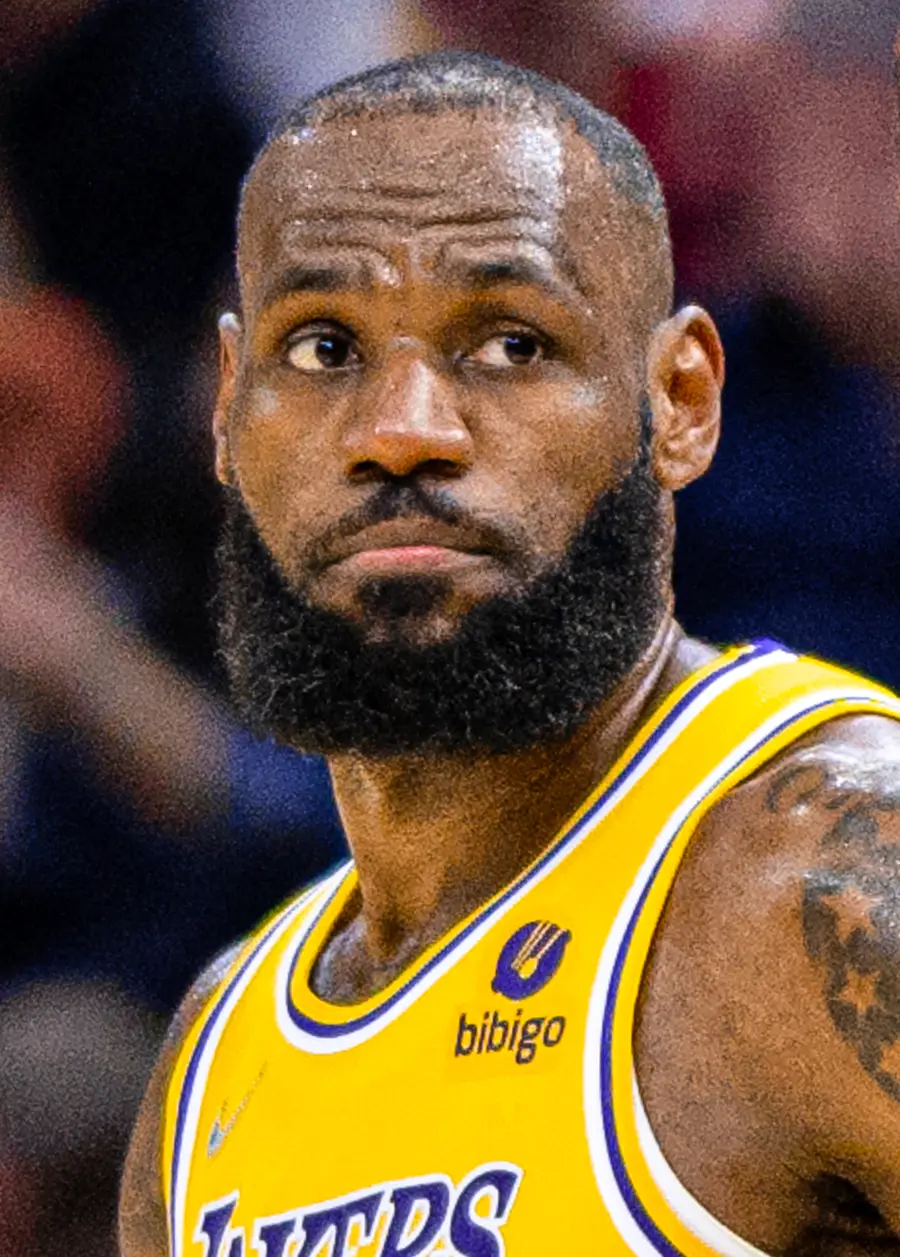
Image: Wikimedia Commons
Why We're Inspired
Born in Akron, Ohio, to a 16-year-old single mother, LeBron James moved from apartment to apartment as a boy and missed nearly 100 days of school in the fourth grade, living for a time in the Spring Hill Apartments that would later give his company its name.
Taken in by youth coach Frank Walker's family, he found stability, then became the most scrutinised high-school player in America. Drafted first overall in 2003, he won four NBA championships and four MVP awards and became the league's all-time leading scorer.
Off the court he built rather than simply endorsed: with Maverick Carter he co-founded LRMR and The SpringHill Company, the media and production business behind film, television and athlete storytelling, took an equity stake in Fenway Sports Group, and invested early in Blaze Pizza.
Forbes first declared him a billionaire in 2022 — the first active NBA player to reach that mark — with wealth built largely on ownership, not salary alone.
"I PROMISE to never forget where I came from."
The Story
James's giving runs through the LeBron James Family Foundation and its I PROMISE programme in Akron, which grew from mentoring and college scholarships into the I PROMISE School, a public school opened in 2018 for at-risk children, offering wraparound support for whole families.
He has described the school as ranking above championships among his achievements, and the foundation has pledged tens of millions toward sending Akron students to college — a promise made, fittingly, to kids growing up on the same streets he did.
Sources
Andscape — “Can LeBron deliver?”
Inc. — “How Stephen Curry Built a Billion-Dollar Business Empire” (mentions James among active-player billionaires, via Forbes)
Wikipedia — “LeBron James”
More from Bourgeois Society: Black Excellence in Sports · Tiger Woods · Stephen Curry
NBA Star, Golden State Warriors & Founder, Thirty Ink — San Francisco, CA
Official links: X
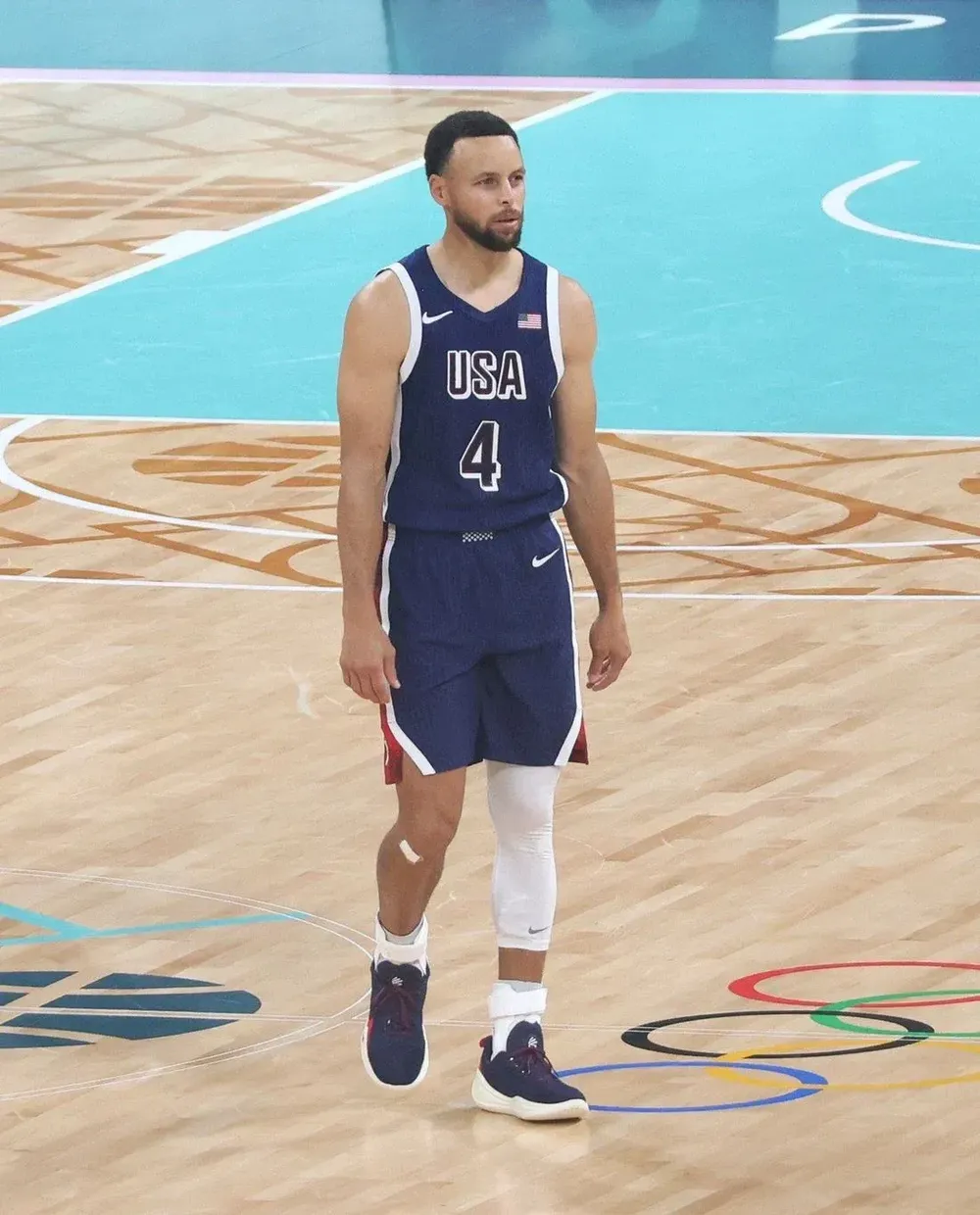
Image: Wikimedia Commons
Why We're Inspired
Stephen Curry's obstacle was never poverty — he is the son of NBA guard Dell Curry — it was the eye test. Six feet tall and about 160 pounds as a high-school senior, he received no scholarship offer from a major programme, not even his parents' Virginia Tech, and took his chance at tiny Davidson College.
There he led an Elite Eight run in 2008, then remade the NBA itself with the Golden State Warriors: four championships, two MVP awards, the first unanimous MVP in league history, and the all-time three-point record. Off the court he shifted, in his own phrase, from endorsement to enterprise.
His Thirty Ink houses Unanimous Media, his faith-, family- and sports-focused production company; the Underrated brand for overlooked athletes; Gentleman's Cut bourbon; and Penny Jar Capital, while Curry Brand, the Under Armour line he presides over, anchors a deal reported to be potentially worth up to $1 billion.
"That underrated mindset is always a part of my DNA and how I approach anything so you’ll never see me take my foot off the gas pedal until the ball really stops bouncing and I can’t do it at the level I want to do it anymore, just because I don’t want to take for granted the gifts that I’ve been given."
The Story
With his wife Ayesha, Curry launched the Eat. Learn. Play.
Foundation in 2019 to serve Oakland children — ending childhood hunger, improving literacy and building safe places to play, distributing meals and books and rebuilding playgrounds and sports courts.
His Underrated Basketball and Golf tours do the same work in sport, creating showcases specifically for overlooked young athletes from underserved communities, and Thirty Ink is reported to have generated about $173.5 million in revenue with its units profitable.
Sources
Inc. — “How Stephen Curry Built a Billion-Dollar Business Empire”
Radio Times — “Steph Curry on new documentary: 'Underrated mindset is always part of my DNA'”
More from Bourgeois Society: Black Excellence in Sports · LeBron James · Kevin Durant
NBA Star, Houston Rockets & Co-Founder, Thirty Five Ventures — Prince George's County, MD
Official links: LinkedIn · Instagram · X
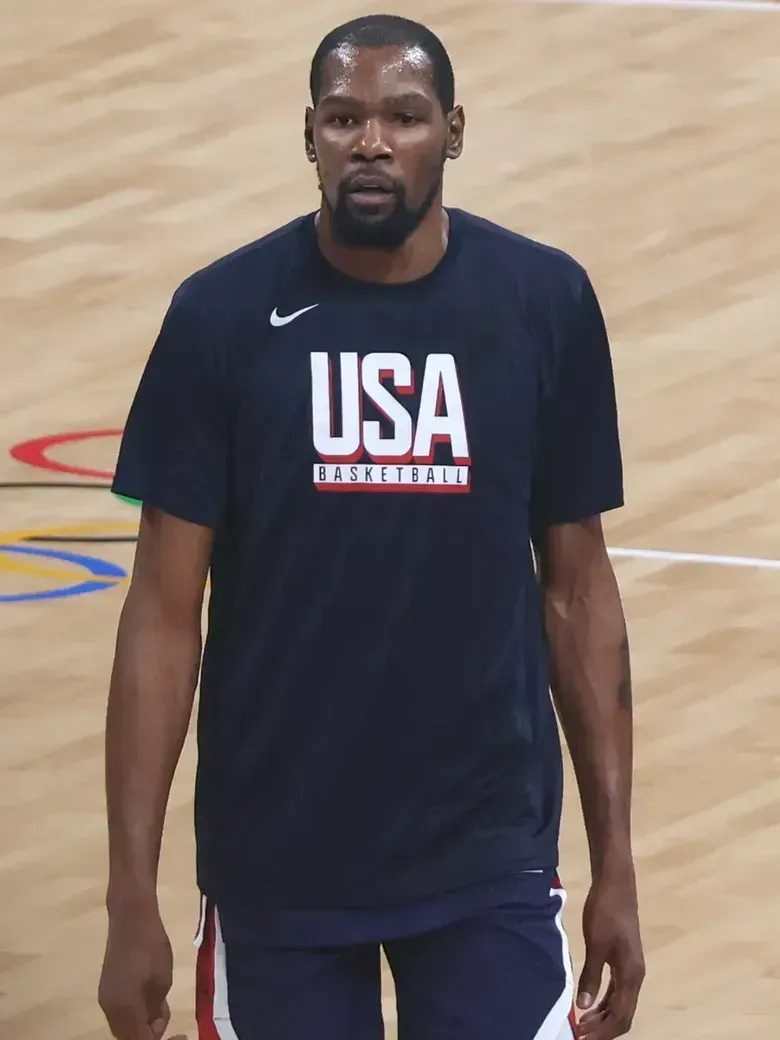
Image: Wikimedia Commons
Why We're Inspired
Kevin Durant's father left when he was an infant in Washington, D.C., and he was raised by his mother Wanda and his grandmother in Prince George's County, Maryland.
He lost his AAU coach and mentor Charles Craig to murder, and in his famous 2014 MVP speech he told his mother, who had him at 21 as a single parent, that she was 'the real MVP.' A two-time NBA champion, two-time Finals MVP and league MVP, he tore his Achilles tendon in the 2019 Finals — an injury that ends most careers at his level — and returned to elite scoring form.
Off the court, with Rich Kleiman he co-founded Thirty Five Ventures, an investment firm whose portfolio has included Coinbase, Robinhood, Whoop and Postmates, and Boardroom, the sports-business media company behind documentaries and the Apple TV+ series Swagger, which drew on his own Prince George's County upbringing.
"We weren’t supposed to be here. You made us believe. You kept us off the street, put clothes on our backs, food on the table. When you didn’t eat, you made sure we ate. You went to sleep hungry. You sacrificed for us. You’re the real MVP."
The Story
The Kevin Durant Charity Foundation's signature work is The Durant Center in Suitland, Maryland — a 10-year, $10 million programme run with College Track that helps low-income and underserved students enrol in and graduate from college, opened in his home county.
His Build It and They Will Ball project has renovated basketball courts around the world, and in 2018 he received both the NBA Cares Community Assist Award and ESPN's Muhammad Ali Sports Humanitarian Award.
Sources
Gotham FC — “Kevin Durant | Owner”
FanSided — “NBA highlights Kevin Durant, mom in Mother's Day commercial (Video)”
More from Bourgeois Society: Black Excellence in Sports · Stephen Curry · Magic Johnson
NBA Legend & Founder, Magic Johnson Enterprises — Los Angeles, CA
Official links: Website · Facebook · Instagram · X
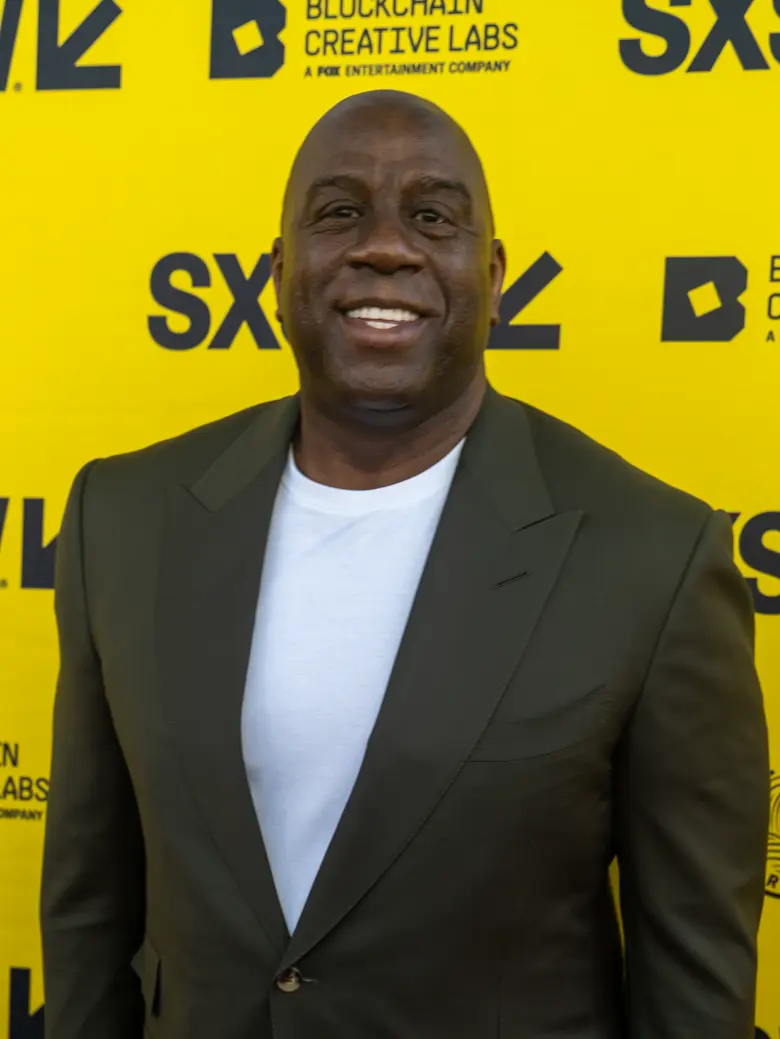
Image: Wikimedia Commons
Why We're Inspired
Earvin 'Magic' Johnson grew up poor in Lansing, Michigan, one of ten children, and became the smiling engine of the Los Angeles Lakers' Showtime era — five championships and three MVP awards. In 1991, at his prime, an HIV diagnosis forced his retirement and, in that era, was widely treated as a death sentence.
Johnson rebuilt in public twice over: as an HIV/AIDS advocate who changed how America understood the disease, and as a businessman determined to prove that underserved urban communities were good business.
Through Magic Johnson Enterprises he opened Magic Johnson Theatres and Starbucks, Burger King and 24 Hour Fitness locations in predominantly Black neighbourhoods retailers had ignored, took a 60% stake in life insurer EquiTrust in 2015, and joined ownership groups for the Los Angeles Dodgers, Los Angeles Sparks, LAFC and the Washington Commanders.
Forbes declared him a billionaire in 2023, on roughly $40 million of career NBA salary.
"You can grow up poor, but that doesn’t mean you have to have poor dreams,"
The Story
Johnson's business model is itself the giving: investing in ethnically diverse and underserved urban communities, creating jobs there and showing major retailers they could earn a return in neighbourhoods they had written off.
He has remained a leading HIV/AIDS awareness advocate for more than three decades, and speaks constantly to young people about education and generational wealth — telling students that growing up poor does not require poor dreams, and that his community's children should now dream of the boardroom as well as the court.
Sources
Entrepreneur — “Magic Johnson Is a Billionaire, See Net Worth, Investments”
Parade — “Magic Johnson Net Worth (2026): What He Made From NBA, Starbucks, More”
UrbanGeekz — “Magic Johnson shares business savvy with teen Disney Dreamers”
More from Bourgeois Society: Black Excellence in Sports · Kevin Durant · Shaquille O'Neal
NBA Legend & Founder, Big Chicken — Newark, NJ
Official links: Website · Facebook · Instagram · X
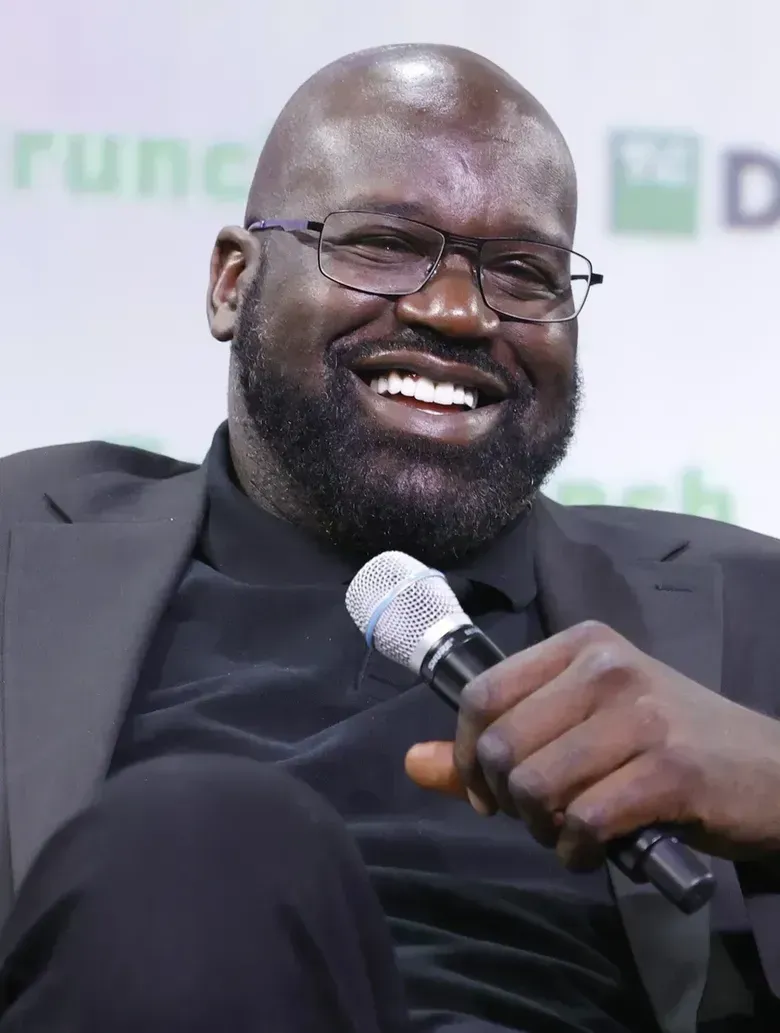
Image: Wikimedia Commons
Why We're Inspired
Shaquille O'Neal was born in Newark, New Jersey; his biological father was imprisoned when O'Neal was an infant, his mother worked multiple jobs, and he was raised largely by his stepfather, Army sergeant Phillip Harrison, in a household that knew food stamps and Boys & Girls Clubs.
He became the most dominant centre of his era — four NBA championships, an MVP award and a Hall of Fame career across 19 seasons. The second act was franchising.
O'Neal learned money the hard way, blowing through his first $1 million as a rookie, then built a portfolio the patient way: at various points 155 Five Guys restaurants, Auntie Anne's outlets, 40 gyms and about 150 car washes, alongside Papa John's locations and a Krispy Kreme.
In 2018 he co-founded his own chain, Big Chicken, built on his childhood favourites, which now has hundreds of locations in development, and he serves as president of basketball operations at Reebok.
"I’ve always been a businessman who is athletic,"
The Story
O'Neal's foundation work serves underserved youth, and his philanthropy is famously hands-on — he prefers to show up, find out what a school or family needs and take care of it himself rather than write a cheque and walk away.
In his hometown he co-owns Newark's CityPlex 12 cinema, reopened with the city in 2012, an investment in the same Newark streets where he started, and his annual Shaq-A-Claus events have given toys and essentials to children for decades.
Sources
Inc. — “Shaquille O'Neal Bought My 'For Dummies' Book — It Helped Him Build a Business Empire”
Thought Economics — “Shaquille O'Neal: NBA Legend on Basketball, Business & Life”
More from Bourgeois Society: Black Excellence in Sports · Magic Johnson · Chris Paul
NBA Point Guard & Founder, The Chris Paul Collective — Winston-Salem, NC
Official links: Facebook · Instagram · X
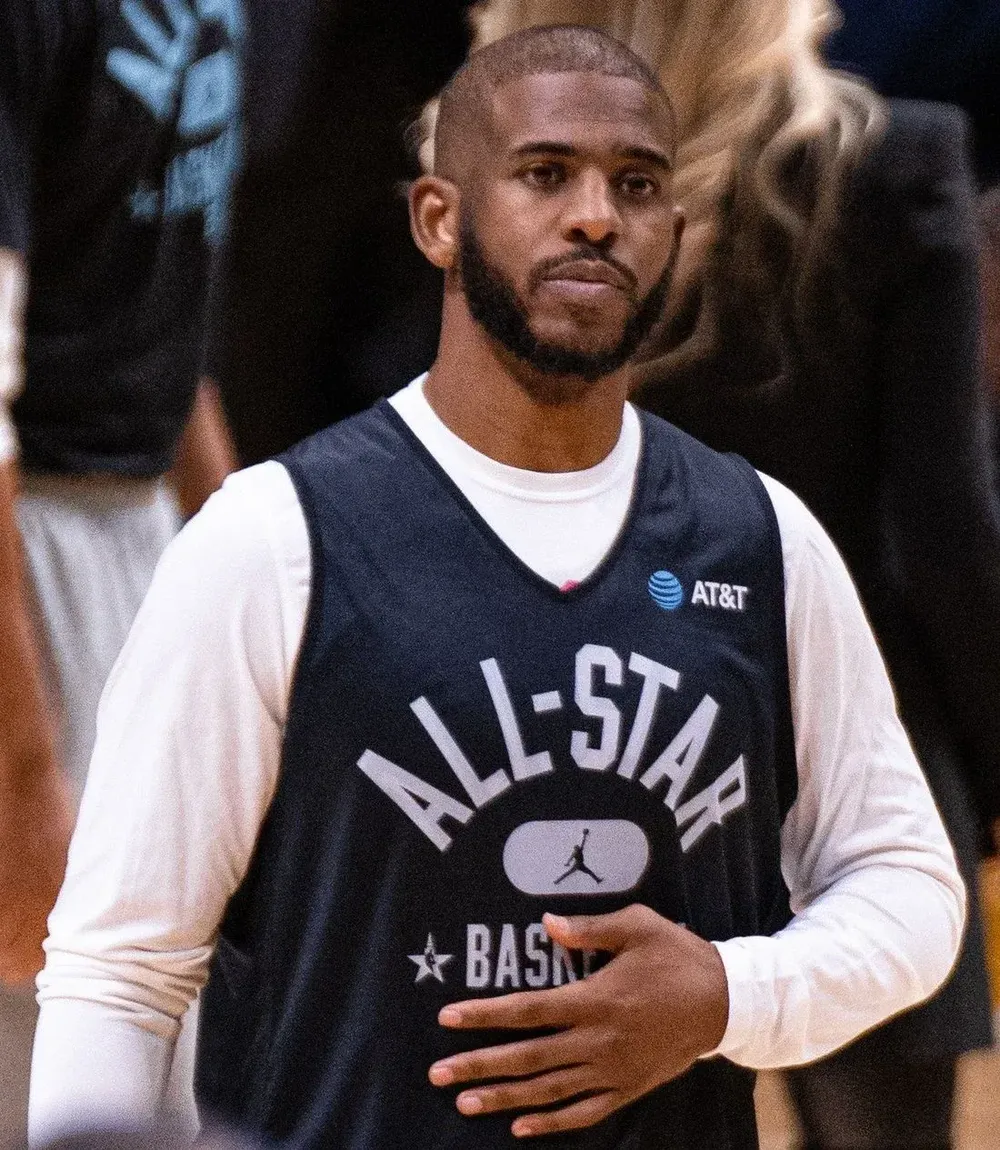
Image: Wikimedia Commons
Why We're Inspired
Chris Paul's defining loss came before the NBA. The day after he signed to play at Wake Forest, his grandfather Nathaniel 'Papa' Jones — owner of, as Paul tells it, the first Black-owned service station in North Carolina, and the boy's best friend and moral compass — was robbed and beaten and died at 61.
The day after the funeral, Paul scored exactly 61 points in his high-school opener, one for each year of his grandfather's life, deliberately air-balling a free throw and walking off rather than chase the state record.
He became a 12-time All-Star across two decades, served as president of the players' association, and built The Chris Paul Collective to house his businesses, co-owns Ohh Dip!!! Entertainment, and founded the plant-based snack brand Good Eat'n. His 2023 memoir Sixty-One turned his grandfather's lessons on faith, family and work into his public philosophy.
"One of the videos I came across looked like a party with my family. And in walks my grandfather. And it was a video from his 60th birthday party. And it messed me up. I hadn’t heard my grandfather’s voice since I was 17."
The Story
Paul launched the CP3 Foundation in 2005 in his grandfather's honour; its Nathaniel Jones Scholarship Fund sends Forsyth County students to Wake Forest, and his Club 61 youth programme teaches mentorship, financial literacy and civic engagement.
He has been a prominent HBCU champion, creating a Business of Entertainment, Media and Sports course with North Carolina A&T and Harvard Business School's Anita Elberse, and welcoming its students to his games. In November 2025 he announced he would retire at the end of the season.
Sources
Sports Illustrated — “Chris Paul: New book gives personal look at point guard's childhood”
Kirkus Reviews — “SIXTY-ONE: Life Lessons from Papa, On and Off the Court”
Citizen Newspaper Group — “The Chris Paul Collective enters next stage of growth in Los Angeles”
More from Bourgeois Society: Black Excellence in Sports · Shaquille O'Neal · Carmelo Anthony
NBA Legend & Co-Founder, Melo7 Tech Partners — New York, NY
Official links: X
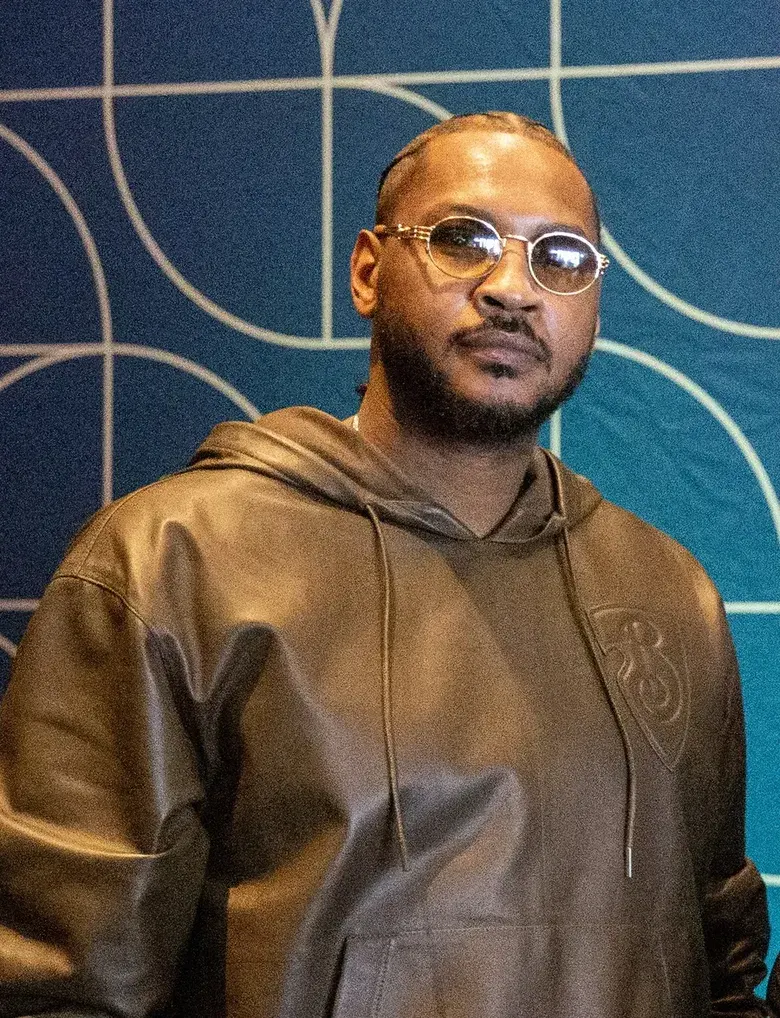
Image: Wikimedia Commons
Why We're Inspired
Carmelo Anthony lost his father when he was two and grew up first in the Red Hook housing projects of Brooklyn and then in West Baltimore's Murphy Homes, around poverty, violence and racism — the childhood he laid bare in his New York Times bestselling memoir Where Tomorrows Aren't Promised, named for how uncertain survival itself felt.
Basketball, family and mentors carried him out: an NCAA title at Syracuse as a freshman, then a 19-season NBA career, ten All-Star selections and a place among the game's greatest scorers, capped by Hall of Fame induction.
While still playing, in 2014, he co-founded Melo7 Tech Partners in New York, insisting on owning ventures rather than merely endorsing other people's, and later built Creative 7 Productions for film, television and digital stories of social justice, perseverance and untold histories, alongside his VII(N) wine estate.
The kid from the projects became a venture capitalist on his own terms.
"I don’t want to just be an athlete… I want to be bigger than that. I want to shape my own destiny."
The Story
Anthony's foundation work has long centred on the two cities that raised him, funding youth centres, courts and community programmes in Baltimore and New York, and his production company deliberately develops projects about perseverance and untold histories rather than celebrity alone.
Through Melo7 he has backed dozens of early-stage companies, modelling for younger players the lesson of his own career: that ownership, started early and patiently, outlasts the playing contract that first made it possible.
Sources
PlayersTV — “Carmelo Anthony: NBA Hall of Famer and Business Mogul”
Hustle Fund — “Angel Squad: Carmelo Anthony's investments — the NBA Hall of Famer who started a VC firm while still playing”
Bookshop.org — “Where Tomorrows Aren't Promised: A Memoir of Survival and Hope” (publisher description)
More from Bourgeois Society: Black Excellence in Sports · Chris Paul · Dwyane Wade
NBA Legend, Co-Founder of Wade Cellars & Founder, 59th & Prairie Entertainment — Chicago, IL
Official links: Website · Facebook · Instagram · X
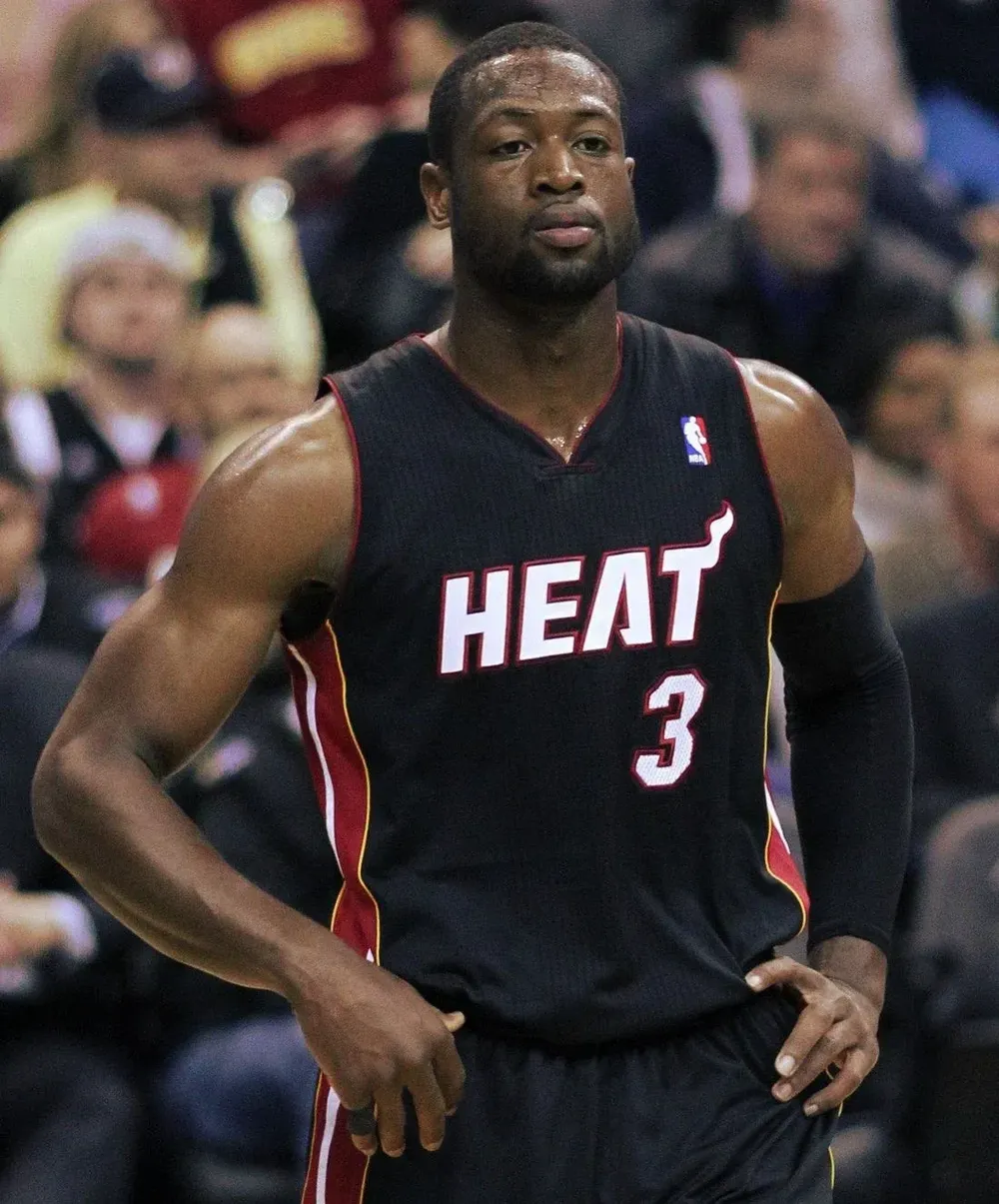
Image: Wikimedia Commons
Why We're Inspired
Dwyane Wade grew up poor on Chicago's South Side, on welfare, in neighbourhoods shaped by gangs and drugs; his mother Jolinda battled addiction and served prison time, and at eight his sister took him to live with his father in search of a better life.
He became the face of the Miami Heat — three championships, thirteen All-Star selections and a Hall of Fame career — and built a second life as an owner and maker: Wade Cellars, his wine company; Proudly, the baby-care brand for children of colour he co-founded with Gabrielle Union; and 59th & Prairie Entertainment, his production company, named for a Chicago intersection of his childhood.
He bought minority stakes in the Utah Jazz in 2021 and his hometown Chicago Sky in 2023. In December 2023 he underwent surgery that removed a cancerous tumour and 40 percent of his right kidney, a fight he kept private for a year.
"My own journey to have that surgery, I think it was the first time that my family, my dad, my kids, they saw me weak. That moment was probably the weakest point I've ever felt in my life."
The Story
Wade has used his businesses as access machines: Wade Cellars partners with UC Davis to recruit more diverse students into winemaking, Proudly was built specifically for melanated skin and hair, and his ownership stakes put a South Side kid on the other side of the table in two leagues.
Since revealing his cancer surgery on his podcast The Why With Dwyane Wade, he has spoken openly about men's health and check-ups — prompted, he says, by his own father's prostate cancer — turning a private scare into public encouragement.
Sources
CBS Sports — “Basketball Hall of Famer Dwyane Wade reveals he had cancerous tumor removed from his kidney in 2023”
Black Enterprise — “Dwyane Wade to work with UC Davis to recruit more diverse winemaking students”
TheWrap — “Miami Heat's Dwyane Wade Teams With Ron Howard's Imagine for Doc About NBA Career”
More from Bourgeois Society: Black Excellence in Sports · Carmelo Anthony · Grant Hill
NBA Legend, Atlanta Hawks Co-Owner & Founder, Hill Ventures — Orlando, FL
Official links: Website · Instagram · X
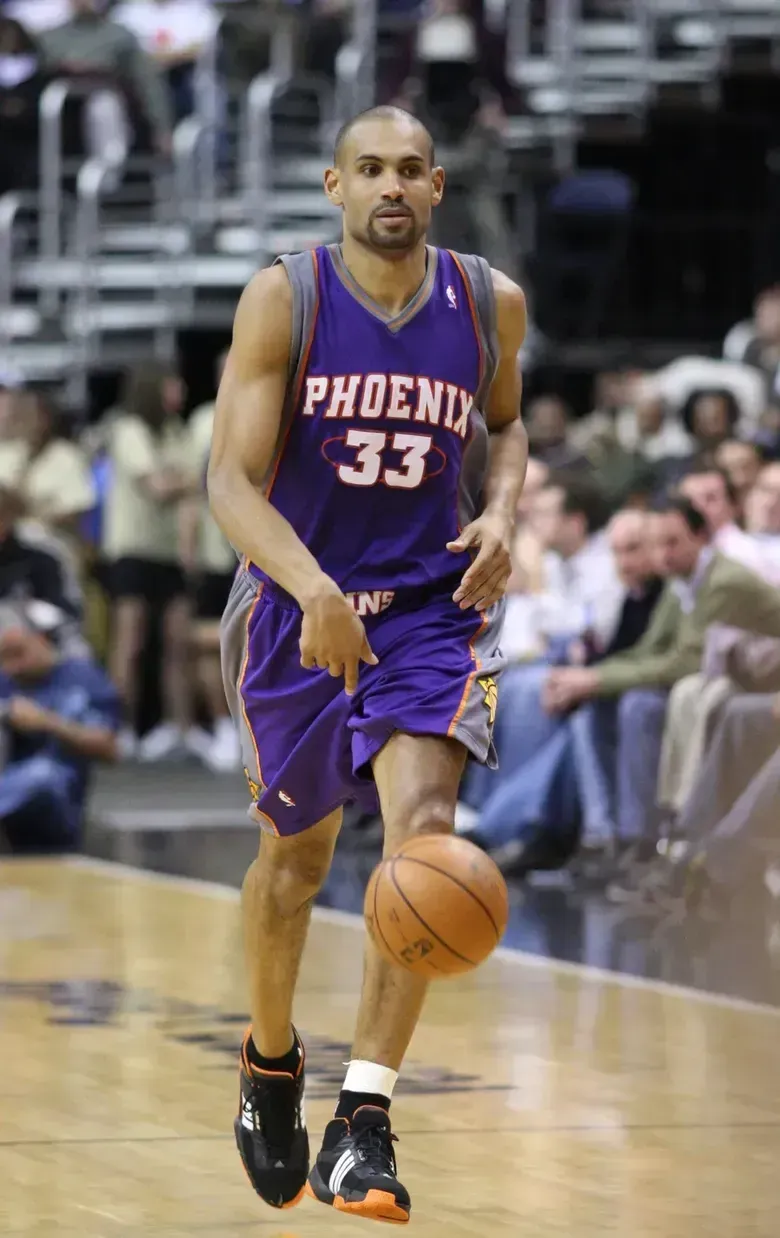
Image: Wikimedia Commons
Why We're Inspired
Grant Hill's story is the great career interrupted — and then rebuilt twice. The Duke star and Detroit Pistons phenom broke his ankle in April 2000, played through it, and spent years in surgeries; in 2003 a procedure to realign the joint brought a life-threatening MRSA infection that nearly killed him and cost him whole seasons.
Written off repeatedly, he reinvented himself as a durable veteran and played until he was 40, finishing a 19-season Hall of Fame career.
His second act may be bigger than his first act promised to be: through Hill Ventures he has developed commercial real estate including Atlanta's Centennial Yards redevelopment, co-founded the Penta Mezzanine Fund, and joined ownership groups for the Atlanta Hawks, Orlando City SC and the Orlando Pride, and the Baltimore Orioles — a portfolio that has built an estimated net worth of about $250 million, well beyond his playing earnings.
"Nobody put a gun to my head and forced me to play. But also, nobody told me not to play."
The Story
Hill now serves as managing director of USA Basketball, assembling the men's national team that won Olympic gold in 2024, and sits on corporate boards including Empire State Realty Trust.
The Tamia & Grant Hill Foundation, run with his wife, funds education, literacy and food-security programmes, and Hill's post-career message to players is consistent with his own portfolio: favour hard, real assets, build things that last, and let discipline — the same discipline that carried him through five ankle surgeries — do the compounding.
Sources
Bisnow — “Grant Hill joins Empire State Realty Trust board”
Yardbarker — “'The Medical Community Didn't Do Me Right': Grant Hill Reveals Botched Rehab Led to 5 Surgeries and Cost 4 NBA Seasons”
More from Bourgeois Society: Black Excellence in Sports · Dwyane Wade · Jamal Mashburn
NBA Champion, Detroit Pistons 'Microwave' & Founder, Chairman & CEO, Piston Group — Detroit, MI
Official links: Website
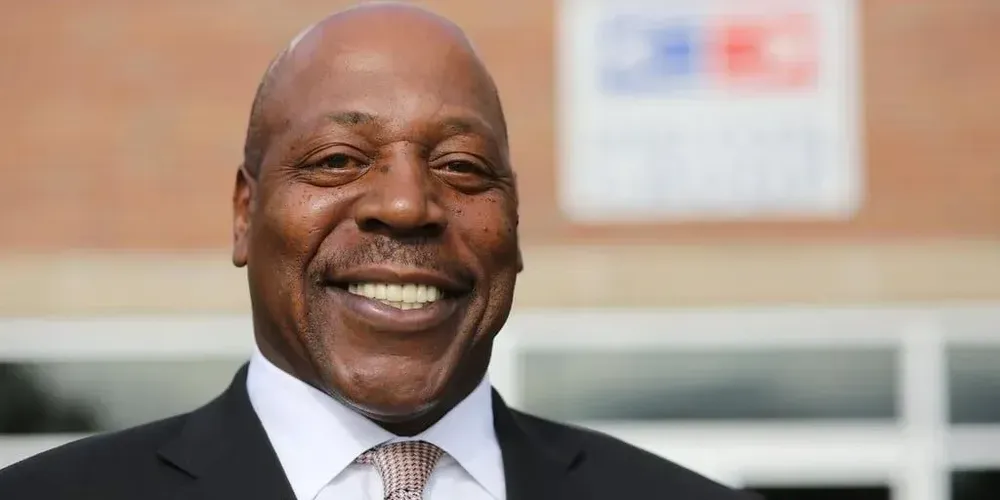
Image: Automotive News
Why We're Inspired
Vinnie Johnson was never the star. The Brooklyn native was the Detroit Pistons' career sixth man — 'The Microwave,' because he heated up instantly off the bench — on the Bad Boys teams that won back-to-back championships in 1989 and 1990, and he earned only about $5–6 million across his entire NBA career. His first post-retirement business failed.
What he did next quietly out-earned almost every superstar of his era: in the mid-1990s he founded Piston Automotive in Detroit, deliberately building in the city that had supported him, called on General Motors with a jobs-for-Detroit pitch, and compounded a small supplier, contract by contract, into Piston Group.
The company he still runs as founder, chairman and CEO is described by the firm as the largest minority-owned manufacturing company in North America, generating more than $3 billion in annual revenue and employing over 10,000 people across the US, Mexico and Canada.
"I really wanted to get into business and create some jobs and opportunities. I wanted to do something different outside of basketball, but the main thing was giving back to the city of Detroit for all the support they have given me."
The Story
Johnson founded Piston Group in Detroit specifically to create jobs and give back to the city that supported him, and in 2010 he established the Vinnie Johnson Foundation to expand educational opportunities for children in Detroit and other urban communities.
He supports organisations including Alternatives for Girls, Boys & Girls Clubs of Southeastern Michigan, Focus: HOPE and Habitat for Humanity — a bench player's career turned into one of American manufacturing's largest employers, headquartered where his playing career made him beloved.
Sources
Piston Group — “Vinnie Johnson, Founder, Chairman & CEO” (company profile)
Basketball Network — “Vinnie Johnson shares the inspiration behind his $3.4 billion company”
Northwood University — “Vinnie Johnson”
More from Bourgeois Society: Black Excellence in Sports · Jamal Mashburn · Emmitt Smith
NFL Hall of Famer & Founder, EJ Smith Enterprises / ESmith Legacy — Dallas, TX
Official links: Facebook · Instagram · X
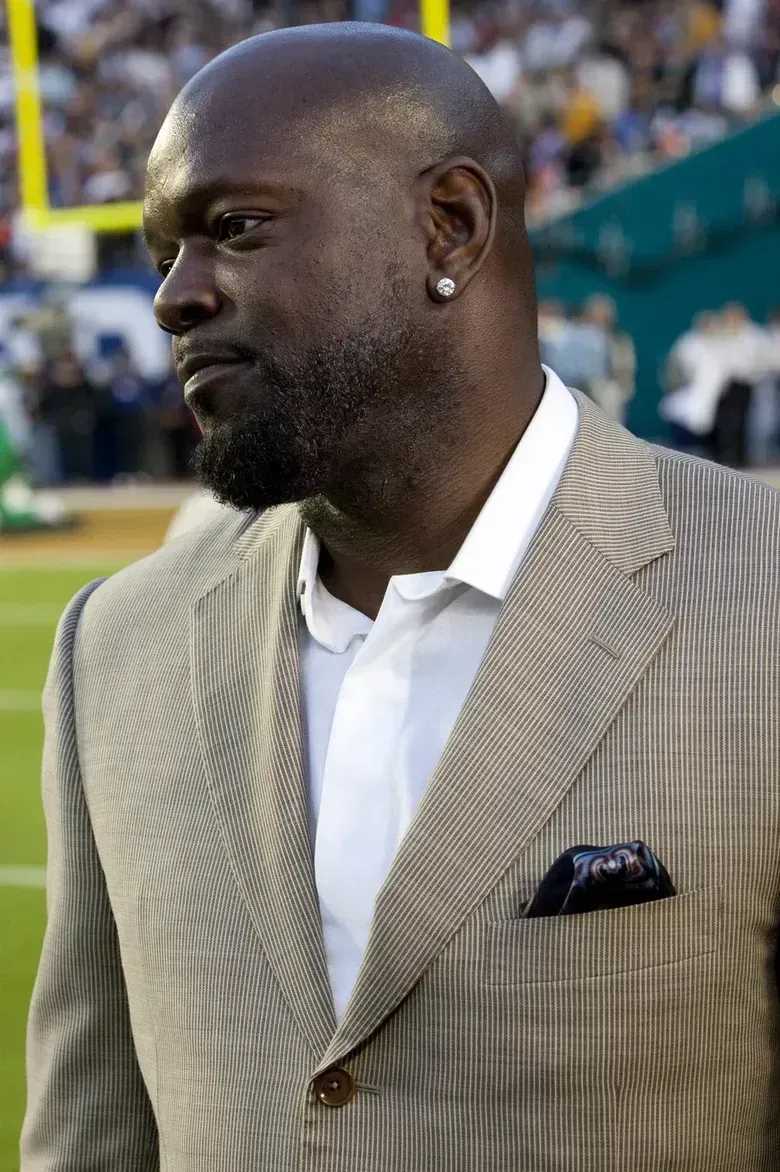
Image: Wikimedia Commons
Why We're Inspired
Emmitt Smith grew up in the projects of Pensacola, Florida, a bus driver's son whose own father had seen his football dream end before college, and he was doubted at every level as too small and too slow.
He answered with a written goal: sitting in his apartment in 1990, the young Dallas Cowboy wrote down that he would become the NFL's all-time rushing leader — and twelve years later, in 2002, he broke Walter Payton's record, finishing with 18,355 yards, three Super Bowl rings and a Hall of Fame induction.
Mentored into development by fellow Cowboy Roger Staubach — and influenced, he says, by Magic Johnson — he co-founded Smith/Cypress Partners in 2005 to redevelop underutilised urban property, then E Smith Realty Partners in 2013, and now builds through EJ Smith Enterprises and ESmith Legacy, earning a CCIM credential so, as he insists, he would be no figurehead.
"I know about the things facing urban neighborhoods and what's happening when businesses are walking away from them. That's what makes what we're doing — buying and renovating property in these neighborhoods — more than just business to me."
The Story
ESmith Legacy deliberately targets development in underserved and minority communities — multifamily housing, retail and hospitality that brings national anchors back into neighbourhoods businesses had walked away from, work Smith says is 'more than just business' to him because he knows those neighbourhoods.
With his wife he co-founded Pat & Emmitt Smith Charities in 2002 to create opportunities and resources for children, extending the 'angels' — the mentors who lent him a hand as a kid in the projects — to the next generation.
Sources
Bisnow — “Emmitt Smith” (Richest in Real Estate)
Bisnow — “Exclusive Q&A With NFL Legend And Real Estate MVP Emmitt Smith, Part 1: I'm Not Just A Figurehead!”
Rave Speakers — “Emmitt Smith, Keynote Speaker”
More from Bourgeois Society: Black Excellence in Sports · Vinnie Johnson · Larry Fitzgerald
NFL Legend & Co-Founder, Trenches Capital — Phoenix, AZ
Official links: LinkedIn · Facebook · Instagram · X
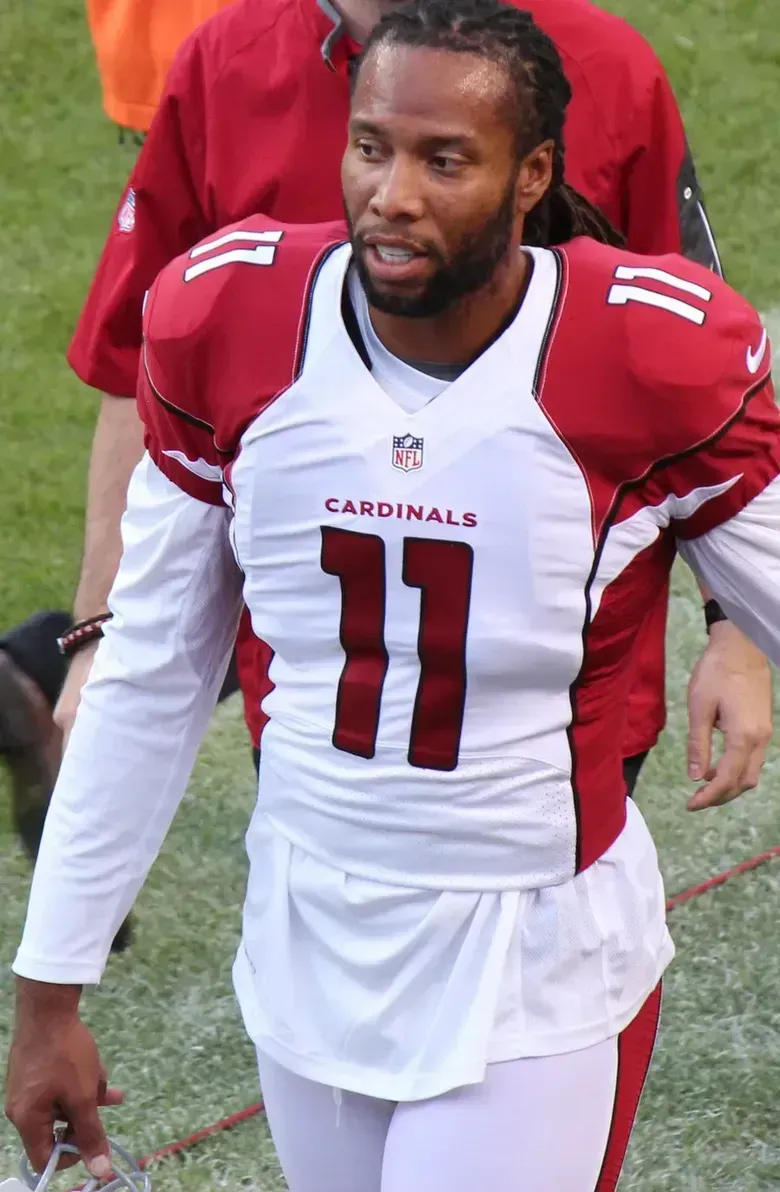
Image: Wikimedia Commons
Why We're Inspired
Larry Fitzgerald played seventeen seasons for one team, the Arizona Cardinals, and finished second in NFL history in receptions and receiving yards — yet the loss that organised his life came before his career began.
His mother Carol, a Minnesota state worker who spent her career helping victims of disease, died of breast cancer in 2003, after a seven-year battle, just before he reached the NFL; he grew his trademark dreadlocks from his college freshman year in her memory.
On the field he became the era's model of loyalty and sportsmanship — eleven Pro Bowls, the inaugural Art Rooney Sportsmanship Award, and never a shortcut.
Off it, he did an off-season internship that set him up as an investor while still playing, built a portfolio of stakes in more than 160 companies, co-founded the venture firm Trenches Capital and Larry Fitzgerald Enterprises, and took a minority stake in the Phoenix Suns.
"I’ve never caught a touchdown by myself. It’s the offensive line protecting the quarterback, the quarterback throwing the ball. It’s me doing my job. … So, I would be wrong to take singular credit for that."
The Story
Fitzgerald founded the Carol Fitzgerald Memorial Fund to carry on his mother's work — breast-cancer research, awareness and resources for patients and families, particularly in underserved communities, alongside education of urban youth on HIV/AIDS — and his First Down Fund / Larry Fitzgerald Foundation supports young people in Phoenix and his hometown of Minneapolis with reading, after-school programmes, sports camps and technology access.
The work earned him the 2016 Walter Payton NFL Man of the Year Award, shared with Eli Manning.
Sources
Musial Awards — “Larry Fitzgerald, Jr.”
Arizona Cardinals — “Larry Fitzgerald Earns Co-NFL Man Of Year Honor”
Harvard Business School (Harvard Business Review Store) — “Larry Fitzgerald: Life After NFL Stardom” (case study)
More from Bourgeois Society: Black Excellence in Sports · Emmitt Smith · Russell Wilson
NFL Quarterback, Super Bowl Champion & Founder, West2East Empire — New York, NY
Official links: Website · Facebook · Instagram · X
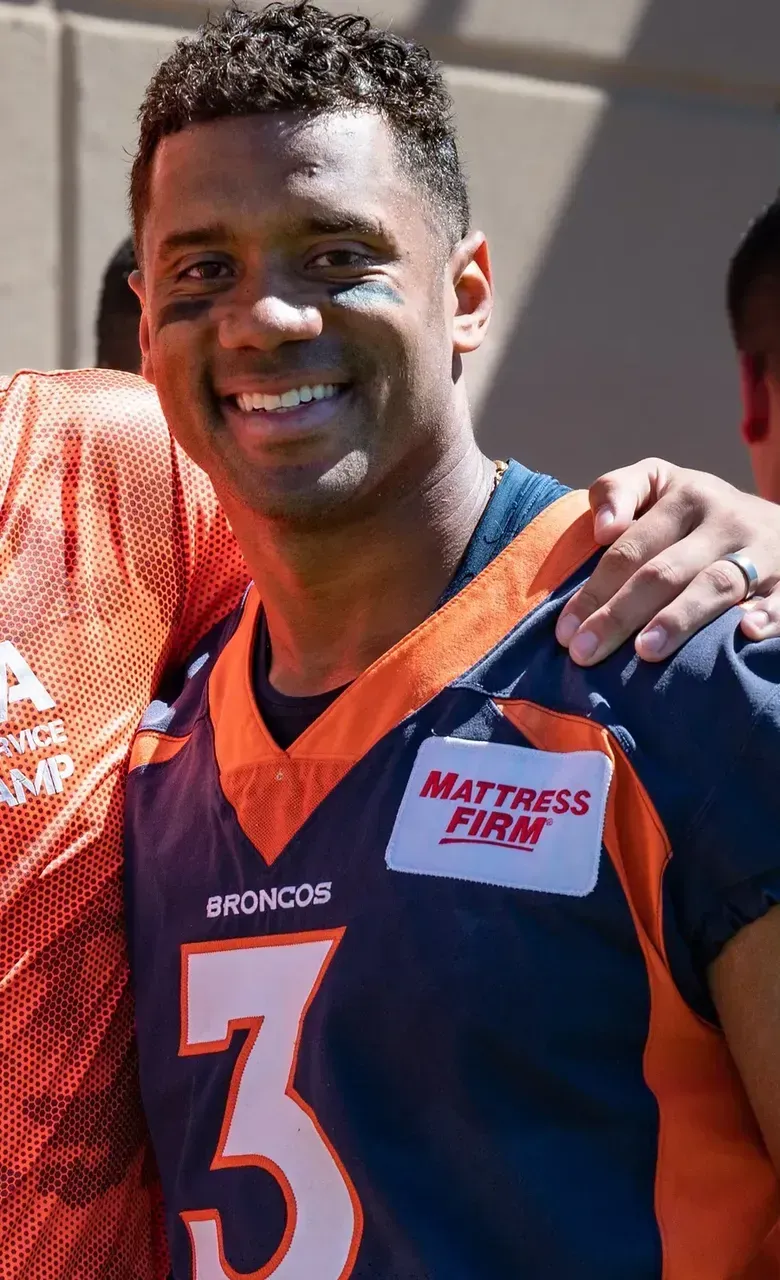
Image: Wikimedia Commons
Why We're Inspired
Russell Wilson was told, in so many words, that his body disqualified him: a 5-foot-11 quarterback from Richmond, Virginia, he slid to the third round of the 2012 NFL Draft, 75th overall, over concerns about his size.
He won the Seattle Seahawks' starting job as a rookie, led the franchise to its only Super Bowl title in his second season, and became a ten-time Pro Bowler.
The question he turned into a brand — 'Why not you?' — now organises an empire built through his West2East Empire: Why Not You Productions, the film and television company he runs with his wife Ciara for scripted and unscripted inspiring stories; Limitless Minds, the mental-fitness company he co-founded; and 3BRAND, the children's sportswear line the couple co-founded, which passed $100 million in sales in 2024 — an underdog, again, selling into an industry of giants.
"It’s about motivating the next generation,"
The Story
Wilson launched the Why Not You Foundation in 2014 to motivate and empower young people through education, children's health and the fight against poverty, raising millions including $2.6 million for Strong Against Cancer, and his weekly hospital visits to Seattle Children's became a signature of his Seahawks years.
The philanthropy was recognised with the 2020 Walter Payton NFL Man of the Year Award and the 2022 Bart Starr Award, and the foundation continues its youth work alongside his playing and production careers.
Sources
Seattle Seahawks — “Super Bowl Champion Russell Wilson, NFL FLAG, Seattle Seahawks Unveil Russell Wilson NFL FLAG Football”
Portland Diamond Project — “Russell Wilson” (speaker/story profile)
Aspen Ideas Festival — “Russell Wilson” (speaker bio)
More from Bourgeois Society: Black Excellence in Sports · Larry Fitzgerald · Warrick Dunn
NFL Running Back, Walter Payton Man of the Year & Founder, Warrick Dunn Charities — Atlanta, GA
Official links: Website · Facebook · X
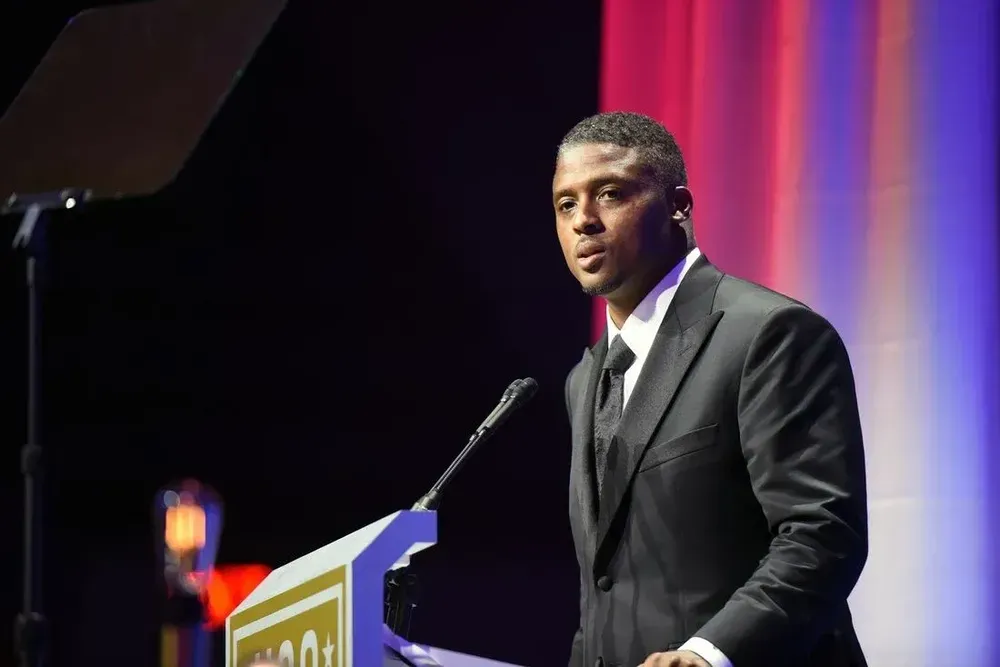
Image: Wikimedia Commons
Why We're Inspired
Two days after Warrick Dunn turned eighteen, his mother Betty Smothers — a Baton Rouge police corporal, a single mother of six who worked a second job as a security escort and dreamed, above everything, of owning a home — was ambushed and killed on that second job, in January 1993.
Dunn, suddenly head of the household, helped raise his five younger siblings, starred at Florida State, and spent twelve seasons with the Tampa Bay Buccaneers and Atlanta Falcons, a three-time Pro Bowler who was always considered undersized for his position.
With his mother's life-insurance money the family bought a home; with his career he decided other single mothers would get the same chance she never did. After football he founded WD Communities to build affordable housing in underserved neighbourhoods and became a minority, limited owner of the Atlanta Falcons — the franchise he once starred for.
"My mom inspired me to do what she did in her life – help others. People say I’m giving back, but I think I’m getting a lot more than what I put in. We can all make the world a little better by doing just a little bit with whatever we have to offer."
The Story
Dunn started Homes for the Holidays in his rookie season, 1997, making down payments on fully furnished homes for single mothers in honour of his mother, working with Habitat for Humanity and similar partners.
The programme, now the flagship of Warrick Dunn Charities, has helped more than 200 single parents become first-time homeowners, and roughly nine in ten recipients remain homeowners.
Dunn was named the 2004 Walter Payton NFL Man of the Year, and he later met and forgave one of his mother's killers — completing, in public, the journey from tragedy to housing and hope.
Sources
Florida State University (Seminoles.com) — “Warrick Dunn Named Walter Payton NFL Man of the Year”
Habitat for Humanity of Walton County (via Bay Life Media Group) — “Warrick Dunn Delivers Dream Home Surprise for Single Mom of Four”
Stand Together — “Lessons from NFL Man of the Year recipients”
More from Bourgeois Society: Black Excellence in Sports · Russell Wilson · David Ortiz
NBA All-Star & Founder, Mashburn Enterprises — Lexington, KY
Official links: X
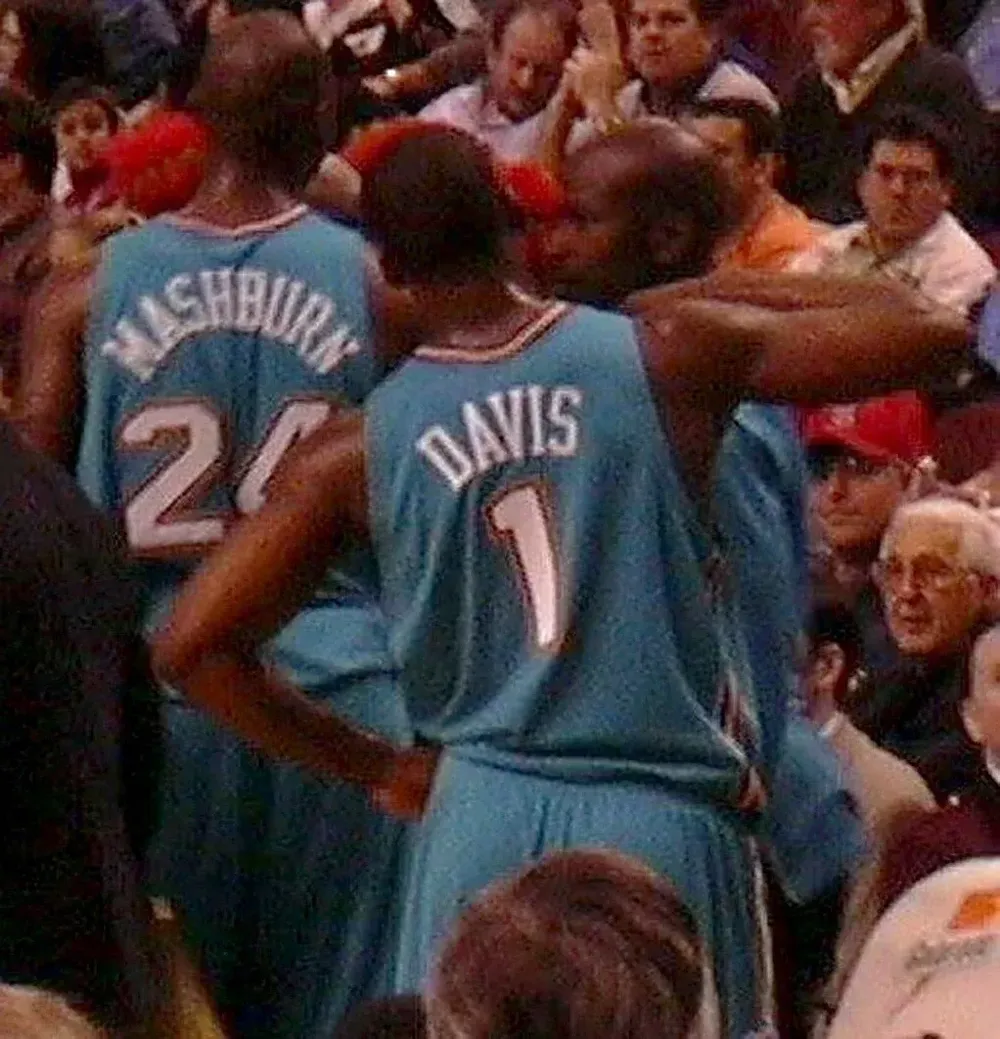
Image: Wikimedia Commons
Why We're Inspired
Jamal Mashburn grew up in the Harlem projects, watching businessmen with briefcases ride the same subway he took from home to school downtown — and decided early that he wanted to know what was in the briefcase.
His father had boxed professionally without making real money at it; his parents divorced when he was ten and his mother, his sole provider, told him plainly there was no money for college, so he would have to earn a scholarship in arts, sports or academics. He chose sports.
Before he had signed his first professional contract, the Kentucky star had already endowed a scholarship fund, and a year into his NBA career he made his first investment, in Outback Steakhouse.
Chronic knee damage — the cartilage in his right knee worn out — forced his retirement in 2006, but by then the second career was already running: Mashburn Enterprises grew to own scores of restaurant franchises and several car dealerships.
"I said I wanted to step into a live active business when I finish my first contract."
The Story
Mashburn's giving started before his earning did: in 1993, before signing his first pro contract, he donated $500,000 to establish the Mashburn Scholarship Fund at the University of Kentucky, which identifies Lexington-area ninth-graders, tracks them through high school and awards full scholarships to the university.
He has also championed colon-cancer prevention through the Box Out Colon Cancer campaign after his mother's 2003 diagnosis, and preaches ownership and financial literacy to current players as the league's standing example of planning for life after basketball.
Sources
WealthManagement.com — “Former NBA Star Jamal Mashburn: My Advisor Listened to Me”
talkSPORT — “Forgotten NBA man owned over 90 businesses and has stunning $100m net worth”
Legends of Basketball (NBRPA) — “On Track: For Jamal Mashburn, Retirement from the NBA Was Just the Beginning”
More from Bourgeois Society: Black Excellence in Sports · Grant Hill · Vinnie Johnson
Questions & Answers
What do athletes do after their playing careers?
The contracts were just the seed money. What these fifteen built after the final whistle — that is the real highlight reel. On this page you will meet LeBron James, Stephen Curry, Kevin Durant and 12 more.
Who is Shaquille O'Neal?
NBA Legend & Founder, Big Chicken — Newark, NJ. Shaquille O'Neal was born in Newark, New Jersey; his biological father was imprisoned when O'Neal was an infant, his mother worked multiple jobs, and he was raised largely by his stepfather, Army sergeant Phillip Harrison, in a household that knew food stamps and Boys & Girls Clubs.
Who is Dwyane Wade?
NBA Legend, Co-Founder of Wade Cellars & Founder, 59th & Prairie Entertainment — Chicago, IL. Dwyane Wade grew up poor on Chicago's South Side, on welfare, in neighbourhoods shaped by gangs and drugs; his mother Jolinda battled addiction and served prison time, and at eight his sister took him to live with his father in search of a better life.
How do former athletes build business empires?
The contracts were just the seed money. What these fifteen built after the final whistle — that is the real highlight reel. The people on this page — LeBron James, Stephen Curry, Kevin Durant, Magic Johnson — each answer it in their own way.