
Photograph: Splitshire
Women of Black Excellence: The Moguls Behind Cathy Hughes, Arlan Hamilton, Monique Rodriguez and Beatrice Dixon
Thirty-two banks told Cathy Hughes no. Eighty-six investors told Denise Woodard no. Arlan Hamilton built her fund while homeless. "No" is just where these women start negotiating.
Produced and Edited by the Bourgeois Society Staff
The twelve women on this list built media empires, venture funds, food brands and construction dynasties in rooms that were not built for them — and most of them were told, in plain language, to go away. They stayed. What they own now employs thousands and has quietly changed what a founder is allowed to look like.
The honorees on this list were selected based on several factors: the size of the obstacle they had to climb, what they actually built with their own hands, the weight of what they give back, and whether their story makes you want to get up and build something yourself.
Every profile below is fact-checked, and every source is linked, so you can read the receipts yourself.
Founder and Chairwoman, Urban One — Washington, DC
Official links: Website
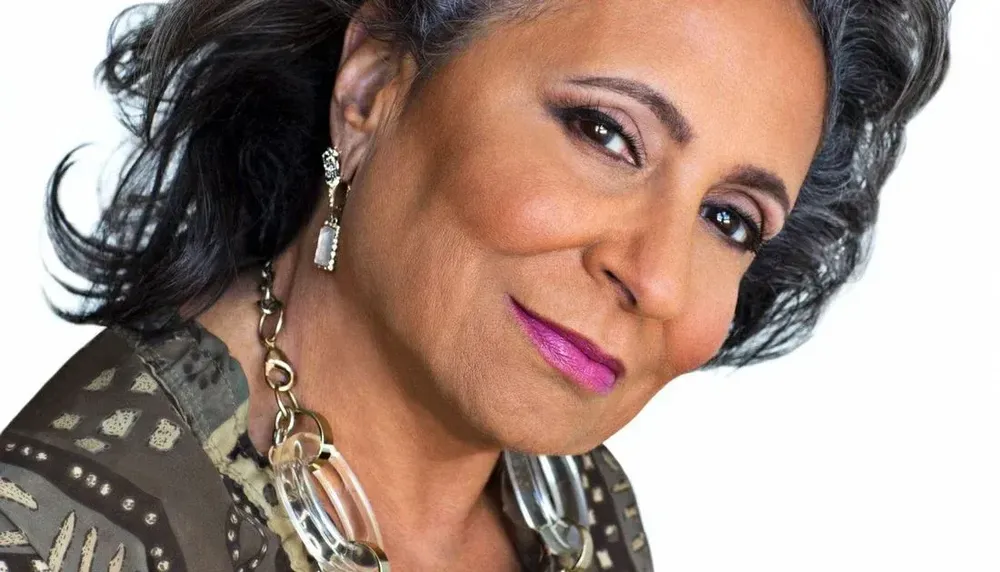
Image: Bossip
Why We're Inspired
Cathy Hughes was a divorced single mother when she set out to own a radio station, and banks turned her down thirty-two times before one finally said yes. In 1980 she and her then-husband Dewey bought WOL-AM in Washington, D.C., and founded Radio One.
When hard times hit, she gave up her apartment and moved into the station with her young son Alfred, hosting the morning show herself for eleven years and building the audience around a simple conviction: information is power.
She had already proven her programming genius at Howard University's WHUR, where she became the station's general manager and created the Quiet Storm format.
Station by station, she grew that one struggling AM signal into Urban One, the largest Black-owned broadcast company in America, spanning radio, TV One, Reach Media and iOne Digital — and in 1999 she became the first Black woman to head a publicly traded media company.
"Information is power. It wasn’t just my slogan. I still believe that to this day."
The Story
More than four decades on, Hughes remains chairwoman of Urban One while her son Alfred Liggins III serves as CEO, a mother-son legacy almost unheard of in American media. Her lifelong mission has been advocacy for her listeners — news, public affairs and community voices that mainstream outlets ignored — and ensuring diverse creatives have a seat at the table.
Howard University named its school of communications for her, and in 2025 Urban One celebrated forty-five years since she founded Radio One.
Sources
The History Makers — “Cathy Hughes's Biography”
Syndeo Institute at The Cable Center — “Cathy Hughes Oral History”
Capitol Communicator — “Cathy Hughes celebrates 45 years since founding Radio One”
More from Bourgeois Society: Women of Black Excellence · Pat McGrath · Arlan Hamilton
Founder and Managing Partner, Backstage Capital — Los Angeles, CA
Official links: Website · LinkedIn · Instagram · X
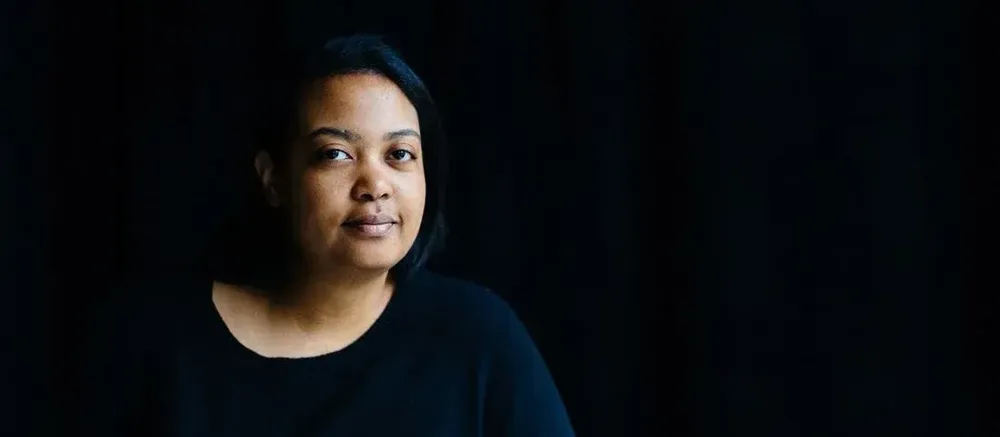
Image: University of Oxford
Why We're Inspired
In 2015 Arlan Hamilton was homeless, sleeping on the floor of San Francisco International Airport and couch-surfing, while she taught herself venture capital from library books, YouTube videos and hundreds of unanswered emails.
She had no college degree, no finance background and no network — what she had was outrage at how little venture funding reached women, people of color and LGBTQ founders, and a determination to fix it herself. That year she launched Backstage Capital in Los Angeles, a seed-stage fund built specifically for founders she calls underestimated rather than underrepresented.
The rejections kept coming, but so did the deals: Backstage went on to invest in well over a hundred startups, and Hamilton became the first Black, queer woman to build a venture capital firm of her own — landing on the cover of Fast Company and turning her own story into the bestselling book It's About Damn Time.
"I couldn’t stomach the idea of women having to sit around and just not get asked to the party and not get asked to be part of the next 20 to 50 years. It just didn’t make any sense to me,"
The Story
Hamilton's impact now reaches far beyond her own portfolio. Backstage Capital has deployed roughly $20 million into nearly 200 startups led by women, people of color and LGBTQ founders, and a dozen other funds dedicated to overlooked founders have launched in her wake.
Through her books It's About Damn Time and Your First Million, her speaking and her crowdfunding efforts to open venture investing to everyday people, she keeps widening the door she once had to force open herself.
Sources
Money — “Arlan Hamilton: How She Started Backstage Capital”
Stanford Technology Ventures Program — “Underestimated” (podcast)
People of Color in Tech — “Backstage Capital Reaches its 6th Year - We look at Arlan Hamilton's Impact”
More from Bourgeois Society: Women of Black Excellence · Cathy Hughes · Monique Rodriguez
Founder and CEO, Mielle Organics — Merrillville, IN
Official links: Website · Instagram
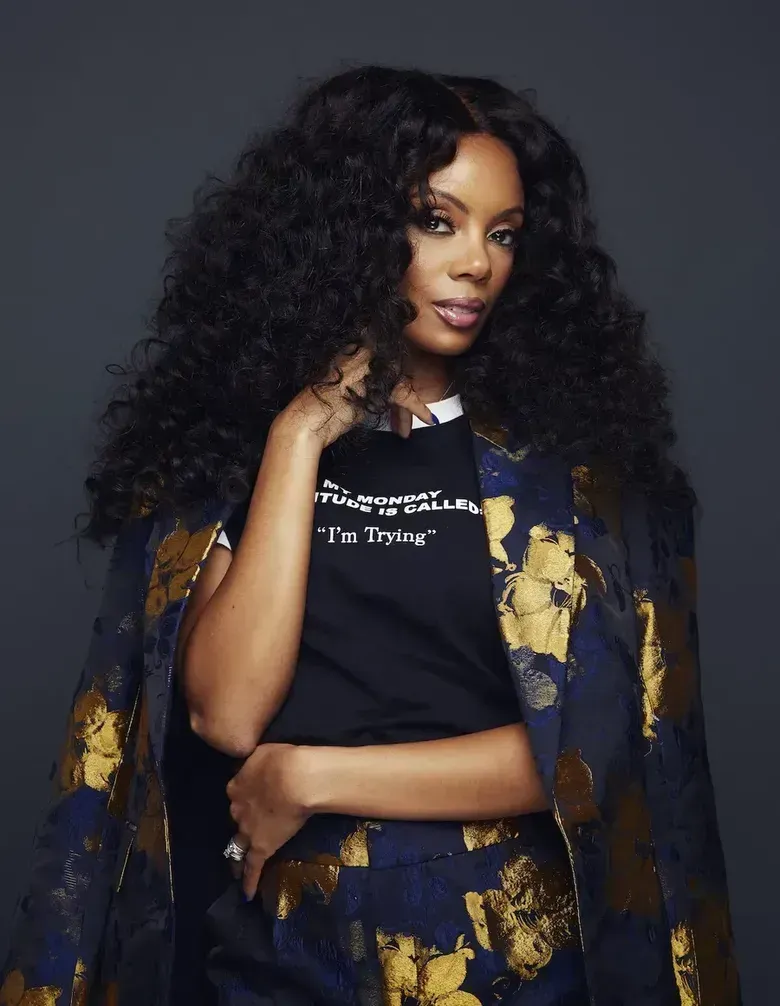
Image: Create & Cultivate
Why We're Inspired
Monique Rodriguez spent eight years as a registered nurse, a stable career her mother had pushed her toward, while her real passion — beauty — waited on the sidelines. In 2013, during a high-risk pregnancy, she lost her son Milan, and the grief forced a reckoning: she would transform her pain into purpose.
Mixing concoctions in her kitchen and documenting her healthy-hair journey on social media, she found a community of Black women hungry for products made for their texture — and in 2014 she launched Mielle Organics with a single product.
The road included a $2 million financial hole that nearly ended the company and deals she walked away from, but in 2021 she became the first Black woman to raise a non-controlling nine-figure investment, from Berkshire Partners.
In 2023 Procter & Gamble acquired Mielle in what LEADERS calls the largest exit ever for a Black female beauty founder — with Rodriguez still in the CEO chair.
"when you go through those traumatic life experiences, it leads to a lot of self reflection, and I made the choice to transform my pain into purpose."
The Story
Rodriguez built giving back into the deal itself: as part of the P&G acquisition she established Mielle Cares, the brand's nonprofit arm, with a $10 million donation matched by P&G, to advance education and economic opportunity in Black and Brown communities.
Her earlier More Than a Strand program funded Black women-owned beauty businesses and scholarships for aspiring entrepreneurs. In 2025 she added author to her titles with The Glory in Your Story, sharing the journey from loss to legacy.
Sources
LEADERS Magazine — “LEADERS Interview with Monique Rodriguez, Chief Executive Officer, Mielle Organics”
BET — “Crowning Glory: How Monique Rodriguez Turned Personal Tragedy Into a Textured Haircare Empire”
Girlboss — “This Nurse-Turned-Founder Built a Beauty Empire From Her Kitchen”
More from Bourgeois Society: Women of Black Excellence · Arlan Hamilton · Beatrice Dixon
Founder and CEO, The Honey Pot Company — Atlanta, GA
Official links: Website · LinkedIn · Instagram
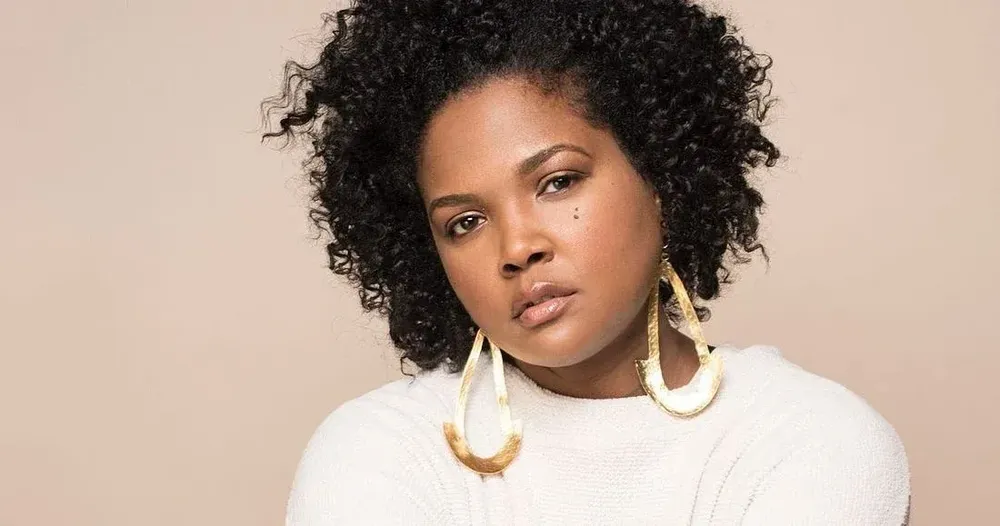
Image: Authority Magazine (Medium)
Why We're Inspired
Beatrice Dixon knows what rock bottom feels like — in her own words, she has 'definitely been homeless,' hustling through odd jobs, poverty and racism while searching for relief from bacterial vaginosis that antibiotics could not cure. One night, she says, her late grandmother came to her in a dream and handed her a list of ingredients.
Dixon woke up, repeated the list until she had it memorized, went to work at Whole Foods, and made herself a wash — and within days her symptoms were gone.
From her Atlanta kitchen she built that wash into The Honey Pot Company, the first plant-derived feminine care brand carried in major U.S. retailers, landing at Target in 2017 and growing to millions of customers. In 2024 Compass Diversified acquired a majority stake at a $380 million enterprise value, and Dixon stayed on as CEO and chief innovation officer.
"I went to work at Whole Foods, and I made myself a wash, and it worked,"
The Story
Giving back is built into the brand Dixon built. The Honey Pot has partnered with #HappyPeriod to provide menstrual hygiene kits and products to people who are homeless, low-income or living in poverty — a cause personal to a founder who has been homeless herself — and has supported organizations including Days for Girls and AFRIpads.
Dixon has also become an author, publishing The Soul Instinct, and continues to lead the company she founded as CEO and chief innovation officer.
Sources
The Story Exchange — “The Honey Pot Seals $380 Million Deal”
Girl Talk HQ — “Entrepreneur Beatrice Dixon Shaking Up The World Of Feminine Hygiene By Launching The First Plant-Based Product Co.”
State of Hip Hop — “Bea Dixon Is Reclaiming Wellness With The Honey Pot Co.”
More from Bourgeois Society: Women of Black Excellence · Monique Rodriguez · Adenah Bayoh
Founder and CEO, Adenah Bayoh and Companies — Newark, NJ
Official links: Website · LinkedIn
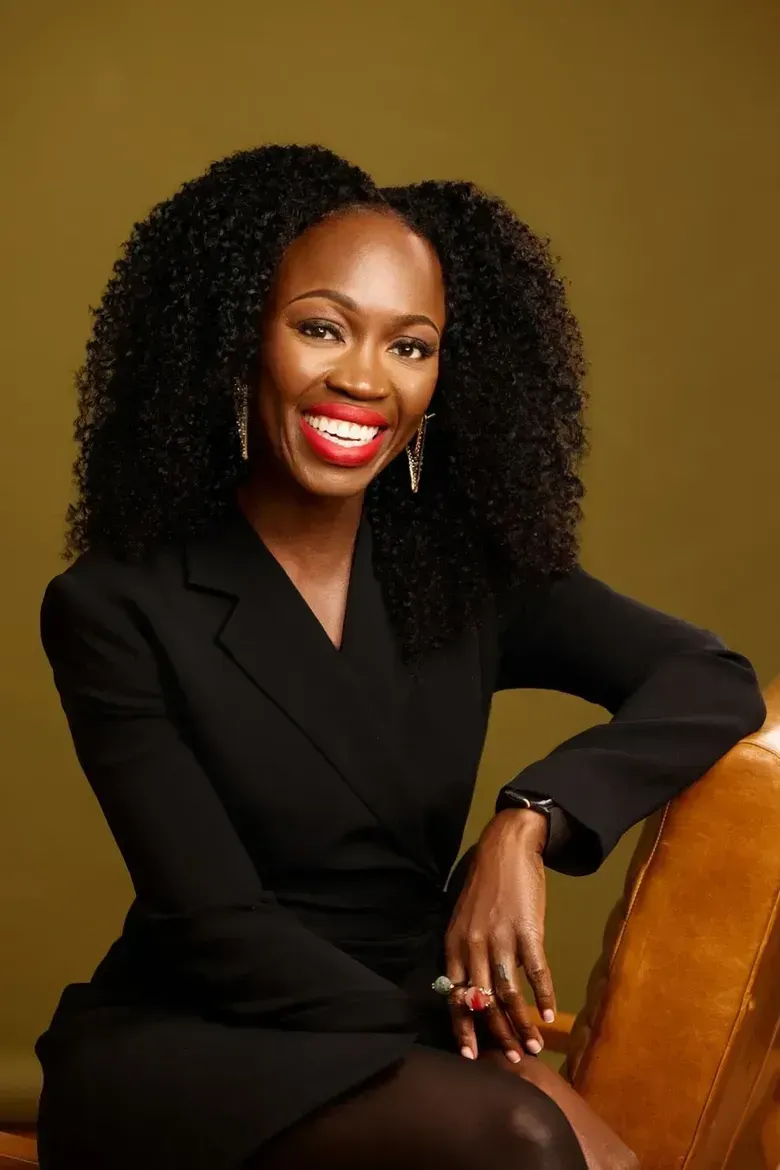
Image: New Jersey Future
Why We're Inspired
Adenah Bayoh's childhood was interrupted by war: after rebels entered her Liberian village, she escaped with her grandmother, spent time in a refugee camp in Sierra Leone, and arrived in the United States at thirteen with no possessions.
She put herself through Fairleigh Dickinson University, worked at McDonald's and then in banking — where, as she tells it, she could see the limits placed on a Black woman's rise — and began buying homes as investments.
Denied bank loans again and again for her restaurant dream, she was finally financed after a lender overheard her pitch, and at twenty-seven she became one of the youngest IHOP franchisees in the country; her Irvington location became one of the Northeast's top performers.
Today she leads Adenah Bayoh and Companies, with a real estate development portfolio reported at $220 million and a family of restaurants including IHOP franchises and her own farm-to-table concept, Cornbread.
"For me, passion is a key ingredient for success in business,"
The Story
Bayoh develops where she lives, and her proudest firsts are about access: in 2023 she became the first Black woman in New Jersey to secure a 9% low-income housing tax credit from the NJHMFA, for Southside View, a 100% affordable forty-unit community in Newark's South Ward, and she has redeveloped the former Irvington General Hospital site into housing and retail.
In 2025 New Jersey Future gave her its Smart Growth Leadership Award, honoring development that creates opportunity while strengthening communities.
Sources
Black Enterprise — “Meet the New Jersey Woman Who Owns Over $200 Million in Real Estate and Several IHOP Franchises”
New Jersey Future — “Adenah Bayoh - New Jersey” (2025 Smart Growth Awards)
Rutgers Law School CLiME — “Adenah Bayoh”
More from Bourgeois Society: Women of Black Excellence · Beatrice Dixon · Valerie Daniels-Carter
President and CEO, V&J Holding Companies — Milwaukee, WI
Official links: Website
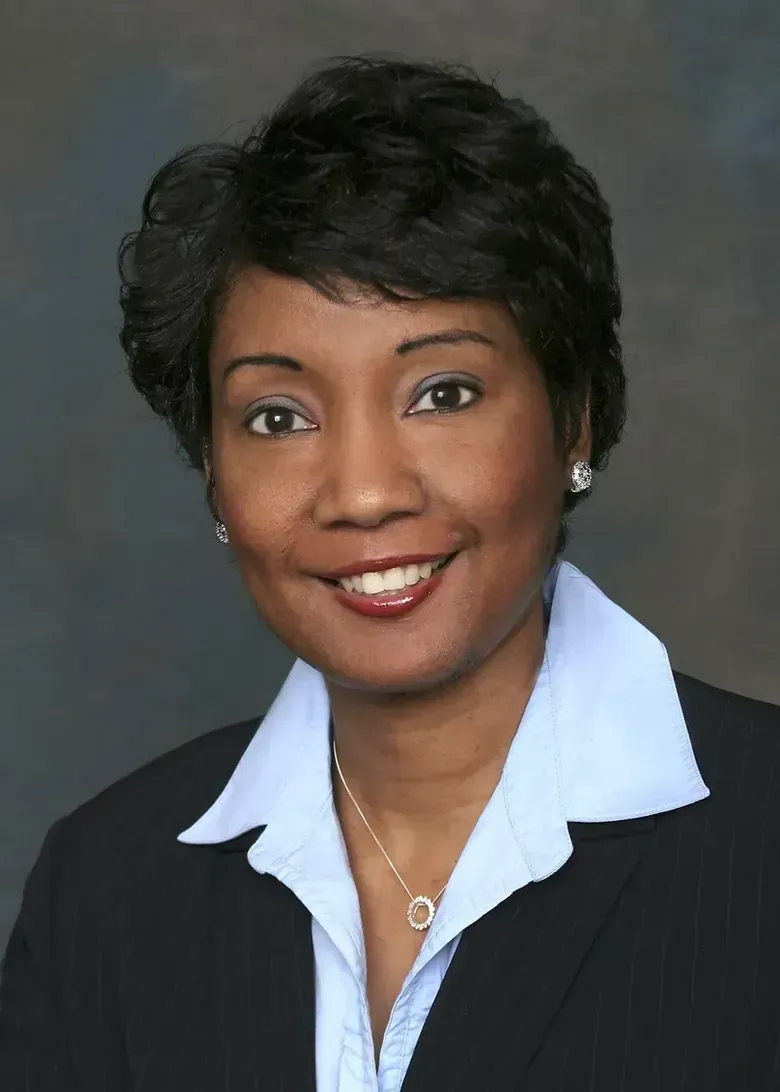
Image: TFI Media Center
Why We're Inspired
When Valerie Daniels-Carter applied to Burger King for her first franchise, the company said it had lost her application — twice. So she waited all day outside the vice president's office, and when he left for a hunting trip, she followed him to a cabin in Minnetonka to be heard.
To raise nearly $1 million for that first restaurant, she sold everything she owned, including her car; on her wedding night, her husband Jeffrey surprised her with a savings account built from his second job and told her to go start her business.
She and her brother John founded V&J in Milwaukee in 1982, and over the next sixteen years she grew one Burger King into a 137-unit, multi-brand operation employing some 4,500 people — the largest female-owned restaurant franchise organization in the country. Faith runs through all of it; she titled her book Your Business Is His Business.
"I had to challenge the status quo in the franchise industry,"
The Story
Daniels-Carter's success has carried her into rooms few franchise owners ever enter: she is a minority owner of the Milwaukee Bucks and a board member of the Green Bay Packers, and she has chaired the board of AAA.
Through her Empowerment Initiative she has supported uplift work in Africa, and in Milwaukee she has helped build community institutions including a Boys & Girls Club, schools and a credit union — treating community investment, in her framing, as simply part of doing business.
Sources
Black Enterprise — “How Valerie Daniels-Carter, Part Owner of the Milwaukee Bucks, Built a Fast Food Empire”
Milwaukee BizTimes — “Notable Minority Executives: Valerie Daniels-Carter”
Working Woman Report — “Multimillionaire CEO Valerie Daniels-Carter success”
More from Bourgeois Society: Women of Black Excellence · Adenah Bayoh · Mignon Francois
Founder and CEO, The Cupcake Collection — Nashville, TN
Official links: Website · LinkedIn · Facebook · Instagram · X
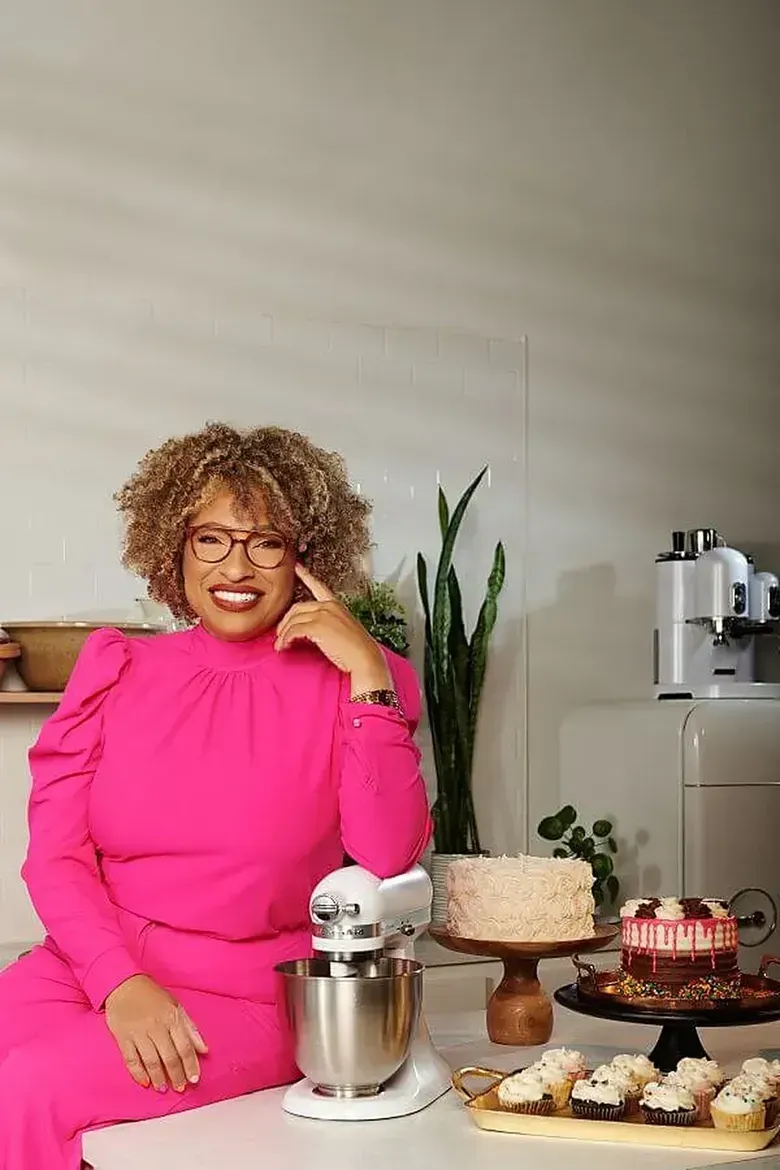
Image: StyleBlueprint
Why We're Inspired
Mignon Francois moved her family to Nashville on the promise of her husband's new job — and the job fell through.
For two years the mother of seven stretched every dollar, sitting in the dark during the day to save the generator's power for when her children came home, with no bank account because a single overdraft fee could start a spiral she could not afford.
In 2007 a neighbor who knew her baking asked for 600 cupcakes at a dollar each. Francois had exactly $5 — the family's dinner money. She spent it on ingredients, baked sixty cupcakes, and made $60 the same day, putting the $5 back into the dinner budget and baking on.
Using an envelope budgeting system to divide every dollar, she founded The Cupcake Collection in 2008 and grew a kitchen hustle into a Nashville bakery beloved well beyond Tennessee.
"Seriously? You offer me this opportunity when I don’t have any money? I literally have $5 to feed us,"
The Story
Francois now uses her story to coach other women into business: she serves as a board member and mentor at the Pathways Women's Business Center and the Nashville Entrepreneur Center, and her company funds scholarships at Tennessee State University while working with local community organizations. Her memoir, Made from Scratch, tells the $5 story in full.
The Cupcake Collection has grown to multiple stores — including her native New Orleans — plus a food truck she calls Joy.
Sources
AfroTech — “This Single Mom of 7 Took Her Last $5 and Launched a Million-Dollar Cupcake Business”
Black Enterprise — “How Mignon Francois Turned $5 Into a Million-Dollar Cupcake Business”
Black Business — “This Single Mom With 7 Kids Turned a $5 Investment into a $1M Cupcake Business”
More from Bourgeois Society: Women of Black Excellence · Valerie Daniels-Carter · Denise Woodard
Founder and CEO, Partake Foods — Jersey City, NJ
Official links: Website · LinkedIn · Instagram
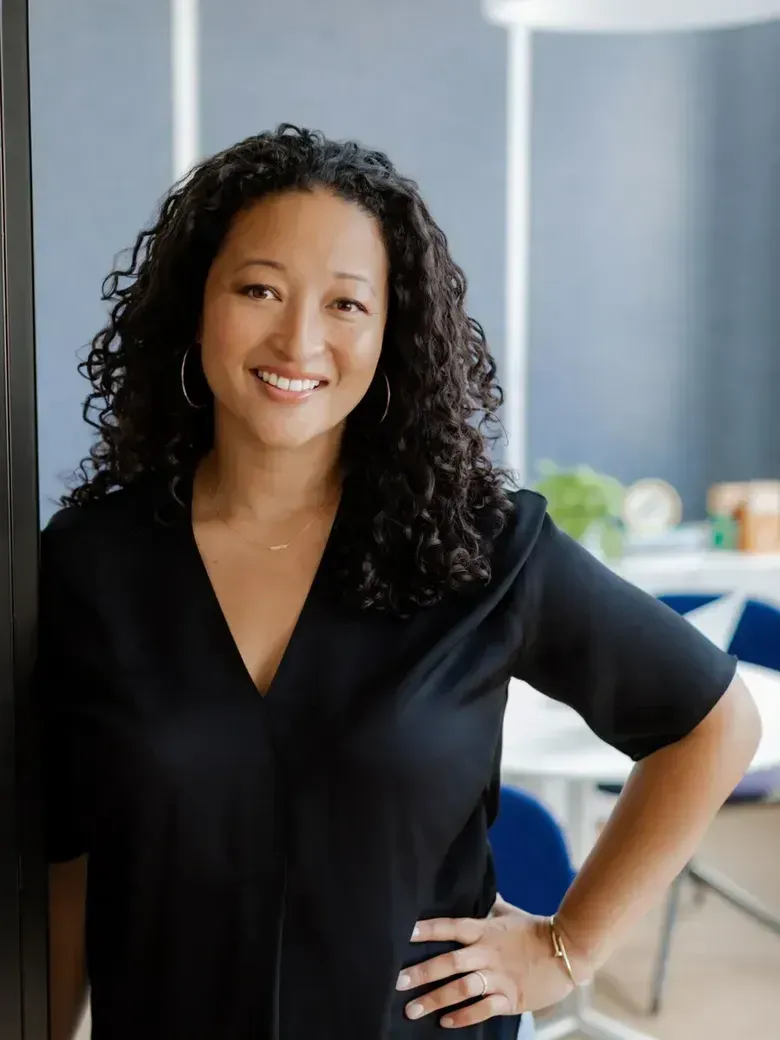
Image: WeWork Ideas
Why We're Inspired
Denise Woodard was a Coca-Cola executive when her daughter Vivienne's frightening food allergies changed her life's direction: store shelves offered almost nothing her little girl could safely eat, so Woodard started baking allergy-friendly cookies herself.
She built Partake Foods in the hours around her corporate job — up at 4:30 in the morning, printing delivery routes at her kitchen table, selling cookies out of her car across Brooklyn and Manhattan.
To keep going she drained her 401(k), maxed out her credit cards and sold her engagement ring, and she tracked every investor rejection on a spreadsheet: eighty-six no's.
The yes that changed everything came from Marcy Venture Partners, the fund Jay-Z co-founded, making her the first Black woman to publicly raise more than $1 million for a consumer packaged goods food startup. Partake now sells in more than 11,000 stores nationwide.
"It just felt like nobody had enough conviction in what I was building,"
The Story
Woodard built Partake as an inclusion company, not just a cookie company: its board is 80 percent women of color, and it partners with the Food Equality Initiative and No Kid Hungry to get safe food to food-insecure families managing allergies.
In 2020 she founded the Black Futures Fellowship to help HBCU students land internships and jobs in consumer packaged goods. Her newest chapter is an allergen-friendly cookie created for Girl Scouts of the USA — for kids like her own daughter, who sold Girl Scout cookies for years without being able to eat one.
Sources
Inc. — “Partake Started With a Mother, a Spreadsheet and a Car”
Arizona State University W. P. Carey News — “Visionary food entrepreneur recognized for strides in culinary inclusion”
Shopify — “Partake Foods: Denise Woodard’s Jay-Z Investment”
More from Bourgeois Society: Women of Black Excellence · Mignon Francois · Cheryl McKissack Daniel
President and CEO, McKissack & McKissack — New York, NY
Official links: Website · LinkedIn · X
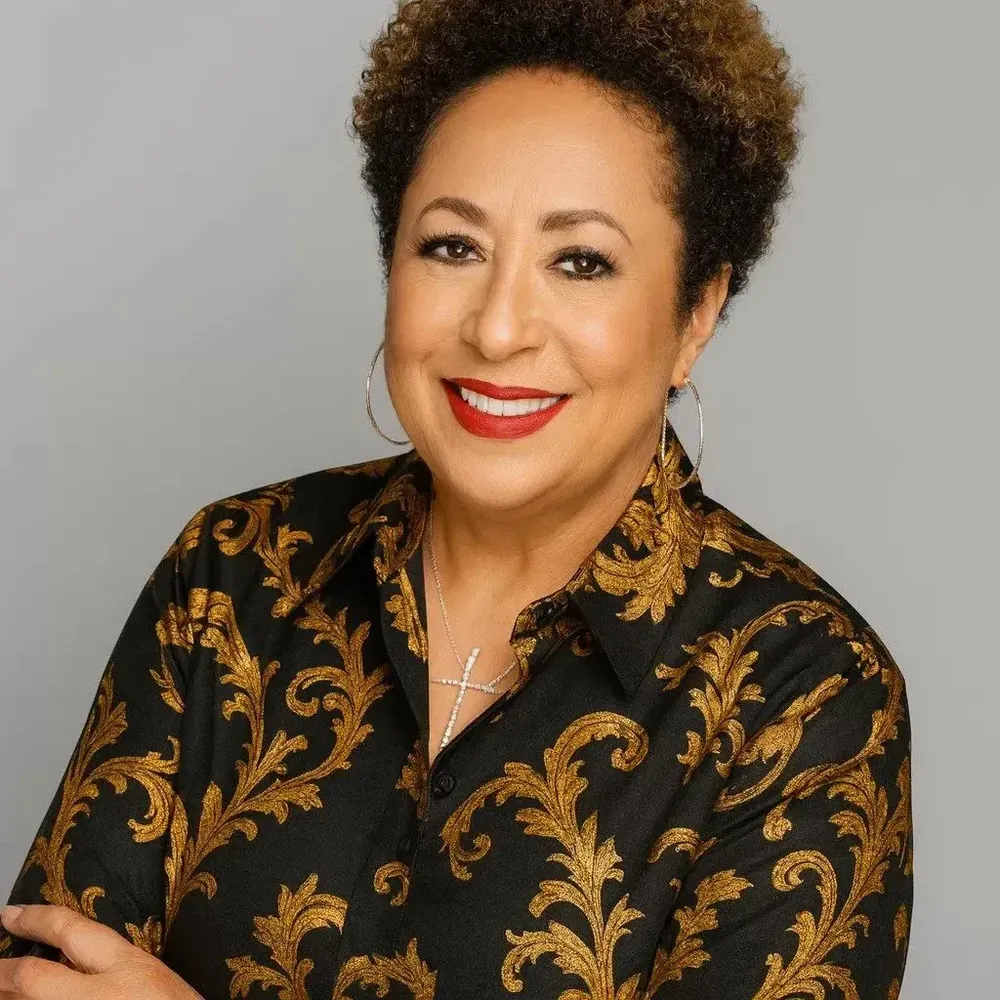
Image: Primal Mogul
Why We're Inspired
Cheryl McKissack Daniel carries a baton that has been passed hand to hand for more than two centuries. Her family's building lineage traces to Moses McKissack, an enslaved brickmaker whose craft was passed down through generations until Moses McKissack III incorporated McKissack & McKissack in Nashville in 1905.
When her father was felled by illness, her mother Leatrice stepped in and ran the firm; in 2000 Cheryl bought it from her mother, moved it to New York, and took over as president and CEO — walking into rooms where, as a Black woman in construction, she had to prove again and again that her firm could deliver.
Deliver it has: under her leadership McKissack & McKissack, the oldest Black-owned design and construction firm in the United States, has overseen more than $50 billion in projects over the past decade, from the Oculus and Barclays Center to the $9.5 billion New Terminal One at JFK Airport.
"When you have the baton, you don’t want to drop it,"
The Story
In 2025 McKissack Daniel told her family's whole story in her debut book, The Black Family Who Built America: The McKissacks, Two Centuries of Daring Pioneers, written with Nick Chiles — part memoir, part business document about how a firm survives slavery, segregation and systemic barriers across five generations.
She also chairs the New York Building Foundation, the charitable arm of the New York Building Congress, using her seat to push opportunity for minority- and women-owned firms across the building industry.
Sources
Marketplace — “Running the oldest Black-owned construction company in the U.S.”
AIA New York / Center for Architecture — “Book Talk - The Black Family Who Built America: The McKissacks”
Columbia University CBIPS — “Cheryl McKissack Daniel”
More from Bourgeois Society: Women of Black Excellence · Denise Woodard · Deryl McKissack
Founder, Chairwoman and CEO, McKissack & McKissack — Washington, DC
Official links: Website
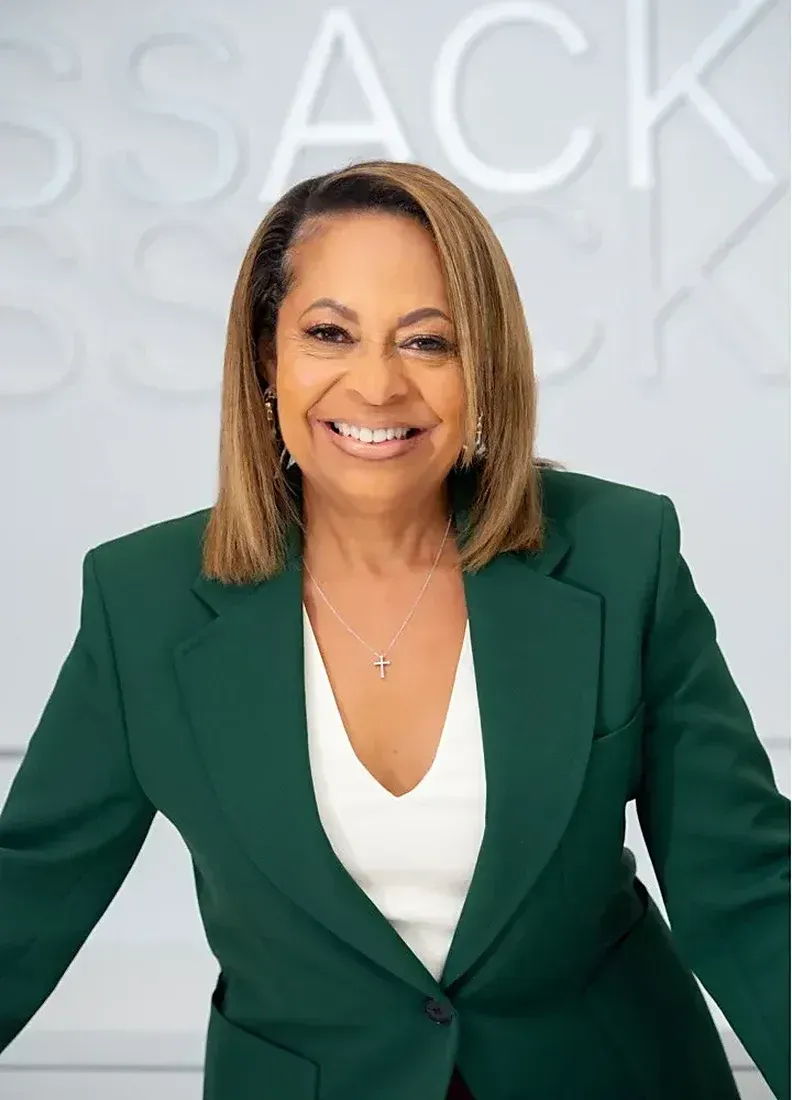
Image: McKissack & McKissack
Why We're Inspired
Deryl McKissack was drafting at her father's drawing boards from age six — Saturdays at the family firm were simply what the McKissack twins did. A fifth-generation builder descended from Moses McKissack, an enslaved master brickmaker, she earned a civil engineering degree from Howard University and cut her teeth at Turner Construction and Dames & Moore.
Then, in 1990, she struck out on her own in Washington, D.C., launching her own McKissack & McKissack with $1,000 and a business plan she wrote herself. She was, as she puts it, one person — Black, female, in a male-dominated industry — with a lot to prove.
She worked a list of three hundred prospects by phone; by the halfway mark she had more work than she had imagined, starting with a $5,000 Georgetown project that became a million dollars of work within six months. Her firm now manages more than $15 billion in projects nationwide.
"We still need more Black talent in our industry. I want to help change the paradigm for minorities and women."
The Story
The places her firm has helped build are America's memory itself: McKissack & McKissack managed work on the Smithsonian's National Museum of African American History and Culture, served as architect of record for the Martin Luther King Jr. Memorial, and is part of the Obama Presidential Center.
Determined to widen the industry's doors, McKissack founded AEC Unites, a nonprofit advancing equity and intentional opportunities for Black talent and Black-owned businesses across architecture, engineering and construction, and she supports STEM mentoring for young students.
Sources
McKissack & McKissack — “McKissack Leadership - Deryl McKissack”
McKissack & McKissack — “Deryl McKissack Builds on the Foundation of her Family’s Five-Generation Legacy in Construction”
Construction Dive — “Group calls for more Black prime contractors” (AEC Unites)
More from Bourgeois Society: Women of Black Excellence · Cheryl McKissack Daniel · Tammy Jones
Co-Founder and CEO, Basis Investment Group — New York, NY
Official links: Website
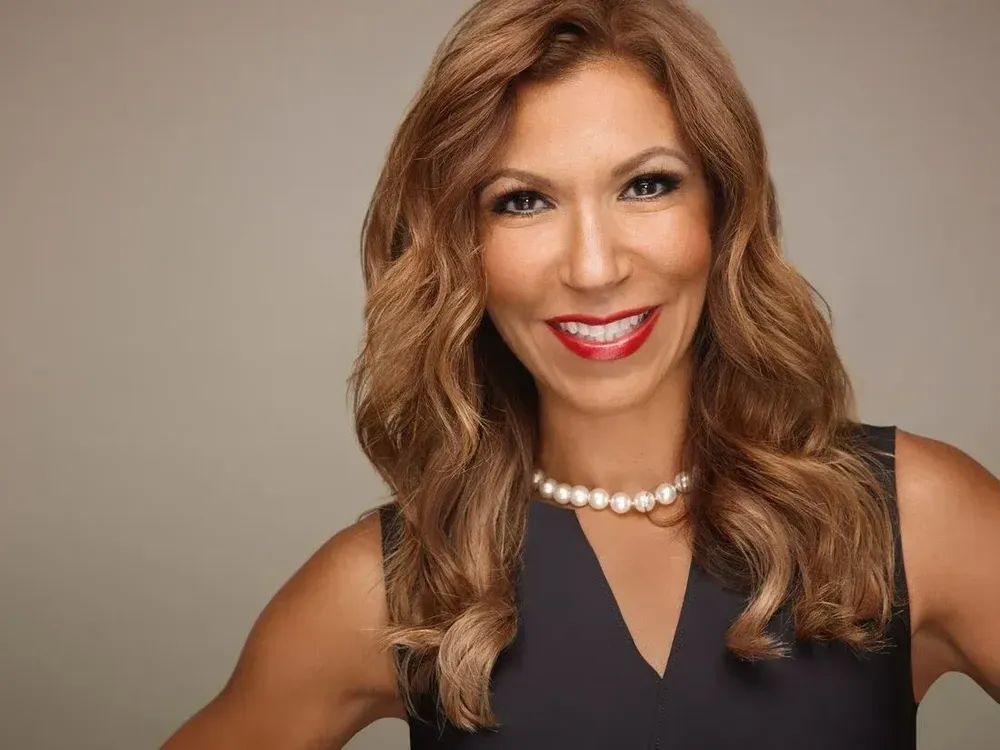
Image: CoStar
Why We're Inspired
Tammy Jones grew up in a two-bedroom apartment in South Jamaica, Queens, in a family of eight that never owned a home — and became the first woman in her family to graduate from college, at Cornell.
She then spent a career inside Wall Street's biggest lending machines: helping build GMAC's capital markets lending division as a senior vice president, then heading CWCapital's capital markets lending division, where she closed approximately $6 billion in loans and investments through the worst credit crisis in modern history.
In 2009, with the financial system in ruins, she walked away and co-founded Basis Investment Group in New York with JEMB Realty — a clean-slate, multi-strategy platform able to invest across the capital stack.
It is one of the only diversified commercial real estate platforms in the country founded and majority-owned by an African American woman, and a licensed Freddie Mac seller-servicer.
"When people tell me that they can’t find minorities, I say, ‘You’re not looking in the right place,’"
The Story
Jones built Basis to finance the operators and markets Wall Street overlooks: the firm has invested or loaned more than $1.3 billion with diverse owners and operators, most of its team and roughly half its vendors are women- and minority-owned, and it helped create an Emerging Development Fund for less-established developers.
As chair of the Real Estate Executive Council, the trade association for minorities in commercial real estate, she pushes the whole industry to be intentional about partnerships, mentorship and access to credit.
Sources
Counselors of Real Estate — “Tammy K. Jones”
SHOPPE BLACK — “How Tammy K. Jones Built an $8 Billion Real Estate Platform with Purpose”
The Real Deal — “Tammy Jones Talks Strategy to Make Real Estate More Diverse”
More from Bourgeois Society: Women of Black Excellence · Deryl McKissack · Vivian Kaye
Founder, KinkyCurlyYaki — Hamilton, ON
Official links: Website · Instagram · X
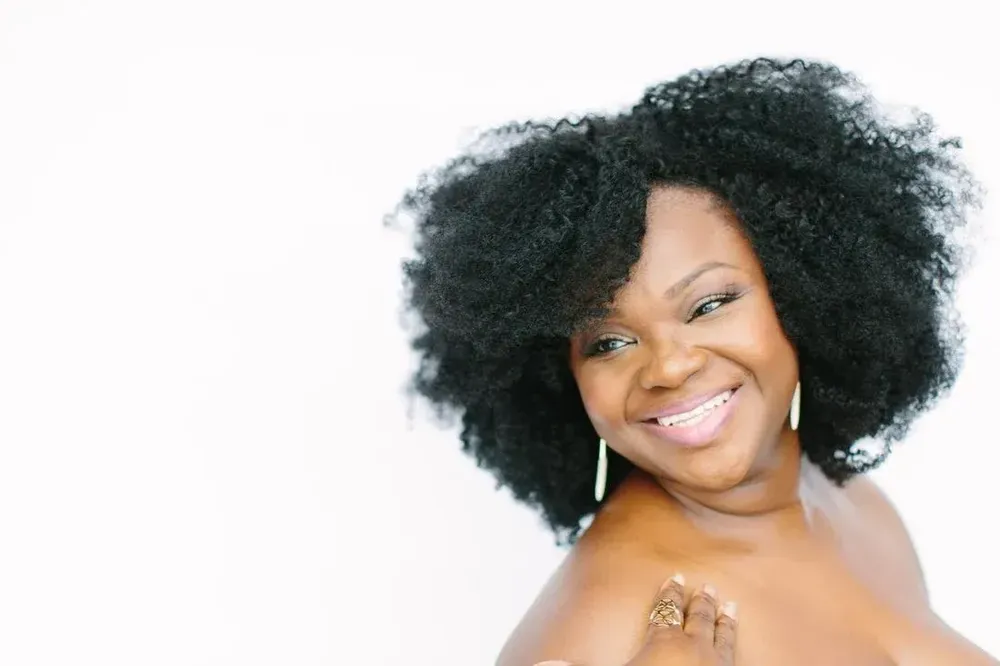
Image: KinkyCurlyYaki (official brand site)
Why We're Inspired
Vivian Kaye's first lesson in commerce came strapped to her mother's back in a Ghanaian market, watching her sell wares to feed four daughters. The family emigrated to Canada when Vivian was a baby, and she grew up to try the expected path — anthropology at York University — before depression forced her to drop out.
Working call-centre and tech-startup jobs and running a wedding décor business on the side, she went looking for protective hair that actually looked like hers and found an industry built on European textures. If she would buy the kinky-textured hair she sourced for herself, she reasoned, other Black women would too.
In December 2012, from Hamilton, Ontario, as a single mother with no venture funding, she launched KinkyCurlyYaki — and effectively created a new niche in the hair industry, passing $500,000 in sales by the end of 2013 and $1 million a few years later, all by word of mouth.
"I started this because I wanted to solve my own problem and those of other women who looked like me,"
The Story
Kaye bootstrapped KinkyCurlyYaki to more than $6 million in revenue before the brand was acquired, never taking outside funding — and she has made that path her teaching.
Through Vivian Kaye Consulting, her Business Class podcast work, television appearances as an entrepreneurship expert on CityLine, and peer mentorship of women founders, she coaches other entrepreneurs — especially immigrant and women founders — to build bravely on their own terms, a self-described mix of Gary Vee's hustle and Oprah's heart.
Sources
People of Color in Tech — “Black and Profitable Part 2: Meet 5 Women Who Bootstrapped Their Way To Success”
Face2Face Africa — “How this Ghanaian immigrant built a multi-million dollar hair business after dropping out of college”
Wikipedia — “Vivian Kaye”
More from Bourgeois Society: Women of Black Excellence · Tammy Jones · Arnita Johnson-Hall
Questions & Answers
What are the biggest challenges for women business owners?
Thirty-two banks told Cathy Hughes no. Eighty-six investors told Denise Woodard no. On this page you will meet Cathy Hughes, Arlan Hamilton, Monique Rodriguez and 9 more.
Who is Cathy Hughes?
Founder and Chairwoman, Urban One — Washington, DC. Cathy Hughes was a divorced single mother when she set out to own a radio station, and banks turned her down thirty-two times before one finally said yes. In 1980 she and her then-husband Dewey bought WOL-AM in Washington, D.C., and founded Radio One.
Who is Beatrice Dixon?
Founder and CEO, The Honey Pot Company — Atlanta, GA. Beatrice Dixon knows what rock bottom feels like — in her own words, she has 'definitely been homeless,' hustling through odd jobs, poverty and racism while searching for relief from bacterial vaginosis that antibiotics could not cure. One night, she says, her late grandmother came to her in a dream and handed her a list of ingredients.
How can women business owners build a strong network?
Thirty-two banks told Cathy Hughes no. Eighty-six investors told Denise Woodard no. The people on this page — Cathy Hughes, Arlan Hamilton, Monique Rodriguez, Beatrice Dixon — each answer it in their own way.