
Photograph: Splitshire
Immigrants: The Builders Behind John Jennings, Arnaldo Bomnin, Bedros Keuilian and Bharat Desai
A produce man who landed with $38. A Cuban doctor who sold lobsters, then cars, then dealerships. Fifteen founders who arrived with almost nothing and built the rest.
Produced and Edited by The Bourgeois Society Staff
Part one of our three-part Immigrants list: fifteen founders and owners who came to America as immigrants, refugees and students — and stayed to build companies, industries and communities.
Selected on the obstacle climbed, the thing built, and the good given back — and fact-checked line by line, with sources linked under every profile.
The full list: Part 1 · Part 2 · Part 3
Founder & Executive Chairman, Waste Pro USA — Longwood, FL
Official links: Website
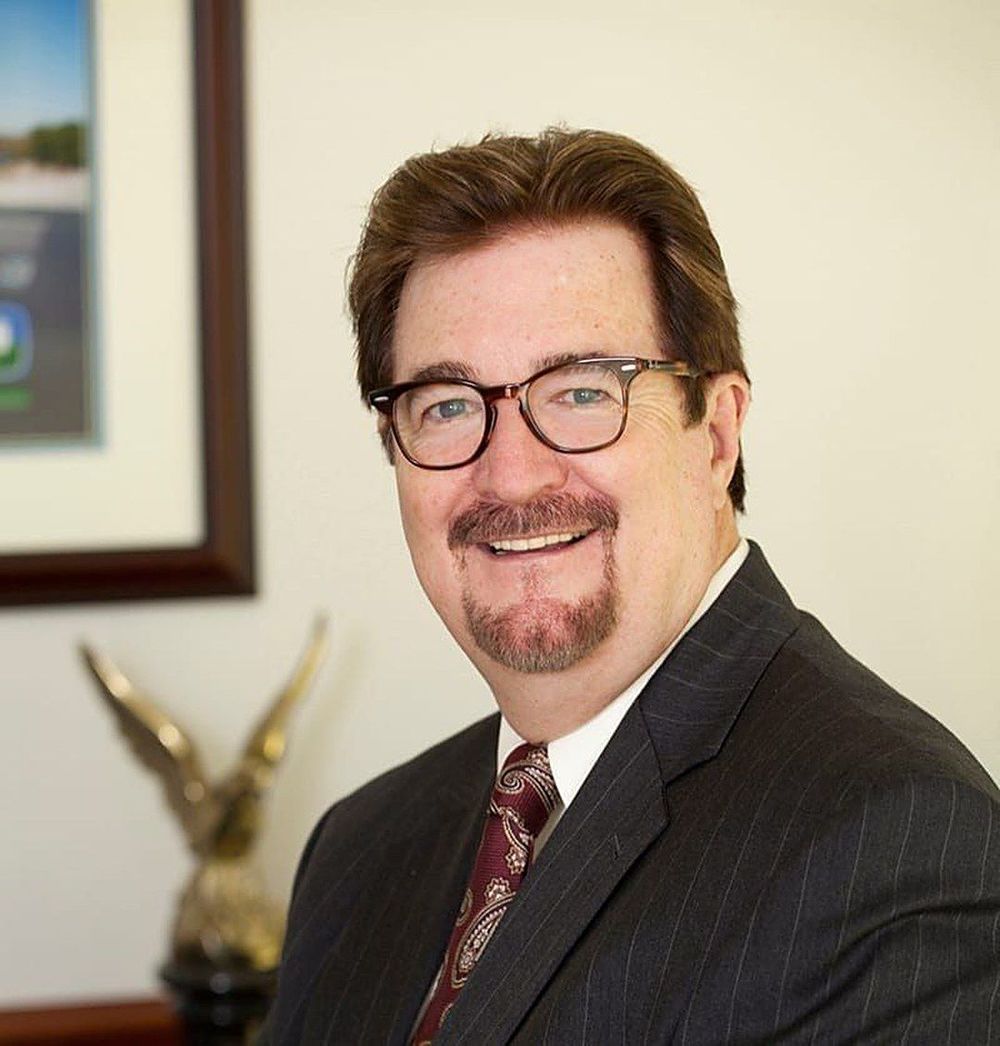
Image: Waste360
Why We're Inspired
John Jennings is the American-born son of an Irish immigrant who collected garbage on Long Island — a fact that explains everything that followed. Jennings started on Wall Street, but the family trade kept calling.
In 1973 he came to Florida and bought a struggling one-truck operation called Pete's Garbage Services, then spent two decades building it into Jennings Environmental, the largest privately owned waste company in Central Florida. In 1996 he sold it into the consolidation wave that became Waste Management — the kind of exit most men retire on. Jennings lasted five years.
In 2001, pushing the age when his peers were buying boats, he started over with a new company, Waste Pro USA. Its first month of revenue was $800, from a single truck. He built it the street-level way his father taught him: show up, every time, and treat the customer on the curb like the only account that matters.
The industry laughed at the sequel idea. The sequel outgrew the original.
The Story
Today Waste Pro runs more than 4,200 trucks from 140-plus locations across twelve states, serves over two million residential customers, employs more than 5,000 people, and was projected to pass $1.4 billion in revenue — with Jennings as Executive Chairman and his son Sean as President and CEO. The garbageman's son built the business twice.
The second time, he built it bigger.
Sources
Waste360 — “Waste Pro Named 4th Largest Family-Owned Company in Central Florida”
Waste Advantage Magazine — “Waste Pro Named 2nd Largest Family and Privately Owned Company in Central Florida”
SCW Magazine — “Waste Pro USA's Street-Level Service Is Setting New Standards for Garbage Collection”
More from The Bourgeois Society: The full list · Jin Sook Chang · John Tu
Founder & Owner, Bomnin Automotive Group — Miami, FL
Official links: Website
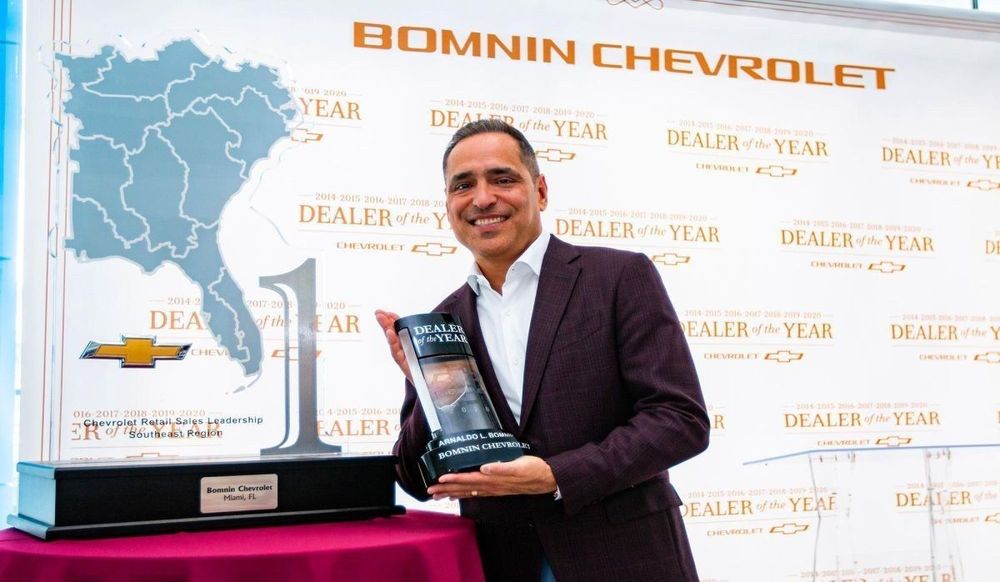
Image: Autobody News
Why We're Inspired
Arnaldo Bomnin arrived in the United States alone from Cuba in 1996, twenty-five years old, carrying little more than a gold watch and three gold rings. He was a trained doctor in Cuba, but his license meant nothing here, so he took whatever work he could find — avocado warehouses, landscaping, selling lobster on the streets of Miami.
A friend talked him into trying car sales at South Motors Nissan even though he spoke almost no English. Bomnin memorized translated sales scripts, studied at Miami Dade College at night, and outworked everyone on the floor: he was the dealership's top salesperson for fifteen straight months.
The promotions followed — sales manager in 2000, general sales manager in 2005, general manager in 2007. Then, on November 10, 2010, he bought his first dealership, the former Kendall Chevrolet, a store selling roughly seventy cars a month. He turned it into one of the highest-volume Chevrolet stores in the country and kept buying.
Today the Bomnin Automotive Group runs thirteen franchises under eight rooftops, sold more than 24,000 vehicles in a single recent year, and employs some 800 people across the Miami area.
"Our expansion goes beyond business growth. It's about strengthening our ties with this community that has embraced us"
The Story
Bomnin has given more than $1 million to charity, and his dealerships are woven into Miami's civic life — the community that, as he tells it, embraced a doctor from Cuba who started over selling lobsters on the street.
It is a classic Miami story with an uncommon ending: the immigrant who arrived with three gold rings now signs the paychecks of 800 of his neighbors.
Sources
Autobody News — “Bomnin Automotive Acquires 2 Miami Dealerships”
Bomnin Automotive Group — “Meet Arnaldo Bomnin”
Bomnin Chevrolet West Kendall — “In the News”
More from The Bourgeois Society: The full list · Alfredo Duarte · Bedros Keuilian
Founder & CEO, Fit Body Boot Camp — Chino Hills, CA
Official links: Website · LinkedIn · Facebook · Instagram · X
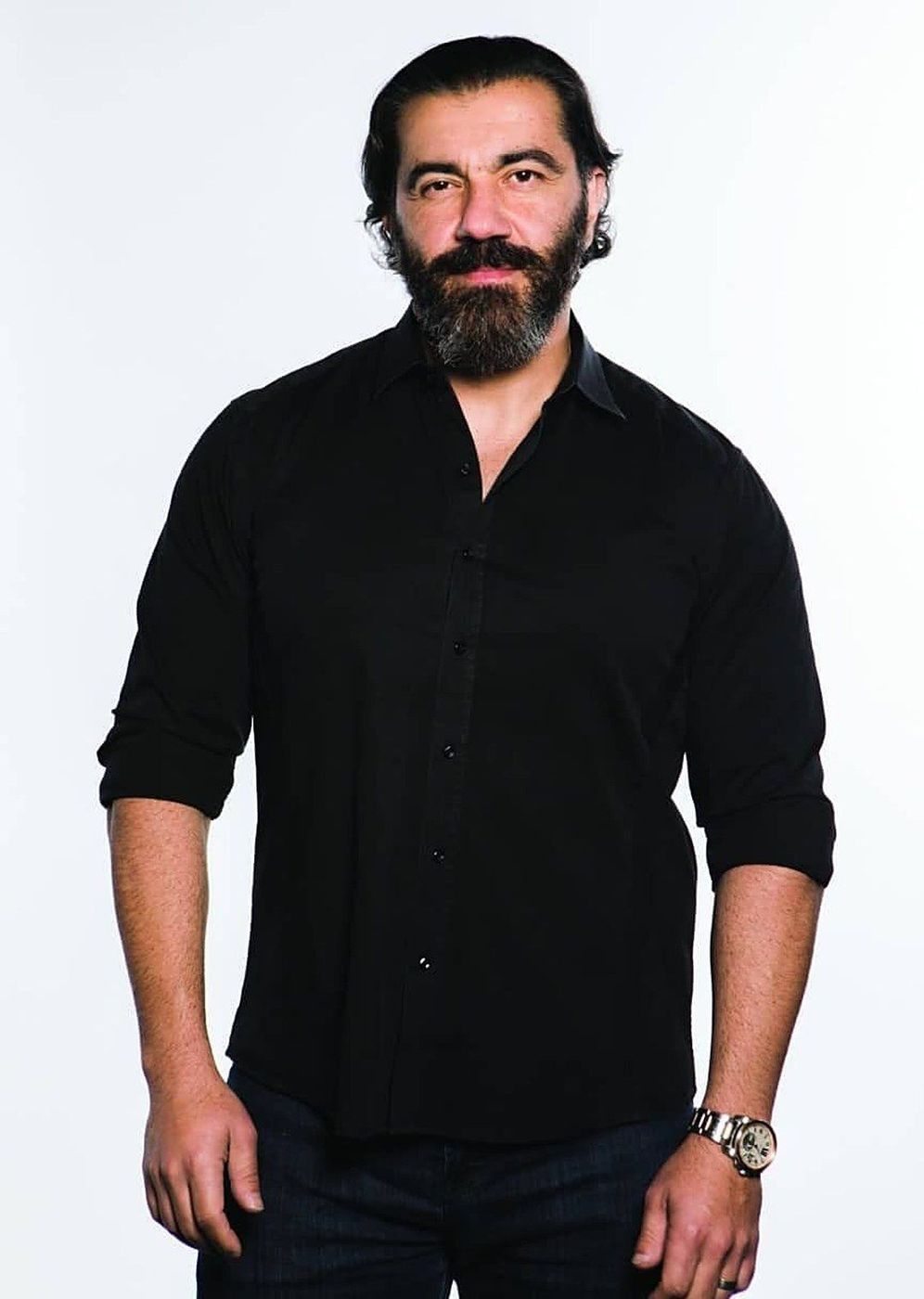
Image: BenBella Books
Why We're Inspired
Bedros Keuilian was born in Soviet Armenia, and his family's escape is the stuff of a spy novel: in 1980 his father bribed a Soviet official for an Italian “vacation,” and the family entered the West as political refugees. Bedros was six.
They landed in California and in Section 8 housing, and there were nights the family ate food pulled from grocery-store dumpsters. His father pumped gas, wiped tables and delivered newspapers — whatever it took. Bedros grew up watching that work ethic up close, and it built him.
He worked as a Disneyland fry cook and a bouncer, then found his calling as a personal trainer, learning the business under a client named Jim who became his mentor.
He poured everything into his craft, opened his own training business, and in time founded Fit Body Boot Camp, a boot-camp fitness franchise that grew into one of the fastest-growing franchise brands in America.
He tells young entrepreneurs that he knows exactly what the bottom looks like — because he was the kid whose family ate out of dumpsters, and the man who decided that story would be a beginning, not an ending.
"I was the guy who put the bread on the table, literally,"
The Story
Keuilian is now an investor in more than a dozen brands and the author of “Man Up,” a Wall Street Journal bestseller about the habits that separate high performers from everyone else. The refugee kid from Section 8 housing became one of fitness franchising's most recognizable coaches — and he still talks about his father's example more than his own.
Sources
Discover Your Talent Podcast — “Bedros Keuilian”
Team Never Quit Podcast — “Bedros Keuilian”
Millennium Magazine — “Bedros Keuilian: Flipping the Switch — A Journey from Poverty to Mastering Success”
More from The Bourgeois Society: The full list · Arnaldo Bomnin · Bharat Desai
Co-founder, Syntel — Troy, MI
Official links: Website
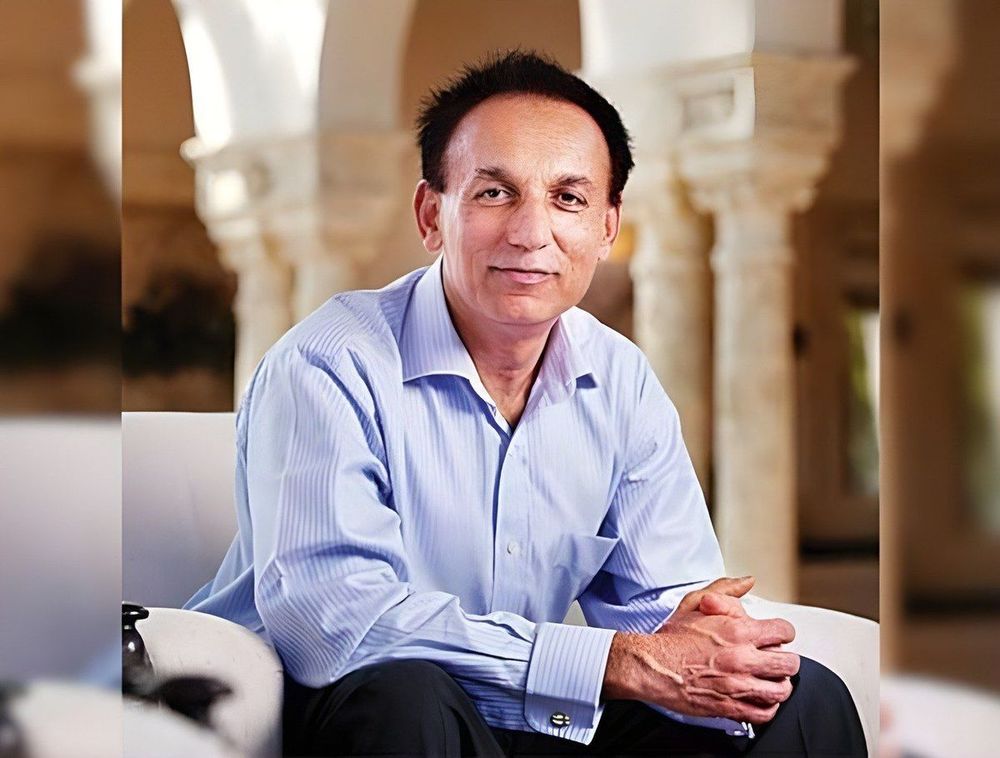
Image: Lokmat
Why We're Inspired
Bharat Desai was born in Mombasa, Kenya, raised in India, and educated at IIT Bombay before coming to the United States in 1976 as a programmer for Tata Consultancy Services. Four years later, he and his wife, Neerja Sethi, did something that still sounds improbable: they started a technology company, Syntel, from their apartment in Troy, Michigan, with $2,000.
First-year revenue was $30,000. Desai was the strategist of the pair — patient, disciplined, and early to see that the future of IT work would be global, with talent in India serving clients in America.
Syntel grew from that apartment into one of the pioneering firms of the offshore IT services industry, and Desai stayed at the helm through decades of expansion.
When the company was sold to the French giant Atos in 2018, the price was $3.4 billion — for a business that had done roughly $924 million in revenue and employed more than 20,000 people the year before. Not bad for a $2,000 apartment startup.
The Story
In 2025 Desai and Sethi joined the Giving Pledge, committing the majority of their wealth — a commitment reported at $1.3 billion — to philanthropy, with a focus on education and economic mobility.
The programmer who arrived in 1976 with a job and a dream ended up signing one of the largest charitable commitments ever made by an immigrant couple in America.
Sources
Silicon India — “Bharat Desai: From Apartment Startup to Billion-Dollar Empire”
Global Indian — “Bharat Desai and Neerja Sethi Join the Giving Pledge”
Lifestyles Magazine — “$1.3 Billion New Philanthropic Commitment to the Giving Pledge from Immigrant Entrepreneurs Bharat Desai and Neerja Sethi”
More from The Bourgeois Society: The full list · Bedros Keuilian · Charlie Ton
Founder, Regal Nails Salon & Spa and Alfalfa Nail Supply — Baton Rouge, LA
Official links: Website
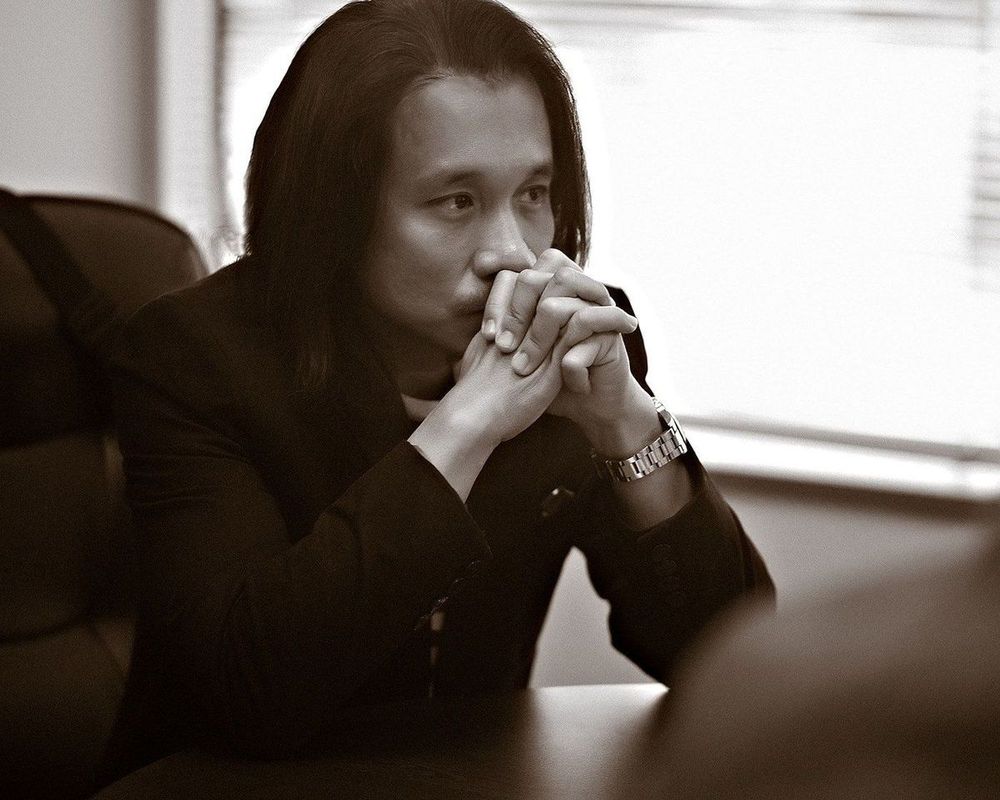
Image: Yeah1
Why We're Inspired
Charlie Ton — Charlie Ton Quy — left Vietnam at about fourteen, crowded onto a boat, and arrived in Louisiana alone at fifteen with nothing.
He shelled shrimp and did manual labor, the classic first chapter of the boat-people story, and then he did something less expected: he put himself through Louisiana State University and earned a chemical engineering degree in 1995. The degree was supposed to be the ticket.
Instead, Ton borrowed $70,000 and founded Alfalfa Nail Supply that same year, betting on the Vietnamese-American nail industry he saw exploding around him. Then came the insight that made him a king of that industry. Shopping in a Walmart, he saw a hair salon inside the store and wondered why nobody had put a nail salon there.
Walmart rejected him. He persisted for roughly two years. In 1997 the first Regal Nails opened inside a Walmart, and the model — affordable manicures where America already shops — spread to some 800 salons.
The servant boy, as one profile put it, became the king of the nail industry.
"I saw a hair salon in a Wal-Mart and thought, 'Why not put a nail salon in here? Make it really one-stop shopping,'"
The Story
Ton's companies supply and support the very community that produced him: Alfalfa Nail Supply serves salons nationwide, and Regal Nails gave hundreds of immigrant families a franchised path into business ownership — including owners like Shahid Khan, profiled in Part 2 of this list. The teenager who arrived alone built the on-ramp he never had.
Sources
Nails Magazine — “A Vietnamese-American Dynasty”
North Carolina Headlines — “Charlie Ton Quy: From Servant Boy to King of the Nail Industry”
More from The Bourgeois Society: The full list · Bharat Desai · David Duong
Founder & CEO, California Waste Solutions — Oakland, CA
Official links: Website
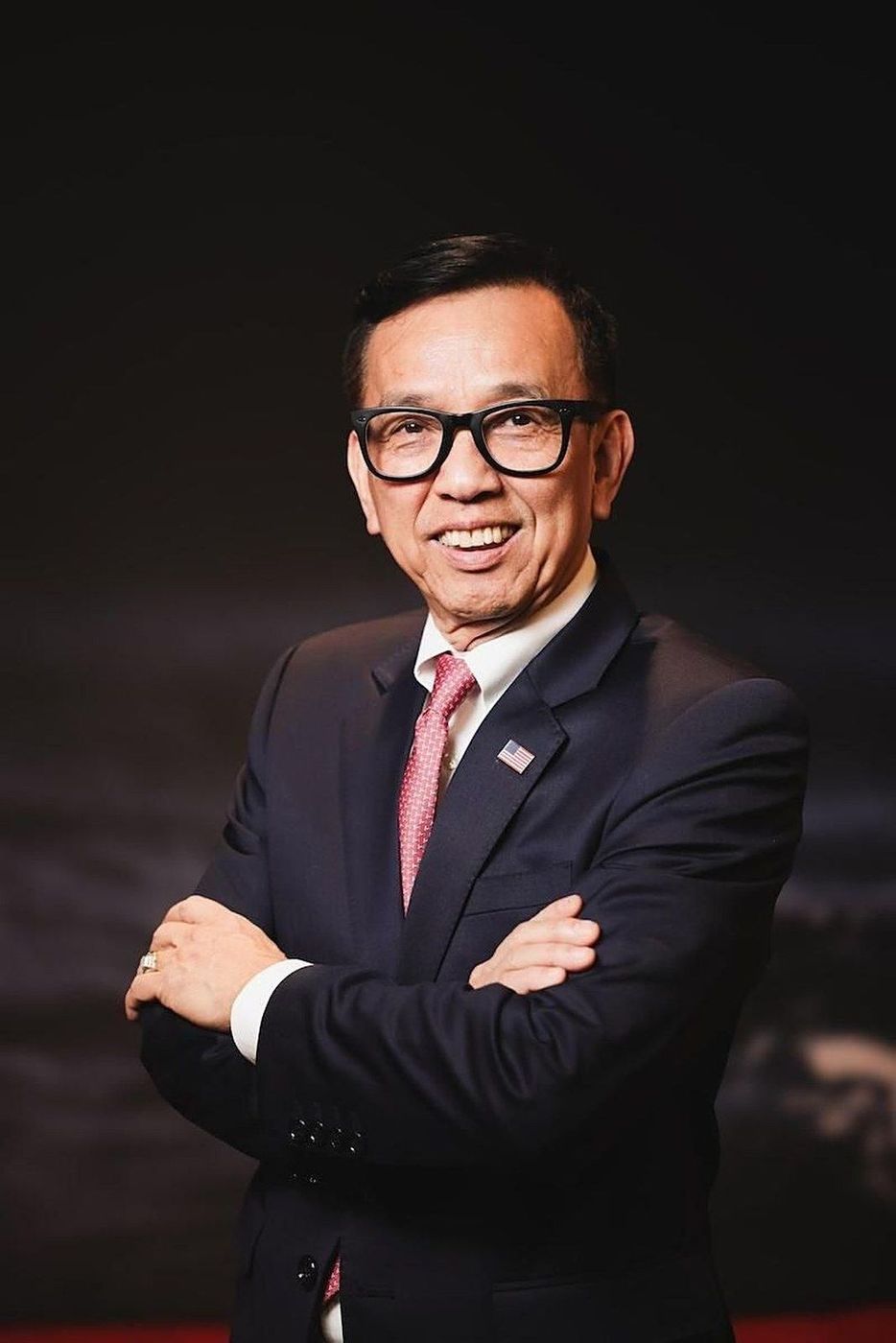
Image: Green Matters
Why We're Inspired
In April 1975, as Saigon fell, David Duong led twenty-three members of his family onto a small boat and out to sea.
His father, Jim Thu Tai Duong, had been known across South Vietnam as “Vua Rác” — the King of Trash — the head of a successful paper-recycling business built on a simple rule: nothing should be wasted, and there is honor in every kind of honest work. The family lost all of it.
After a refugee camp in Mandaluyong, in the Philippines, they reached the United States in 1979, crowded into tiny San Francisco apartments, and started over the only way they knew how — collecting bottles and cardboard at night. In 1992 Duong founded California Waste Solutions in Oakland with eight used trucks.
The boy who fled on a boat built one of the largest family-owned recycling and waste companies in America, and later launched Vietnam Waste Solutions, taking the family trade back to the country that had taken it away.
"We almost died out there in the ocean. We had only one choice — survive,"
The Story
Duong's story is now told in the documentary “The King of Trash,” directed by Errol Webber — a title his father carried in Saigon, reclaimed by the son in Oakland. Few profiles on this list close the circle so completely: the family business destroyed by war, rebuilt from bottles and cardboard, and carried home again.
Sources
EIN News — “New Screenings of ‘The King of Trash’ Show How David Duong Built Recycling Giant California Waste Solutions”
CitizenWire — “News Media Lauds Movie About Leading Vietnamese-American Green Entrepreneur David Duong”
More from The Bourgeois Society: The full list · Charlie Ton · David Sun
Co-founder & COO, Kingston Technology — Irvine, CA
Official links: Website
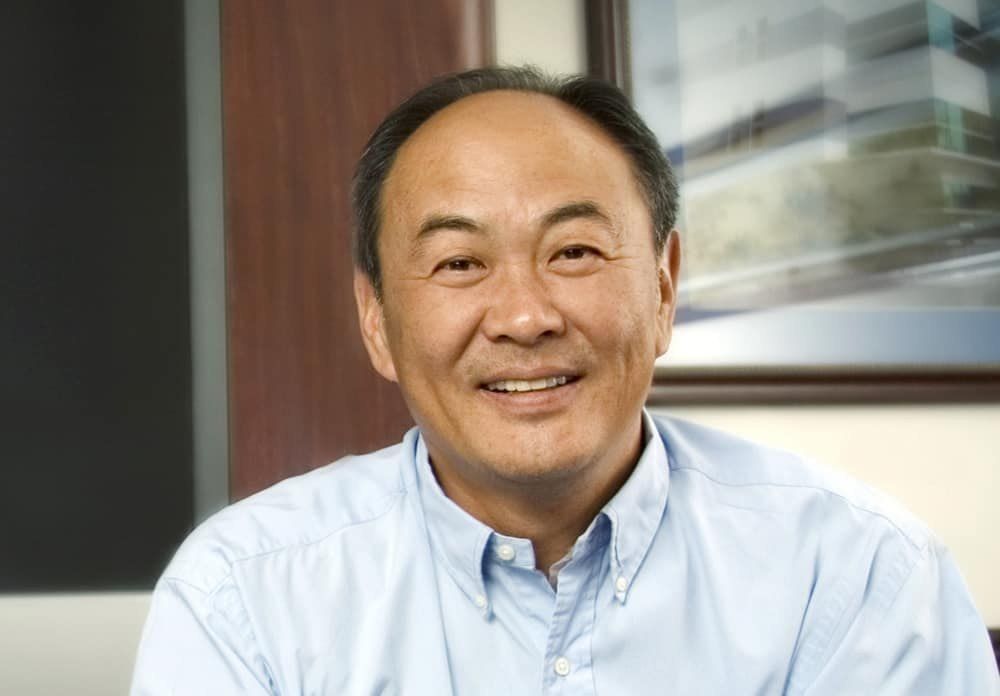
Image: Luxatic
Why We're Inspired
David Sun's defining business lesson arrived as a disaster: in the 1987 stock market crash, he and his partner John Tu lost the proceeds of their first technology venture and found themselves nearly broke. Their response became a master class in discipline.
From a garage, the two immigrants started selling computer memory modules as Kingston Technology — cash only, no receivables, no games. While competitors chased growth on credit, Sun ran operations with an almost stubborn frugality and a simple philosophy of looking after the people around the business. It worked beyond anyone's imagining.
Kingston became the world's largest independent maker of memory products, and in 1996 the partners sold 80 percent of it to SoftBank for $1.5 billion. Then, in 1999, they bought that same stake back — for $450 million.
Along the way they did something Silicon Valley still talks about: the partners distributed $100 million in bonuses to Kingston's employees, sharing a windfall most founders would have kept.
"If we take care of our employees and vendors, they will take care of our customers."
The Story
Sun remains Kingston's co-founder and chief operating officer, still preaching the same gospel of cash discipline and loyalty that turned a garage operation into a global giant. The 1987 crash was supposed to end his American story. Instead it wrote the first chapter.
Sources
StorageNewsletter — “Kingston Technology Celebrates 30 Years in Business”
Money Inc. — “David Sun and John Tu”
More from The Bourgeois Society: The full list · David Duong · Dheeraj Pandey
Co-founder, Nutanix; Co-founder & CEO, DevRev — San Jose, CA
Official links: Website · LinkedIn · X
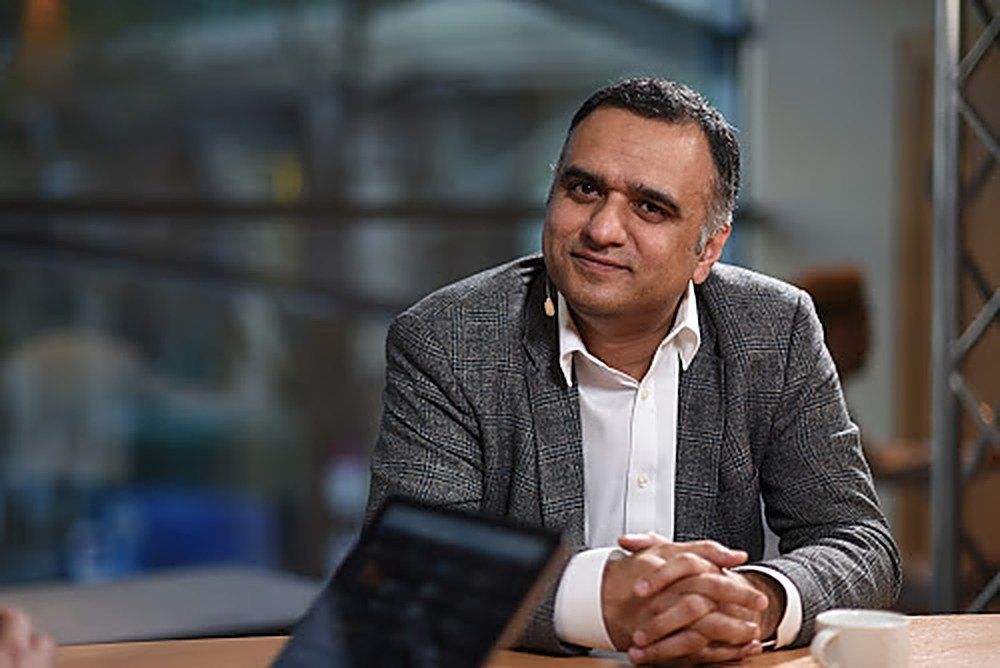
Image: SiliconANGLE
Why We're Inspired
Dheeraj Pandey arrived in the United States in 1997, twenty-two years old, carrying $900 scraped together from education-trust scholarships in India. The trip out of Patna was the first flight of his life. He had studied at IIT Kanpur, one of India's most demanding engineering schools, and he landed in America with an engineer's mind and an immigrant's hunger.
In 2009, after years inside the tech industry, he co-founded Nutanix, a company that reimagined how enterprises run their data centers. As CEO he took it public in 2016 in what became the largest U.S. technology IPO of that year, debuting at a market value of $4.65 billion. Most founders would have framed that as the summit.
Pandey treated it as base camp. He stepped away and co-founded DevRev, a company built for the age of AI agents and customer-centric software — and watched it reach a valuation of $1.15 billion at its Series A. The $900 arrival is not a detail he hides; it is the credential he leads with.
"It was the first flight of my life. I'd never taken a flight before I was 22,"
The Story
Pandey's two companies bookend a career spent rethinking enterprise software from first principles — first the invisible infrastructure of the cloud era, then the relationship between builders and customers. The boy from Patna who had never been on an airplane now flies between the industry's biggest stages.
Sources
FactorDaily — “Interview: Dheeraj Pandey, on Nutanix and Enterprise Cloud”
Inc. — “Nutanix's Dheeraj Pandey: The IPO and the Public Exit”
YesPress — “Dheeraj Pandey”
More from The Bourgeois Society: The full list · David Sun · Do Won Chang
Co-founder, Forever 21 — Los Angeles, CA
Official links: Website
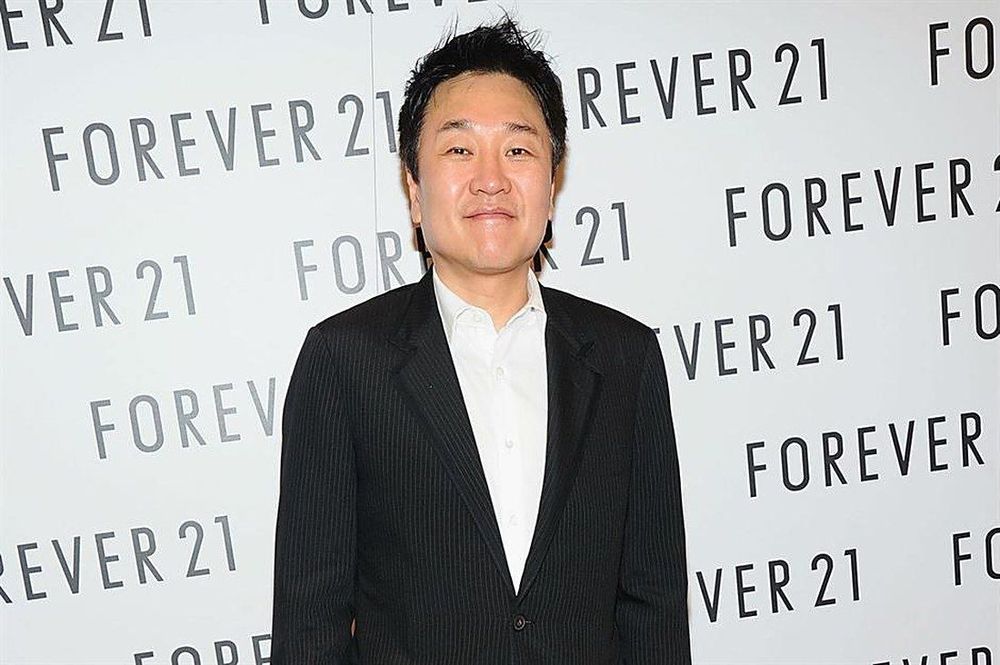
Image: Love Money
Why We're Inspired
When Do Won Chang and his wife, Jin Sook, arrived in Los Angeles from South Korea in 1981, they had no college degrees and little English. Chang worked three jobs — janitor, gas station attendant, coffee shop — sometimes nineteen hours a day, while Jin Sook worked as a hairdresser.
He paid attention the way immigrants do, and he noticed something: the customers in the garment business drove the nicest cars. In 1984 the couple took their $11,000 in savings and opened a 900-square-foot clothing store in Highland Park called Fashion 21. First-year sales: $700,000.
The formula — runway looks at prices a teenager could afford, restocked constantly — became Forever 21, and it grew into one of the defining fast-fashion empires on earth, with peak revenue of $4.4 billion and more than 700 stores.
Chang, a devout Christian, printed John 3:16 on the company's shopping bags and kept the business in family hands through its rise. The ending was harder: crushed by debt and a changing retail world, Forever 21 went through bankruptcy and was sold to new owners in 2020.
But the arc itself — janitor to the top of American retail in one generation — remains one of the great immigrant business stories ever told.
The Story
Chang's observation about the garment business became the family's fortune, and his wife's eye for merchandise (see Jin Sook Chang, later in this list) made it sing. Together they proved that a couple with $11,000 and a work ethic could out-execute an entire industry — at least for a glorious while.
Sources
Celebrity Net Worth — “How One Immigrant Worked His Way into a Billion-Dollar Clothing Empire”
fashionabc — “Forever 21”
More from The Bourgeois Society: The full list · Dheeraj Pandey · Farooq Kathwari
Chairman & CEO, Ethan Allen Interiors — Danbury, CT
Official links: Website
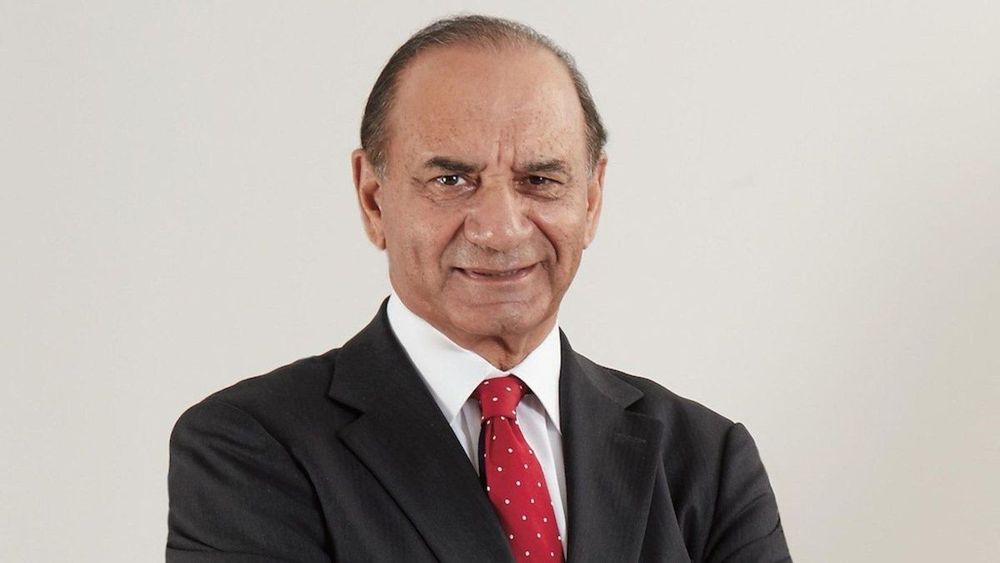
Image: Business of Home
Why We're Inspired
Farooq Kathwari was born in Kashmir and came to the United States as a student at twenty-one, earning an MBA from New York University while studying nights and working days at a printing company and doing bookkeeping. His start in business sounds like a fable: his grandfather shipped him twelve wicker baskets of Kashmiri handicrafts to sell.
Kathwari sold them to Bloomingdale's — his first customer — and a company was born. In 1973 he entered a joint venture with Ethan Allen, the great American furniture maker; the businesses merged in 1980, and Kathwari climbed to president in 1985 and chairman and CEO in 1988.
In 1989 he led the management buyout that made the company's own leaders its owners, then took Ethan Allen public in 1993. Under him the brand grew to some 290 design centers while keeping eight manufacturing facilities in the United States — a Kashmiri immigrant insisting that American furniture could still be made in America.
It is one of the longest and most successful CEO tenures in the history of the American furniture industry.
The Story
Kathwari has also carried his Kashmiri heritage into public life, writing and speaking on the region of his birth even as he built an American icon. The student who sold twelve baskets of handicrafts to Bloomingdale's ended up running the store's whole category — proof that in America, the man who sells the baskets can come to own the building.
Sources
Home Furnishings Hall of Fame — “M. Farooq Kathwari”
Knowledge at Wharton — “Leadership Lessons from Ethan Allen's Farooq Kathwari”
University of Miami Herbert Business School — “Ethan Allen CEO: A Leader's Main Job Is to Help People Become Better”
More from The Bourgeois Society: The full list · Do Won Chang · Fernando Angelucci
Founder & CEO, Self Storage Syndicated Equities — Chicago, IL
Official links: Website · LinkedIn · Facebook · Instagram · X
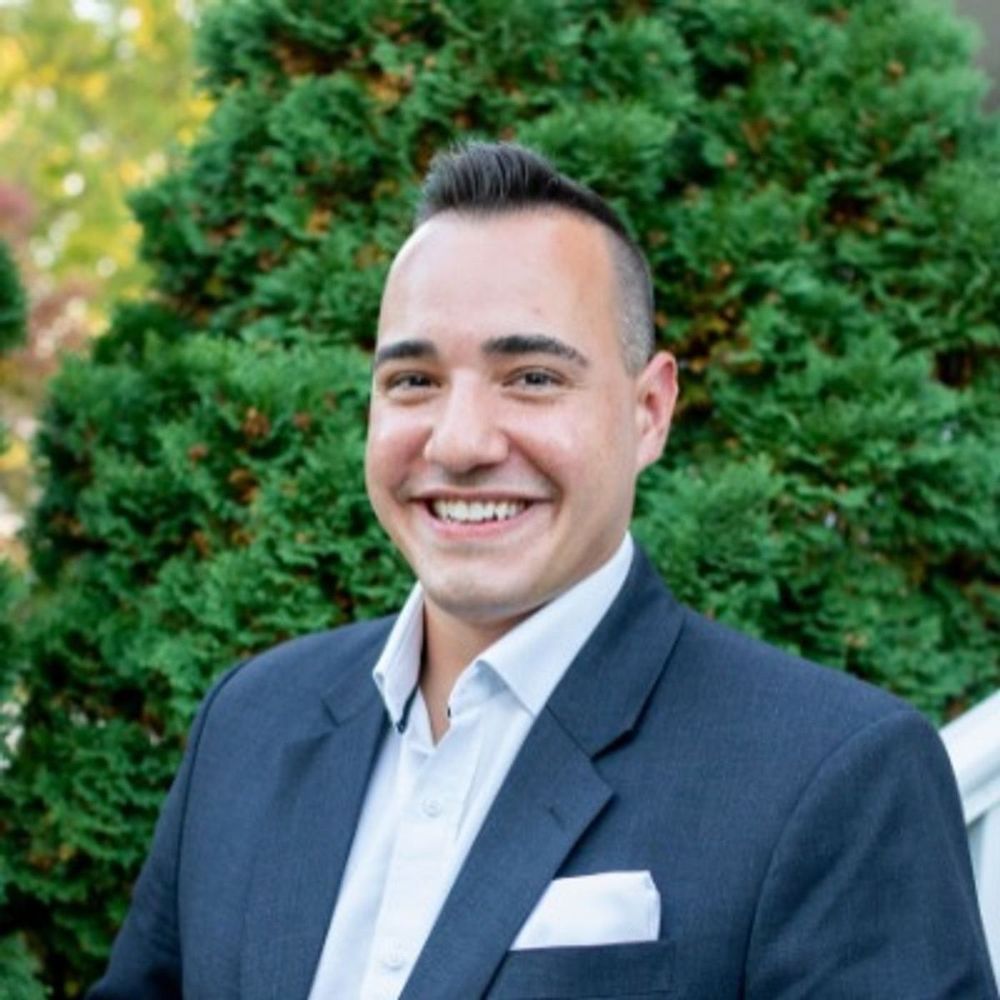
Image: Business Innovators Radio
Why We're Inspired
Fernando Angelucci, the son of Brazilian immigrants, did everything right at first: engineering degree, a Fortune 50 job, a safe runway. Thirteen months in, he quit.
What he did next has become legend among real-estate podcast listeners — by his own account, told with a grin and a clear “don't try this at home,” he sat down and applied for some sixty credit cards in about two hours, then cash-advanced $97,000 to fund his first deals. It was reckless, and he says so himself.
It also worked. Angelucci flipped houses, moved into multifamily properties, and then found his real lane: self-storage, the unglamorous corner of real estate where steady cash flow hides in plain sight.
Through Self Storage Syndicated Equities, he began syndicating storage deals — pooling investor capital to buy facilities at a scale no beginner could touch alone — and he reports having transacted more than $200 million in self-storage along the way. The immigrant kid who bet his credit rating on himself now teaches other investors how the storage business works.
The Story
Angelucci's firm, SSSE, lets passive investors own pieces of professionally run storage facilities across the country — a long way from a stack of credit-card applications. He doesn't recommend the opening move. He does recommend the lesson underneath it: nobody is coming to fund your first deal but you.
Sources
Average Joe Finances — “Podcast 95: Explosive Growth, Wholesaling & Self Storage with Fernando Angelucci”
ListenNotes — “Make Money with Self Storage (Fernando Angelucci)”
More from The Bourgeois Society: The full list · Farooq Kathwari · Frank Jao
Founder, Bridgecreek Group — Westminster, CA

Image: VietnamFDI
Why We're Inspired
On April 28, 1975, with Saigon hours from falling, Frank Jao and his wife, Catherine, climbed aboard military cargo jets and fled Vietnam with nothing. In California he sold vacuum cleaners door to door and worked as a security guard — the standard first jobs of a refugee starting from zero.
What he did next changed the map of Orange County. Jao earned a real estate license, founded Bridgecreek Group in 1978, and started assembling the Westminster land where his fellow refugees were settling.
In 1987 he opened the Asian Garden Mall: $15 million, 150,000 square feet, some 300 storefronts — and instantly the commercial and cultural heart of what the world now knows as Little Saigon, the largest Vietnamese community outside Vietnam. Bridgecreek went on to develop roughly $400 million in shopping centers, but the mall is the monument.
Jao didn't just build retail space; he built the refugees a downtown.
"I was among the first group of Vietnamese Americans who came to this country,"
The Story
Fifty years after the fall of Saigon, Little Saigon thrives — and its front door is still the Asian Garden Mall. Jao's story is the purest version of the refugee arc on this list: lose everything, rebuild it for everybody.
Sources
AARP The Magazine — “Frank Jao” (April–May 2025)
SoCal Press — “50th Anniversary: Having Lost Everything, They Rebuilt a Little Saigon in Orange County”
More from The Bourgeois Society: The full list · Fernando Angelucci · Jenny Jing Zhu
Founder & Chairwoman, Lush Decor (Triangle Home Fashions) — Dayton, NJ
Official links: Website · LinkedIn · Instagram

Image: Englewood Review
Why We're Inspired
Jenny Jing Zhu grew up in a tiny village in Shandong, China, that had no electricity until she was in second grade — and she was the only girl in that village to go to high school.
She left for Beijing, worked as a hotel maid, and ran a dry-cleaning business before moving to the United States in her mid-twenties with a few sentences of English. She started as a nanny, learning the language alongside the toddler in her care, then studied design at the Fashion Institute of Technology.
In 2008, in the teeth of the financial crisis, on the brink of divorce and with a one-year-old son, she founded Lush Decor. A trusted partner pushed her out of her own company; she fought her way back.
The brand she rebuilt — cheerful, affordable home décor sold everywhere — reached $100 million in profitable revenue, and she exited through private equity to become the company's founder and chairwoman. Her memoir, “Dream Weaver,” has been adapted into a short film that premiered at the Venice Film Festival, and she was named an Entrepreneur of the Year.
Her summary of the whole climb is the one line every reader of this list should take home.
"I believe where you start doesn't limit where you can go."
The Story
Today Zhu runs the Jenny Jing Zhu Collective, coaching and funding women founders, and speaks to girls who grew up the way she did — in places the world overlooks. The only girl in her village to reach high school now funds other women's first steps. That is the whole story, really: she became the person she needed.
Sources
PNC Insights — “Money Is Every Woman's Business: Entrepreneurship with Lush Decor” (transcript)
Business Insider via Home Craze — “How I Founded a $100 Million Startup During the 2008 Financial Crisis”
The Uplifters Podcast — “Starting from Zero: Jenny Jing Zhu's Journey”
More from The Bourgeois Society: The full list · Frank Jao · Jin Sook Chang
Co-founder, Forever 21 — Los Angeles, CA
Official links: Website
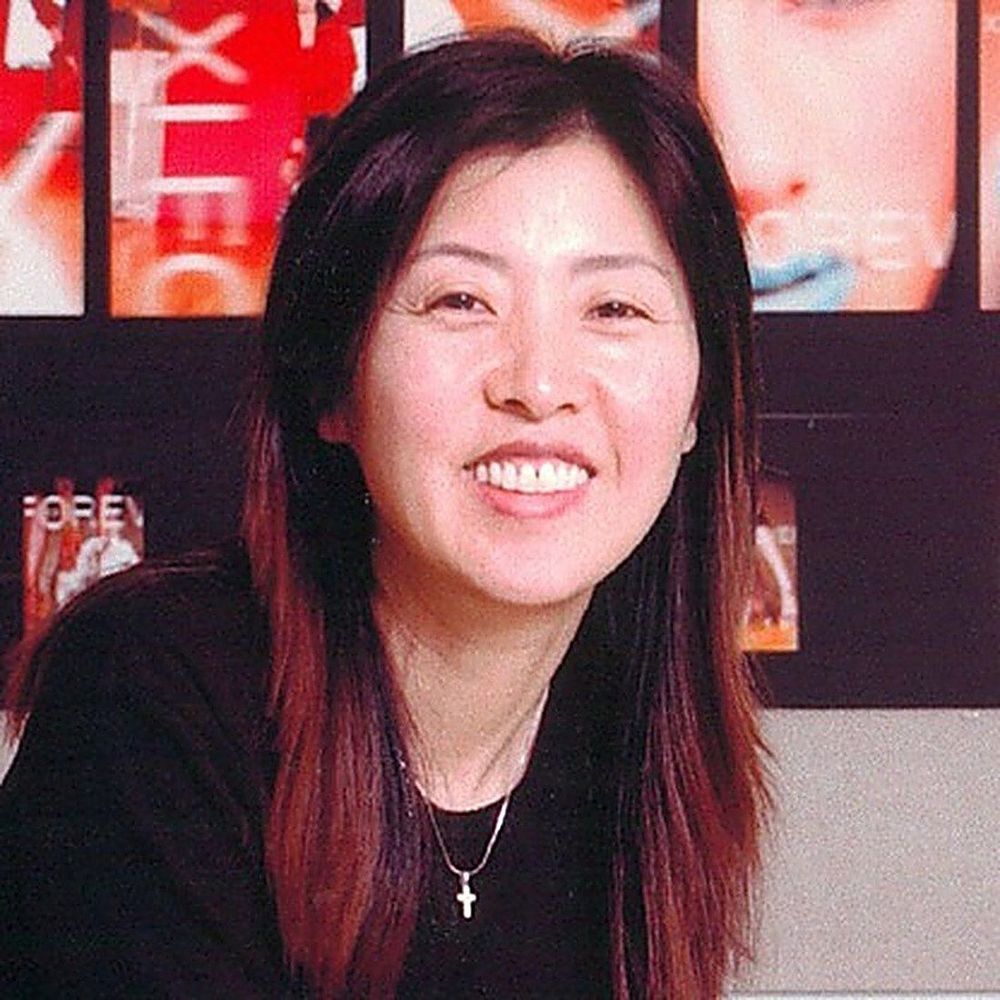
Image: Slant Eye for the Round Eye
Why We're Inspired
Every empire has a partner the cameras miss, and at Forever 21 that partner was Jin Sook Chang. She immigrated from South Korea with her husband, Do Won, in 1981, and while he worked three jobs — janitor, gas station, coffee shop — she worked as a hairdresser and kept the family's dream funded.
When the couple opened their first 900-square-foot store in Highland Park in 1984 with $11,000 in savings, Do Won ran the business; Jin Sook's gift ran the store. She had the eye.
Through Forever 21's rise she personally selected merchandise and approved designs — at the company's peak, coverage credits her with approving hundreds of designs a day, the relentless filter that turned runway trends into $20 dresses within weeks.
First-year sales at that little store were $700,000; at its peak the company she co-founded did $4.4 billion a year across more than 700 stores in dozens of countries, and the devout couple ran it as a family business with their daughters in leadership.
The company's bankruptcy and sale in 2020 closed the retail chapter — but nothing about it dims what the hairdresser from Korea built with her eye and her endurance.
The Story
Profiles of Forever 21 often center the founder in the suit; the people who worked the floor will tell you the suit's wife was the merchant. Jin Sook Chang is co-founder in fact and in function — half of the $11,000 bet, and most of the taste.
Sources
fashionabc — “Forever 21”
Celebrity Net Worth — “How One Immigrant Worked His Way into a Billion-Dollar Clothing Empire”
More from The Bourgeois Society: The full list · Jenny Jing Zhu · John Jennings
Founder & CEO, Taxco Produce — Dallas, TX
Official links: Website
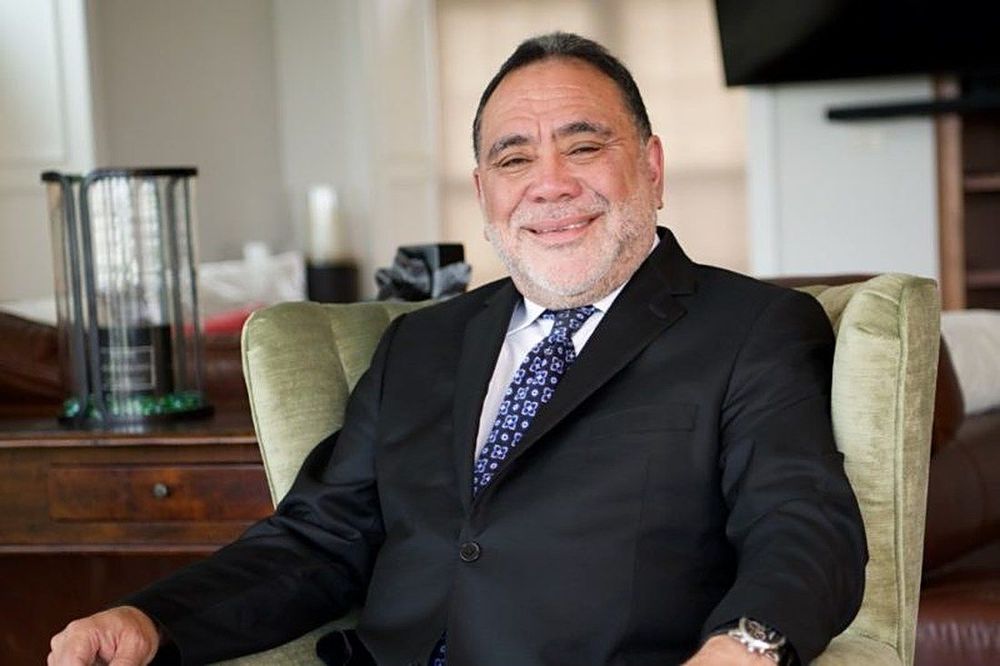
Image: Catholic Charities Dallas
Why We're Inspired
Alfredo Duarte grew up in the mountains of Durango, Mexico, the descendant of a humble farmer and a rural schoolteacher, and at sixteen he made the decision that would define his life: he left for the United States to pursue a brighter future.
He worked as a machinist in California while attending night school to learn English, married Irma Mendoza at nineteen, and in 1983 the couple moved to Dallas with their six-year-old son and $38 in their pockets. Duarte worked two jobs to keep the family afloat.
Two years later he partnered with his brother-in-law, Jesse Mendoza, and together they put up a $5,000 initial investment to start selling produce — the seed of what became Taxco Produce. The company grew into a Dallas institution with 100 employees and annual sales reported at more than $30 million.
But it is what Duarte did with his success that lands him on this list.
He became one of the most visible education advocates in the Texas-Mexico business community, serving on the Executive Advisory Board of SMU's Mission Foods Texas-Mexico Center and bringing, in his own words, 35 years of experience doing business back and forth between Mexico and the United States to the cause of educating both sides.
"Human capital is the biggest investment that any country or any community or even home can make."
The Story
Duarte's giving runs through education and community. He was named honorary chair of the AVANCE Latino Street Fest in Dallas, a festival benefiting Latino families, and he lends his name and time to education initiatives across the Texas-Mexico relationship. His philosophy is simple and he states it plainly: we change communities through education.
For a man who arrived with $38, investing in people turned out to be the best business decision he ever made.
Sources
SMU Texas-Mexico Center — “Human Capital & Education Profile: Alfredo Duarte, CEO of Taxco Produce Inc”
AVANCE — “Latino Street Fest 2018” (honoree biography)
More from The Bourgeois Society: The full list · Winston Damarillo · Arnaldo Bomnin
Affiliate Disclosure: The Bourgeois Society may earn a commission when readers buy through links on this page, at no additional cost to the reader.