
Image: AnneMahlum.com
School of Hard Knocks: The Graduates Behind Daniel Lubetzky, Anne Mahlum, Bob Duggan and Greg LaVecchia
The KIND bar founder who heard no a hundred times. The runner who turned morning jogs with homeless men into a movement. Fifteen graduates of life's hardest classroom.
Produced and Edited by The Bourgeois Society Staff
Part one of our three-part School of Hard Knocks list: fifteen founders whose real education came from failure, rejection and starting again with nothing.
Selected on the obstacle climbed, the thing built, and the good given back — and fact-checked line by line, with sources linked under every profile.
The full list: Part 1 · Part 2 · Part 3
Founder, Solidcore; Founder, Back on My Feet — Washington, DC
Official links: Website · LinkedIn · Instagram · X
Image: AnneMahlum.com
Why We're Inspired
Anne Mahlum grew up in Bismarck, North Dakota, in a home marked by her father's gambling addiction — accounts of her childhood describe the family's savings lost and her parents' divorce, and Mahlum deciding early that she would take control of her own life. She found her first calling on the run.
In May 2007 she launched Back on My Feet in Philadelphia, a nonprofit that combines running programs with support services to help people experiencing homelessness rebuild their lives and achieve self-sufficiency. The idea was simple and radical at once: show up before dawn, run together, and let consistency do what pity never could.
The work earned her national recognition, including being named a CNN Hero in 2008. Then she bet on herself a second time. In 2013 she launched Solidcore, a boutique fitness company built around high-intensity, low-impact workouts, putting in her life savings of $175,000 — every dollar she had, as CNBC reported.
She bootstrapped the company, scaled it past 100 studios and raised more than $200 million, and the chain has grown to more than 160 locations. In 2023 she sold her shares for a reported $88 million.
The Story
Second chances are the through-line of Mahlum's work. Back on My Feet turned running into a doorway back to work, housing and self-belief for people experiencing homelessness, and she carried the same people-first instinct into business — when she announced plans to sell Solidcore, she also announced that full-time employees would receive a stake in her equity.
A philanthropist and motivational speaker as well as a founder, she now reinvests the fortune she built from that last $175,000 into new ventures and the founders coming up behind her.
Sources
Wikipedia — “Anne Mahlum”
Built to Sell Radio — “Anne Mahlum on selling [solidcore] for $100M”
Impact Wealth — “Self-Made Millionaire Anne Mahlum: Building a Multi-Million Fitness Empire by Defying Convention”
More from The Bourgeois Society: The full list · Vick Tipnes · Ari Rastegar
Founder & CEO, Rastegar Property Company — Austin, TX
Official links: Website · LinkedIn · Facebook · Instagram · X
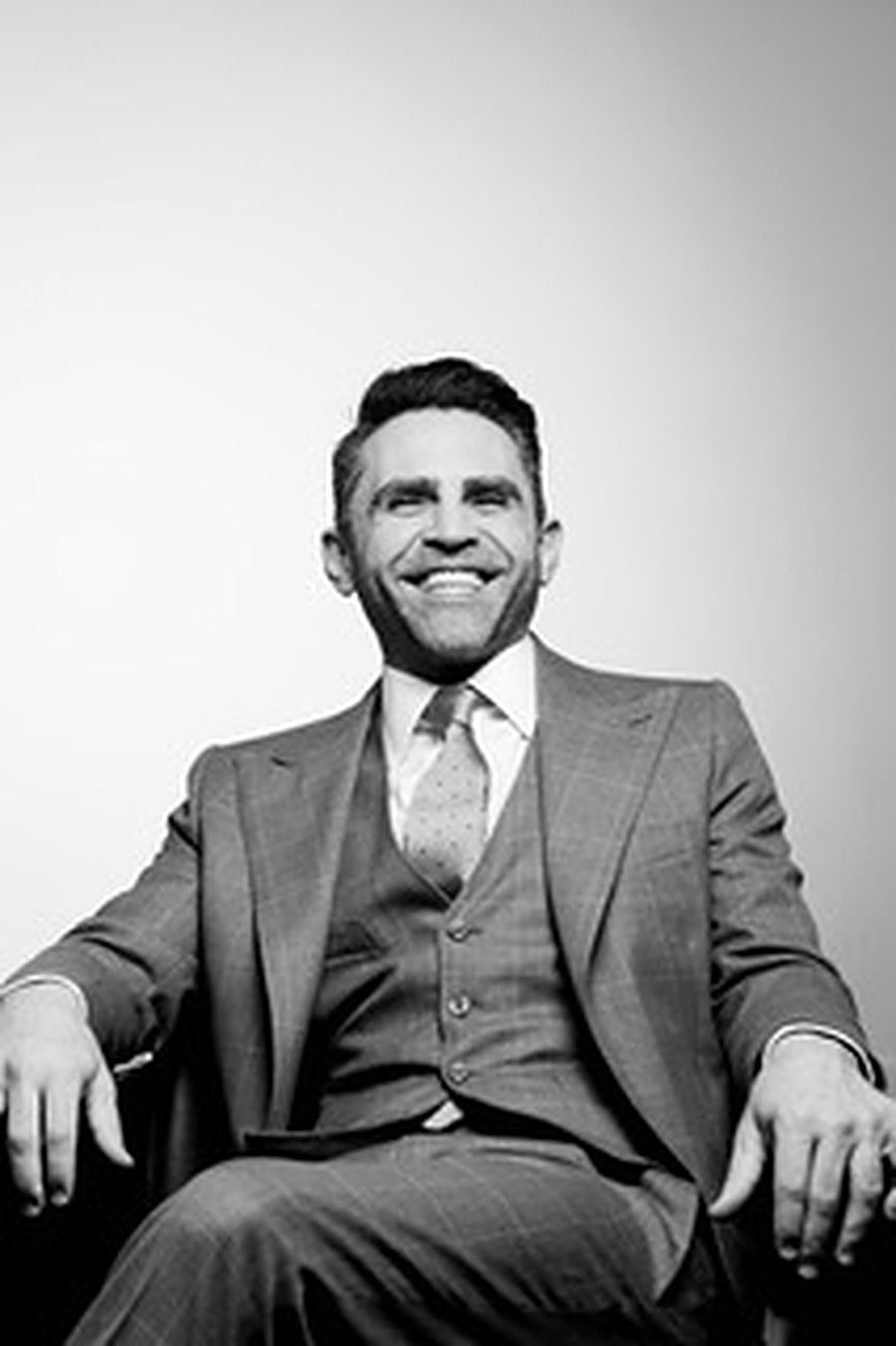
Image: Wikimedia Commons
Why We're Inspired
Ari Rastegar was born in Austin in 1982 to an Iranian father and a German mother, and he grew up in Dallas. He took an undergraduate degree at Texas A&M University and went on to law school at St. Mary's University — and it was there, in 2006, while still a student, that he began investing in real estate.
Podcast profiles of his start describe a first step taken with just $3,000. After graduation he worked for a Dallas attorney, then spent time in New York working with investor Anthony Orso before he began buying property back in the Austin area in 2012.
In 2015 he returned to Texas for good and founded Rastegar Capital, a private real estate investment firm headquartered in Austin. The firm grew fast: by January 2017 it had $500 million in assets under management.
It rebranded first as Rastegar Equity Partners and later as Rastegar Property Company, and podcast biographies describe a development portfolio spanning 38 cities across 13 states, with more than five million square feet of assets across multifamily, industrial, office, mixed-use and other commercial property. The law student who started small had become one of Austin's best-known developers.
The Story
Rastegar put his philosophy into a book. The Gift of Failure, published in July 2022 and described in his biographies as a Wall Street Journal and USA Today bestseller, argues that setbacks are tuition — the price of the lessons success requires.
He teaches the same message to the large online audience of agents and entrepreneurs who follow his work, pairing real estate with an emphasis on resilience, discipline and leadership. In Austin, he also led planning for a Dallas development announced with what was billed as the world's tallest living wall.
Sources
Wikipedia — “Ari Rastegar”
Listen Notes / The Inner Estate — “BUILDING Success From the Inside Out”
More from The Bourgeois Society: The full list · Anne Mahlum · Ben Pogue
Chairman & CEO, Pogue Construction — McKinney, TX
Official links: Website
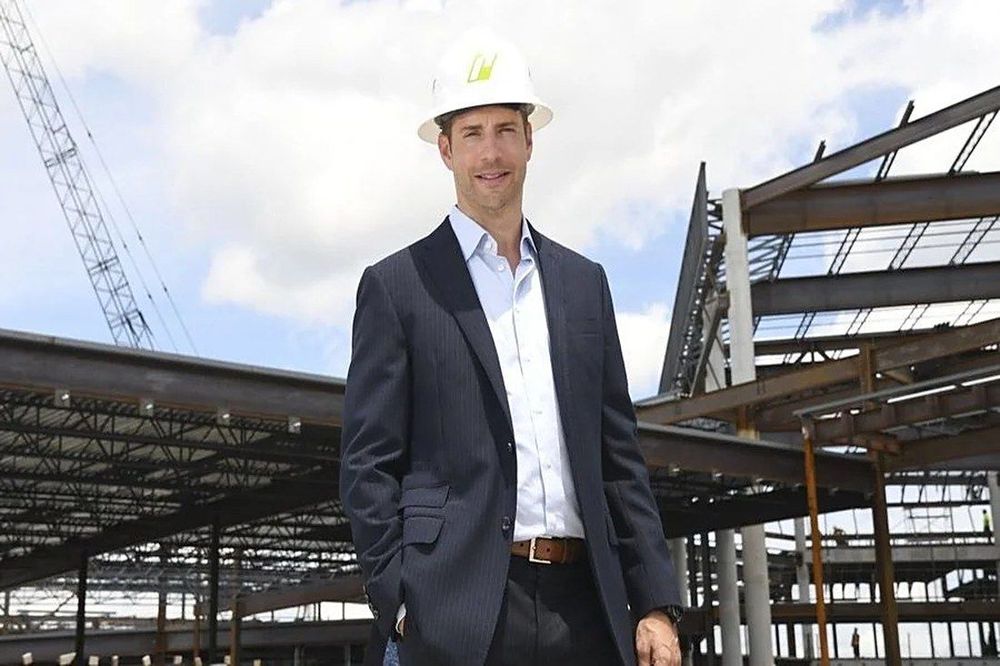
Image: Pallax
Why We're Inspired
Ben Pogue did not ease into leadership — it was handed to him. He had worked in the family construction business since he was fifteen, out in the field, then in operations, project management and estimating.
In 2009, when he was twenty-nine, his father called and told him he had a personal matter to handle and needed to step away — Ben would have to take the company over.
By Pogue's own telling on the School of Hard Knocks Podcast, the company then had about ninety team members and roughly $180 million in volume, and the weight of all those families' livelihoods landed on a twenty-nine-year-old's shoulders.
Not everyone who would follow his father would follow him, and he has described having to clear out people who were hurting the culture, and doing it with grace. What he built instead was a self-described faith-driven, “Powered by People” culture.
The company grew from that team of about ninety to about 350 people, and BusinessWire reported its 2025 revenue was projected to exceed $1.5 billion, with a ranking of #152 on ENR's Top 400 Contractors.
"Our employees have always been our greatest strength, and it only feels right that they are now directly part of the future they have worked so hard to build."
The Story
Pogue's answer to growth was to share ownership of it. Pogue Construction transitioned to a 100% employee-owned structure through an Employee Stock Ownership Plan, effective December 1, 2025, so each qualifying employee became a company owner.
The company describes the move as formalizing its faith-driven culture of dignity, stewardship and shared success, and Pogue remains chairman and CEO, with day-to-day operations continuing uninterrupted — a builder who was handed a company now handing ownership to the people who build it.
Sources
BusinessWire via FinancialContent — “Pogue Construction Becomes a 100% Employee-Owned Company”
School of Hard Knocks Podcast — “He Took Over a Construction Company at 29… Now It Makes $1.5B a Year | Ben Pogue” (video)
More from The Bourgeois Society: The full list · Ari Rastegar · Blake Johnson
Co-founder, Byte — Los Angeles, CA
Official links: Website · LinkedIn
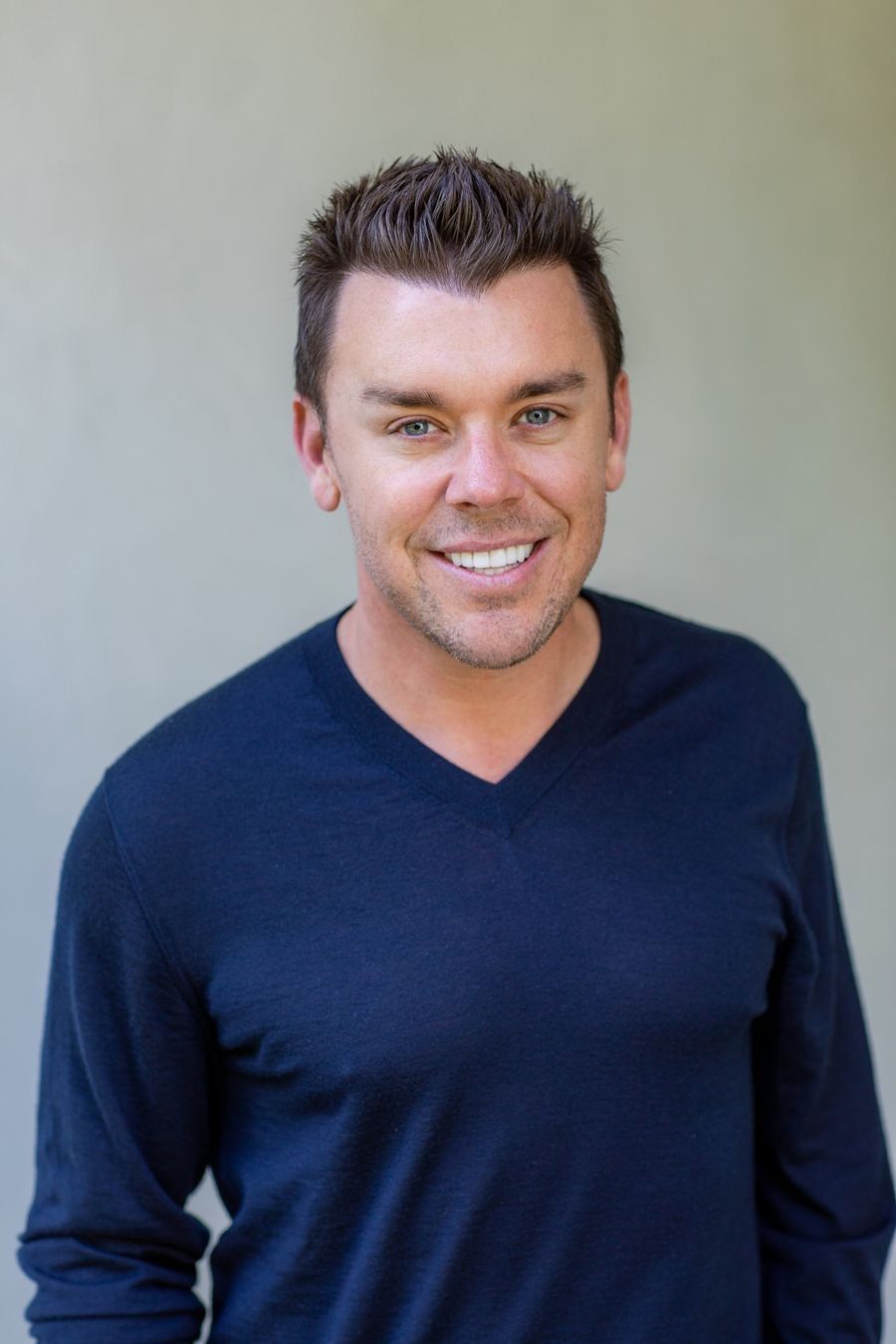
Image: Blake B. Johnson
Why We're Inspired
Blake Johnson grew up on a cattle ranch in southern California, and his road to a billion-dollar exit ran straight through near-failure.
The School of Hard Knocks Podcast describes a serial entrepreneur who nearly lost his first business during the 2008 financial crisis — its episode on him is titled for the $7,000 he had left — and who came out of that scare with a disciplined framework for bootstrapping, scaling and positioning companies for acquisition.
He founded and sold five companies, including a $97 million exit. The biggest was Byte, the direct-to-consumer clear-aligner company he co-founded with Scott Cohen in 2017. Byte launched its first products at the beginning of 2019, took on established industry giants, and — as Startup UCLA notes — did it without taking venture capital.
Less than two years after launch, Dentsply Sirona acquired Byte in an all-cash deal valued at $1.04 billion. Five self-funded companies, sold for a combined value his biographies put at more than $1.15 billion, from a founder who once nearly lost the first one.
"These opportunities are deserved by our community and I couldn't be happier to support them."
The Story
Johnson's giving follows the ranch lesson that access to opportunity breeds success.
PRWeb reported that he has donated a total of $600,000 to charitable organizations, focusing on youth and entrepreneurship — including Big Brothers Big Sisters, the Boy Scouts of America, the International Justice Mission and NFTE — and in 2021 he gave $10,000 to Heart of Los Angeles to support after-school programs for underserved youth as they returned to in-person learning.
The founder who bootstrapped his way up now funds the on-ramps for other people's kids.
Sources
School of Hard Knocks Podcast via Ausha — “Blake Johnson | He Had $7,000 Left… Then Sold His Companies for $1.1 Billion”
PRWeb — “Byte® Co-Founder Blake Johnson Donates $10,000 to Heart of Los Angeles”
Startup UCLA — “Summer Speaker Series: Blake Johnson and Scott Cohen”
More from The Bourgeois Society: The full list · Ben Pogue · Bob Duggan
CEO, Summit Therapeutics — Miami, FL
Official links: Website · LinkedIn
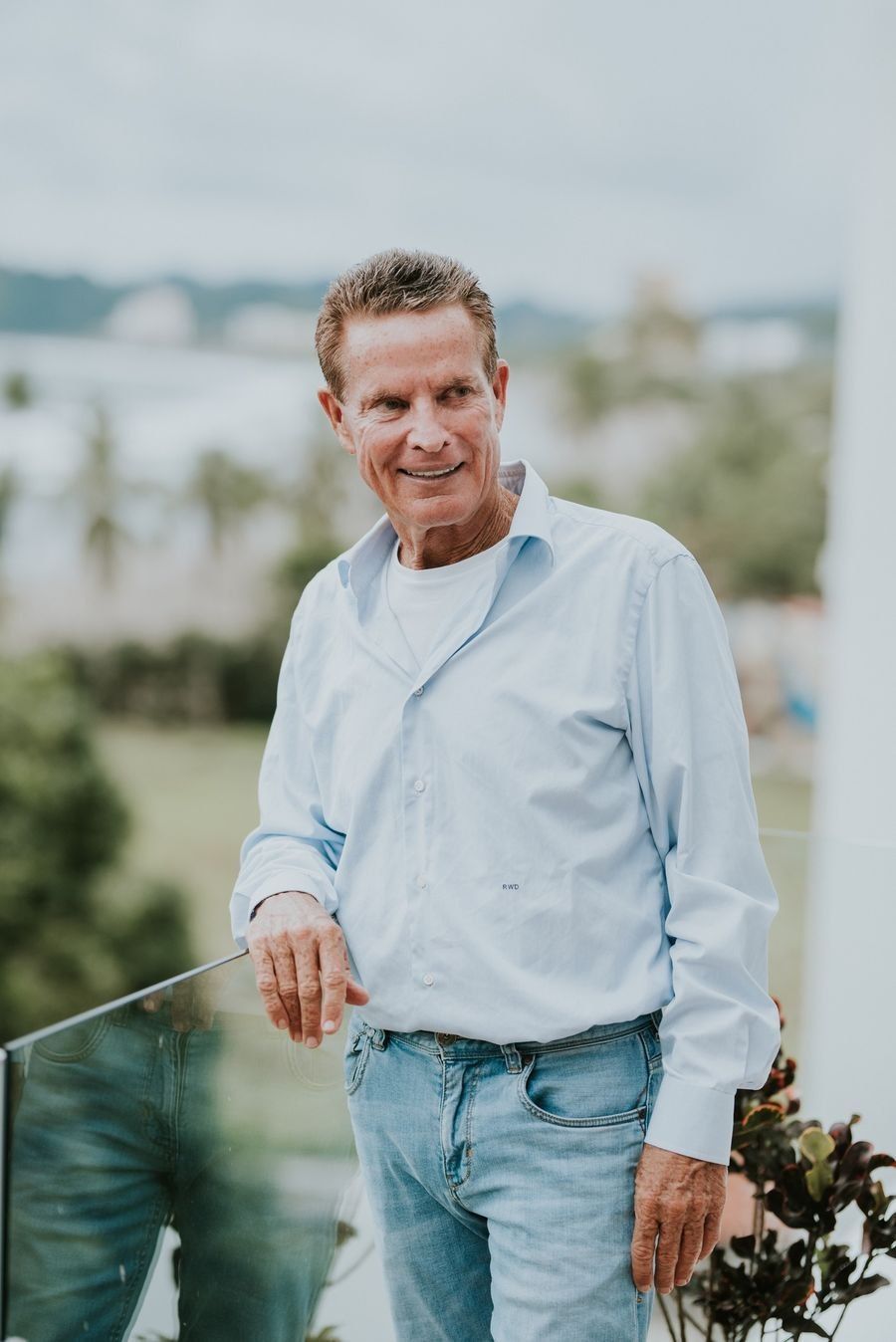
Image: Wikimedia Commons
Why We're Inspired
Robert W. Duggan was born in Oakland, California, in 1944, the third of five children of an Irish immigrant father who became an industrial engineer and a mother who was a nurse. The family was not poor in spirit, but money was tight enough that it shaped him.
He studied business and economics at the University of California, Santa Barbara, and UCLA, without completing a degree, and built businesses the unglamorous way — stitchery kits, a bakery whose cookies were distributed to major corporations, Ethernet technology and a pioneering robotic-surgery company. Then grief gave his ambition a target.
Duggan lost a son to cancer, and accounts of his career describe that loss as what spurred him to start building a stake in Pharmacyclics, a small cancer-drug company, in 2004. He became its largest investor and, from 2008 to 2015, its chairman and CEO, backing the blood-cancer drug Imbruvica when the company was close to failure.
In 2015, AbbVie bought Pharmacyclics for $21 billion, and Duggan received $3.5 billion from the sale.
"We [our family] made about $800 a month…The last couple days of every month we scrambled around the house looking for lost quarters, dimes, and nickels [to pay the bills]."
The Story
Duggan is still chasing cancer. After joining Summit Therapeutics' board in 2019, he became its CEO in 2020 and its leading shareholder; STAT reported that Summit's experimental lung-cancer drug outperformed Merck's Keytruda in a head-to-head result.
His giving runs alongside the work: he sits on the board of trustees at UC Santa Barbara and has funded two faculty chair positions, athletic scholarships and new academic institutes there — the boy who hunted for lost coins now endowing the university he attended.
Sources
Wikipedia — “Robert Duggan (venture capitalist)”
STAT — “Robert Duggan wins again as Summit lung cancer treatment beats Keytruda”
More from The Bourgeois Society: The full list · Blake Johnson · Chris Watters
Founder & CEO, Watters International Realty — Austin, TX
Official links: Website · Facebook · Instagram

Image: Chris Watters Coaching
Why We're Inspired
Chris Watters started, as a lot of builders do, with a lawn mower. In college he ran a lawn-mowing business that paid his way through Texas State University, where he graduated with a degree in finance, and a customer talked him into getting his real estate license.
The path wandered from there — a few months at a brokerage, then farm-and-ranch work tracking down mineral rights in oil and gas. When that market crashed in 2009, he was laid off.
He put his savings into a bar and restaurant — by his own telling, a couple of hundred thousand dollars — and nine months later there were chains on the door and eviction notices on it, and he was broke, sleeping on his girlfriend's couch in 2010, too proud to move back home. That girlfriend is now his wife.
From that couch he founded Watters International Realty in 2010, in the middle of the Great Recession's wreckage, in one of the most competitive real estate markets in Texas.
His coaching biography says he became the first team owner to earn $1,000,000 in net income in three short years, building an independent brokerage around a team-centric model, and the School of Hard Knocks Podcast describes a company now doing nine figures a year in revenue.
The Story
Watters built his second act on teaching the model that saved him. From 2015 his company began opening branches and partnering with other team leaders to duplicate its system, his team closed more than $100 million in sales in 2016, and he co-authored The Million Dollar Real Estate Team.
Through his coaching he trains other agents to build team-based brokerages the way he did — turning a public failure, an eviction and a couch into a curriculum for people whose first tries failed too.
Sources
Chris Watters Coaching — “About”
InvestFourMore — “149: Christopher Watters - Creating a Million Dollar Real Estate Team”
School of Hard Knocks Podcast via GetPodcast — “Chris Watters | CEO of Watters International Realty - Going From $0 to $10M+/Yr & Doing 9 Figures in Revenue in Real Estate”
More from The Bourgeois Society: The full list · Bob Duggan · Daniel Lubetzky
Founder, KIND Snacks — New York, NY
Official links: Website · Facebook · Instagram · X
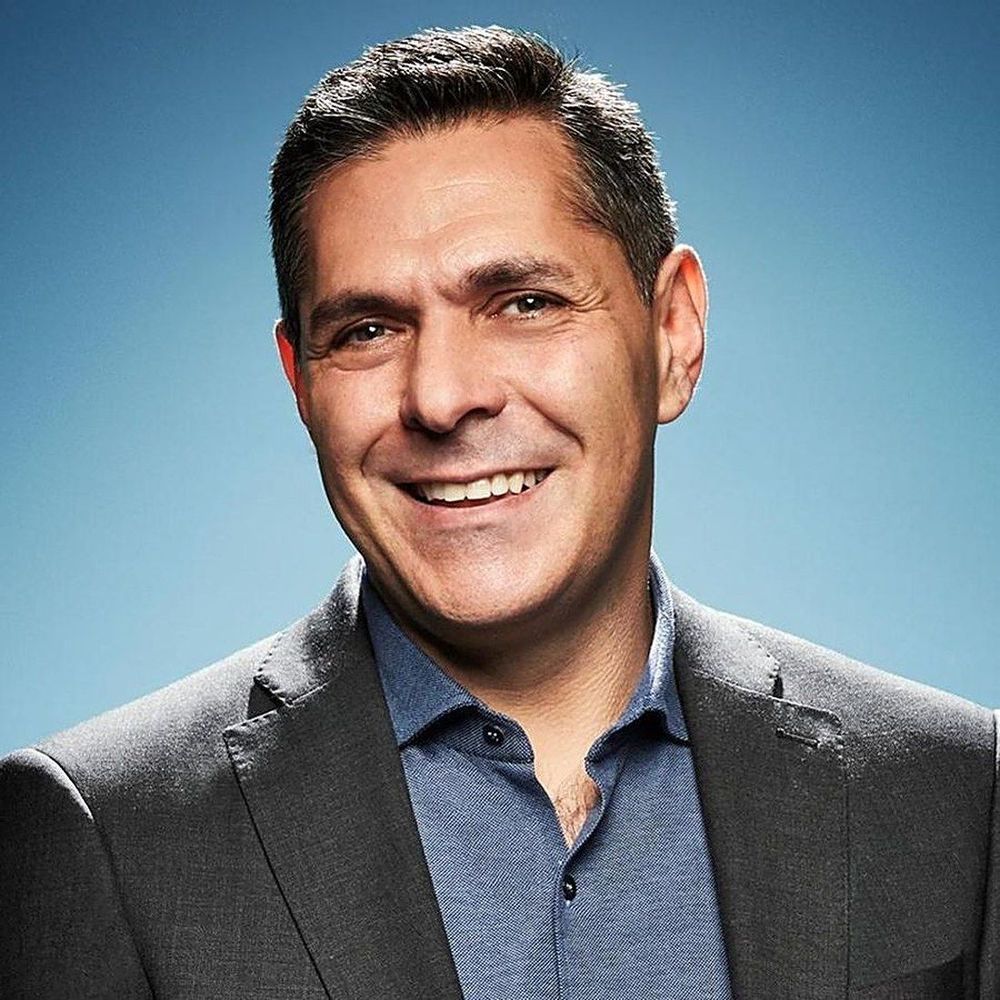
Image: Forbes
Why We're Inspired
Daniel Lubetzky was born in Mexico City, the son of Roman Lubetzky, a Lithuanian Jew who survived the Holocaust and built a life from almost nothing. Daniel emigrated to the United States at sixteen, earned a degree in economics and international relations at Trinity University in San Antonio, and took his law degree at Stanford in 1993.
He thought he might become a diplomat. Instead he built a business meant to do a diplomat's work: PeaceWorks, founded in 1994, got Arab and Israeli neighbors making food together, a wager that people who trade together learn to live together.
He paid himself $24,000 a year after Stanford Law and spent ten years making mistakes at PeaceWorks — years he calls some of the most important of his life. Then came KIND.
Founded in 2004 with the promise of snacks that were kind to your body, your taste buds and your world, KIND became the fastest-growing snack company in the United States, and in November 2020 Mars agreed to acquire KIND North America in a deal worth $5 billion.
Lubetzky kept a stake and stayed involved, then sold his remaining stake in 2025.
"It’s essential that young people see themselves as protagonists in their own lives,"
The Story
The through-line never changed: business as a bridge. He co-founded the OneVoice Movement in 2002 to amplify moderate Israelis and Palestinians, created the KIND Foundation, and pledged $25 million to Feed the Truth, his effort to counter the food industry's influence on public health.
In 2023 he helped launch Builders, a nonprofit aimed at reducing polarization — its motto is “Together Works” — and through Camino Partners, his investment firm, he backs founders building consumer companies meant to enhance people's lives. The immigrant kid who arrived at sixteen now spends his fortune teaching a divided country how to disagree without dividing.
Sources
Wikipedia — “Daniel Lubetzky”
Stanford News — “New speaker forum to focus on solving problems across differences”
Podscan / School of Hard Knocks Podcast — “Daniel Lubetzky | From a $24,000 Salary to Building a $5 Billion Company, The Billionaire Behind KIND”
More from The Bourgeois Society: The full list · Chris Watters · Dariush Soudi
Founder, Gladiator Mastery — Dubai, UAE
Official links: Website · LinkedIn · Facebook · Instagram · X
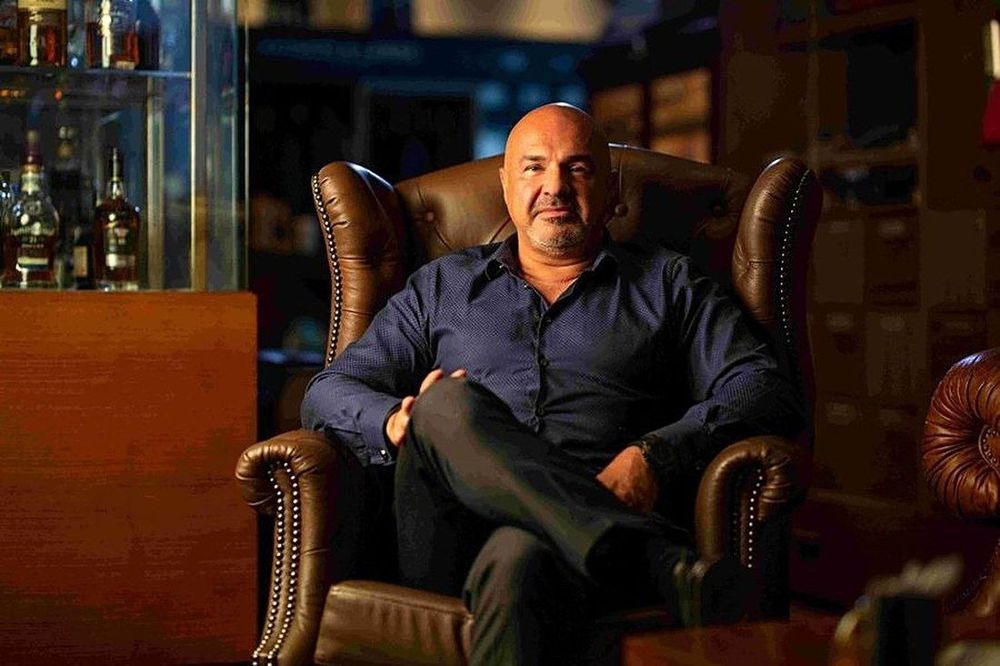
Image: ITP Live
Why We're Inspired
Dariush Soudi's first fortune was built in England, and it ended with a knife at his throat. Born in Iran, he lost his father young, moved to England, and — dyslexic and, by his own account, never built for a regular job — made his money in sales, rising to multimillionaire status with businesses that included health clubs.
Then men he knew forced their way into his home, pinned him against a wall and demanded a quarter of a million pounds while one of them talked about cutting his throat. He flew his children to Dubai that night.
Months later he had a heart attack, and lying in a hospital bed he wrote down the values he would live by if he lived.
He sold his businesses, got paid a fraction of what he was owed, paid everyone who came after him anyway — he was, he says, too proud to go bankrupt — and landed in Dubai in September 2009 with $750.
At first he survived, the ITP Live account says, on a donut and two coffees a day, working as a consultant nobody in the region had heard of, pricing low and earning his reputation client by client.
"And I came here with $750 in my pocket."
The Story
Soudi rebuilt a portfolio of businesses in Dubai and turned the comeback itself into the curriculum.
He founded the Gladiator Mastery program, hosts the podcast In the Arena with Dariush Soudi, and teaches the lessons the collapse taught him: price on the value you bring, take full responsibility, and never do business with people whose values fail the test — no matter how desperate things get.
ITP Live tells of a young woman in Africa who followed his teaching for months; after her father died, he brought her to Dubai, trained her for four months and helped her land a cabin-crew job with Fly Dubai. That, he would tell you, is the point of a second chance.
Sources
ITP Live — “Interview: The Trials And Tribulations Of A Relentless Entrepreneur- The Story Of Dariush Soudi”
Podscan / School of Hard Knocks Podcast — “Dariush Soudhi | How a Violent Home Invasion Forced Him to Start Over From Nothing & Still Made Millions Again”
More from The Bourgeois Society: The full list · Daniel Lubetzky · David Royce
Founder & Chairman, Aptive Environmental — Provo, UT
Official links: Website · LinkedIn · Instagram
Image: KCPW
Why We're Inspired
David Royce was a broke college student when a friend mentioned he had made $25,000 in one summer selling pest control door-to-door. Royce drove out to Sacramento — and sold nothing at all in his first week. Commission only, so he earned nothing while his teammates sold around him.
That weekend he bought half a dozen sales books and put ninety minutes of study on his calendar every day. By summer's end he was the top rookie in the company, out of some 200 reps.
He worked four college summers, saved $300,000 he had meant for business school, and — on his boss's challenge — used it to start his own pest-control company instead of applying to investment banks. The first year nearly bankrupted him: growth outran his cash, and he had to ask his sales leaders to wait for their bonus checks, with interest.
He learned, and he repeated the pattern — build, sell the customer book, keep the team, build again. Before Aptive he had three eight- and nine-figure exits to the same buyer. Aptive Environmental, the Provo company he founded most recently, grew past $500 million in annual revenue and became the third-largest residential pest-control service in North America.
BYU, where he graduated in 2004, named him its Entrepreneur of the Year, an honor that followed his 2015 Ernst & Young National Entrepreneur of the Year award.
"Persistence is genius in disguise."
The Story
Royce built giving into the model early. Aptive partners with the United Nations Foundation's “Nothing But Nets” campaign, and a portion of company profits each year provides insecticide-treated bed nets for refugees across sub-Saharan Africa. His proudest exit story is not the price.
At Aptive, he gave away 25 percent of the company to employees, so when the business was sold, team members shared a nine-digit sum — many, he recalls, paid off mortgages and student loans or bought their parents a car.
The kid who thought he was not smart now spends his energy the way his sixth-grade teacher spent hers on him: developing leaders.
Sources
BYU News — “David Royce: Entrepreneur of the Year”
Foundr — “How David Royce Built a Billion-Dollar Pest Control Company”
More from The Bourgeois Society: The full list · Dariush Soudi · David Stout
Co-founder & CEO, webAI — Austin, TX
Official links: Website · LinkedIn · X

Image: AI Expo
Why We're Inspired
David Stout grew up on a farm in northern Michigan, about as far from Silicon Valley as American life gets. An AI lab hooked him in 2016, back when “AI” mostly meant hand-rolled machine-learning pipelines, and one question kept him up at night: could serious models run on the hardware people already own?
With his roommates, he ported the Darknet object-detection model to an iPhone just to see if it would compile. It did, barely. There were no off-the-shelf tools for what they were doing — they wrote code directly to the phone's hardware — and that scrappy prototype became webAI, incorporated on December 26, 2019, with co-founders Ethan Baird and Tyler Mauer.
Venture capitalists kept telling the team to pick one industry. The founders refused, betting that owning the horizontal tools mattered more than owning any single application.
Investors came around: webAI raised roughly $60 million, reached a valuation near $700 million in 2024, and was reported at about $2.5 billion after a further round backed by Marc Benioff's Time Ventures and Atreides Management. Not bad for a farm kid whose first lab was a phone and a hunch.
"We want AI to run as close to where data is generated as possible, without relying on the cloud or Wi-Fi connection,"
The Story
webAI's platform — Navigator for building models, Companion for putting them to work, and webFrame for clustering Apple devices into private compute — serves the customers who cannot use the cloud at all: hospitals, airlines, manufacturers, defense and finance firms guarding data that must never leave the building. Oura embeds its on-device AI in its smart-ring app.
Stout's larger argument is philosophical as much as technical: superintelligence, he believes, will not arrive as one giant model but as millions of specialized ones, working together — intelligence people and companies actually own, rather than rent.
Sources
Startup Project — “Web AI Founder David Stout on Offline AI & the Edge Computing Revolution”
Cerebral Valley — “webAI is putting private, on-device intelligence in every pocket”
YesPress — “webAI - The Sovereign AI Platform”
More from The Bourgeois Society: The full list · David Royce · Eddie Maalouf
Founder & CEO, BAD Marketing — Atlanta, GA
Official links: Website · LinkedIn · Instagram · X
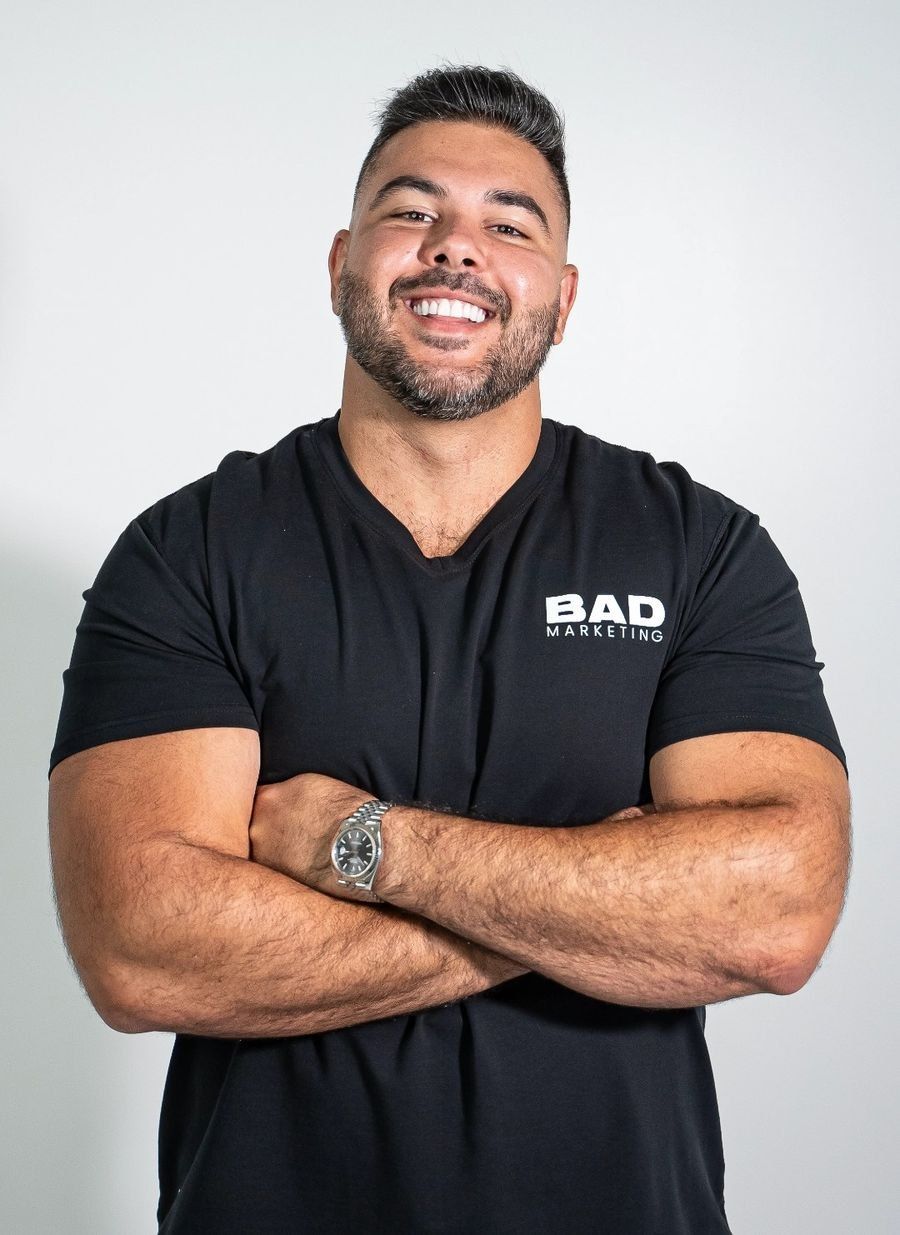
Image: BAD Marketing
Why We're Inspired
Eddie Maalouf knows the sound of nobody buying. Early on, the School of Hard Knocks episode about him is titled with the humiliation: he couldn't give his marketing away for free. What he could do was sell.
Before the agency, he became the top sales rep by volume at Life Time Fitness, then turned that skill on his own family's businesses and helped generate an additional $1 million in profit. He had started running ads so young he could not legally drink, and he built from his parents' basement.
The agency that became BAD Marketing — bold, disruptive, deliberately named to stand for the opposite of safe — grew in a little over four years to about 200 employees across local businesses, e-commerce and info products, and the School of Hard Knocks episode credits it with roughly $18 million a year.
Along the way he worked with major brands including Yeezy, and negotiated the purchase of a restaurant business from a $1 million asking price down to a $130,000 deal — the business behind Scoville Hot Chicken.
"And our motto is actually we make good brands go bad."
The Story
Maalouf now spends part of his time handing the playbook down. Opensend, where he writes, describes BAD Marketing as managing more than $1 billion a year in client revenue across more than 100 eight-figure brands — and notes that he coaches young agency owners toward the same success.
His own account of the journey is unsentimental: a decade of running ads, a team built rep by rep, and a brand that wins by being unmistakably itself. The marketer nobody would take for free now teaches other people's marketers how to be worth paying.
Sources
School of Hard Knocks Podcast (Ausha) — “Eddie Maalouf | He Couldn’t Give Marketing Away For Free… Now His Agency Makes $18 Million/Year”
Opensend — “Eddie Maalouf - Author”
Perpetual Traffic — “What Worked in 2024 that We Want to Double Down on in 2025 with Eddie Maalouf of BAD Marketing”
More from The Bourgeois Society: The full list · David Stout · Edwin Arroyave
Founder & CEO, Skyline Security Management — Los Angeles, CA
Official links: Website · Instagram · X
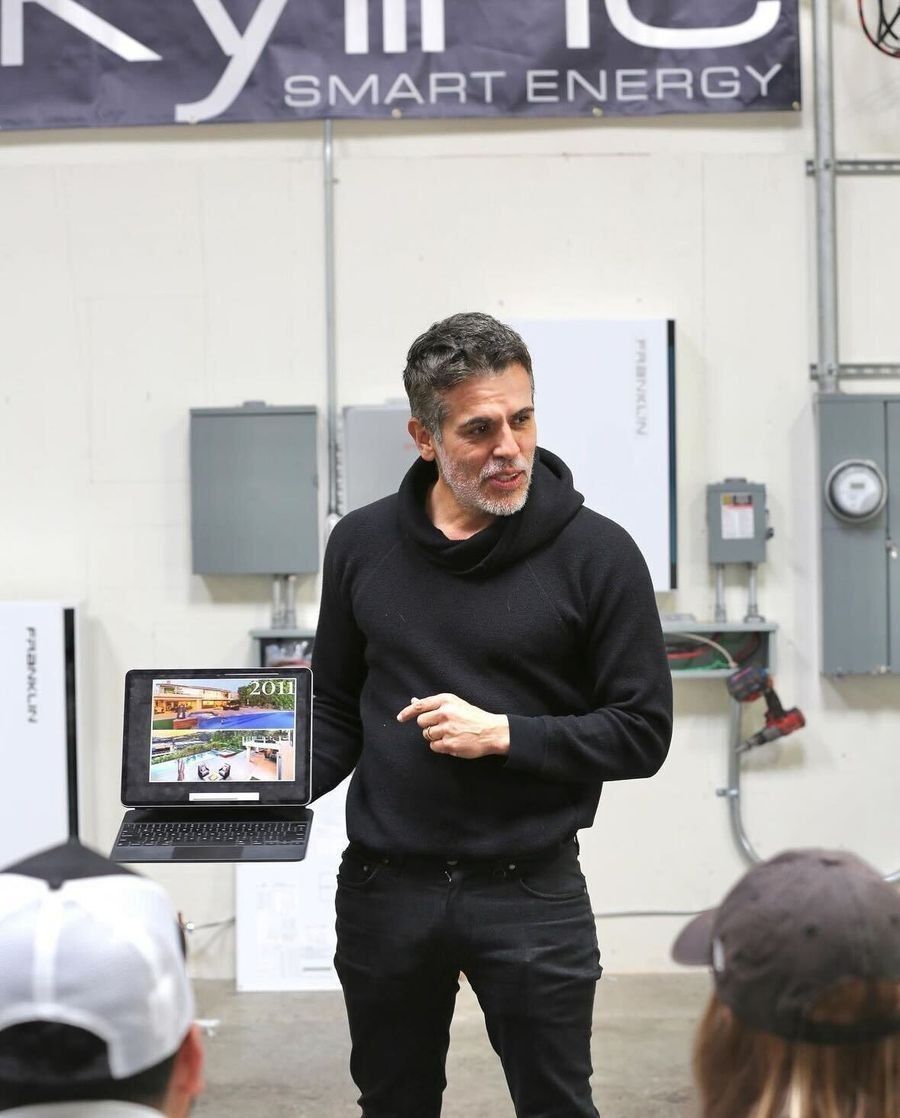
Image: School of Hard Knocks
Why We're Inspired
Edwin Arroyave was born in Bogotá, Colombia, and arrived in Los Angeles at about six years old. The American dream curdled fast: the family lost everything, and by fifteen Edwin was the head of his household.
The School of Hard Knocks episode about him adds the texture money hides: extreme poverty, a windowless room infested with cockroaches, months that ended without food.
Shy and timid, he took a telemarketing job to feed his family, studied the top sales rep's every move, broke company records, and became — the School of Hard Knocks account says — the youngest manager in company history at eighteen.
A vice president of sales gave him his shot in home security, and in 2004 he founded Skyline Security Management himself. Skyline grew into one of the largest home-security dealers in the country and one of the biggest authorized dealers of Brinks Home Security, and the episode credits him with $40 million in revenue in a single year.
His second act, Skyline Smart Energy, debuted at number 20 on Inc. Magazine's 5000 fastest-growing companies list.
The Story
Ask Arroyave the number-one factor in his success and, in the School of Hard Knocks account, he answers without hesitating: his faith in Christ. He runs his life on what he calls the Fab Five — faith, fitness, family, finances and fun — arguing that when one collapses, the others follow.
Skyline has landed on the Inc. 5000 list repeatedly, and Arroyave now speaks and mentors as a CEO who started as the kid keeping a household afloat. His company protects other people's families. He has never forgotten he built it to protect his own.
Sources
School of Hard Knocks — “$600 Million Security Empire”
CelebzLiving — “Edwin Arroyave Age, Net Worth, Wife, Height, Wiki, Job”
More from The Bourgeois Society: The full list · Eddie Maalouf · George Heaton
Co-founder & CEO, Bloom Nutrition — Austin, TX
Official links: Website · Instagram

Image: School of Hard Knocks
Why We're Inspired
The School of Hard Knocks episode title introduces Greg LaVecchia as a 2.5 GPA student — and nothing about his path ran through the usual doors.
In 2019 he and his wife, Mari Llewellyn, founded Bloom Nutrition, starting, as Mari tells it, in her father's attic, and building a supplements brand around her own fitness transformation and a greens powder that actually tasted good. They had no outside investors, no mentors and no playbook.
The episode description says they bootstrapped the company to $180 million; Inc. puts the figure at $175 million in annual revenue in four years. The nerve in the story is retail.
The episode describes Greg betting $1 million of the company's own money on Target distribution, and Bloom built everything around that shopper, even filming “Target Haul” videos so customers would recognise the product on the shelf. It worked.
Target carried Greens & Superfoods from 2022, Walmart followed, and the brand the episode describes as selling across 70,000 retail doors became, Inc. reports, a top-five energy-drink player after expanding into sparkling energy drinks — a category now three times the size of the original supplement business.
"Energy is the largest, growing the fastest, not just by percentage but also by real number. It’s out of control,"
The Story
Bootstrapped did not mean forever. In 2024 Bloom took its first outside capital — $90 million from Nutrabolt and Clayton Christopher for a 20 percent stake, Inc. reports — and Nutrabolt has since raised its total investment to around $210 million.
The money went into beverages: Bloom Pop, a prebiotic soda, sold more than $2 million worth in two weeks, and beverages now generate most of the company's revenue.
Greg still preaches the founder's version of the lesson — say no to almost everything, study what competitors did at the beginning rather than what they do now, and be consistent in the right things. The student the system graded a 2.5 built one of America's fastest-growing wellness brands.
Sources
School of Hard Knocks Podcast — “Greg LaVecchia | He Had a 2.5 GPA… Now He’s Got a $1 Billion Brand”
Inc. — “Bloom’s Energy Drink Was an Instant Hit. Now It’s 3 Times Bigger Than the Business That Made the Brand Famous”
Drug Store News — “Bloom Nutrition expands outside of DTC to brick-and-mortar”
More from The Bourgeois Society: The full list · George Heaton · Greg Perlman
Founder & CEO, GHC Housing Partners — Sherman Oaks, CA
Official links: Website
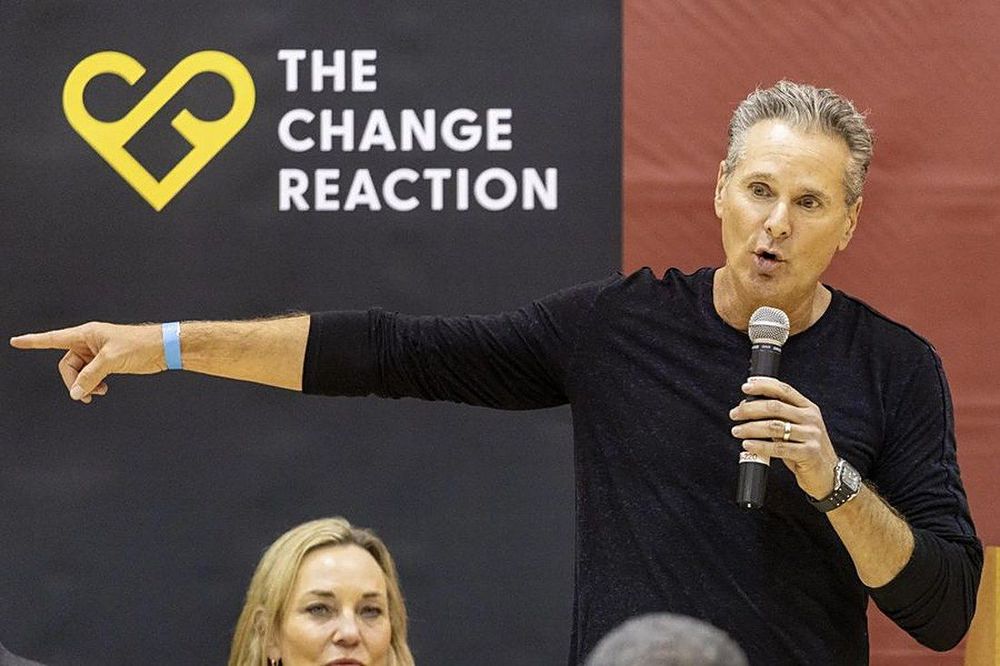
Image: Associated Press
Why We're Inspired
Greg Perlman started in affordable housing the unglamorous way. He began GH Capital with 1,500 units of Section 8 housing, some hotels and other housing, sold off everything that was not affordable housing over eight years, and in 2012 renamed the firm GHC Housing Partners to say plainly what it was.
The model was a bet that subsidised housing could be run like a mission: acquire buildings with project-based Section 8 contracts, then surround the rent with help — wellness clinics, computer labs, job counselling, vegetable gardens and even an on-site movie theatre.
By the early 2010s the firm was among the largest Section 8 owners in the country, with more than 16,000 units in 21 states and some 30,000 residents.
The School of Hard Knocks episode description puts the empire he built at $2.5 billion, with more than 25,000 apartments nationwide — and says he then made a rare decision: to give away 75 percent of his fortune. That giving was not an afterthought.
In 2009, while the company was still growing, he founded the Perlman Foundation to serve the same communities his buildings housed.
"We focus on our residents and provide them with the opportunity to better their lives through self-improvement programs as well as support from the non-profit Perlman Foundation."
The Story
The foundation's work is concrete: 1,700 backpacks filled with school supplies for resident children, money for children to attend summer camps, and scholarships for graduating seniors at his own properties, plus Bridging the Gap grants to small charities serving low-income communities.
In 2019 he and his wife Jodi started The Change Reaction, which gets cash directly into the hands of Los Angeles households in crisis through trusted frontline workers. After the Eaton Fire, the Associated Press reported, the couple seeded a wildfire fund with $10 million, and the group handed checks of $2,500 to $5,000 to some 3,000 people.
Perlman measures the fortune by what goes back out.
Sources
School of Hard Knocks Podcast — “Greg Perlman | The Real Estate Billionaire Who Built a $2.5B Empire and Chose to Give 75% Of It Away”
MultifamilyBiz — “GHC Housing Partners Reshapes Affordable Housing”
Associated Press — “How the nonprofit Change Reaction gets money to LA households impacted by wildfires so fast”
More from The Bourgeois Society: The full list · Greg LaVecchia · Jason Mickool
Co-founder & Creative Director, Represent — Manchester, UK
Official links: Website · Instagram · X
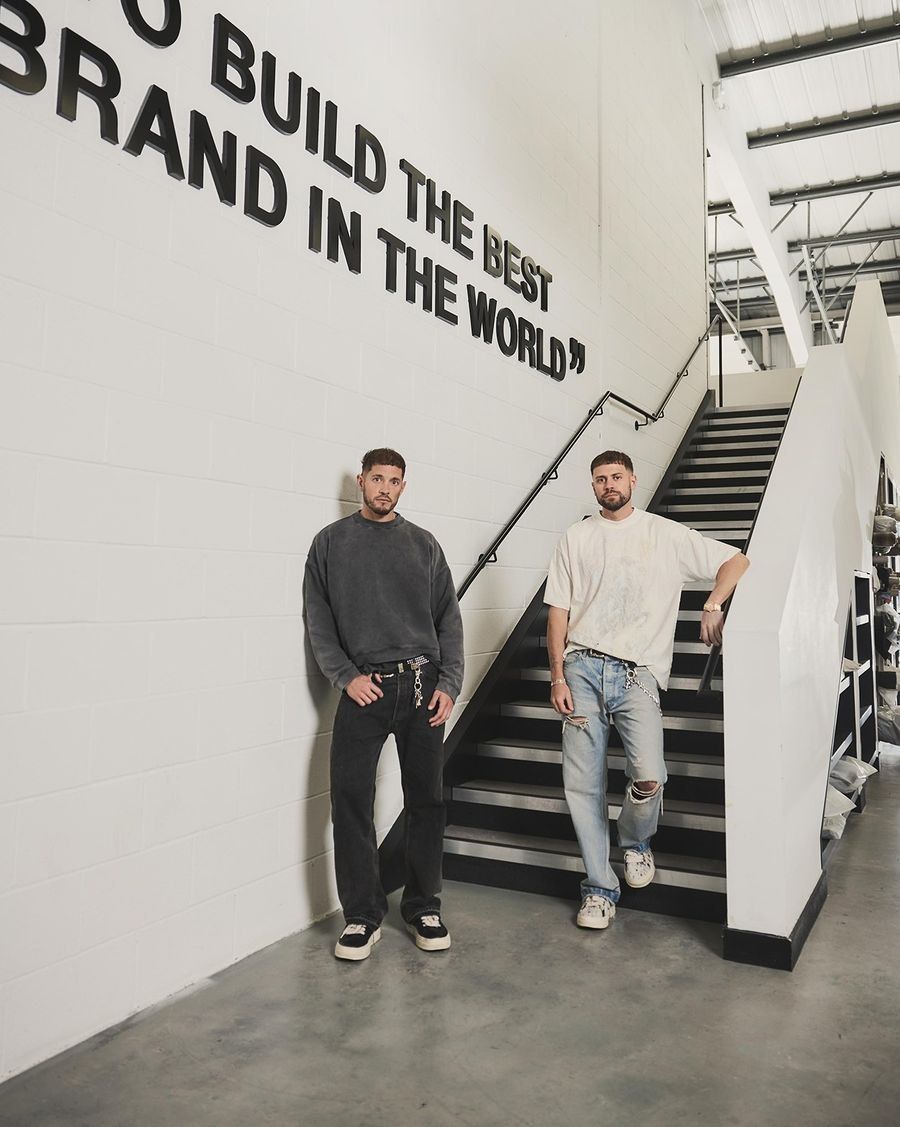
Image: Gentleman's Journal
Why We're Inspired
Represent began in 2011 as a college project. George Heaton, a graphic-design student in Manchester, screen-printed his own art onto locally sourced blank clothing and sold the T-shirts to friends.
His brother Mike joined him, and the two built the brand out of their father's garden shed and, as Gentleman's Journal tells it, a college project designed out of George's bedroom.
There was no shortcut and no plan B. In interviews, George has described living on minimum wage for the brand's first ten years and still living at his parents' house at 27, pouring everything back into a label most people could not yet see. Then came the years that nearly ended it.
The brand flatlined from 2017 to 2020, and a two-year, multimillion-dollar trademark dispute in Europe — another company held the Represent name there — left the brothers building under a threat that could have taken the whole company.
They settled, kept the name, restructured around direct-to-consumer sales and weekly drops, and scaled, the School of Hard Knocks episode reports, from about $8 million to more than $100 million in revenue, with the business reported at roughly $140 million a year.
Shopify, marking the brothers' £100 million revenue milestone, calls the result a global fashion phenomenon built from a handful of bold designs.
"making good decisions fast is fundamental to how we do everything. We’ll make a decision, we’ll try it. But if it’s wrong we’ll switch directions."
The Story
Today Represent runs flagship stores in Manchester, London and Los Angeles, sells through Selfridges, Harrods and Harvey Nichols, and has grown from T-shirts into footwear, outerwear, womenswear and the 247 performance line the brothers started during the pandemic.
George, the design-focused brother, brought in a chief executive so he could concentrate on the creative work, and the brand's Owners Club drops have turned customers into a community.
The student who printed tees in a shed now talks about building a brand designed to outlive its founders — and about discipline, delayed gratification and making the best product, not the cheapest, as the way it gets there.
Sources
School of Hard Knocks Podcast — “George Heaton | How He Built Represent Into a $140M/Year Fashion Brand”
Shopify — “Talking Shop with Represent Co-Founders: The Brothers Building a Global Fashion Phenomenon”
Gentleman's Journal — “The business of building a brand like Represent”
More from The Bourgeois Society: The full list · Edwin Arroyave · Greg LaVecchia