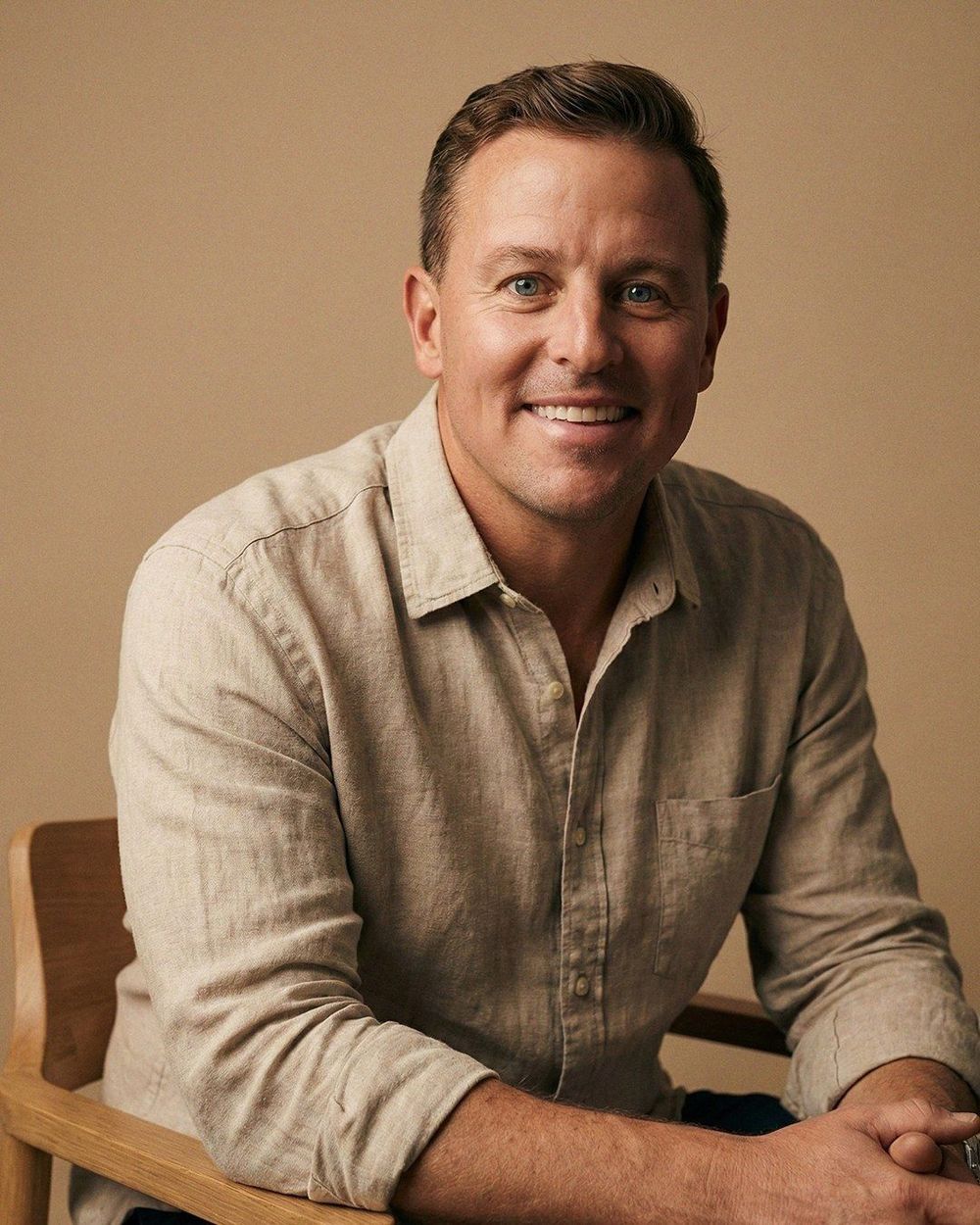
Image: MikeWystrach.com
School of Hard Knocks: The Graduates Behind Neil Patel, Tommy Mello, Ronnen Harary and Simon Squibb
The toy maker who rebuilt after a crash. The garage-door king who started with a classified ad. The final fifteen graduates of the School of Hard Knocks.
Produced and Edited by The Bourgeois Society Staff
The third and final installment of our School of Hard Knocks list: fifteen more founders whose degrees were earned in debt, doubt and second chances.
Selected on the obstacle climbed, the thing built, and the good given back — and fact-checked line by line, with sources linked under every profile.
The full list: Part 1 · Part 2 · Part 3
Founder, Freshly; Co-founder & Co-CEO, Petfolk — New York, NY
Official links: Website · LinkedIn · Instagram · X
Image: MikeWystrach.com
Why We're Inspired
Mike Wystrach's comeback starts at rock bottom. Before Freshly, he had been through a business failure, lost his home and faced a $1 million judgment — and at 35 he had just $15 left in his bank account, as the School of Hard Knocks podcast tells it.
What he did have was a work ethic learned early: he grew up on a beef cattle ranch in Arizona, worked in his family's restaurant, The Steak Out, in Sonoita, and spent about five years in the Arizona 4-H program.
He earned a finance degree from the University of Arizona in 2002 and built a corporate career — then bet on a simple idea from his own life: healthy, ready-made meals delivered to busy people who had no time to cook.
Freshly, the subscription meal company he co-founded and led as CEO from its New York headquarters, grew to hundreds of employees delivering to 28 states, and scaled past one million meals a week. In 2020 Nestlé acquired Freshly in a deal valued at $1.5 billion. The man who once had $15 had built — and sold — a billion-dollar company.
"With kids, if you fall in with a good crowd, you have motivation, you strive to move forward."
The Story
Wystrach is building again. He is co-founder and co-CEO of Petfolk, the veterinary-care company he runs alongside his sister Audrey, a veterinarian — bringing the same direct-to-consumer playbook he used in food to pet care, with modern clinics, mobile care and round-the-clock virtual access.
Giving back was part of the Freshly model too: the company donated excess ingredients and meals to local food banks through a partnership with Feeding America. Failure, in his telling, was tuition — and he is spending what it taught him on a second act.
Sources
School of Hard Knocks Podcast — “Mike Wystrach | He Had $15 Left… 10 Years Later He Sold His Company For $1.5 Billion”
University of Arizona News — “One UA Graduate's Journey From 4-H to Freshly CEO”
Eventible — “Michael Wystrach Speaking Profile”
More from The Bourgeois Society: The full list · Mike Sherbakov · Neil Patel
Co-founder, NP Digital & Crazy Egg — San Diego, CA
Official links: Website · LinkedIn · Facebook · Instagram · X
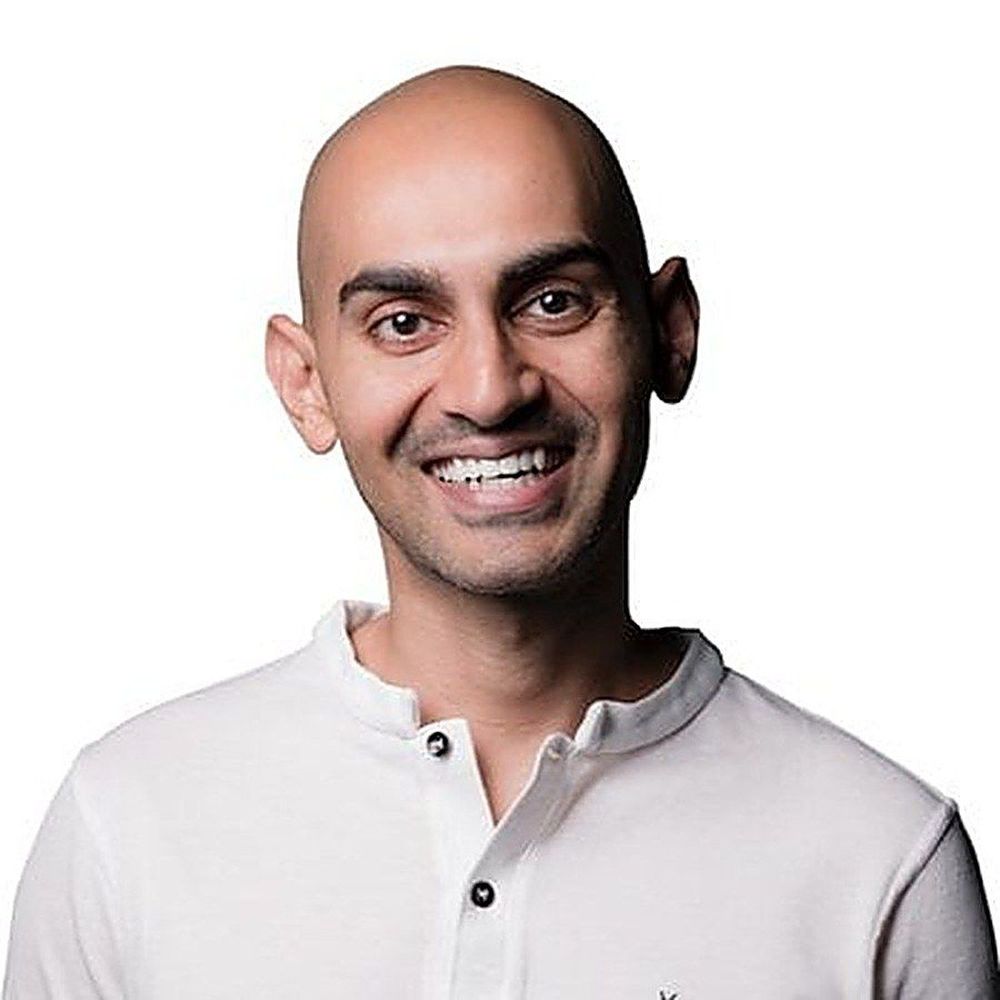
Image: Chartwell Speakers
Why We're Inspired
Neil Patel was born in London and raised in California after his family moved to Orange County when he was two — a first-generation immigrant household where his mother started a home daycare business and his father worked for an uncle. His first job, at fifteen and a half, was cleaning restrooms and picking up trash at a theme park.
He wanted more, so he taught himself marketing the hard way: his teenage job-board venture failed, and he has told how a later cloud-computing venture burned through $1 million of borrowed money that had to be paid back.
The School of Hard Knocks tells the arc in one line — a millionaire at 17 who had lost it all by 20. What he did next is the lesson. He turned the marketing skills he had learned from failure into tools other businesses could use, co-founding Crazy Egg, the website-analytics company, and KISSmetrics.
Then he built the agency: NP Digital, co-founded in 2017 and initially based in San Diego, has grown into a global firm reported at more than 750 people. Forbes counts him among the top 10 marketers, and The Wall Street Journal calls him a top influencer on the web.
The Story
Patel's reach is a classroom as much as a business. His marketing blog draws more than four million visitors a month, his Marketing School podcast more than a million monthly listens, and his YouTube channel has millions of subscribers learning search and content marketing for free.
Giving is part of the plan at home, too: he and his wife donate each year — he judges causes by results, asking how many children were less hungry because of the effort — and he has said they intend to give away close to everything by the end of their lives.
Sources
School of Hard Knocks — “He Became a Millionaire At 17, Lost It All.. & Made It All Back | Neil Patel” (video)
Chartwell Speakers — “Neil Patel”
Productive Insights — “Profitable Scaling, AI, and Content Marketing with Neil Patel”
More from The Bourgeois Society: The full list · Mike Wystrach · Omar Soliman
Co-founder & CEO, College HUNKS Hauling Junk & Moving — Tampa, FL
Official links: Website · Instagram
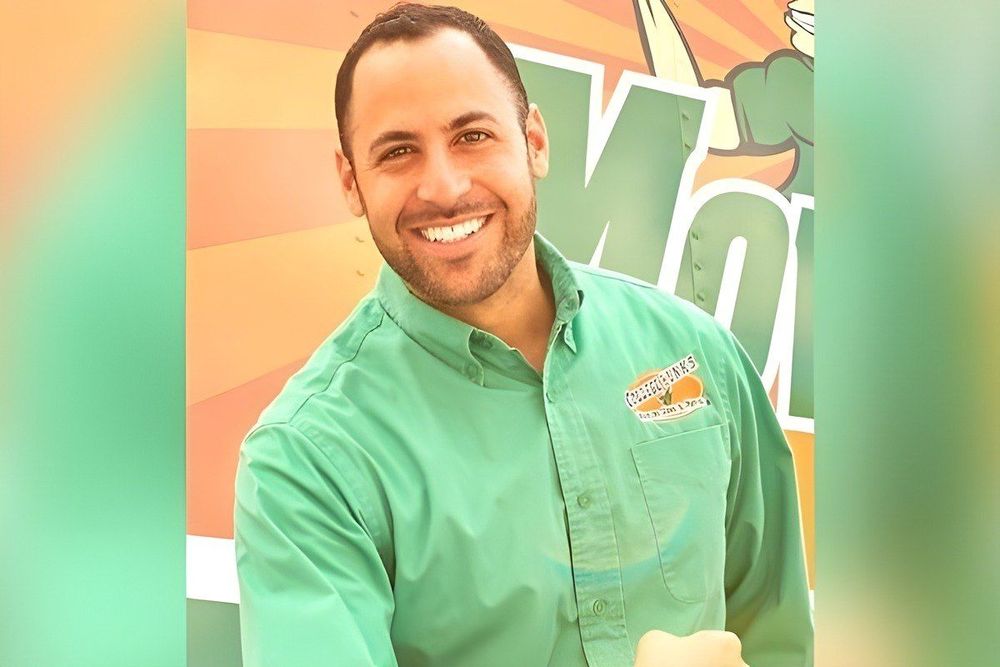
Image: Leading Authorities
Why We're Inspired
Omar Soliman started working at ten, helping in his mother's furniture shop in Washington, D.C. The summer before his senior year of college, his mother told him to find something to do — so he borrowed her beat-up cargo van, with no air-conditioning, and started hauling away the old furniture her customers no longer wanted.
His mother came up with the name: College HUNKS Hauling Junk. He put up flyers, and the phone started ringing the same evening. Back at the University of Miami, he turned the summer gig into a business plan and won $10,000 in the Leigh Rothschild business plan contest — the seed money for the company.
He and his best friend and co-founder, Nick Friedman, moved the headquarters to Tampa in 2007 and grew the business through franchising. On the very first episode of Shark Tank, they pitched a spin-off, were offered a deal that demanded too large a share of College HUNKS itself, and walked away.
The Sharks said the company would never be a $10 million business; the company itself reports the brand reached $250 million a year in revenue, with more than 200 franchises.
"I didn’t even know what the word entrepreneur was growing up."
The Story
Soliman has turned the trucks into a platform for good. College HUNKS has offered free moves for domestic-violence victims, partnering with shelters and police — more than 200 such moves — and donates two meals for every job completed.
He co-authored the book Effortless Entrepreneur with Friedman, and he has carried the founder story to the screen as executive producer of the feature film Bezos: The Beginning. The kid who hauled junk in his mother's van now teaches other founders how the game is played.
Sources
College HUNKS Hauling Junk & Moving — “15 Years After Shark Tank: The Inspiring Journey of College HUNKS Hauling Junk and Moving”
GrowFL — “An Emphasis on Customer Service and Adapting to Challenges propels College HUNKS Hauling Junk & Moving forward”
Wikipedia — “Omar Soliman”
More from The Bourgeois Society: The full list · Neil Patel · Onyi Odunukwe
Founder & CEO, Glo Tanning — Dallas, TX
Official links: Website · LinkedIn · Facebook · Instagram · X
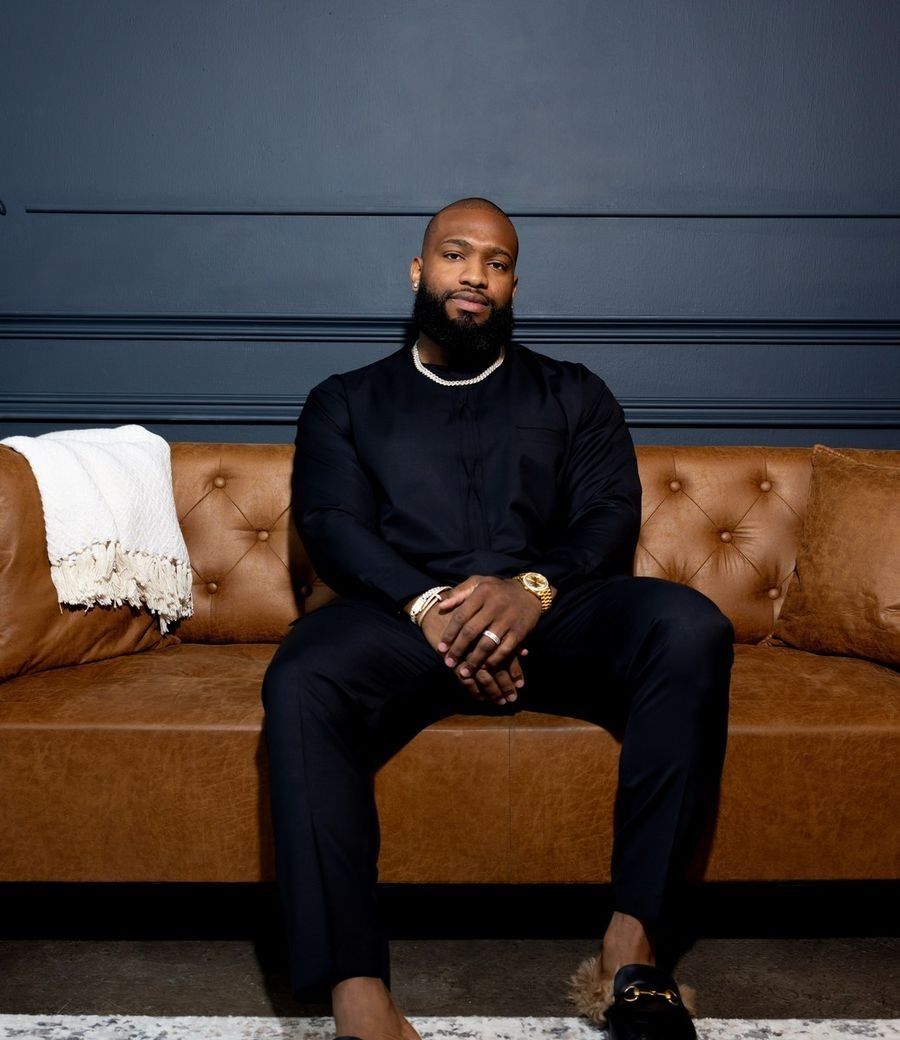
Image: IFA World Franchise Show
Why We're Inspired
Onyi Odunukwe was born in Boston to Nigerian parents, and he built his business in a place nobody expected him: a tanning salon in Fayetteville, Arkansas. While attending the University of Arkansas, he noticed how normal tanning was on campus — and how inconsistent the experience was.
He was already running a supplement store in a space too big for it, and he made a decision most young founders never make: one business, total focus.
COSIGN Magazine reports he signed his first lease at 21, put roughly a quarter of a million dollars into making his first salon the most premium in the market, and went all in. As a Black entrepreneur in an industry with almost no representation, he knew how unlikely the path looked. The salon grew to seven locations by 2018.
He exited most of them, kept two and the rights to the name, then rebuilt Glo as a franchise system designed to be the easiest in the industry to run. The Internicola Law Firm reports Glo Tanning has passed 100 locations across 15 states, and COSIGN has described the portfolio he built from that single salon as a $100M+ empire.
"Money not being the motivation is number one."
The Story
Odunukwe built Glo without outside investors, and he is opening the same door for his own people: through the company's Own Your Future program, an employee who works for Glo for three years can be linked with an investor and get a store of their own.
His own focus has widened to ownership itself — COSIGN reports he moved into commercial real estate, building a portfolio of nearly 30 properties across several states, and prefers owning the spaces his businesses operate in. Focus first, systems second, ownership always: that is the playbook he now teaches younger entrepreneurs.
Sources
COSIGN Magazine — “He Onyi Odunukwe Built a $100M+ Empire Starting With a Tanning Salon (26 Businesses Later)”
The Internicola Law Firm — “The Franchise Journey from Zero to 100 Units”
Glo Tanning — “Franchise”
More from The Bourgeois Society: The full list · Omar Soliman · Patrick Terry
Co-founder & CEO, P. Terry's Burger Stand — Austin, TX
Official links: Website
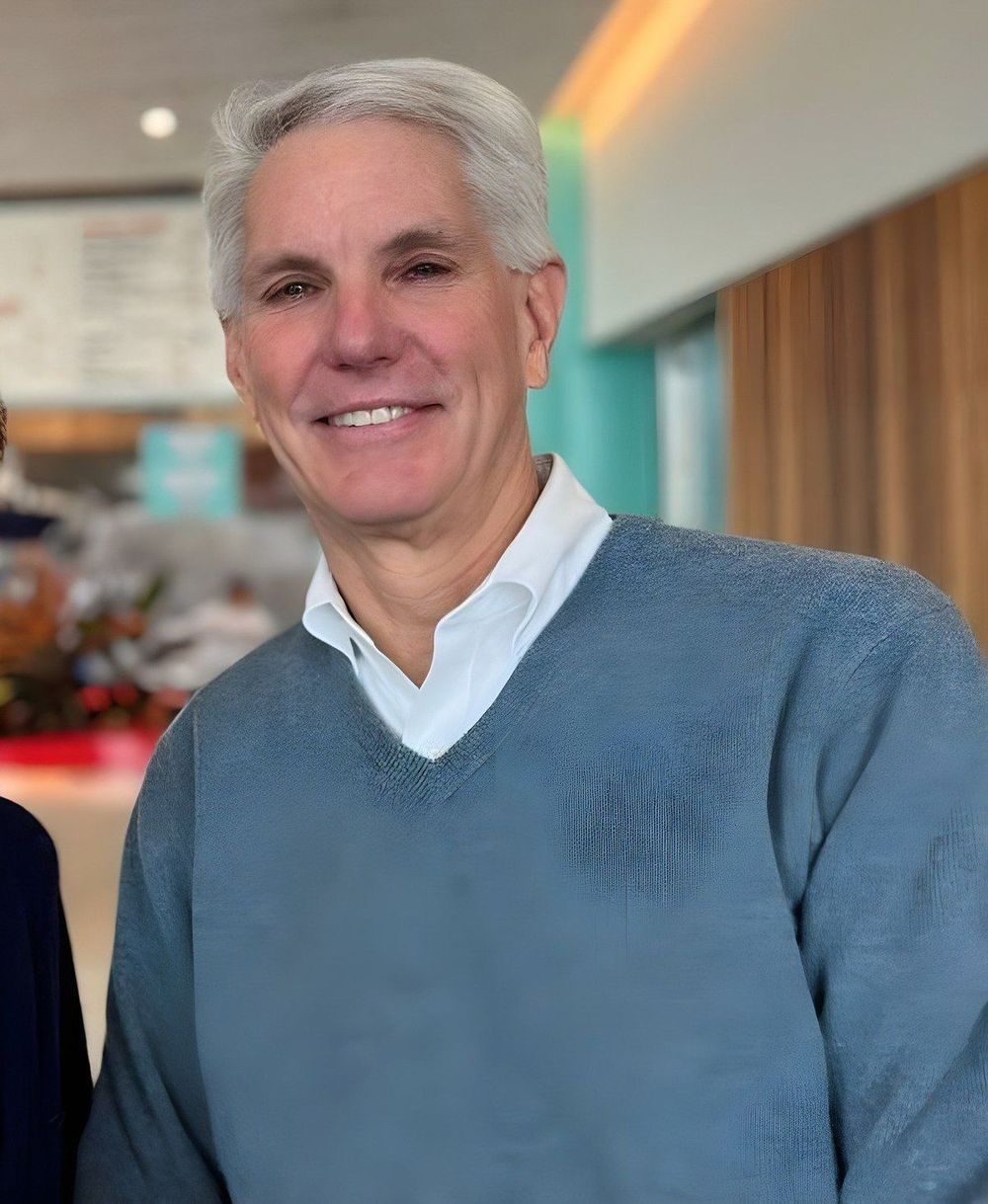
Image: Texas State University
Why We're Inspired
Patrick Terry dreamed about a burger stand for years — the kind he grew up loving in Abilene, Texas, modelled on Mack Eplen's Drivateria. Raised in Abilene and educated at the University of Texas at Austin, he had an advertising career behind him, but the burger stand was the idea that never left. He finally opened one in his forties.
On July 5, 2005, three months after marrying Kathy, the couple opened the first P. Terry's in a 500-square-foot stand at South Lamar and Barton Springs in Austin, selling $1.60 hamburgers within sight of the fast-food giants.
The first year brought about $600,000 in sales and still finished in the red after depreciation; Kathy took almost no salary for more than a decade. The rule from the start was quality food at a low price — meat raised without antibiotics, hand-cut Idaho potatoes, fresh-squeezed lemonade.
They refused to franchise, kept every store company-owned, and grew slowly, about two stores a year. By 2016, with ten locations, a private-equity buyer offered between $70 and $100 million for the company. They said no. The chain they kept has grown to 38 locations and 1,800 employees across Texas, doing a reported $150 to $200 million a year.
"We took a little less than 10 million out. That's the only money we've ever taken out in all these years at P. Terry's, in 21 years."
The Story
The Terrys' answer to the buyout question is the most generous exit in fast food.
Instead of selling, they have begun transferring P. Terry's to its employees through an Employee Ownership Trust, with guardrails written in to protect the culture and the food — and a profit-sharing plan for workers with at least two years' service, starting at 5 percent of operating income and built to rise toward 20 percent.
It fits a pattern: the company has lent hourly employees more than $900,000 interest-free over the years, with only about $5,000 never repaid. Patrick remains CEO — the stand now belongs, increasingly, to the people who run it.
Sources
Restaurant Business — “How P. Terry's Burger Stand is protecting its legacy, and preventing a private-equity buyout”
Moneywise via Hampton — “P. Terry’s Owners On Turning Down $100M and Giving The Company To 1,800 Employees” (video)
Wikipedia — “P. Terry's”
More from The Bourgeois Society: The full list · Onyi Odunukwe · Richard Harpin
Founder, HomeServe; Founder, Growth Partner — Walsall, UK
Official links: Website · LinkedIn · Facebook · Instagram · X
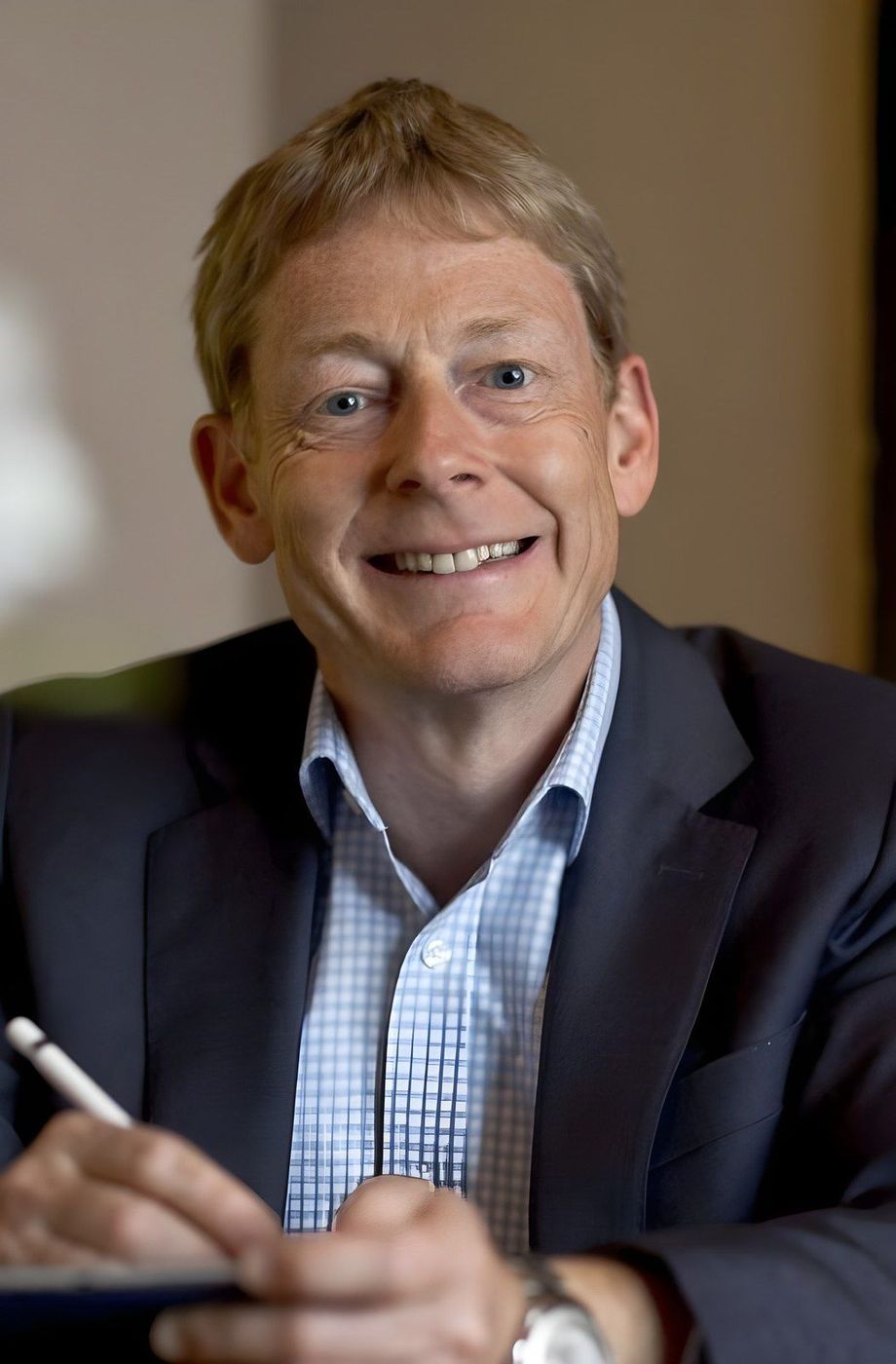
Image: Wikimedia Commons
Why We're Inspired
Richard Harpin was born in Huddersfield and raised in Northumberland, selling conkers to classmates and running a mail-order business in fishing tackle and earrings as a student at the University of York, where he read economics.
He learned brand management at Procter & Gamble and consulting at Deloitte, and a side business managing rental properties showed him the problem that would make his fortune: when a pipe bursts on a Friday night, nobody can find a plumber.
In 1993 he co-founded HomeServe in Walsall as a joint venture with South Staffordshire Water, which put in £500,000 for a majority stake. The first model was wrong, and the growing business lost money faster the bigger it got — down, by his own account, to the last £10,000 before the business was due to go bust.
He drove to Surrey, studied a small water company's plumbing-insurance scheme, copied it and improved it.
That pivot built a subscription home-repairs business that listed in London, joined the FTSE 100, expanded across the UK, the US, France, Spain and Japan, and was sold to Brookfield in a £4.1 billion deal completed in 2023 — valuing the stakes held by Harpin and his wife Kate at about £490 million.
"And literally with the last 10,000 pounds before the business was due to go bust, we sent out a thousand mail shots branded as South Staff's Water."
The Story
Harpin now spends his time — and his own money — backing the next builders. Through Growth Partner, the investment firm he launched in 2015 and funded with more than £150 million of his own capital, he takes minority stakes in founder-led consumer brands and coaches them to scale.
He acquired Business Leader, the magazine and events platform for mid-sized firms, hosts weekly growth workshops for entrepreneurs, and founded The Enterprise Trust to promote youth entrepreneurship and apprenticeships. His book, How to Make a Billion in 9 Steps, became a Sunday Times bestseller — the near-bankrupt founder, teaching the route out.
Sources
Wikipedia — “Richard Harpin”
Reed / All About Business — “How I built & sold a £4.1B business: HomeServe founder’s secrets to scaling success”
Enterprise Nation — “The entrepreneur who sold his business for £4 billion”
More from The Bourgeois Society: The full list · Patrick Terry · RJ Jain
Founder & CEO, Price.com — San Francisco, CA
Official links: Website
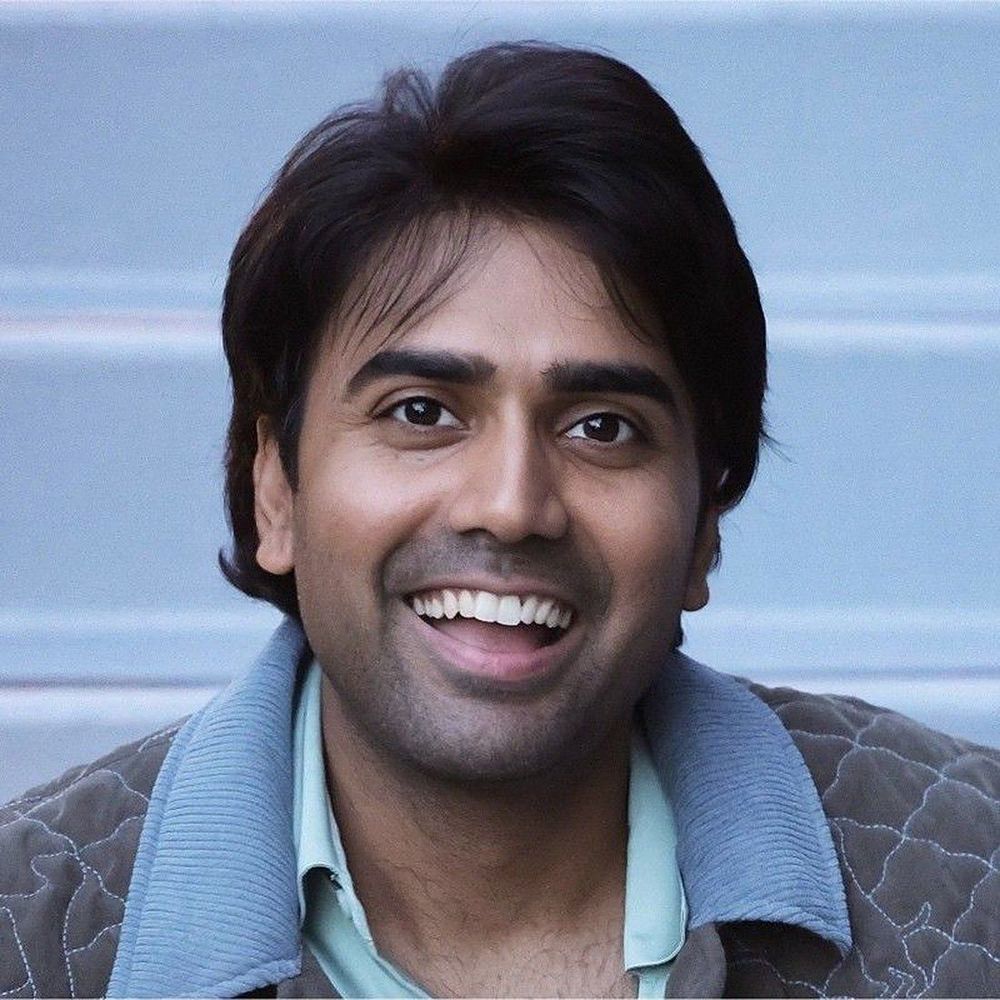
Image: University of Michigan School of Information
Why We're Inspired
RJ Jain was raised in Kanpur, India, in a large family, and when he moved to the United States at eighteen to study computer science at the University of Michigan, it was his first time on a plane.
Michigan is where the teenager who had always had a knack for computers built Gobluelink, a search engine connecting students with university resources, and where he fell for FarmVille — and decided he wanted to work for the people who made it.
He graduated early, joined FarmVille's creator Zynga, held engineering leadership roles at ride-sharing startup Sidecar, and co-founded Appurify, the mobile testing company Google acquired in 2014; its technology went on to power Google Test Labs. Most founders would have coasted on an exit like that. Jain started over.
The idea for Price.com came when he bought a couch online, then saw the same couch, used, for half the price — and realized saving money and helping the planet could be the same transaction.
Since 2016, Price.com has grown into an AI-powered savings and product discovery platform spanning categories from prescription medications to fashion, with shoppers able to donate their savings to a nonprofit instead of pocketing them.
"Follow your gut. Follow your heart. Go and execute."
The Story
Jain gives back to the place that launched him. He serves on the University of Michigan School of Information advisory board, mentors students, and established the RJ Jain UMSI Research Fund, which expands students' access to research opportunities through a program pairing them with experienced researchers.
He is also executive producer of the Netflix climate documentary Kiss the Ground, about how regenerating soil can fight climate change — a film the university reports has been watched by more than 100 million people.
Sources
University of Michigan School of Information — “Entrepreneur RJ Jain establishes research fund to nurture student innovators”
University of Michigan School of Information — “RJ Jain, founder and CEO of Price.com, joins UMSI Advisory Board”
Wellfound — “RJ JAIN”
More from The Bourgeois Society: The full list · Richard Harpin · Robert Croak
Founder, Sillybandz — Toledo, OH
Official links: Website · LinkedIn · Instagram · X
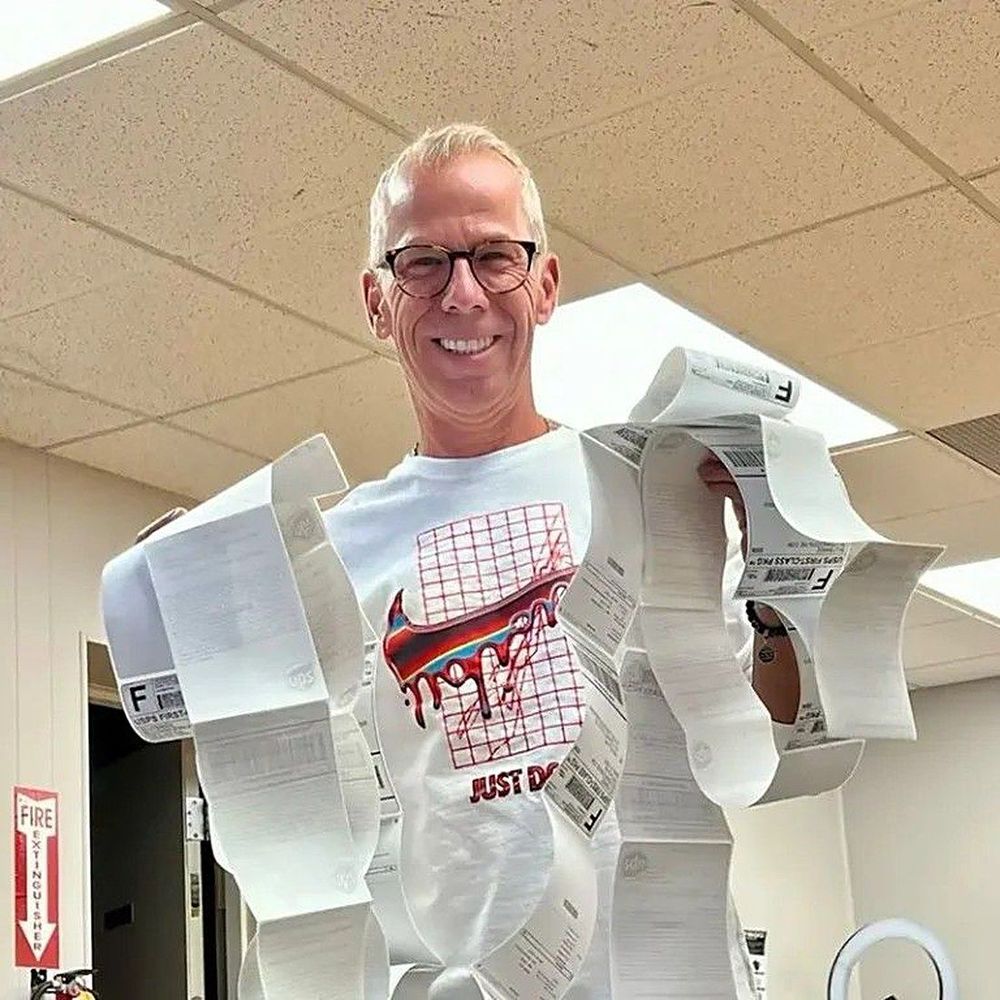
Image: RobertCroak.com
Why We're Inspired
Robert Croak grew up on the Eastside of Toledo, Ohio, in a broken home, his childhood made turbulent and unstable by his parents' divorce. He worked as a car salesman, rose to finance manager, and at twenty-two made his first full-time jump into business, buying the family bar and restaurant, Frankie's, and opening more bars and restaurants after it.
But inventing was the real pull. At a product show in China, a Japanese designer handed him a poorly shaped animal rubber band meant to be sold as an office supply. Croak saw something else: a children's bracelet.
Back in Toledo he pitched shaped, detailed silicone bracelets — Sillybandz — and his own staff didn't believe in it; they didn't think customers would pay for “silly silicone bracelets.”
He forged ahead anyway, and by his own account on a recent podcast, he sold his car to pay for the tooling Sillybandz needed — a bet that let him keep 100 percent of the company, which he says he still owns outright.
The build was slow at first, with stores like Learning Express coming onboard, then celebrity sightings — Sarah Jessica Parker and Shakira among them — lit the fuse.
"So I ended up selling my car to pay for all the tooling and everything that Silly Bands needed."
The Story
What followed was a phenomenon: his Toledo company grew from twelve employees to more than 300 in a matter of months, working eighteen-hour days to feed demand, and licensed packs with names from Hello Kitty and Barbie to SpongeBob SquarePants and Angry Birds carried the bands worldwide.
Croak has kept inventing ever since — new products and brands, real estate and other ventures — and shares what he learned as a consultant and co-host of the Rich Habits podcast.
Sources
RobertCroak.com — “Bio - Robert Croak • Serial Entrepreneur, Creator of Sillybandz + Sanitizer Bracelets”
Listen Notes / The 505 Podcast — “189. Meet the Marketing Genius Who Turned a $.10 Rubber Band into $200M”
More from The Bourgeois Society: The full list · RJ Jain · Ronnen Harary
Co-founder & Chair, Spin Master — Toronto, Canada
Official links: Website · LinkedIn
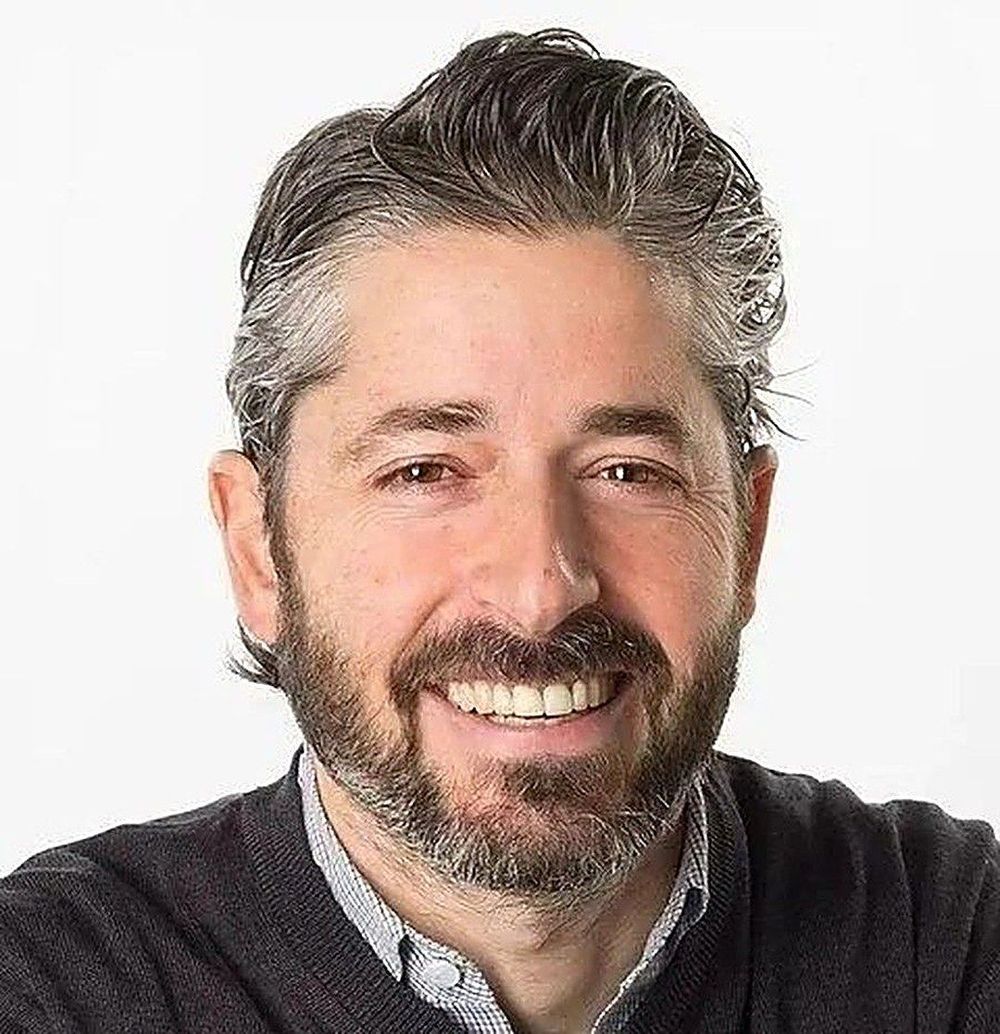
Image: Leadership Matters
Why We're Inspired
Ronnen Harary was born in South Africa and moved to Canada at five, growing up in Toronto. He has dysgraphia, a learning disability that makes converting the sounds of language into written form difficult — the kind of school struggle that tells a kid he is behind. Harary turned it into fuel.
At the University of Western Ontario, he and childhood friend Anton Rabie built Campus Faces, a poster business that grew to gross $100,000.
On graduating in 1994, the two, joined by classmate Ben Varadi, put the $10,000 they had left from Campus Faces into a strange little product: the Earth Buddy, a nylon-stocking head of sawdust topped with grass seed that grew to look like hair. It generated $1.5 million in sales in its first six months, and Spin Master was born.
Devil Sticks and Air Hogs followed, then Bakugan in 2007, and Harary co-created PAW Patrol, the preschool series that airs in 160 countries.
The company he co-founded became, as Leadership Matters puts it, the fourth-largest toy company in the world, with more than 2,500 employees across more than 20 countries — built by three friends who started with pantyhose, sawdust and ten thousand dollars.
"You don’t know your capability until you start doing, and when you start doing, it unlocks so many magical things."
The Story
Harary, who served as co-CEO until 2021 and is now Spin Master's chair, has made giving part of the company's DNA.
He founded the Toy Movement, a global initiative that has delivered hundreds of thousands of toys to children in underserved communities and crisis zones, and the Ronnen Harary Foundation, established in 2020, helps young people with learning disabilities reach their full potential, including through its Full Potential Scholarship.
His book, No Experience Necessary, argues that betting on yourself young beats waiting to feel ready.
Sources
Wikipedia — “Ronnen Harary”
Leadership Matters — “Ronnen Harary — Leadership Matters”
More from The Bourgeois Society: The full list · Robert Croak · Simon Squibb
Founder, HelpBnk — London, UK
Official links: Website · LinkedIn · Facebook · Instagram · X
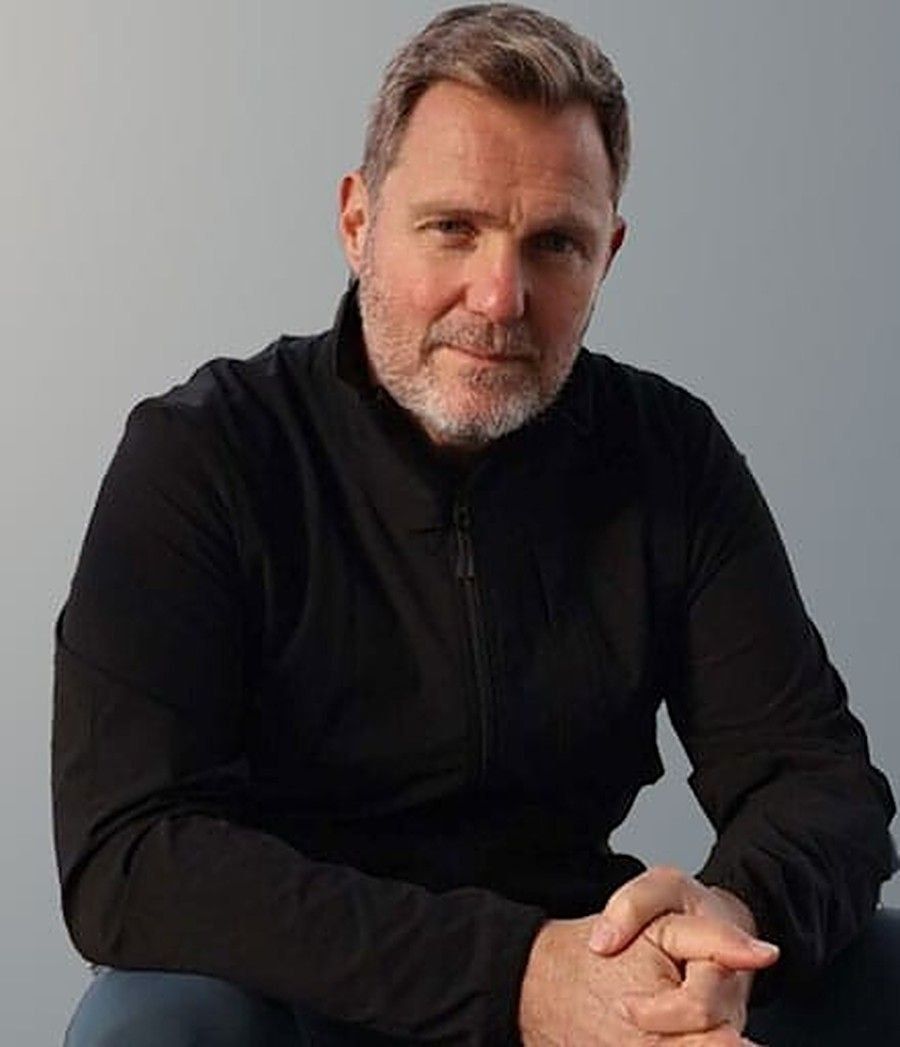
Image: Thought Economics
Why We're Inspired
At fifteen, Simon Squibb lost his father — and lost his home with him. Homeless in London, sleeping in a stairwell, too young to be hired for a job, he did the only thing left to him: he started a business, a gardening company, because survival required it.
That first venture lit what he calls his entrepreneurial muscle, and he never stopped exercising it. Over three decades he launched more than 19 companies, spent twenty years building businesses in Hong Kong, and founded Fluid, a creative agency he sold to PwC in a life-changing exit — the homeless teenager turned self-made multimillionaire.
He also became an angel investor in more than 70 startups. The pattern is worth noticing: every stage of Squibb's rise came from starting before he felt ready, with whatever was in his hands — a lawn that needed cutting, an idea nobody had funded yet.
His story is proof that a stairwell can be a starting line, and that the boy the system had no room for can end up building rooms for other people's dreams.
"For me, success is helping 10 million people start their own businesses."
The Story
Squibb has turned his second act into a mission: through HelpBnk, his platform offering free, community-sourced help and rewards to entrepreneurs, and his #GiveWithoutTake movement, he aims to help 10 million people start businesses of their own.
He bought a disused London staircase — like the one he once slept in — and fitted it with a doorbell so strangers can pitch him their dreams, and his book What's Your Dream? became a number-one Sunday Times bestseller.
Sources
Thought Economics — “Simon Squibb: From Homeless at 15 to Entrepreneur & Investor”
MN2S — “Simon Squibb”
More from The Bourgeois Society: The full list · Ronnen Harary · Todd Johnson
Serial Entrepreneur & Mentor, TJ Millionaire Mentor — Beverly Hills, CA
Official links: Website · LinkedIn · Instagram
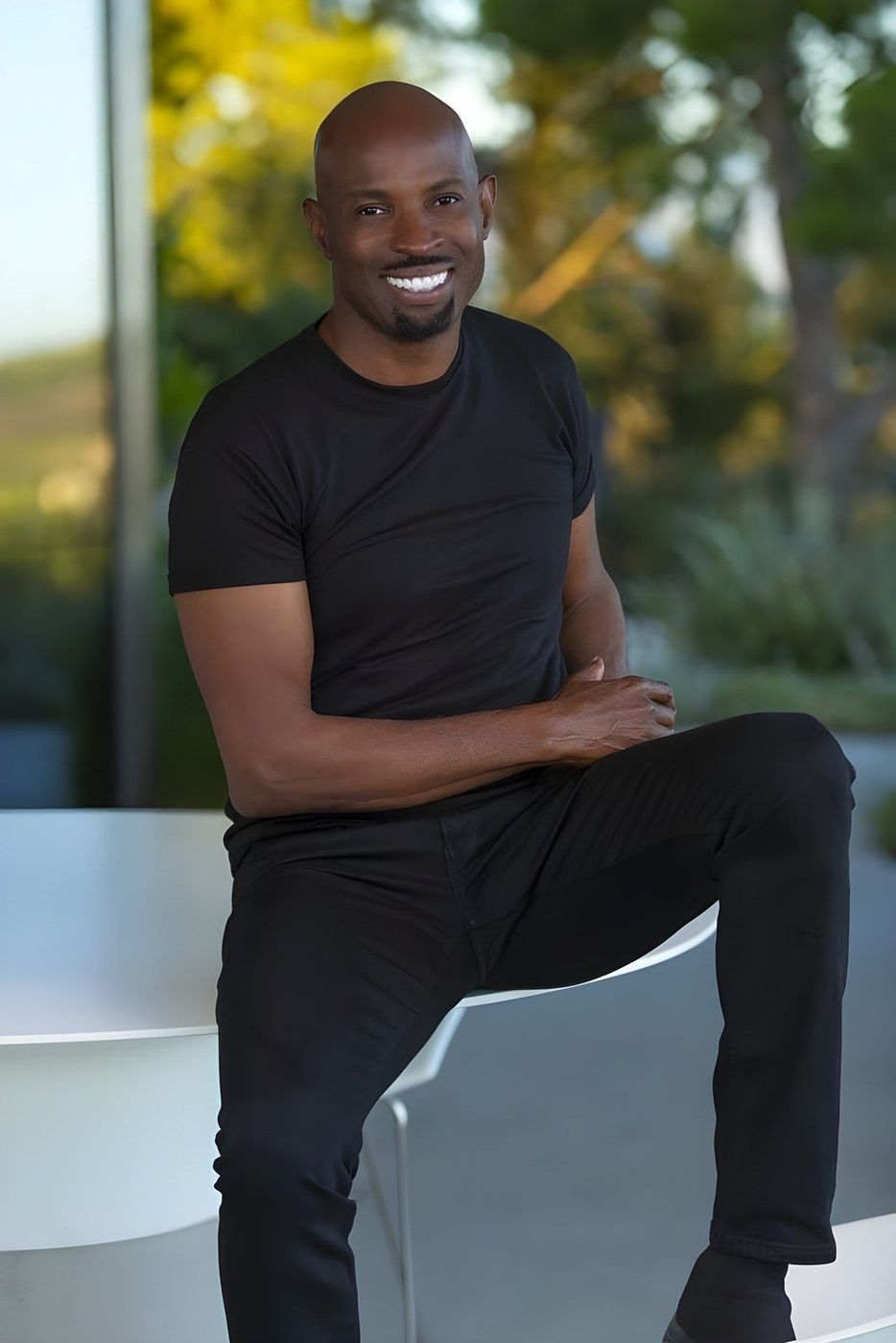
Image: School of Hard Knocks
Why We're Inspired
Todd “TJ” Johnson was born in South Carolina to a fourteen-year-old mother and raised in deep poverty, growing up on government assistance and food stamps.
The School of Hard Knocks Podcast describes a childhood spent feeling hopeless — until a divine encounter at a pizza shop changed his life, sparking an unbreakable faith and a mission never to be broke again. At seventeen he joined the military, then worked for Prudential Home Mortgage before catching the entrepreneurial bug.
He started a travel business and an IT venture — a service-based tech business focused on software integration — and kept building: a construction business serving the medical industry, a car wash, a wig business, real estate flips and a supplement company.
SelfEmployed.com reports that one of his tech companies generated $90 million in annual revenue, that in his most successful year his companies generated approximately $100 million with personal earnings reaching $25 million, and that he has been through bankruptcy and bounced back. The boy on food stamps ended up based in Beverly Hills, still owning nearly ten businesses.
"I never had a broke mindset even when I was on government cheese, even when we had food stamps. We had no money, but I personally was never broke because I was always thinking way beyond where I was."
The Story
Johnson's philosophy is simple: have a vision, blow life into a business, then build the systems that let it run on its own — one business at a time, scaled properly before starting the next.
As TJ Millionaire Mentor, he now teaches exactly that, helping other entrepreneurs find the clarity, plan and guidance he says most of them lack, with faith at the center of the message.
Sources
SelfEmployed.com — “Tech Entrepreneur's Path From Food Stamps to an Empire”
School of Hard Knocks / Beehiiv — “From Food Stamps to $100M a Year”
School of Hard Knocks Podcast (Ausha) — “Todd Johnson | He Lived on Food Stamps… Now He’s Worth $100M”
More from The Bourgeois Society: The full list · Simon Squibb · Tommy Mello
Founder & CEO, A1 Garage Door Service — Phoenix, AZ
Official links: Website · LinkedIn · Facebook · Instagram · X
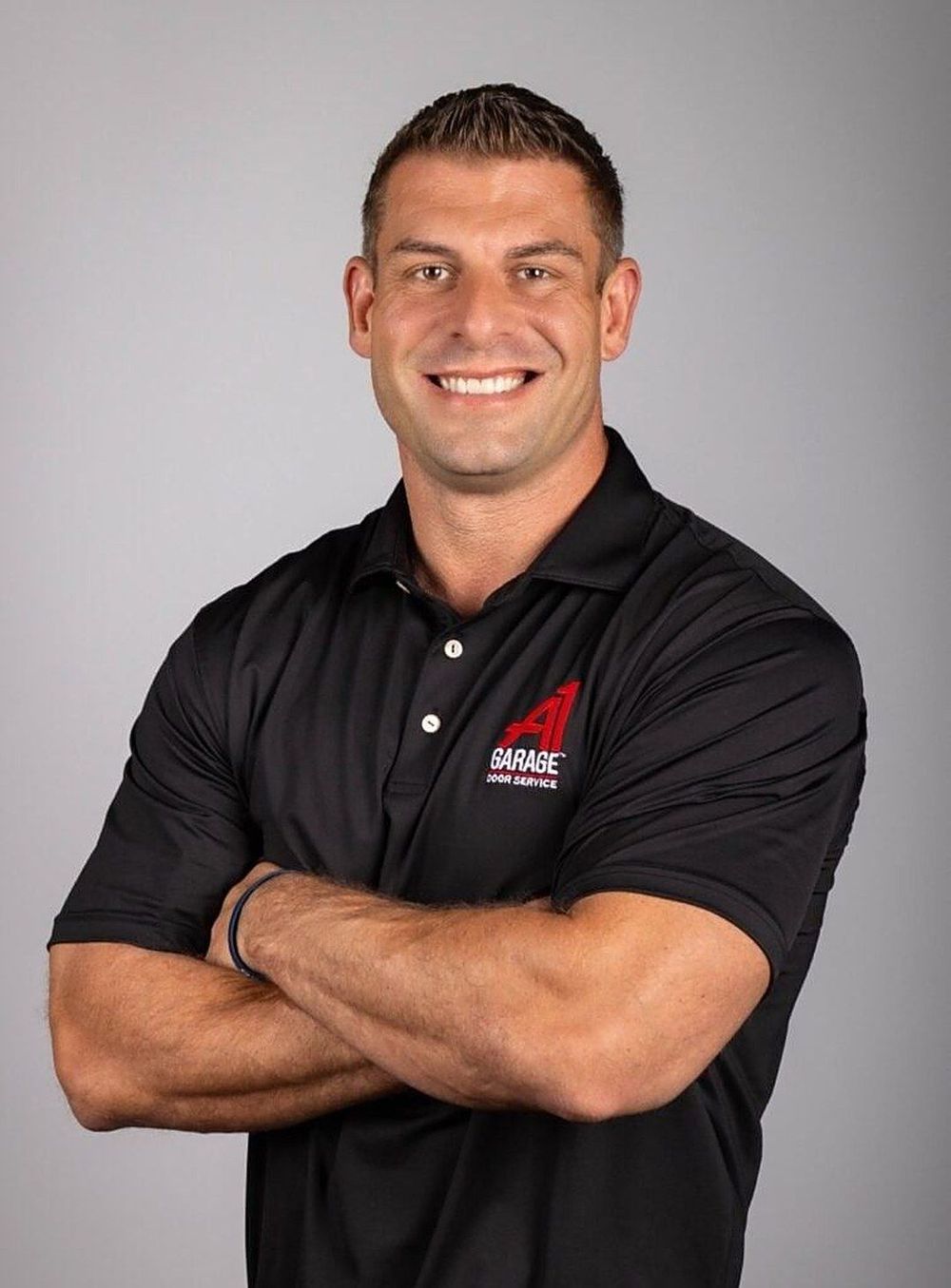
Image: A1 Garage Door Service
Why We're Inspired
Tommy Mello moved from Detroit to Phoenix in 1999 to paint garage doors.
In 2007, while earning a master's degree in business from the University of Arizona, he launched his own company, then called A1 Garage Door Specialists — carrying $50,000 in debt and working more than eighty hours a week, with no mentors in the industry to show him the way.
His company's own biography is blunt about those years: he built through persistence, continuous learning and trial and error, lesson by hard lesson. It worked. By 2017, A1 Garage Door Service had reached $25 million in annual revenue, and the Titan 100 profile of Mello describes A1 as the largest independently owned garage door company in North America.
The company's biography puts it at more than $200 million in revenue, over 700 team members and operations across 19 states, while GlobeNewswire counts more than 70 markets served. The painter who started in debt built one of the biggest names in home services — and still calls Phoenix home.
"Take care of your people, and everything else follows."
The Story
Mello's leadership philosophy, which he calls “Elevate,” is that businesses perform best when everyone wins. Through A1 Cares, the company has put more than $1 million into the communities it serves, pairing donations with employee volunteer hours, and its Dream Manager program has helped more than 200 employees reach personal goals.
He shares the playbook widely, too — as a best-selling author, keynote speaker and host of a business podcast with more than 300 episodes.
Sources
A1 Garage Door Service — “Meet Tommy Mello”
GlobeNewswire — “A1 Garage Door Service named one of Arizona's Most Admired Companies of 2026”
Titan 100 — “Tommy Mello”
More from The Bourgeois Society: The full list · Todd Johnson · Tony Cuccio
Founder & CEO, Star Nail International / Cuccio Brands — Valencia, CA
Official links: Website · LinkedIn · Instagram · Facebook
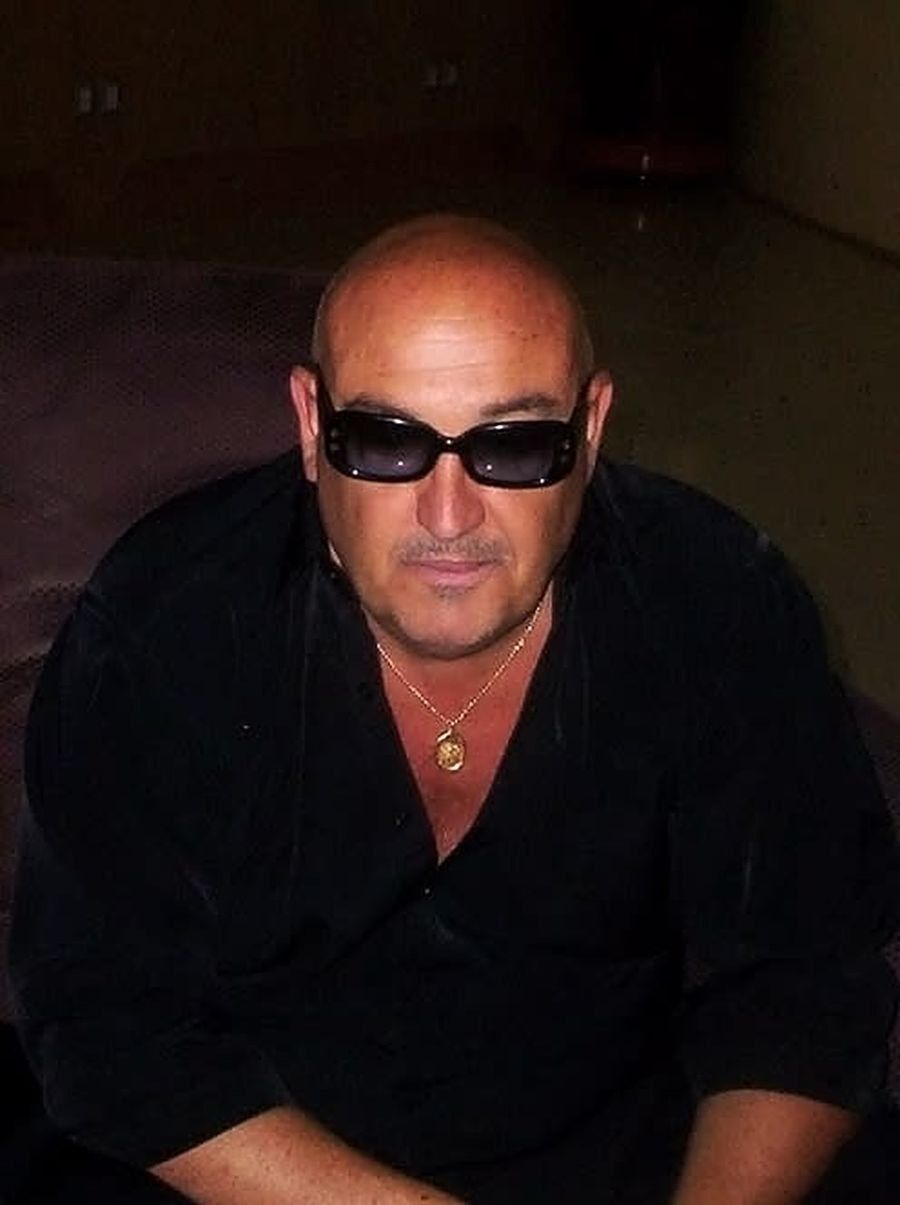
Image: Modern Salon
Why We're Inspired
Born in Brooklyn and raised on Long Island, Tony Cuccio lost his father to a heart attack when he was sixteen — an early lesson, Skin Inc. says, in how fast life can turn. He trained in neonatal respiratory therapy, married at twenty-five and sold infant safety monitors, but beauty was not the plan. The plan was California.
With his younger brother Steven and his wife Roberta, he launched Star Nail in 1981 — the name built from their initials — selling nail polish and cosmetics out of a suitcase on Venice Beach, starting, by the School of Hard Knocks account, with just $200. The podcast says he failed twice before he broke through.
Wholesale followed, then artificial nails, and then the gel nails he helped turn into an industry staple. He never took investor money, and the company stayed family-owned and privately held. In 1999 he launched Cuccio Naturale, a luxury hand, foot and body line built for the spa era he saw coming.
Beauty Independent reports the enterprise now spans 90 countries and has generated $2 billion in sales — a suitcase, scaled to the world.
"I knew that ‘spa’ would be next step in the beauty business,"
The Story
Cuccio still travels the world training spa and salon owners, and the family business is still pushing into new aisles. Beauty Independent reports that Cuccio Naturale's Revitalizing Cuticle Oil, after selling one million units and earning more than 130,000 five-star reviews on Amazon, has landed in 1,900 Target stores — the first Target entry for Star Nail International.
His daughter Danielle Cuccio now serves as president of Cuccio Beauty Brands. The pitch has not changed since Venice Beach: luxurious products that stay affordable, made by a family that still owns the company.
Sources
School of Hard Knocks Podcast via Ausha — “Tony Cuccio | From $200 on Venice Beach to a $2 Billion Global Empire, Reinventing Beauty, Real Estate, and the Meaning of Success”
Skin Inc. — “One on One With Tony Cuccio of Cuccio International”
Beauty Independent — “After 45 Years And $2B In Sales, Star Nail Brings Cuccio Naturale To Target”
More from The Bourgeois Society: The full list · Tommy Mello · Vic Keller
Founder & CEO, KLV Capital and Experience Ventures — Dallas, TX
Official links: Website · LinkedIn · Facebook · Instagram · X
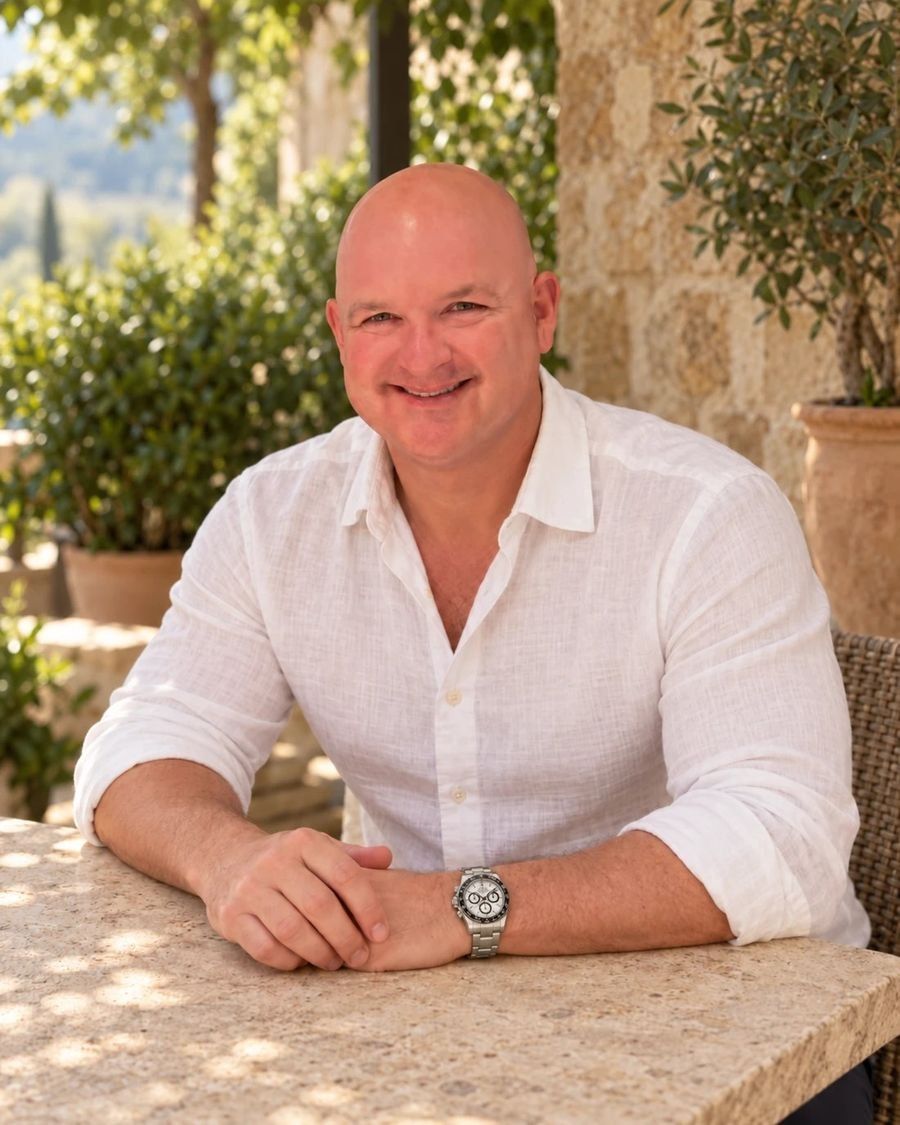
Image: KLV Capital
Why We're Inspired
Vic Keller came from blue-collar parents who, in his words on the School of Hard Knocks podcast, are still working every single day. At fourteen he rode his bike to McDonald's and talked his way into a job — he had to be fifteen — flipping burgers and studying the systems that kept the line moving.
Summers went to HVAC work with his father, hanging air handlers and answering middle-of-the-night refrigerator calls. He started in commercial banking at JP Morgan Chase, became a vice president at Wynn's Automotive, and founded ZAK Automotive. Then he kept building.
KLV Capital says Keller has founded 17 companies. On the podcast he puts it plainly: seventeen founded, nine sold — and three of those sales were to Warren Buffett's Berkshire Hathaway, which later brought him inside as an executive after buying his automotive portfolio.
He says he never set out to sell anything at all — he set out to build businesses that gave customers amazing value and gave his young family a better life. Faith runs through the story he tells: Jesus Christ, he says, kept his marriage and family together, and God is the foundation he builds on.
"I never built any of my early companies with the mindset of selling them."
The Story
Today Keller leads KLV Capital in Dallas, partnering with established owners to buy, build and sell businesses, and he also founded Experience Ventures. The Rollercoaster Podcast describes him as an investor, mentor and speaker, and KLV says his experience as a founder and operating executive shapes how the firm works with owners facing big decisions.
The boy who wanted to know who owned the McDonald's now spends his time raising up other owners — and teaching them how to build companies durable enough to last, with or without an exit.
Sources
School of Hard Knocks Podcast via Podscan — “Vic Keller | Sold 9 Companies Including 3 to Berkshire Hathaway on Building Durable Businesses, Partnerships, and Wealth”
KLV Capital — “KLV Capital | Buy, Build & Sell Businesses”
The Rollercoaster Podcast via iHeart — “From Working At McDonald's To Building a $10 Billion Business Empire | Vic Keller”
More from The Bourgeois Society: The full list · Tony Cuccio · Vick Tipnes
Founder & CEO, Blackstone Medical Services — Tampa, FL
Official links: Website · LinkedIn · Instagram · Facebook
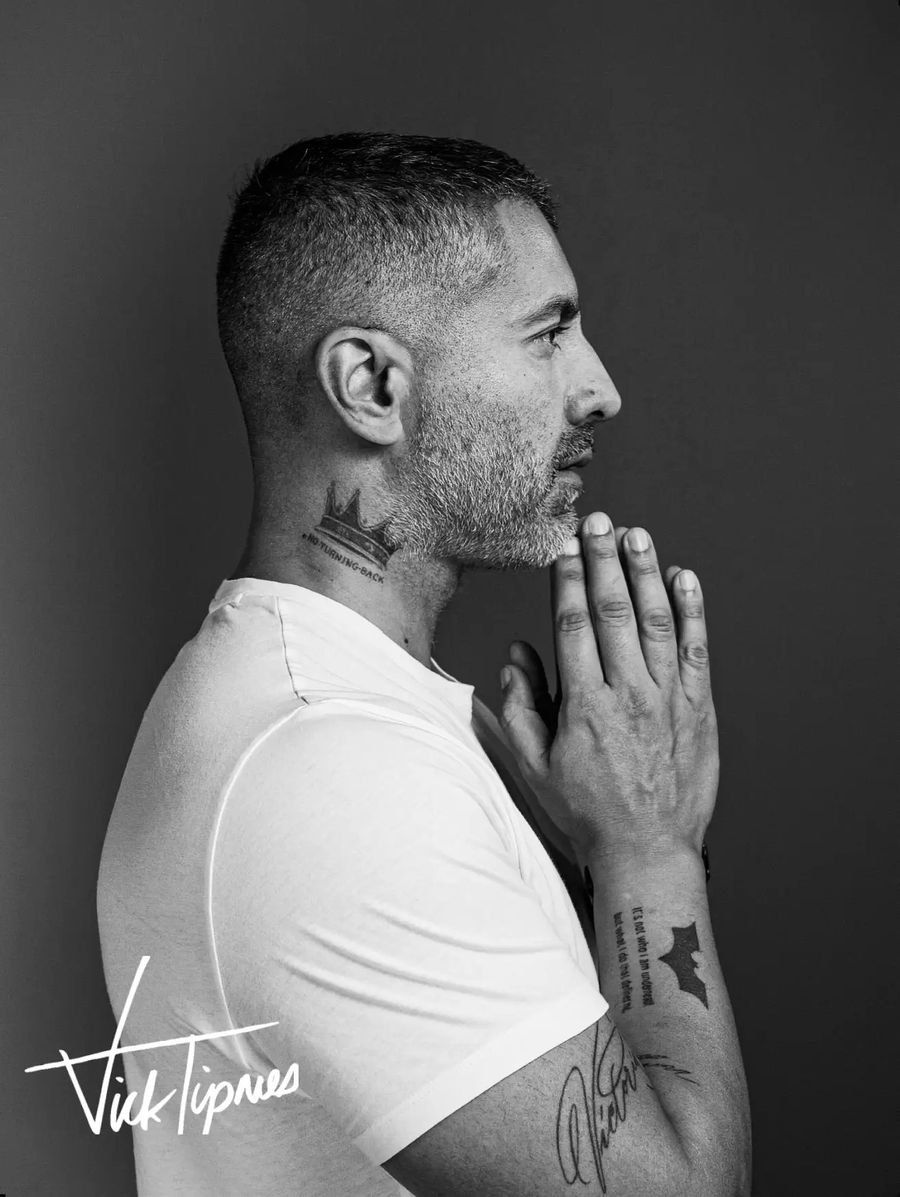
Image: VickTipnes.com
Why We're Inspired
Vick Tipnes was born in England to entrepreneur parents — his father was in textiles, and the family later ran a motel in Tallahassee, living in the on-site apartment.
He dropped out of college, learned to sell cars, and built a radiology practice he sold for $9 million, walking away, Tampa Bay Business & Wealth reports, with only about $250,000 after taking on too much debt and giving up too much equity. He lost both parents along the way.
At thirty-five, he writes, he woke up and started investing in himself. In 2012 he founded Blackstone Medical Services in Tampa to improve the cost, access and quality of home sleep testing — starting in a 400-square-foot office with one employee and an investor loan. Then the investor pulled out.
Going through a divorce, sleeping on a mattress on the floor, he had $78 in his bank account, and he kept a screenshot of that balance on his phone. He borrowed money to make payroll rather than quit. The contract that began with three Florida counties grew to fifteen, then fifty, then nationwide.
"It was a pivotal moment in my life because it was at that moment that I decided I was going to make this right,"
The Story
Blackstone grew into what Tipnes describes as the nation's largest provider of home sleep testing services, with more than 200 employees and recognition five times on the Inc. 5000 list. He has since launched Tipnes Capital and Tipnes Health, founded the Rise Conference in Tampa for business owners, and written Did You Sell Your Soul?
It's Never Too Late to Change Your Story. His message to other founders is the one he lived: he puts out content, he told Tampa Bay Business & Wealth, so people trying to change their condition know it can be done.
Sources
Tampa Bay Business & Wealth — “Vick Tipnes is Driven By Success and Freedom”
VickTipnes.com — “About”
More from The Bourgeois Society: The full list · Vic Keller · Anne Mahlum