
Photograph: Splitshire
Trucking & Logistics Owners: The Builders Behind Nick Friedman, Melanie Bergeron, Robert Low and Rashpal Dhindsa
Part 2 of the Trucking & Logistics Owners list: two college kids with a borrowed van, the mover who built the industry’s load board, the driver who carried his community to the White House, and the refugee who planned to be a dentist and built a 200-truck fleet instead.
Produced and Edited by The Bourgeois Society Staff
Part 2 is the builders’ chapter: the best friends who turned a summer gig in a borrowed cargo van into a 200-location franchise, a Dallas mover who spent twenty years out-working stereotypes and then bootstrapped the software her industry was missing, a Punjabi driver who built a 100-truck fleet and then gave up the operator’s chair to advocate for every newcomer behind him, and an owner who arrived with hardly anything and started lending new arrivals their training money.
Then the long hauls — a repeat franchise builder who sold one system and started a moving company to make moving day fun, a Bosnian refugee whose fleet gives forty percent of its jobs to other refugees, a nineteen-year-old arrival from Kazakhstan who bet $8,000 on a truck, a Moldovan exchange student who earned his CDL and built a near-100-truck car-haul fleet, a 22-year-old driver who grew one of the West’s biggest fleets, a part-time mover who franchised to 85 locations in nine months, and a single tow truck from 1988 that has now shipped half a million vehicles.
Selected on the obstacle climbed, the thing built, and the good given back — and fact-checked line by line, with sources linked under every profile.
The full list: Part 1 · Part 2
Co-founder, College HUNKS Hauling Junk & Moving — Tampa, FL
Official links: Website · Facebook · Instagram · X
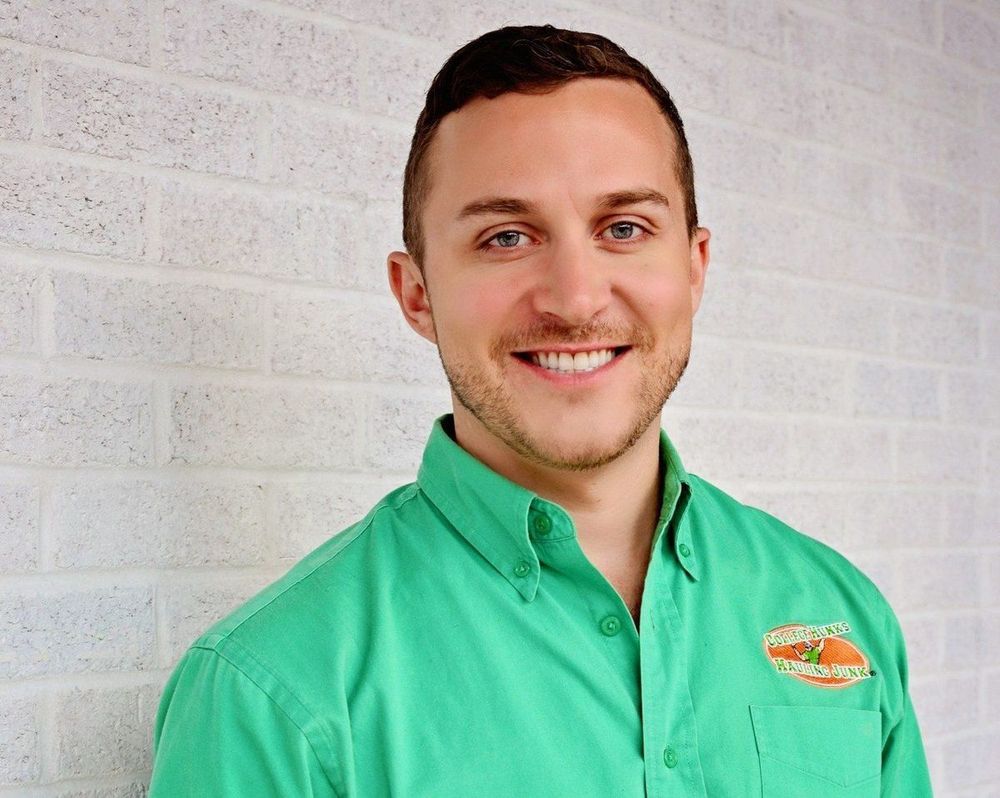
Image: Chief Executive
Why We're Inspired
Nick Friedman and his high-school best friend Omar Soliman were not trying to build an empire. They were college kids home for the summer, looking for a way to make money, when Soliman’s mother offered them her beat-up cargo van — the one she used for deliveries at her furniture store — and joked up the name College HUNKS Hauling Junk.
They put up flyers, and the phone started ringing. Friedman is honest about how modest the ambition was at first.
“We decided hauling junk would be our summer gig,”
The Story
Back at school, Soliman turned the summer gig into a business plan and won $10,000 in the University of Miami’s Leigh Rothschild business plan contest — the seed money for the company. The partners’ parents co-signed the first truck loan.
Friedman and Soliman took regular jobs after college, quit them, moved the headquarters to Tampa in 2007, and chose franchising as the way to become a national brand.
They survived the 2008 crash, walked away from a Shark Tank deal on the show’s very first episode when it demanded too much of the company, and built College HUNKS to more than 200 locations, roughly 3,000 employees and over $300 million in annual sales.
The brand was built on mentoring young workers and first-time franchise owners — two kids with a borrowed van, hiring the next kids with borrowed vans.
Sources
VoyageTampa — “Community Highlights: Meet Nick Friedman of College HUNKS Hauling Junk & Moving”
College HUNKS Hauling Junk & Moving — “15 Years After Shark Tank: The Inspiring Journey of College HUNKS”
Hilltop Views — “Duo Turns Summer Job Into Booming Business” (Friedman & Soliman)
More from The Bourgeois Society: The full list · Mitchell Ward · Melanie Bergeron
First Franchisee & Former Chair, Two Men and a Truck — Lansing, MI
Official links: Website
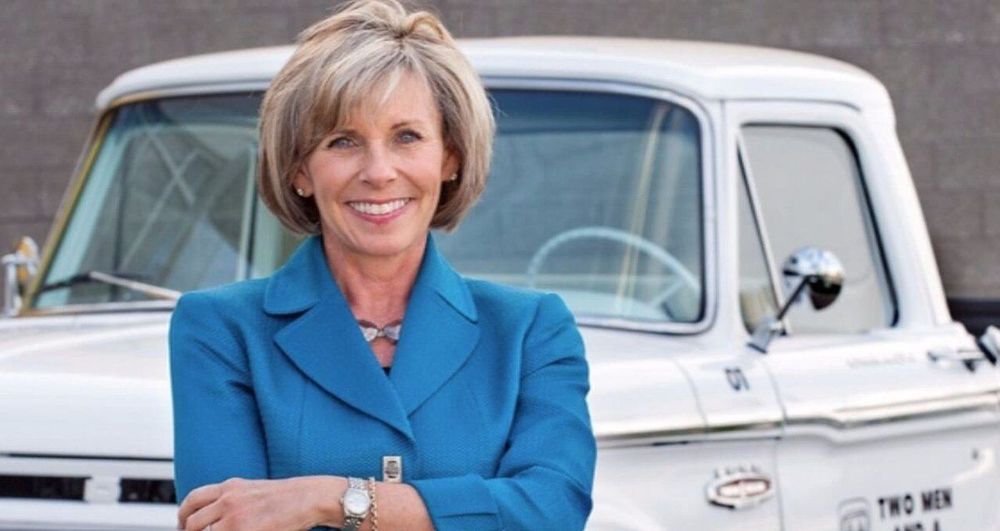
Image: ServiceMaster / Two Men and a Truck
Why We’re Inspired
We’re inspired because Melanie Bergeron is the rebuttal to every underestimated person in the business they help run. She answered the assumption that she must be the secretary by out-working it for three decades — and ended up in the chair at the head of the table, in her family’s company and in franchising nationally.
“When people come in the office still, they look at me and think I’m a secretary.”
The Story
Bergeron left a good pharmaceutical sales job to open the first franchise of Two Men and a Truck — the moving company her mother founded — in Atlanta.
She rose through the system her family built: president, chief operating officer, chief executive officer and chair of the board, growing it into the nation’s largest franchised local moving company with more than 330 locations, roughly 8,000 employees and a fleet of more than 3,000 trucks. She also chaired the International Franchise Association.
The company’s Movers for Moms program — collecting donated essentials for women’s shelters, 383,000 items delivered across 44 states in one year — began because her mother had been a single mom.
Sources
1851 Franchise — “Melanie Bergeron: From Two Men and a Truck Franchisee to Chairwoman of the IFA”
International Franchise Association — Two Men and a Truck chairwoman elected to leadership post
Family Business Magazine — “They Think I’m a Secretary”
More from The Bourgeois Society: The full list · Nick Friedman · Robert Low
Founder & President, Prime Inc. — Springfield, MO
Official links: Website
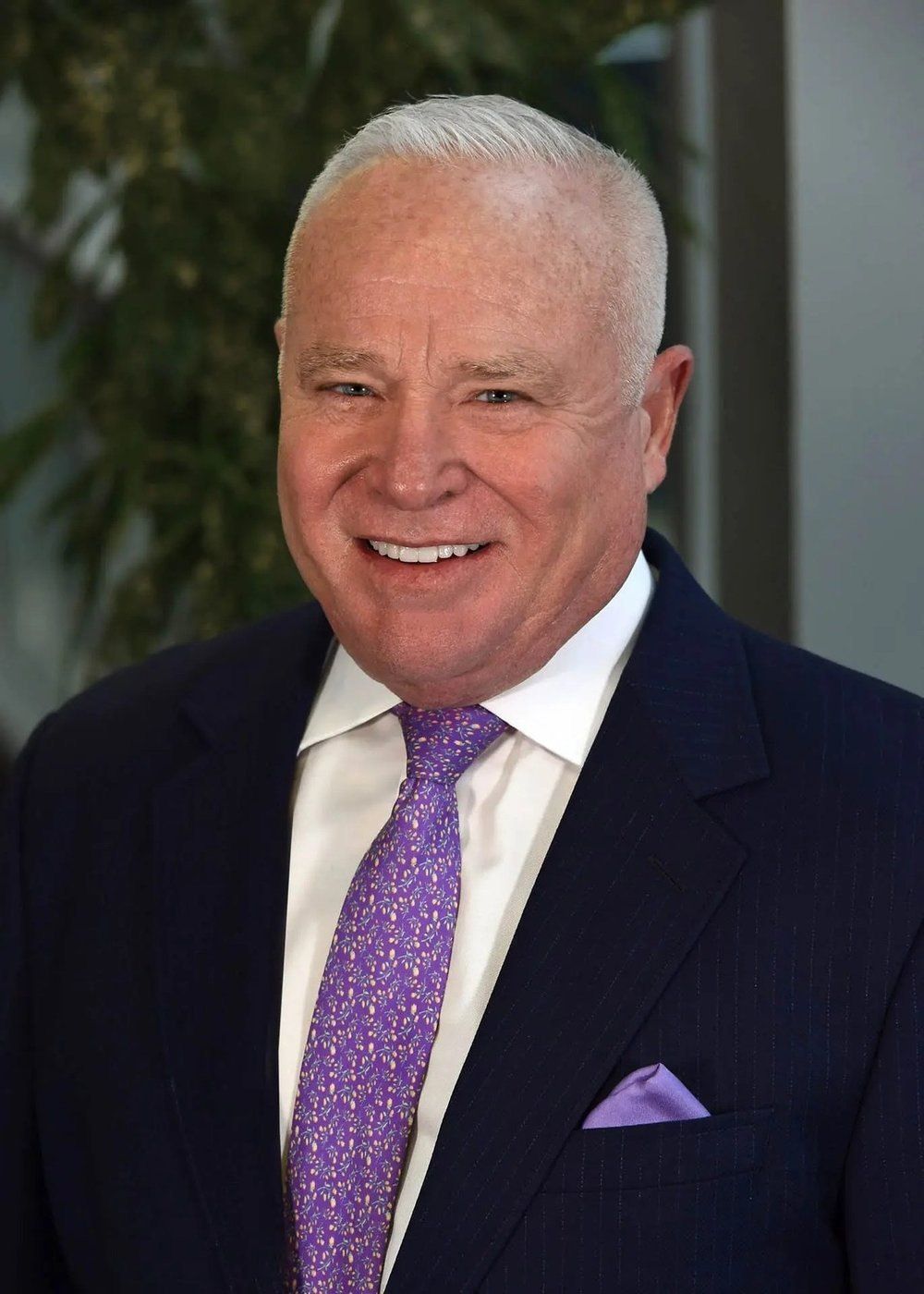
Image: Prime Inc.
Why We’re Inspired
We’re inspired because Robert Low’s whole model is that drivers should think and earn like owners — required reading for anyone whose business depends on people doing hard jobs well, far from headquarters. He built that culture from his own years behind the wheel, and he still plays basketball with his drivers.
“The driver as the owner of the truck is the best way to pay drivers, and the most powerful way to motivate them to act like business-people and be rewarded for the right business practices such as fuel efficiency and productivity.”
The Story
Raised on a farm in Urbana, Missouri — a town of 259 people — Low sold the family’s cows to buy a dump truck in college, dropped out to drive it himself, and made a $1 million profit by age 30. Then borrowed-money growth met spiking interest rates, and Prime went through Chapter 11 bankruptcy.
He rebuilt it over three and a half years into one of the largest truckload carriers in the United States: about 7,700 trucks and 13,800 trailers across refrigerated, flatbed, tanker and intermodal work. He chaired the Truckload Carriers Association, was named an HDT Truck Fleet Innovator, and Forbes eventually profiled him as a billionaire.
Prime hauls for Wreaths Across America, and its campus carries gyms and wellness facilities for the drivers the whole model depends on.
Sources
Forbes — “Meet the Wily Billionaire Trucking Boss Behind Prime Inc.”
Truckload Carriers Association — Robert Low elected chairman
Trucking Info / Heavy Duty Trucking — “HDT Truck Fleet Innovator: Robert E. Low”
More from The Bourgeois Society: The full list · Melanie Bergeron · Rashpal Dhindsa
Co-founder, Dhindsa Group of Companies — Fontana, CA
Official links: Website
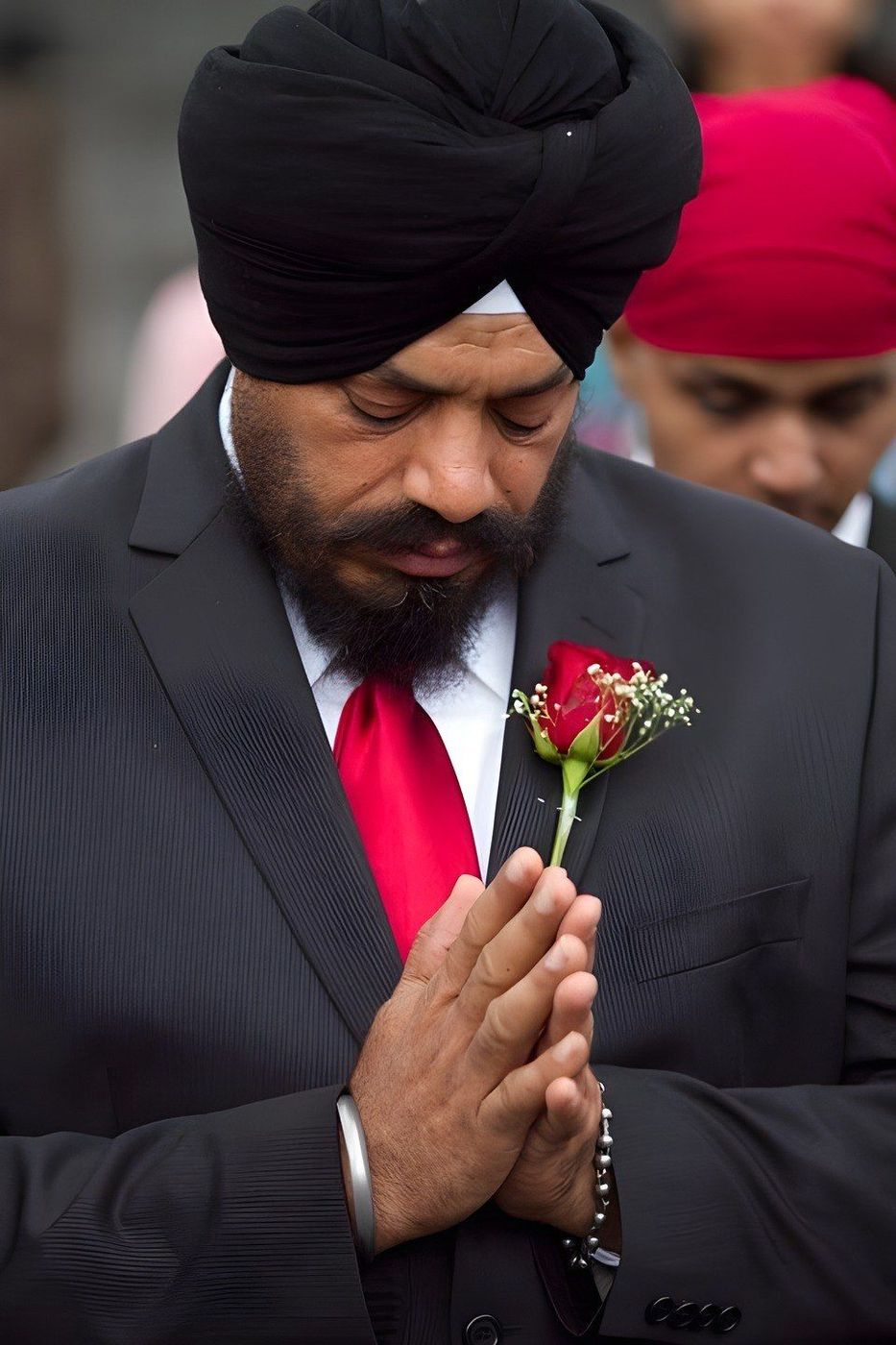
Image: Sikh American Float
Why We're Inspired
Rashpal Dhindsa migrated to the United States in the late 1980s with hardly anything, hoping to build a better future for his family. He started as a driver for carrier R.W.I., learned every aspect of the job from the seat, bought his own truck in the early 1990s and ran it as a one-truck lease operator.
In 1994 he and Varinder Sangha bought three more trucks, incorporated the Dhindsa Group, and cut loose on their own. What he remembers most about those early years is how lonely the ladder was.
“Thirty years ago, it was hard to get into trucking because there were so few people like us in the business who could help you,”
The Story
The Dhindsa Group grew into a multimillion-dollar enterprise with 51 to 200 employees and dedicated local and long-haul lanes for multinational customers — one of the oldest Sikh-owned trucking companies in America.
And Dhindsa made sure the ladder he climbed got easier for the next man: when a new arrival named Pal was starting out, Dhindsa — then barely more than an acquaintance — lent him $1,000 to cover his training classes.
That generosity to newcomers is his documented reputation in the community: he arrived with hardly anything, and started handing opportunity down almost as soon as he had any to hand.
Sources
The Vertical — “How Sikhs Are Living the Great Indian Trucking Dream in the U.S.”
LeadIQ — Dhindsa Group of Companies: Company History (Rashpal Dhindsa & Varinder Sangha)
Los Angeles Times (via The Free Library) — “Sikh Drivers Are Transforming US Trucking”
More from The Bourgeois Society: The full list · Robert Low · Ron Holt
Founder, Two Maids; Founder & CEO, Pink Zebra Moving — Birmingham, AL
Official links: Website · LinkedIn
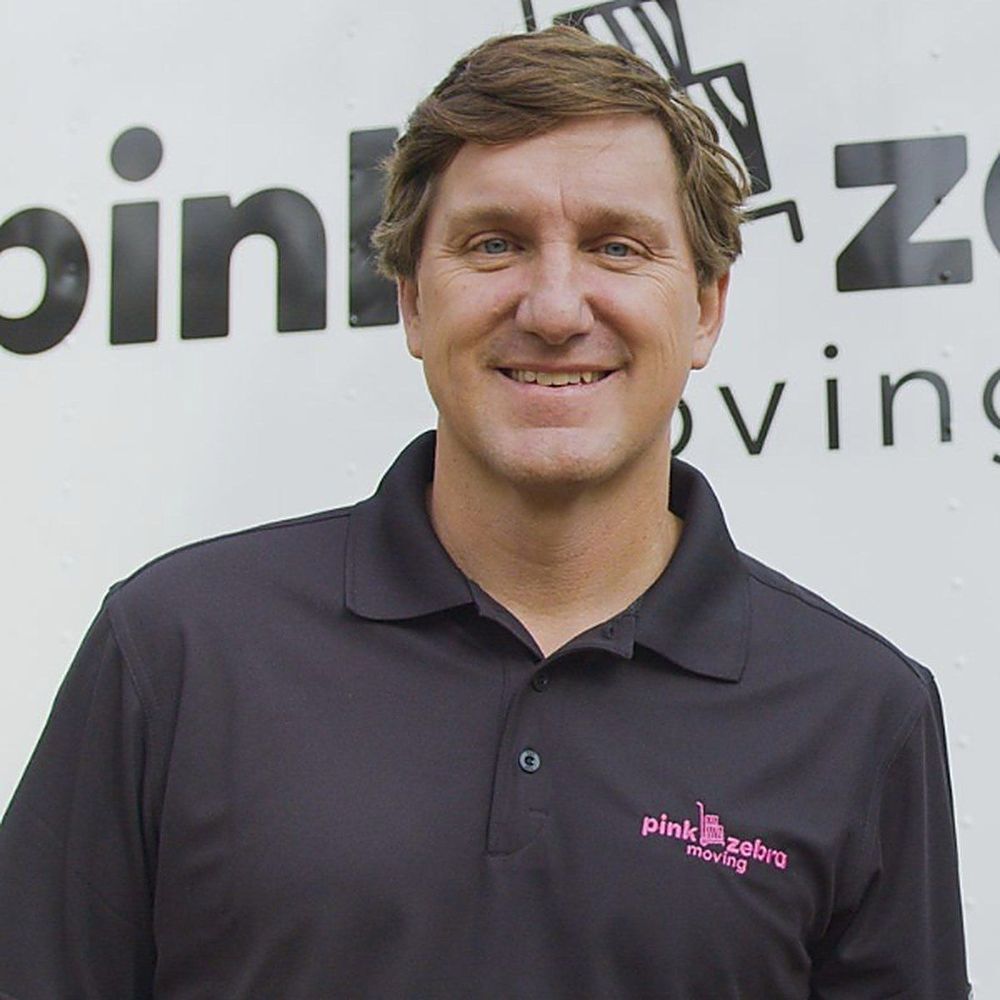
Image: Agile Brand Guide
Why We're Inspired
Ron Holt started in a 250-square-foot Pensacola office in 2003 with a small cleaning business he rebranded as Two Maids & A Mop. The early years were lean in a way founders recognize and investors never see. In his own account of those years, the dream took its time paying him back.
“It took me two years to make a profit and nearly three years to earn my first paycheck.”
The Story
Two Maids grew anyway — twelve company-owned locations, then franchising, then a nationwide Inc. 5000 system with more than 100 locations, recognized as a top job creator before Holt sold the brand in 2021 after nearly two decades. Most builders would call that a career.
Holt immediately started Pink Zebra Moving, a moving franchise built on the heretical idea that moving day should be fun — pink carpets, music, dinner on the company — applying the playbook he had spent twenty years writing, and sharing it publicly as a columnist for other owners.
A founder who built and sold one system and started a second is not lucky. He is a repeat builder.
Sources
Listen Notes — Franchise Empires S6 E11: “Ron Holt on Fun” (Pink Zebra Moving / Two Maids)
Wikipedia — “Ron Holt”
Thrive Global — “Ron Holt on Becoming Free from the Fear of Failure”
More from The Bourgeois Society: The full list · Rashpal Dhindsa · Samir Latic
Co-founder & Owner, Midwest Freight Systems — Warren, MI
Official links: Website
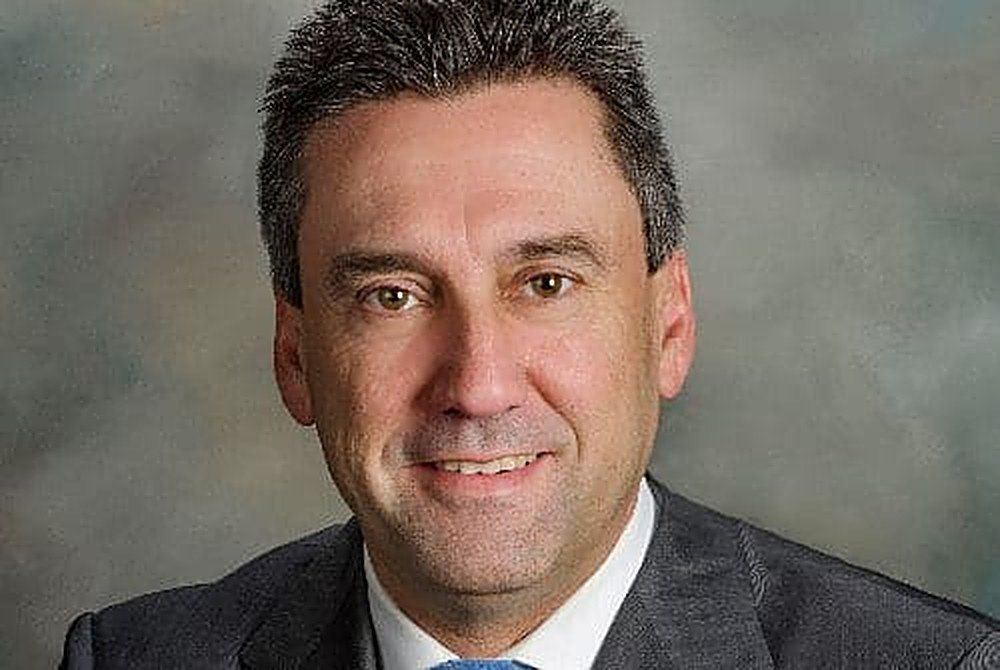
Image: CityBiz
Why We're Inspired
Samir Latic landed at the Detroit airport as a Bosnian refugee, and the Bosnian community in Hamtramck took his family in until they could buy a home of their own. The plan was dentistry — Latic was serious about it, eventually earning both a bachelor’s and a master’s degree at Wayne State while he worked.
But the family bought a semi-truck, and one truck led to two, and two led to contracts. His own telling of those years keeps the original ambition right next to the detour.
“I wanted to drive a truck and save as much money as I could and go back to school,”
The Story
By 2004 the brothers were fleet owners, and Midwest Freight Systems grew to more than 200 trucks and more than 250 employees in Warren, Michigan. The detail that defines the company: about forty percent of those jobs go to other refugees — families arriving the way his arrived, taken in the way his was taken in.
Latic’s advice, quoted in the Macomb Daily profile, is the whole philosophy in one line: follow your dreams, stay the course, and you will get there. He adds that he does not think his family could have done what it did anywhere but in the United States.
The dentist who never was became an on-ramp for hundreds of new Americans.
Sources
Drive My Way (summarizing the Macomb Daily profile) — “Fleet Owner: Samir Latic, Midwest Freight Systems”
More from The Bourgeois Society: The full list · Ron Holt · Pete Warhurst
Founder, PODS; Founder & CEO, Red Rover — Tampa, FL
Official links: Website
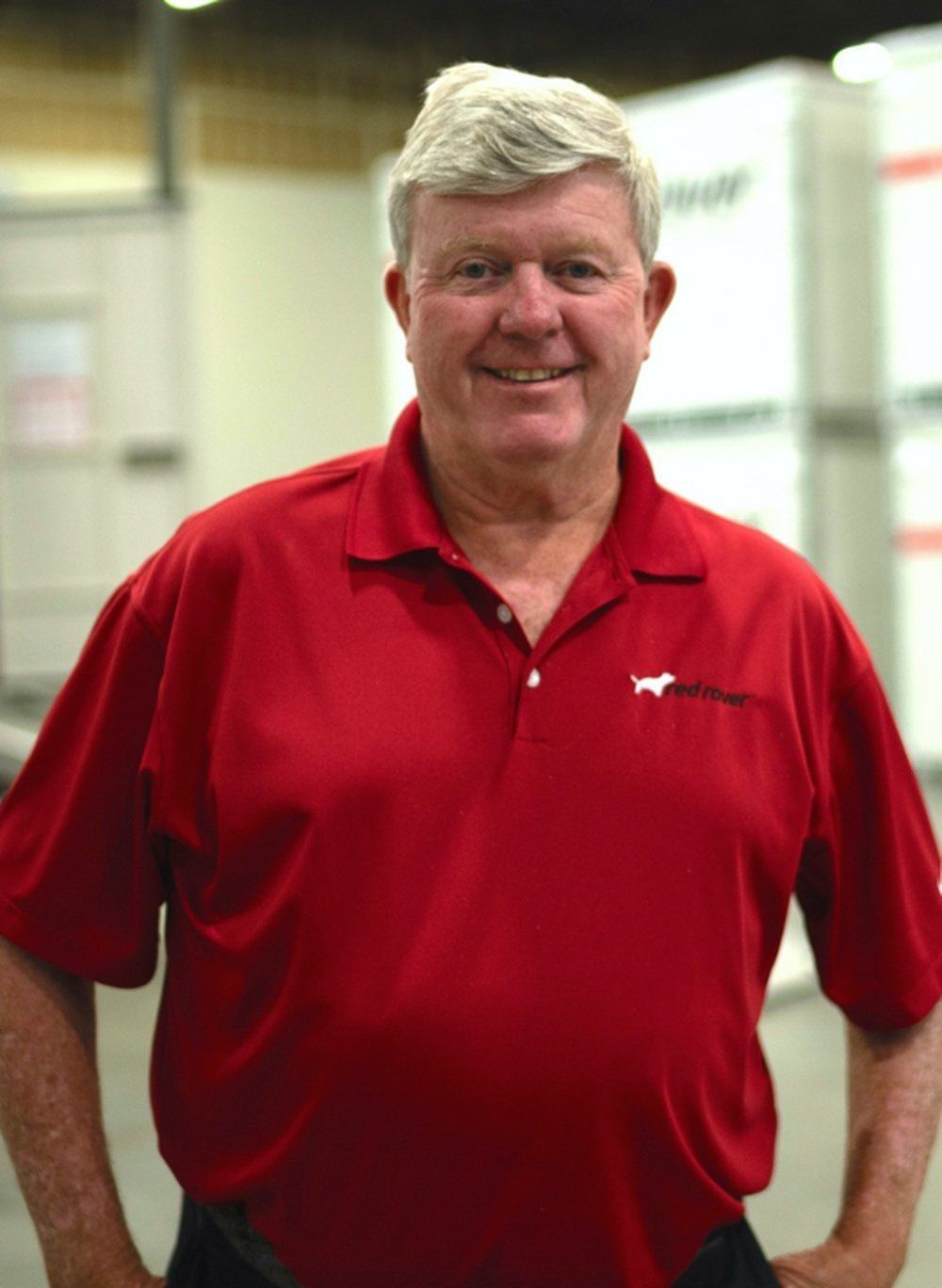
Image: Bitbean / Red Rover
Why We’re Inspired
We’re inspired because Pete Warhurst is proof that a second act can be as ambitious as the first — and that the best business ideas often come from watching ordinary people struggle with an ordinary problem. A firefighter looked at moving, the chore everyone dreads, and redesigned it.
“We never trademarked portable storage so there’s hundreds of portable storage companies. We trademarked fetchable storage.”
The Story
Warhurst started as a Largo, Florida firefighter and paramedic who rose to fire chief, co-founded a 911-dispatch software company on the side and sold it — then, instead of staying retired, bet on an idea the storage industry laughed at: dropping a storage container in your driveway.
He invented the PODZILLA lift system for PODS, grew it to more than 100 locations across the U.S., Canada and Australia, and sold the company for $430 million.
He retired again, got bored, and came back to found Red Rover, a “fetchable storage” company in Tampa Bay — its founding team, in his words, all wrote checks and took pay cuts to get it off the ground. He is an Ernst & Young Florida Entrepreneur of the Year.
Sources
St. Pete Catalyst — “PODS Founder Launches Fetchable Storage Company Red Rover”
Florida Trend — “PODS Founder Develops New Fetchable Storage Concept”
Central Florida Lifestyle — “Someone You Should Know: Pete Warhurst”
More from The Bourgeois Society: The full list · Samir Latic · Hamid Moghadam
Co-founder & Chairman, Prologis — San Francisco, CA
Official links: Website · LinkedIn
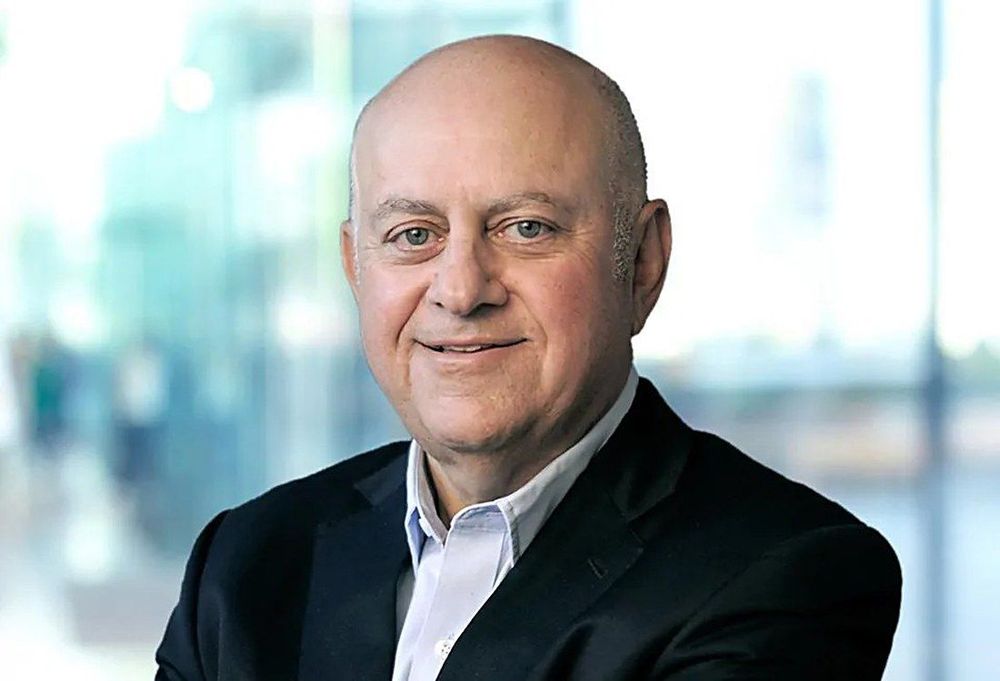
Image: Bisnow
Why We’re Inspired
We’re inspired because Hamid Moghadam kept the rejection letters. More than thirty companies turned away the immigrant engineer with the Stanford MBA — and he answered by building the company the entire logistics industry now rents its future from. His story is the complete arc: rejected everywhere, then indispensable.
“AI is a big, fast-moving train. You better get on it, or you’re going to get run over by it. But before you can engage with AI and get value out of it, you have to have data and you have to have data digitized.”
The Story
Born in Tehran, Moghadam arrived at MIT at 16, earned engineering degrees and a Stanford MBA — and then the Iranian Revolution closed the road home, and the hostage crisis made him unemployable in the country he had chosen.
He co-founded AMB Property Corporation on a $50,000 bank loan, took it public, and merged it with ProLogis to create the world’s largest logistics real estate company: an S&P 100 firm with about 1.2 billion square feet of warehouses and distribution centers in 20 countries — the landlord of modern logistics rather than a carrier.
He was Ernst & Young’s National Entrepreneur of the Year and appeared three times on Harvard Business Review’s 100 Best-Performing CEOs list. With his wife he established the Moghadam Family Professorship at the Stanford Graduate School of Business, and he has served as a Stanford trustee and MIT donor.
Sources
Wikipedia — Hamid Moghadam
Nareit / REIT Magazine — “Positioning Prologis for Success”
CoStar — “Person of the Week: Hamid Moghadam”
More from The Bourgeois Society: The full list · Pete Warhurst · Ernest Garcia III
Co-founder & CEO, Carvana — Tempe, AZ
Official links: Website
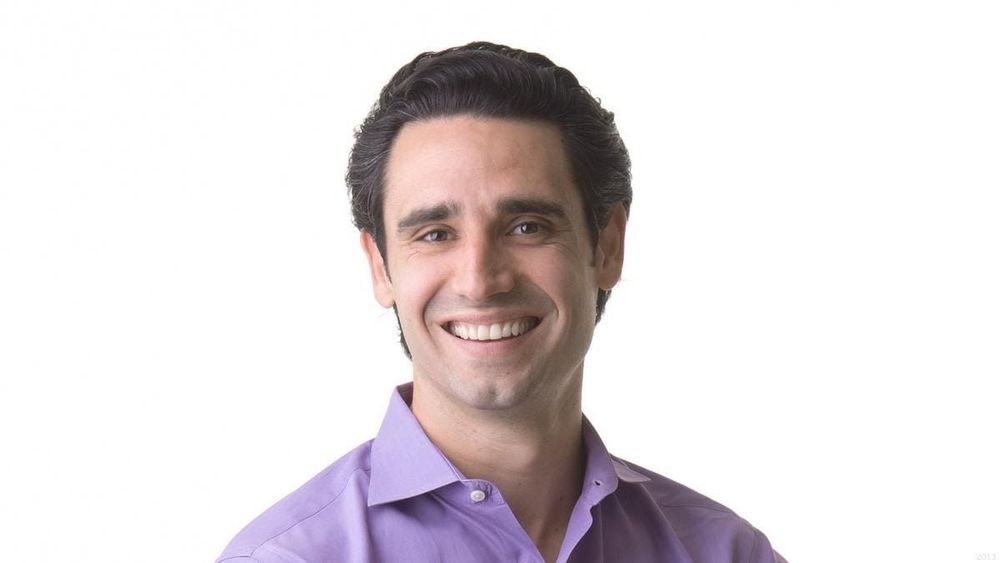
Image: Lola
Why We’re Inspired
We’re inspired because Ernest Garcia III has survived both a family legacy he didn’t choose and a collapse the market said was fatal. His steadiness through a 99% stock drawdown — when bankruptcy was openly predicted — is the lesson: he kept steering the company he built instead of abandoning it.
“Our goal wasn’t to be like, 'okay, I went to Stanford, and all of these people know how to code, so now I want to sell cars online.' Our goal was 'how do we make things better, how do we make car buying better for consumers, and what’s the toolset to do it?'”
The Story
Garcia co-founded Carvana with Ryan Keeton and Ben Huston out of his father’s DriveTime business, building the online used-car platform alongside its own vehicle-delivery and car-haul logistics network and its glass car vending machines — in the long shadow of his father’s bank-fraud conviction and bankruptcy. He took Carvana public and remains its chief executive.
When the stock collapsed about 99% and the debt crisis hit, he steered the company through into one of the most remarkable turnarounds in recent business history; Forbes puts the company’s revenue at $22.5 billion and Garcia on the Forbes 400.
To mark the company’s 100,000th car sold, he gave $35 million of his own stock to Carvana employees.
Sources
azcentral / Forbes — “Richest Arizonans: Forbes List”
Carvana leadership — press page
Stanford Daily — “Braving a Changing Market: Stanford Grad Expands Car Company”
More from The Bourgeois Society: The full list · Hamid Moghadam · Tiam Behdarvandan
Founder & CEO, Let’s Get Moving — Toronto, ON
Official links: Website
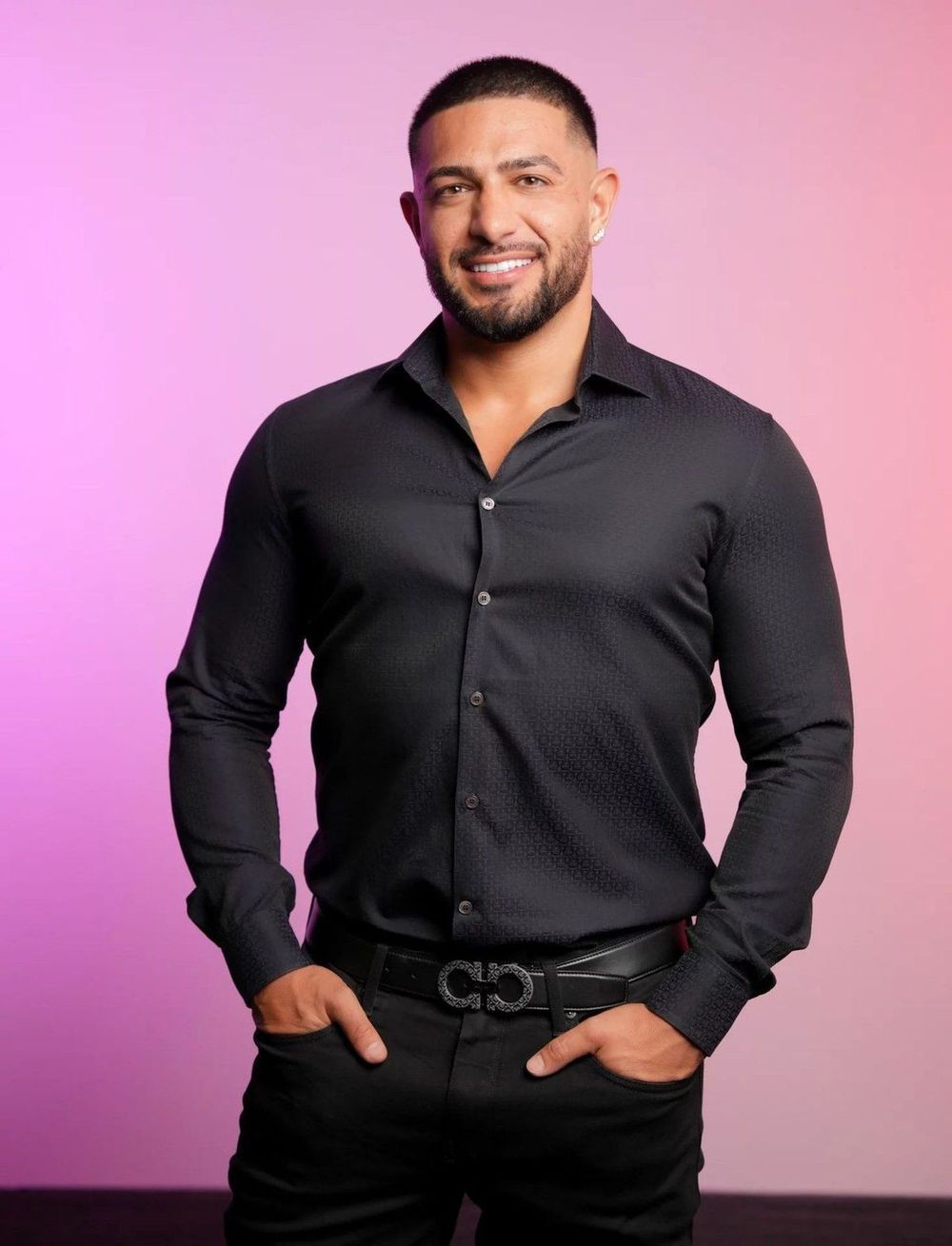
Image: Let's Get Moving
Why We're Inspired
Tiam Behdarvandan started in moving as a part-time employee while studying business, and learned the back end of the industry the slow way. He founded Let’s Get Moving in Toronto in 2010, at nineteen, with himself, two movers and a single truck — and survived brutal early years when getting any jobs at all was tough.
With a mentor’s help he grew to a handful of corporate locations across Canada, completing more than 10,000 moves, before deciding the model itself was the product. His explanation of the model is the whole strategy in one sentence.
“The thing that really differentiates us from all other franchisors, especially in the moving business, is that we actually do everything for the franchisees,”
The Story
Corporate handles the marketing, the websites, the phone numbers — a call center of some thirty sales agents books each location’s jobs, with a deposit attached, so a first-time owner can focus entirely on the move itself.
The result: just nine months into franchising, Let’s Get Moving had sold out Canada and passed 85 locations across the U.S. and Canada, with many locations doing $100,000 to $120,000 a month. Behdarvandan frames franchising as giving first-time owners a path in — the part-time mover who nearly didn’t make it, now handing new operators a running start.
Sources
1851 Franchise — “Franchisor Hot Seat: Tiam Behdarvandan’s Let’s Get Moving”
Finance Digest — “From a 19-Year-Old Entrepreneur to a Franchise Mogul: How Tiam Behdarvandan Built Let’s Get Moving”
GoBankingRates — “I Built a Multimillion-Dollar Moving Franchise at 19: 4 Lessons I Learned”
More from The Bourgeois Society: The full list · Ernest Garcia III · Sarah Riggs Amico
Executive Chair, Jack Cooper — Kennesaw, GA
Official links: Website · X

Image: Ben Rollins Photography
Why We’re Inspired
We’re inspired because Sarah Riggs Amico’s is the clearest owner-versus-shareholder story on this list. When the restructuring math said close or cut, she gave up her own equity instead — when it cost her personally, she chose the people who did nothing wrong.
“Do you hobble along, knowing you close the doors when the pension fund goes under? We went in and said these are people who did nothing wrong, and it’s worth saving their jobs.”
The Story
Amico joined the board of Jack Cooper, her family’s car-hauling company, after the family acquired it in a merger during the auto-industry collapse, and became executive chair as it grew from about 120 employees to more than 3,500 — one of North America’s largest finished-vehicle logistics carriers, a certified women-owned business delivering 3.5 to 4 million cars a year.
When the company hit the wall — pension crisis, debt, automakers fleeing to non-union carriers — the deal she backed preserved all roughly 3,000 jobs with no wage cuts, health premiums paid in full and past pension obligations honored, at a 93-year-old union company most experts expected to die. Her oral-history interview is preserved by Georgia State University.
Sources
Georgia Trend — “Catching Up with Sarah Riggs Amico”
Georgia State University Library — Sarah Riggs Amico oral history
Portside / The American Prospect — “Shareholder Capitalism vs. Stakeholder Capitalism”
Dev Insider — “From Towing the Line to Leading the Industry: Sarah Riggs Amico’s A1 Auto Transport Story”
A1 Auto Transport (official site) — “About Us: Our History”
EquityNet — “A-1 Auto Transport Inc” (company overview)
More from The Bourgeois Society: The full list · Tiam Behdarvandan · Brad Jacobs