
Photograph: Splitshire
Black Men: The Owners — The Operators Behind Amari Ruff, André Rice, John Beckwith Jr. and Ronald E. Hall Jr.
No cameras, no endorsement deals — just payrolls. Fifteen owners whose companies move freight, pour concrete, serve food and keep America running.
Produced and Edited by the Bourgeois Society Staff
You may not know these names, and that is exactly the point of this list. The owners on it run the unglamorous, essential companies — trucking fleets, construction firms, energy services, restaurants — that quietly hold up their cities.
Most started with one truck, one crew or one contract nobody else wanted, and most were underestimated by every bank in town.
The honorees on this list were selected based on several factors: the size of the obstacle they had to climb, what they actually built with their own hands, the weight of what they give back, and whether their story makes you want to get up and build something yourself.
Every profile below is fact-checked, and every source is linked, so you can read the receipts yourself.
Founder and CEO, Sudu — Atlanta, GA
Official links: Website
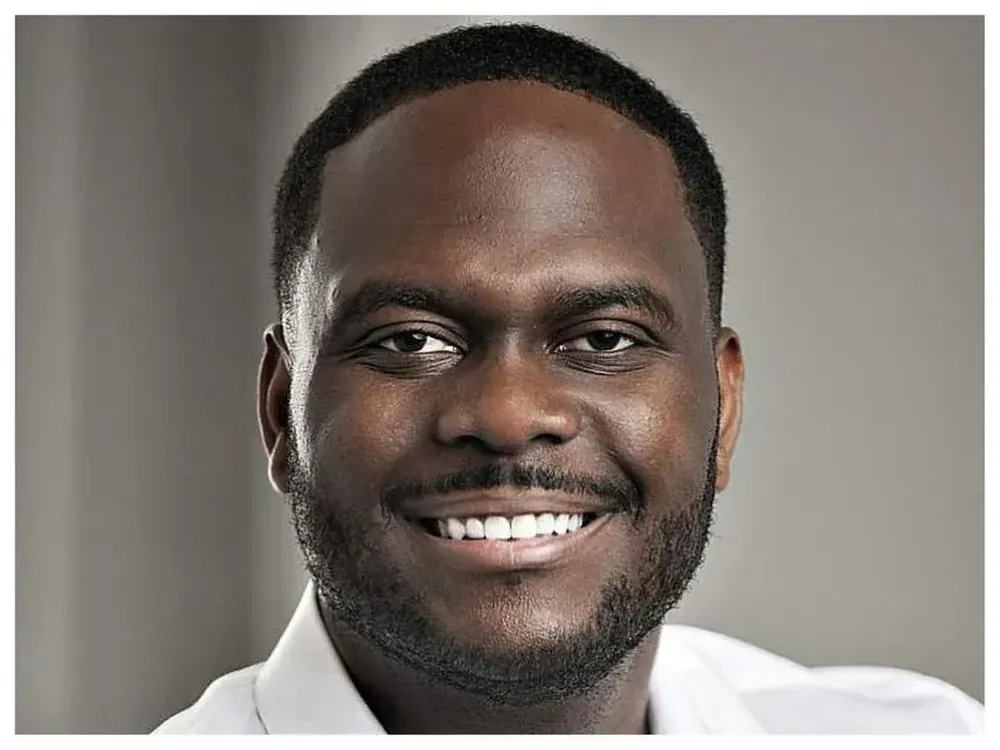
Image: Face2Face Africa
Why We're Inspired
Amari Ruff knows what it means to start with almost nothing. When he was 16, his military father left, and Ruff helped his mother raise his two siblings while the family moved between relatives and homeless shelters; at one point he commuted more than four hours a day just to stay at the same high school while working.
College proved unaffordable, so he took a job as a cable technician, climbed into enterprise contract work, and in 2010 started a telecommunications installation company with $300 and a 1990 Ford Ranger — no degree, by his own account, just will and guts. He grew that business to nearly 200 trucks across five locations.
Then, volunteering with an association for diverse trucking companies, he heard the same story again and again: small minority-, women- and veteran-owned carriers could not get quality freight because big corporations would not work with firms their size. In 2015 he launched Sudu in Atlanta, a technology marketplace that groups those carriers together and connects them to corporate shippers.
"Patience is one of the most underestimated skills needed to grow a company."
The Story
Sudu's network grew to more than 300,000 trucking companies, and Ruff cut freight deals with Walmart, UPS, P&G, Delta and Anheuser-Busch, building a company reported to be worth $20 million.
The honors followed — NMTA Minority Business of the Year in 2016, a Georgia Trend Trendsetter nod in 2017 and an Atlanta Business Chronicle InnoVenture Award — and Ruff became a sought-after speaker, including at the Nelson Mandela Fellows Panel at Georgia Tech.
His model stays pointed at the carriers the industry overlooks: group them, give them technology, and let their combined size open corporate doors.
Sources
Black Enterprise — “This Once Homeless, Black Entrepreneur Now Owns a $20M Trucking Company”
Black Business — “Once Homeless, This Black Entrepreneur Now Owns a $20 Million Trucking Company”
SHOPPE BLACK — “This Entrepreneur Went From Being Homeless To Running a Million Dollar Logistics Company”
More from Bourgeois Society: Black Men: Builders & Owners · Tony Thompson · André Rice
Founder and President, Muller & Monroe Asset Management (M²) — Chicago, IL
Official links: Website
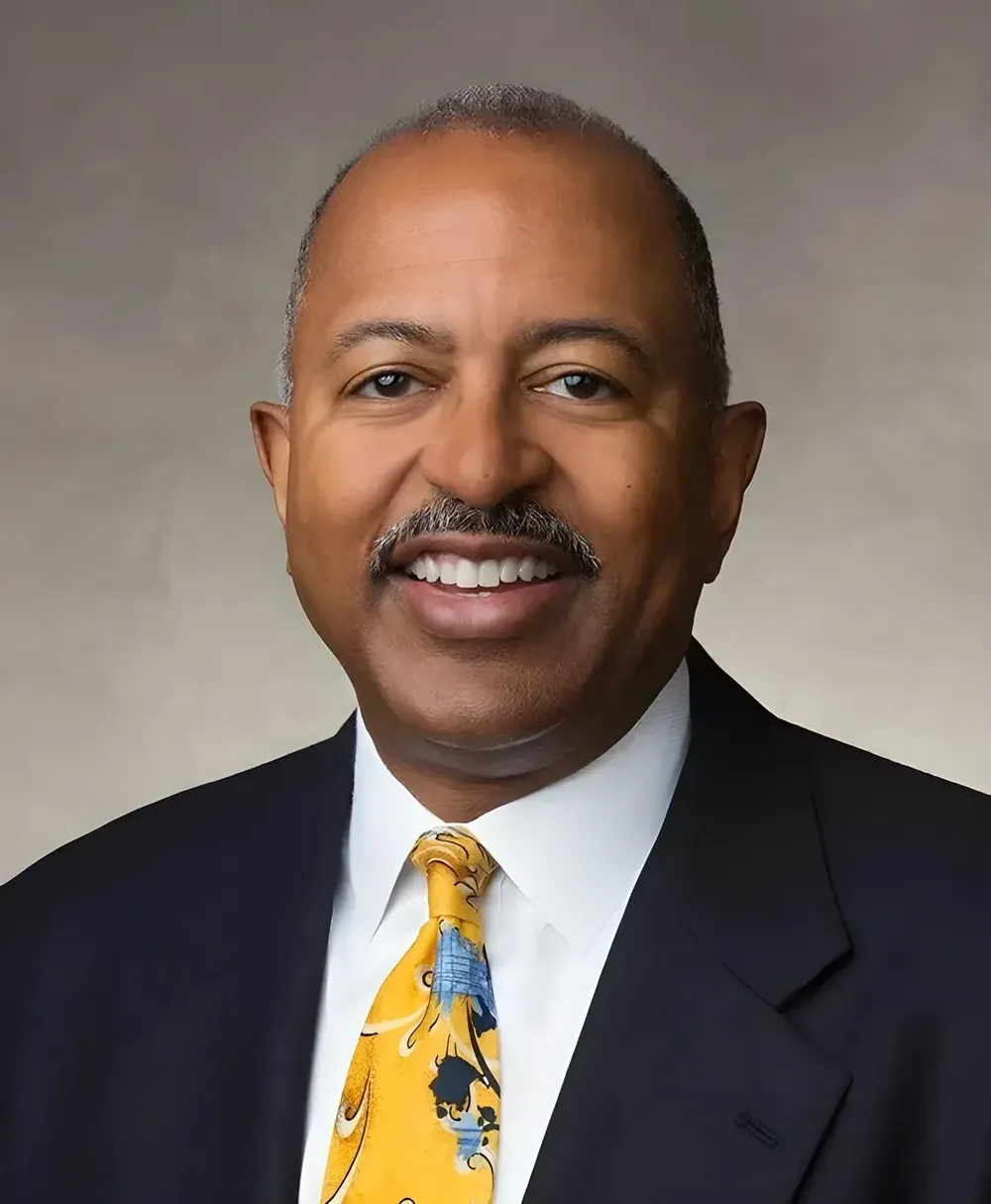
Image: New America Alliance
Why We're Inspired
André Rice built his foundation the rigorous way. An accounting graduate of South Carolina State University (1978) with an MBA from the University of Chicago Booth School of Business (1980), he audited at Peat, Marwick, Mitchell and Company, spent 1980 to 1985 in securities sales at Goldman Sachs, and then worked in mergers and acquisitions at Kraft Foods.
In 1986 he walked away from corporate America and founded Rice Group, Ltd., an investment banking firm he ran as president. By the late 1990s he had spotted a structural gap: large pension funds wanted exposure to emerging managers, but the infrastructure to find, diligence and support small, women- and minority-owned fund managers barely existed.
In 1999 he co-founded Chicago-based Muller & Monroe Asset Management — M² — to fill that gap, with Rice Group serving as the firm's managing member, backing emerging lower-middle-market managers on behalf of major public pension plans.
The Story
M² now manages about $1.7 billion for some of the largest public pension plans in the United States, including a $100 million CalSTRS commitment to its emerging-manager fund of funds.
Rice's influence extends well beyond his own firm: Mayor Richard M. Daley appointed him to the boards of the Metropolitan Pier and Exposition Authority and the Regional Transportation Authority, he joined the Chicago Metropolitan Agency for Planning, and he has served on the board of CNA Financial Corporation since 2017.
In 2025 he was named a Power100 honoree, and The HistoryMakers recorded his oral history the same year.
Sources
The HistoryMakers — “Andre Rice's Biography”
Billionaires.Africa — “Meet André Rice, the Chicago investor who built a $1.7 billion empire backing America's next generation of fund managers”
PRWeb / CalSTRS — “CalSTRS Diversifies the Proactive Private Equity Portfolio”
More from Bourgeois Society: Black Men: Builders & Owners · Amari Ruff · Billy Vickers
Owner, President and CEO, Modular Assembly Innovations (MAI Companies) — Dublin, OH
Official links: Website
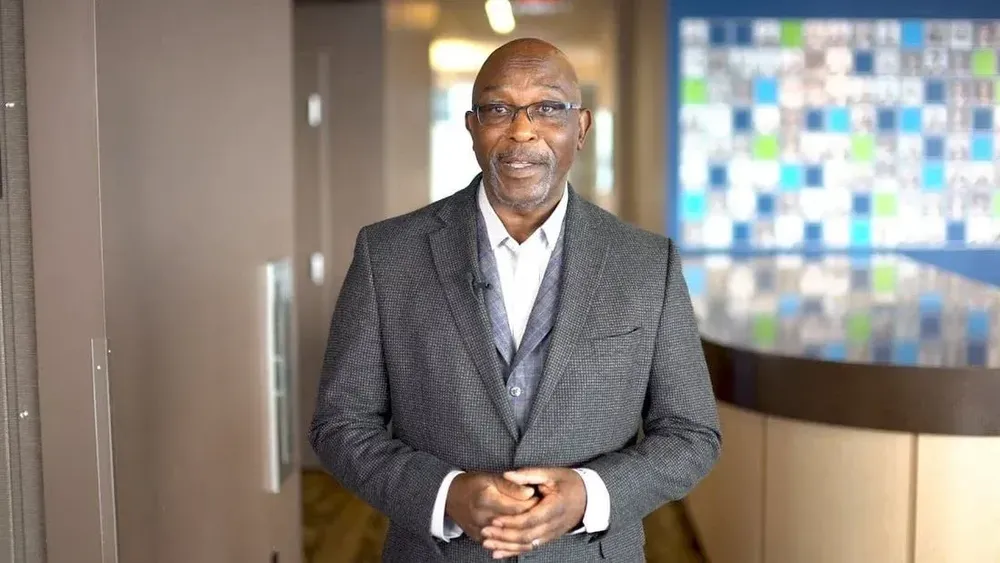
Image: SHOPPE BLACK
Why We're Inspired
Billy Vickers' work ethic was planted on his grandfather's cotton farm near Forest City, North Carolina, where the whole family pitched in and, as he tells it, you did not make a lot of money with cotton.
A high school football coach persuaded him onto the field, and football carried him to North Carolina State University — the first in his family to attend college.
An NFL dream ended with a knee injury, so he got a 'real job': management trainee at Corning, then a steel mill in Ironton, Ohio, where he rose to plant superintendent, and then Detroit, running a large minority-owned foundry. In January 2005 he was tapped to lead Great Lakes Assemblies, a modular assembly joint venture with Honda.
Six years later, in 2011, he bought the business he had been running, and it became Modular Assembly Innovations, with Honda as its anchor customer.
"To be successful takes a lot of people."
The Story
Under Vickers, MAI grew into one of the largest Black-owned businesses in America — $1.2 billion in revenue in 2019, ranked in the top five of Black Enterprise's BE 100s, and about $1.1 billion more recently, with four assembly plants in three states, roughly 450 associates and 170 managed suppliers.
Columbus CEO named him a 2024 CEO of the Year in the large for-profit category. True to form, he deflects the credit to his people and to Honda, and Honda's own procurement diversity team praises the organization he has built to meet a demanding partner's standards.
Sources
Columbus CEO — “Columbus CEO's CEO of the Year 2024: MAI's Billy Vickers Builds a Billion-Dollar Business”
AfroTech — “This Black Business Owner Built a Billion-Dollar Company Supplying Car Parts to Honda”
Black Enterprise — “This Black-Owned Auto Parts Supplier Made $1.2 Billion Last Year”
More from Bourgeois Society: Black Men: Builders & Owners · André Rice · Brian Brooks
President and Co-Owner, E.E. Ward Moving & Storage — Columbus, OH
Official links: Website · LinkedIn · Instagram
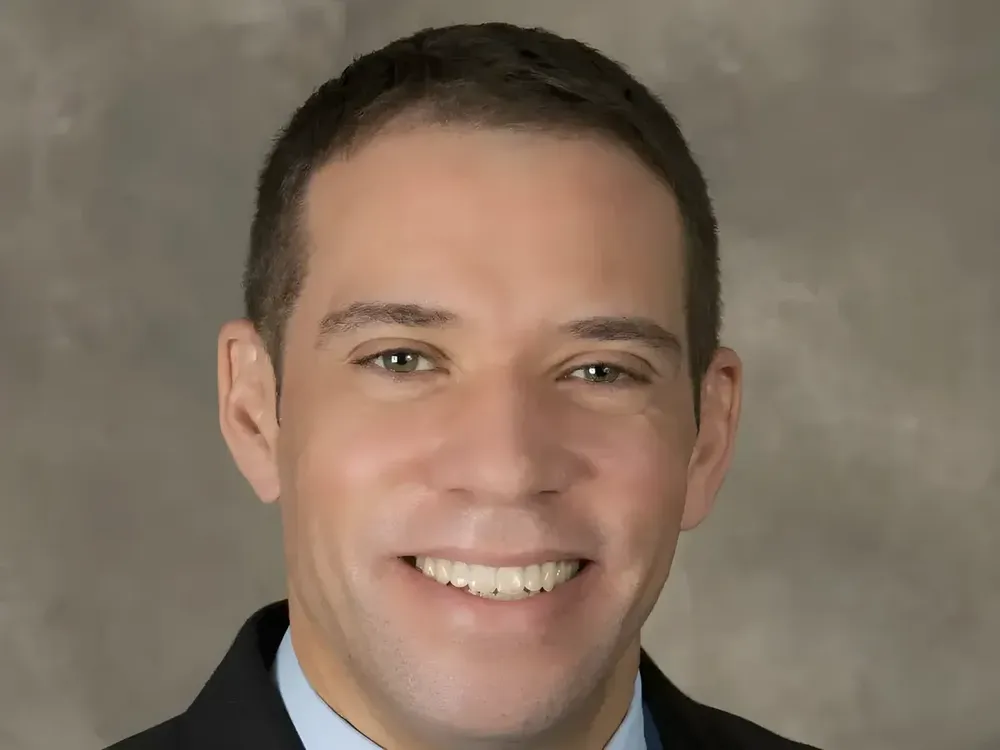
Image: Black Enterprise
Why We're Inspired
Brian Brooks did not found E.E. Ward Moving & Storage — he chose to protect it. The company began in 1881 as the Ward Transfer Line, founded by John T. Ward, a conductor on the Underground Railroad, and his son William, starting with two horses and a wagon.
It is recognized as the oldest continuously operating Black-owned business in the United States. Brooks' connection was personal: his father, a civil-rights lawyer, was the Ward family's attorney for some 20 years, and Eldon Ward — the last Ward to own the company — was Brooks' godfather.
With no family succession plan in place, Brooks, together with Otto Beatty III, purchased the company from Eldon Ward in April 2001. Since then he and his wife Dominique, now his co-owner, have run E.E. Ward as self-described caretakers of a great legacy, keeping its founding principles of quality service and strong moral character at the center of the business.
"E.E. Ward was founded on principles of quality service and strong moral character. These principles provide a clear focus of what is most important to our team – first, providing the highest quality service for our customers, second, serving our community, and third, taking care of our company."
The Story
Under the Brookses, E.E. Ward has expanded from Columbus to Charlotte and Raleigh, North Carolina, operates as a North American Van Lines agent, and was named North American Van Lines' 2021 Agent of the Year.
Giving back is built into the company: in 2015 Brooks started Laps for Lunches to fight childhood food insecurity, which evolved into Laps for Learning, a swim-a-thon with the YMCA whose 2017 and 2018 efforts funded safety-around-water classes for more than 400 children.
Brooks also pays it forward through mentorship and by sharing his entrepreneurship story at forums for Black men.
Sources
Black Enterprise — “Brian Brooks Talks About Running the Oldest African American-Owned Business in the Nation”
American Trucking Associations — “Mover Highlight: E.E. Ward Moving & Storage Co.”
E.E. Ward Moving — “How America's Oldest Black-Owned Business Survived 140 Years”
More from Bourgeois Society: Black Men: Builders & Owners · Billy Vickers · David Lamartiniere
Chief Operating Officer, Hall Automotive Group — Royal Oak, MI
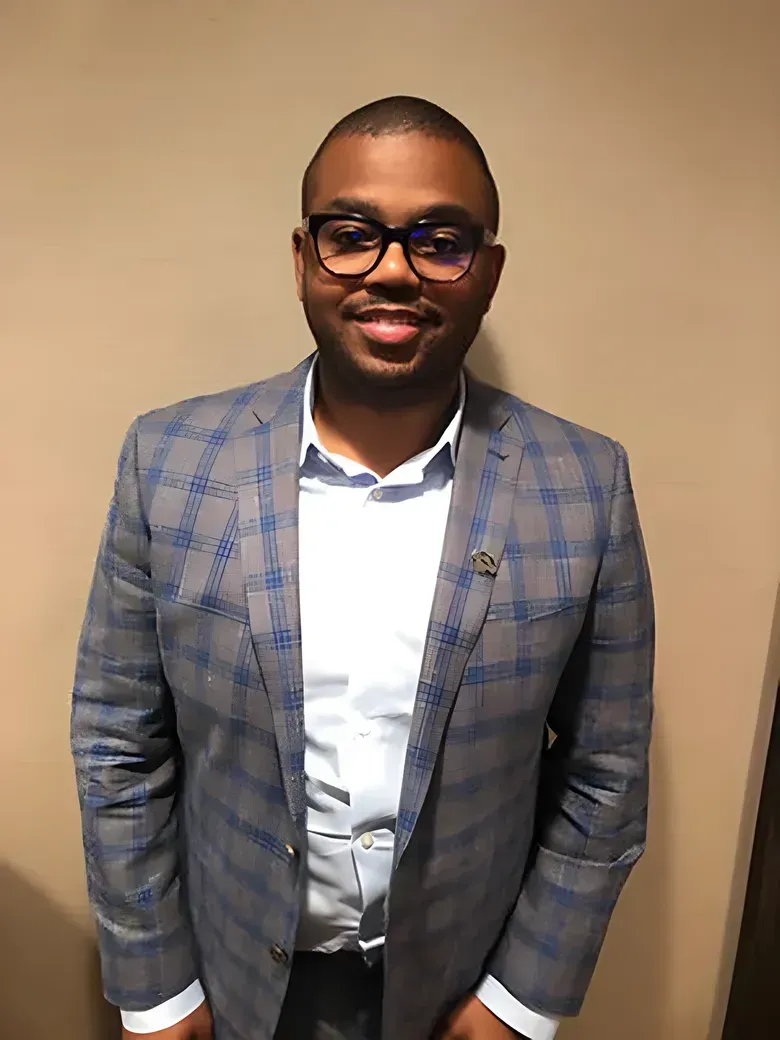
Image: Cox Automotive / PR Newswire
Why We're Inspired
We're inspired because Eddie Hall III treats a family business as a trust, not an inheritance. He keeps showing up the way he did as a kid on those dealership weekends — and he spends his own time opening the industry's doors for the dealers coming up behind him, leading the NextGen dealer organization and volunteering with Michigan high-school students.
"It is such an honor to be selected as Cox Automotive/NAMAD Rising Star for 2019. It is a proud accomplishment to be recognized in such a challenging and competitive industry. Being able to follow in my father's footsteps and help lead the company is a dream come true."
The Story
As an elementary- and middle-school student, Hall's favorite thing in the world was spending weekends at the family's dealership helping his father. He grew up inside the business one broom and one department at a time, and now serves as chief operating officer of Hall Automotive Group and as partner and dealer principal at Feldman Ford of Detroit.
The group runs Briarwood Ford, Royal Oak Ford, Northland Chrysler Dodge Jeep Ram and Vicksburg Chrysler — including the only two African-American-owned Chrysler dealerships in Michigan — and he serves as the minority representative on the Ford National Dealer Council.
Cox Automotive and NAMAD named him their Rising Star, marking the award with a $5,000 donation in his honor to the University of Michigan and a disaster-response vehicle for the American Red Cross.
Sources
Cox Automotive — “Eddie Hall III Receives Cox Automotive and NAMAD Rising Star Award”
AutoRemarketing — “Cox Automotive Honors Michigan Dealer, Industry Rising Star”
PR Newswire — “Metro Detroit Auto Dealer Named Cox Automotive and NAMAD Rising Star”
More from Bourgeois Society: Black Men: Builders & Owners · David Lamartiniere · Gregory Jackson
Founder, President and CEO, Prestige Automotive Group — St. Clair Shores, MI
Official links: Website
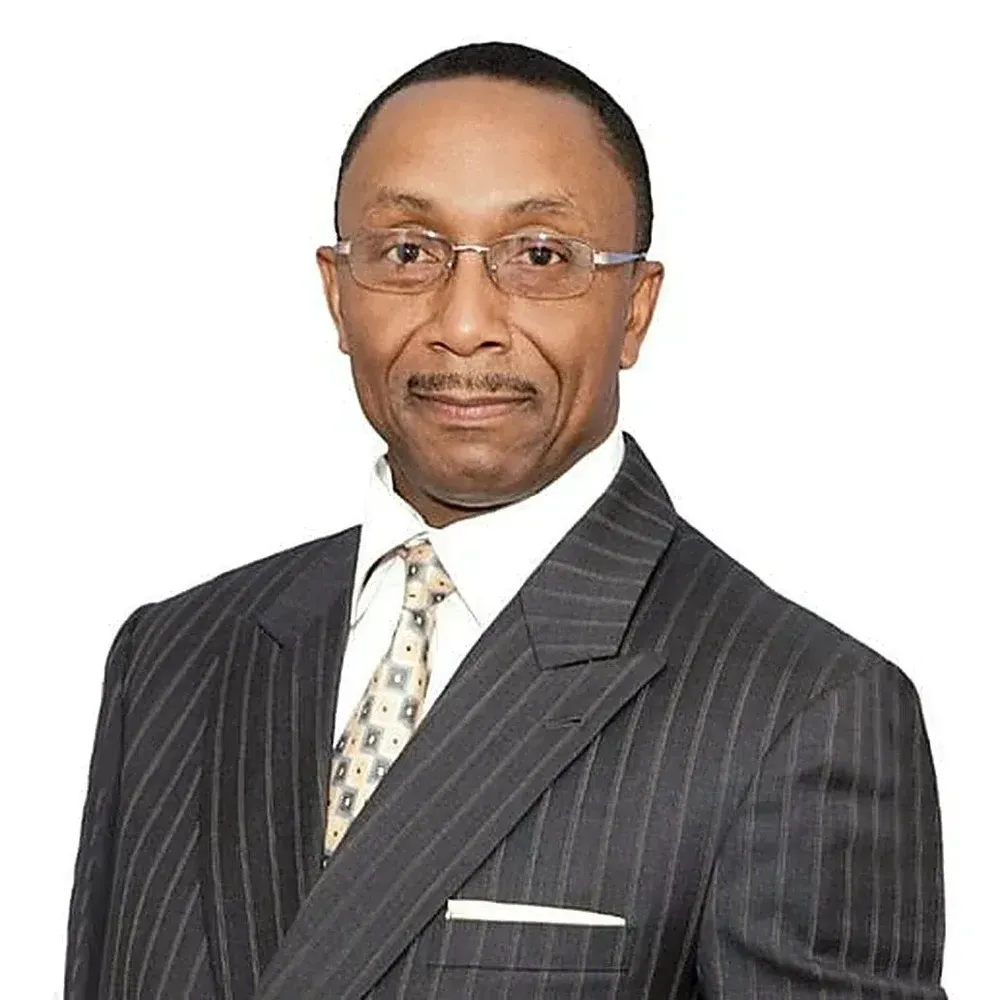
Image: F&I and Showroom / Prestige Automotive Group
Why We're Inspired
Gregory Jackson started in the numbers. A Detroit native with an accounting degree from Morris Brown College and a master's from Atlanta University, he worked as an accountant for Arthur Andersen & Company and as a controller before completing the General Motors Minority Dealer Training program in 1989.
In 1993 he launched Prestige Automotive Group and bought his first dealership with $150,000 of his life savings. GM lent him money to open the store and gave him up to seven years to pay it back; he paid it off in seven months, putting every extra penny toward the loan.
Then came a 12-year buying run that at its peak reached 18 dealerships. In 2005 Prestige grossed $1.67 billion, making Jackson the first Black auto dealer to surpass a billion dollars in annual sales — a milestone Black Enterprise marked by naming Prestige its 2005 Auto Dealer of the Year.
"Our service is key. Each employee will be passionate and have a caring spirit, which will allow us to present a great automotive buying experience."
The Story
Jackson has long spoken on the record about the structural barrier behind his own long odds: access to capital for minority dealers. Automotive News quoted that view directly, and Jackson served on the GM Minority Dealers Advisory Council, arguing minority dealers must show manufacturers profitability, market share and customer satisfaction — not just a social case.
Beyond the lots, his companies own the Copper Ridge Golf Course in Davison, Michigan, and have been restoring Detroit's Lafayette Towers. Three decades after that first store, he was still running Prestige at its 30th anniversary.
Sources
Black Enterprise — “Billion-Dollar Dealer”
The HistoryMakers — “Gregory Jackson's Biography”
F&I and Showroom — “Prestige Automotive Group Celebrates 30th Anniversary”
More from Bourgeois Society: Black Men: Builders & Owners · Eddie Hall III · Jimmy Akintonde
Founder, President and CEO, Ujamaa Construction — Chicago, IL
Official links: Website
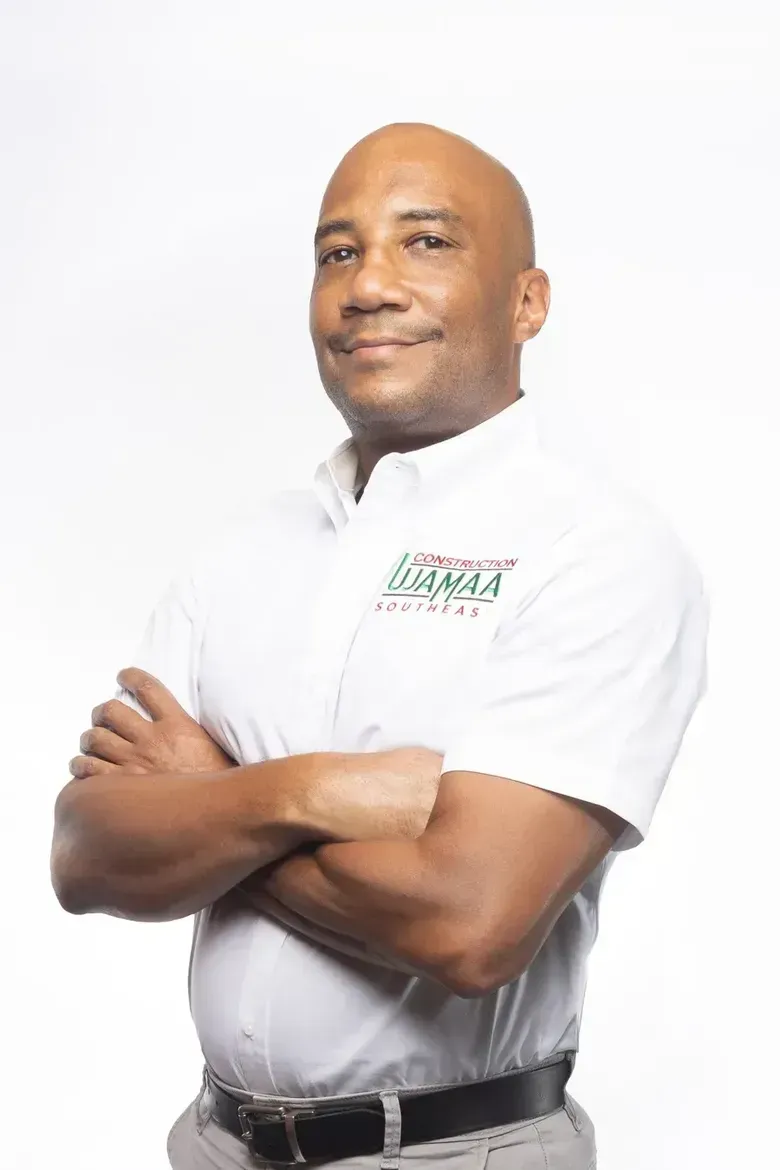
Image: Devin M. Young Photography (Ujamaa Construction headshot session, 2024)
Why We're Inspired
Jimmy Akintonde came to this country at 17 with a specific dream. 'I came over when I was 17 years old to build and to design high-rise buildings,' he told WGN.
He emigrated from Nigeria, studied architecture at IIT — the Illinois Institute of Technology's College of Architecture — and spent his first nine years working for an established contractor, learning the business from the inside.
In 2002 he founded Ujamaa Construction in Chicago, naming it for the principle of cooperative economics and building it around a simple charge: rebuild the community. The firm, headquartered on Chicago's South Side with a second office in Atlanta, grew into one of the city's premier Black-owned general contractors.
As a partner in Lakeside Alliance — the joint venture of four Black-owned firms with Turner Construction — Ujamaa helped build the Obama Presidential Center, a seat at the table Akintonde has said diverse firms would not have gotten without the Obama Foundation's commitment to local, diverse hiring.
"I came over when I was 17 years old to build and to design high-rise buildings."
The Story
Akintonde's current work carries the same give-back logic. Through the Chicago Community Builders Collective, the minority-led joint venture building the Bally's Chicago casino, he pushes workforce development — including internships for Chicago Public Schools students as a first step into the trades — and talks openly about role models and getting back up when the work gets hard.
At Lakeside Alliance he has reflected on how former competitors became collaborators and lifelong connections. Ujamaa marked 20 years in 2022 under a banner that sums up his whole career: rebuilding the community, one project at a time.
Sources
Chicago Community Builders Collective / WGN — “Building a casino and careers: Chicago contractor aims to build up next generation”
Black Enterprise — “Black Construction Companies Selected To Help Build $350 Million Obama Presidential Center”
Lakeside Alliance — “Jimmy Akintonde Shines a Light on Black History in the Making”
More from Bourgeois Society: Black Men: Builders & Owners · Gregory Jackson · John Beckwith Jr.
Owner and CEO, Golden Gate Funeral Home — Dallas, TX
Official links: Website
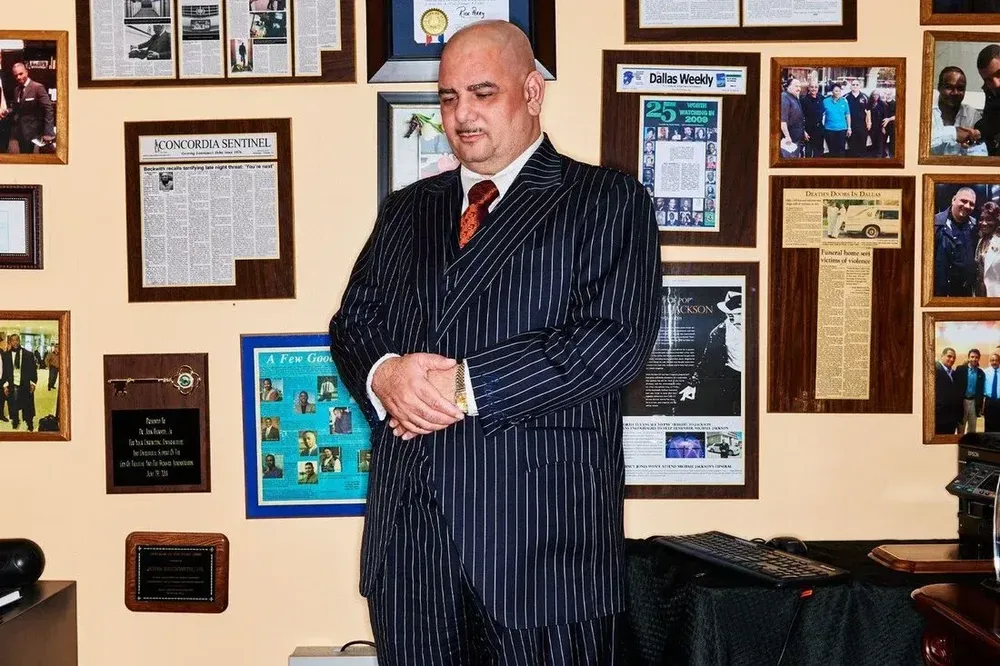
Image: D Magazine
Why We're Inspired
John Beckwith Jr. decided early that his destiny was to provide families with quality, affordable funeral services. He learned the trade working for other Texas funeral homes, and in 1980 he opened the first Golden Gate Funeral Home in Waxahachie, Texas.
He later expanded the business, building the massive Golden Gate complex on S.R.L. Thornton Freeway just south of downtown Dallas. Beckwith's insight — one he credits to his father — was that families who celebrate a loved one's life accept loss better than those who only mourn it.
So Golden Gate became famous for 'homegoings': joyful, theatrical, deeply personal celebrations.
Most of the more than 3,000 funerals the Dallas complex handles each year are somber and traditional, but roughly 100 a year are the elaborate 'special homegoings' — a casket sent down a bowling lane, a Christmas funeral with live reindeer — that made Golden Gate a national phenomenon.
"I always imagined we would take it to the next level."
The Story
That phenomenon got its own television show: TLC's Best Funeral Ever, which ran for two seasons beginning in 2013 with Beckwith — 'Mr. B,' also an ordained minister — as its star and narrator, training professional mourners and staging homegoings built around each family's story. TLC came to him, he says, based on his reputation.
Off camera, his quieter legacy is the practice Golden Gate adopted in the mid-1980s: pre-arranged services families can pay for ahead of time, which Beckwith says gives families peace and comfort when the hardest day comes, instead of guesswork and grief-driven decisions.
Sources
Connecting Directors — “Ask The Undertaker: A chat With The Man Responsible for TLC's ‘Best Funeral Ever’”
SevenPonds — “Would You Watch This Reality Show?” (profile of Best Funeral Ever and Golden Gate)
More from Bourgeois Society: Black Men: Builders & Owners · Jimmy Akintonde · Lawrence Carpenter
Founder and CEO, SuperClean Professional Janitorial Services — Durham, NC
Official links: Website
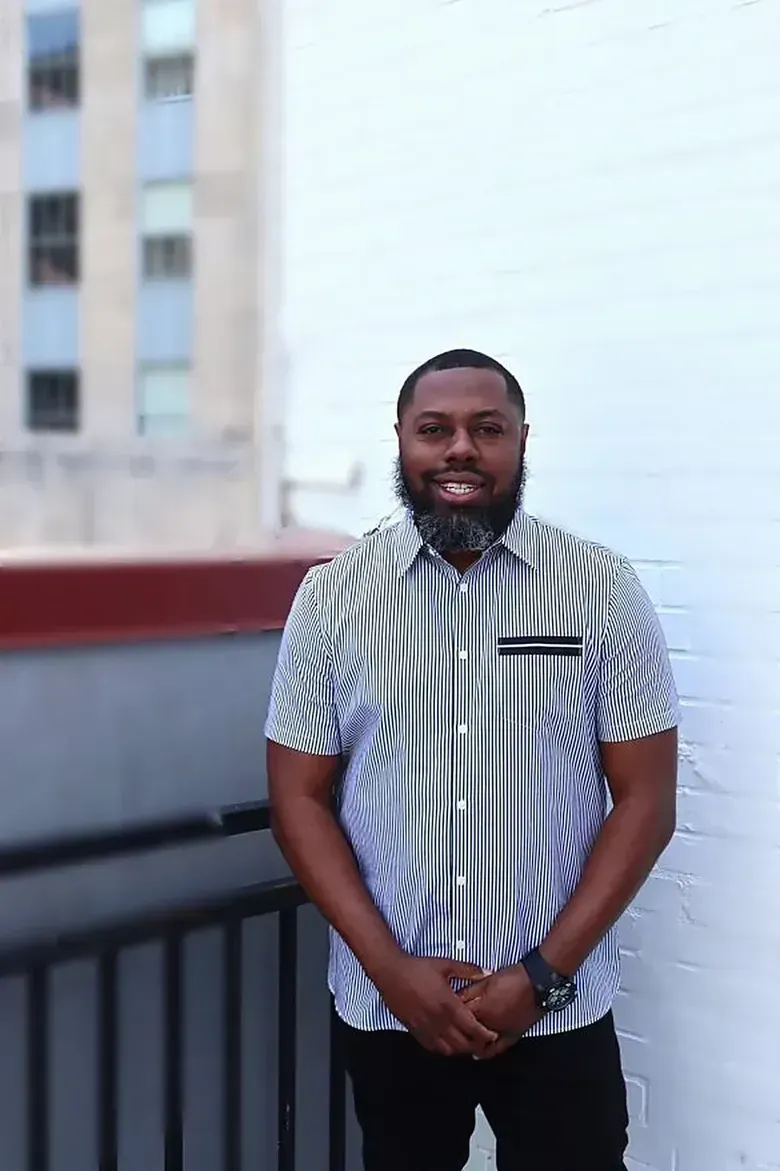
Image: The Knockturnal
Why We're Inspired
Lawrence Carpenter grew up in one of Durham, North Carolina's poorest and roughest neighborhoods, raised largely by his grandmother while his mother struggled with addiction and his father spent time behind bars.
He was selling drugs by age 11 — 'Selling drugs was all I knew,' he says — and at 17 he was convicted and sentenced to six years in prison. Released with, in his words, no reform and no hope, he went back to the streets.
His second sentence, 11 months, was the one that changed him: this time he was a husband and a father who could not be there for his wife and daughter.
When he came home in 2001, determined to earn a living legitimately despite a record that made jobs scarce, he built a janitorial business from a one-man operation into SuperClean Professional Janitorial Services — today a multimillion-dollar commercial cleaning firm with more than 60 employees working across Virginia, North Carolina and South Carolina. He also co-founded ZBS Trucking Co.
"I had created so much damage in the community in the past, I just had to give back."
The Story
Carpenter is blunt about why he gives back: 'I had created so much damage in the community in the past, I just had to give back.' Since 2009 he has served as an instructor and speaker with Inmates to Entrepreneurs, the nonprofit founded by Brian Hamilton to help people with criminal records start their own businesses, and Black Enterprise profiled him as its board chairman in its 2019 Success Beyond Bars series.
He teaches business fundamentals to returning citizens — carrying a message of hope from someone who has lived both sides of the bars.
Sources
Black Enterprise — “Success Beyond Bars: Lawrence Carpenter Applies Entrepreneurship To Transform Lives of Formerly Incarcerated”
Brian Hamilton Foundation — “Inmates to Entrepreneurs: Lawrence Carpenter”
More from Bourgeois Society: Black Men: Builders & Owners · John Beckwith Jr. · Leon C. Richardson
Founder, President and CEO, Chemico Group — Southfield, MI
Official links: Website
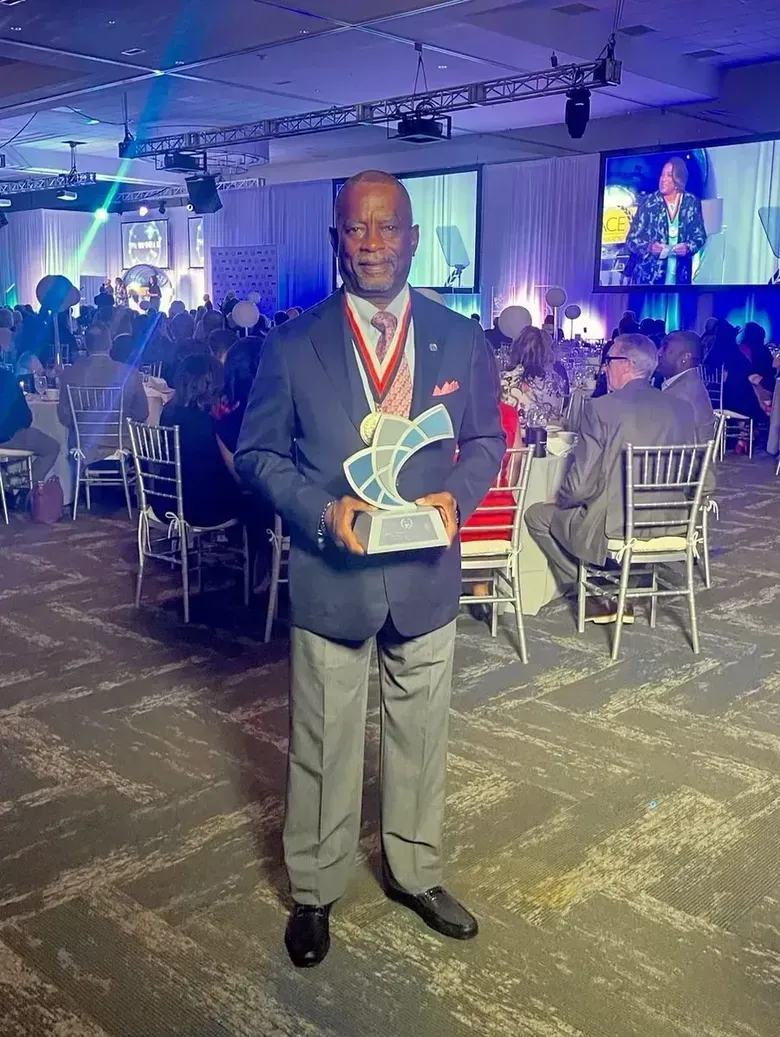
Image: The Chemico Group (official X/Twitter account)
Why We're Inspired
Leon Richardson's business education started early — helping run his family's convenience store at 13 — and was forged in uniform.
He enlisted in the U.S. Marine Corps in 1979 and served eight years as a non-commissioned officer, effectively running Marine Corps Exchange retail stores across the United States and Asia, learning merchandising, teams and customers from the inside.
Coming home to Michigan, he started over at the bottom of a new industry: lab technician, learning organic chemistry from experienced chemists and engineers, then production, learning chemical manufacturing, then sales — where he became one of his company's leading salesmen. On September 13, 1989, he put it all together and founded Chemico Systems in Southfield, Michigan.
The company he built, now the Chemico Group, grew into one of the largest minority-owned chemical management companies in the United States, managing the full chemical lifecycle — ordering, application, storage and disposal — for manufacturers.
"To me, success is achieving the goals that you set out to accomplish – as a company we have exceeded those goals, and plan to create new ones for success in the next 25 years to come."
The Story
Chemico's growth tells the story: revenue climbed from $25 million in 2010 to $108 million at ChemicoMays, Black Enterprise named it the 2014 Industrial/Service Company of the Year, and the firm has operated 50-plus locations, with GM a client since the beginning.
Richardson now returns the favor to Michigan's economy: he sits on the Michigan Strategic Fund board, joined the investment committee of Grow Michigan II — a fund he once used as a borrower to grow Chemico — and in 2025 joined the board of Global Net Lease.
Sources
Black Enterprise (via The Free Library) — “The formula for growth: through a mixture of vision and partnerships, Leon Richardson has ChemicoMays in expansion mode”
PRWeb — “Chemico Celebrates 25 Years of Business, Fifth Consecutive GM SOY Award”
Michigan Economic Development Corporation — “Leon Richardson, Michigan Strategic Fund board bio”
More from Bourgeois Society: Black Men: Builders & Owners · Lawrence Carpenter · Nosa Ehimwenman
Founder, President and CEO, Bowa Construction — Chicago, IL
Official links: Website
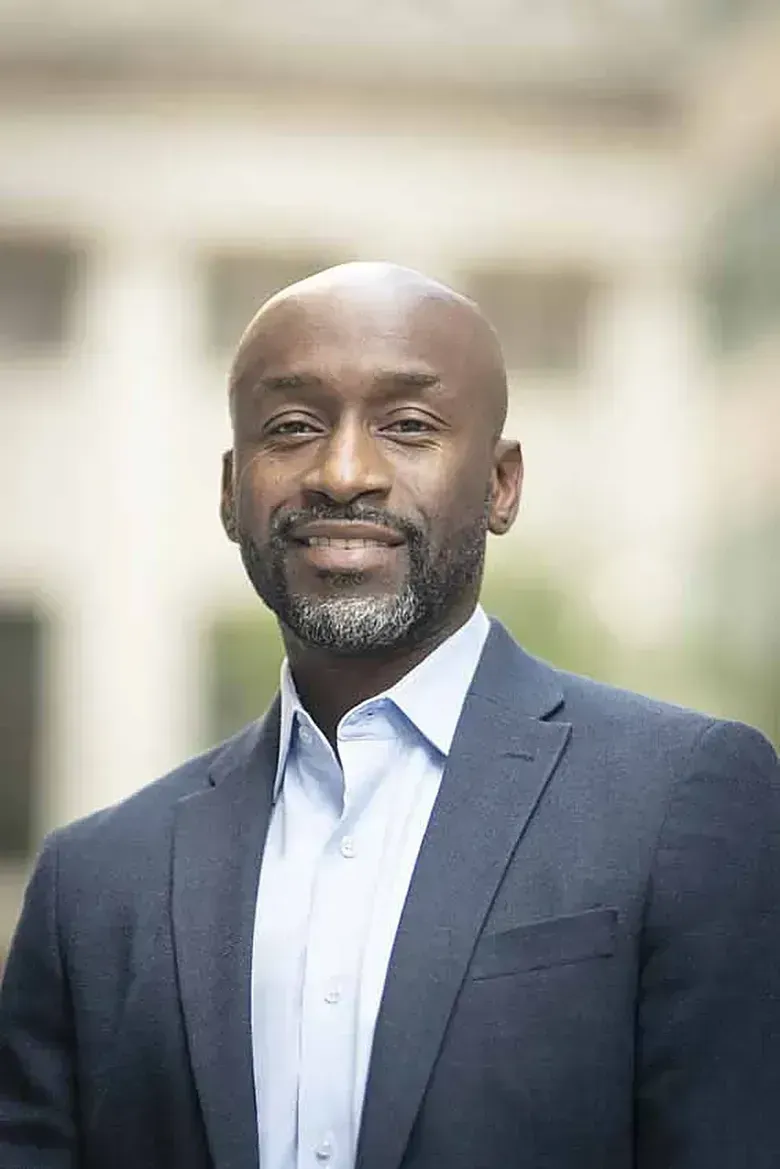
Image: Bowa Construction (official company site)
Why We're Inspired
Nosa Ehimwenman learned construction the way his father did it — with his hands. Born in Nigeria and brought to the United States at age six, he spent his high school years working as a laborer and carpenter alongside his father on properties across Chicago, and the work stuck.
At Ohio State University he was an All-American, full-scholarship track and field athlete — a Big Ten champion in the triple jump with an Olympic B qualification — and he carried that discipline into the industry, spending ten years at Gilbane Building Company, where he became one of its youngest senior managers, and earning an MBA from Purdue.
In July 2013 he left Gilbane's Special Projects Group to build his own firm, Bowa Construction, headquartered at 71st and Stony Island on Chicago's South Side. Bowa grew from three people to more than 100 employees across six cities, completing 300-plus projects in healthcare, aviation, education and beyond.
"We knew President Obama and his commitment to, not only his roots, where he started in Chicago but his passion for the city and his passion for this country. We found ourselves in a place where we knew we had an opportunity to put together a team and lead it, as an African American firm."
The Story
Bowa was built on civic engagement — the idea that a company should do more than perform projects in a community. That philosophy reached its biggest stage at the Obama Presidential Center, where Bowa serves as lead contractor for Home Court, the center's 45,000-square-foot athletic and events facility.
Bowa also co-led 900 West Randolph, the 43-story Fulton Market tower that was Chicago's first high-rise co-led by a Black minority-owned firm. Named repeatedly to Crain's Chicago Business Who's Who, Ehimwenman carries a simple message to young Chicagoans: someone who looks like them is building this city.
Sources
Citizen Newspaper Group — “African American Owned Bowa Construction Leading Home Court Project”
The Bowa Group — “Nosa C. Ehimwenman – President & CEO” (official bio)
Bowa Construction — “Nosa Ehimwenman Recognized in Crain's Chicago Business listing of 2024 Who's Who in Chicago Business”
More from Bourgeois Society: Black Men: Builders & Owners · Leon C. Richardson · Oscar Horton
Chairman and CEO, Sun State International Trucks — Tampa, FL
Official links: Website
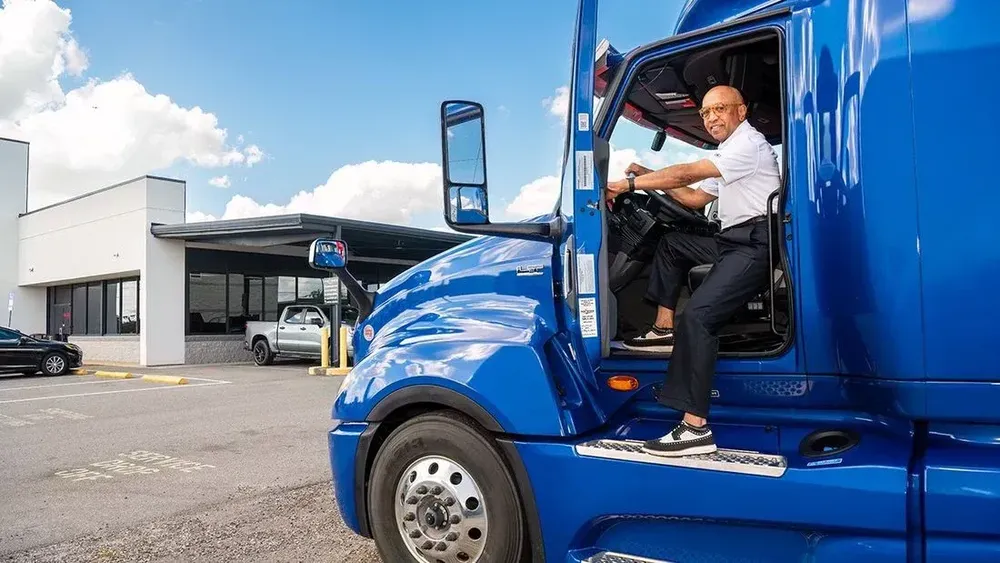
Image: Tampa Bay Business & Wealth
Why We're Inspired
Oscar Horton grew up in Camden, Arkansas, in a segregated small town near Hope, around his father's enterprises — Horton recalls that his father never drew a W-2, yet always provided. His own first ambition was modest: graduate high school and get a job at the local lumber mill.
Instead, after graduating from the University of Arkansas at Little Rock in 1974, he joined International Harvester as a management trainee and rose all the way to vice president and general manager of International's foundry business by 1995 — a comfortable, safe seat.
In 2000 he bet on himself, acquiring Sun State International Trucks in Tampa: a struggling dealership doing about $30 million in revenue and losing close to a million dollars a year.
He turned it around on culture, ethics and financial transparency, growing revenue more than 400 percent — on track to reach $250 million — across six Florida locations with more than 250 employees, and setting a public goal of $400 million by 2027.
"A bad culture will eat a good strategy for breakfast every day."
The Story
Horton was named the American Truck Dealers' 2020 Truck Dealer of the Year and inducted into the Tampa Bay Business Hall of Fame. Inside Sun State, every employee, after 90 days, gets a full day of financial-literacy training, and Horton helped Hillsborough Community College launch a diesel technician program in 2018.
In the community he has championed Academy Prep, a school for underprivileged youth, for over 18 years, and in November 2024 the Horton Family Foundation pledged $1 million to the University of South Florida's on-campus stadium. His two daughters work in the business he is determined to keep Black-owned and in the family.
Sources
Tampa Bay Business & Wealth — “Tampa Business Icon: The Life and Legacy of Oscar Horton”
FleetOwner — “Horton wins 2020 truck dealer of year award”
More from Bourgeois Society: Black Men: Builders & Owners · Nosa Ehimwenman · Rodney Herenton
Co-Founder and Co-CEO, Channing Capital Management — Chicago, IL
Official links: Website
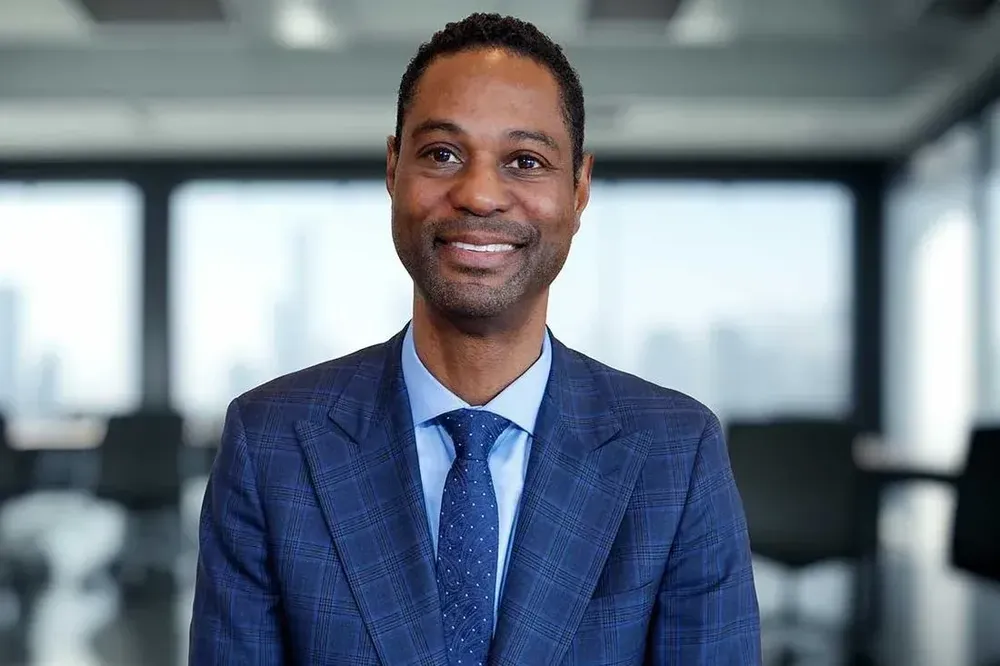
Image: Channing Capital Management
Why We're Inspired
Rodney Herenton had the Wall Street résumé most people would have settled for.
A Memphis native, he graduated from Morehouse College (Phi Beta Kappa), earned an MBA from Harvard Business School, and held roles in Lehman Brothers' corporate finance department and Bear Stearns' investment banking department before becoming first vice-president of the Private Fund Group at Morgan Keegan, where he co-headed the consumer products group and worked on IPOs for family-owned businesses.
In 2003 he walked away from that seat to build his own table: with Wendell Mackey, he launched Chicago-based Channing Capital Management with $70 million in seed assets from Regions Morgan Keegan.
The bet was on a research-intensive, 'intrinsic value' approach to small- and mid-cap investing — and on ownership itself, building a Black-owned boutique in one of the most competitive, volatile industries in American finance.
"From the day we launched, we were determined to build a firm focused on delivering exceptional value to our clients through a strategy grounded in intrinsic value investing."
The Story
Twenty years on, Channing has grown from that $70 million seed to roughly $4 billion in assets under management — Herenton cites about $4.2 billion — surviving the global financial crisis and COVID, with Black Enterprise reporting the firm projecting $5 billion in 2025.
Herenton also carries the wealth-creation message publicly: in February 2024 he was a featured panelist at Miami-Dade County's 'A Conversation About Wealth Creation' forum, billed as part of a new generation of investment leaders building wealth and power for the community.
Sources
Black Enterprise — “Black Firm Aims To Add $1B In Managed Assets With ‘Intrinsic Value Investing’ Approach”
Channing Capital Management — “One Shared Vision, Two Decades, and Infinite Wisdom” (firm history)
Miami-Dade County — “Rodney B. Herenton announced as panelist for ‘A Conversation About Wealth Creation’”
More from Bourgeois Society: Black Men: Builders & Owners · Oscar Horton · Ronald E. Hall Jr.
President and CEO, Bridgewater Interiors — Detroit, MI
Official links: Website
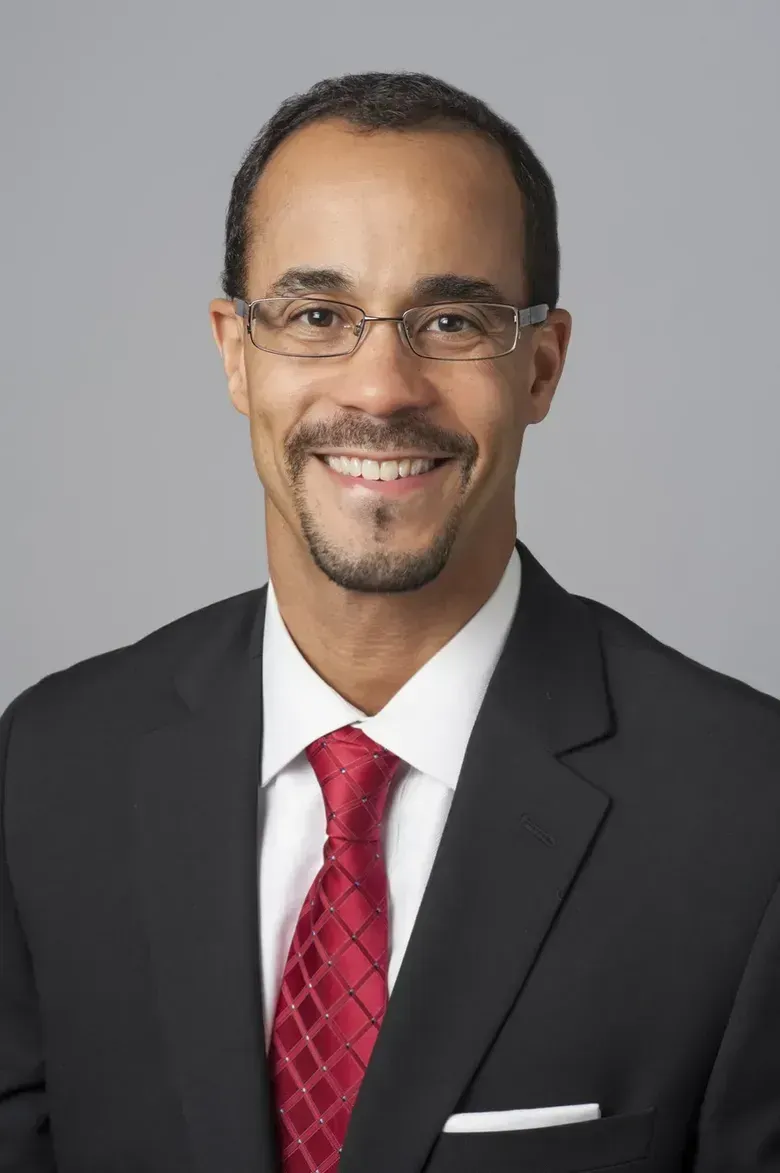
Image: Adient
Why We're Inspired
Ronald E. Hall Jr. took an unusual road to the factory floor. A graduate of the U.S. Military Academy at West Point, he served on active duty in the U.S. Army, attained the rank of captain, and was decorated for meritorious service in the Persian Gulf War.
He then earned a law degree from the University of Michigan Law School and practiced corporate law. In 2007 he joined Bridgewater Interiors, the Detroit automotive seating manufacturer his father, Ron Hall Sr., had founded as a joint venture in 1998, and worked his way through roles of increasing responsibility. In 2015 he succeeded his father as president and CEO.
The company he inherited was itself a landmark: born of the auto industry's supplier-diversity movement, Bridgewater built a 125,000-square-foot plant in Detroit's Empowerment Zone — the first new manufacturing facility built in the city in decades — and staffed it largely with workers who had no automotive industry experience, then trained them to build some of the most sophisticated seating systems in the industry.
"We have to meet higher benchmarks on their performance scorecards to be eligible for new business."
The Story
Today Bridgewater is a roughly $2 billion enterprise — ranked by Crain's Detroit Business as Detroit's second-largest minority-owned business — employing more than 2,100 people at four U.S. facilities and winning J.D. Power seat-quality awards for the Honda Pilot and Ram 1500.
Hall gives his time the same way he runs the company: boards including The Skillman Foundation, the Detroit Regional Chamber, the Federal Reserve Bank of Chicago's Detroit Branch and Corewell Health, and recognition as the Michigan Manufacturers Association's 2023 Manufacturing Emerging Leader.
Sources
Chief Executive — “Quality Is A People Thing At Bridgewater Interiors”
The Skillman Foundation — “Ron Hall, Jr.” (trustee bio)
Detroit Regional Chamber — “Ron Hall Bio”
More from Bourgeois Society: Black Men: Builders & Owners · Rodney Herenton · Bob Johnson
President and Co-Founder, Lamar Homes Roofing & Construction — Raleigh, NC
Official links: Website
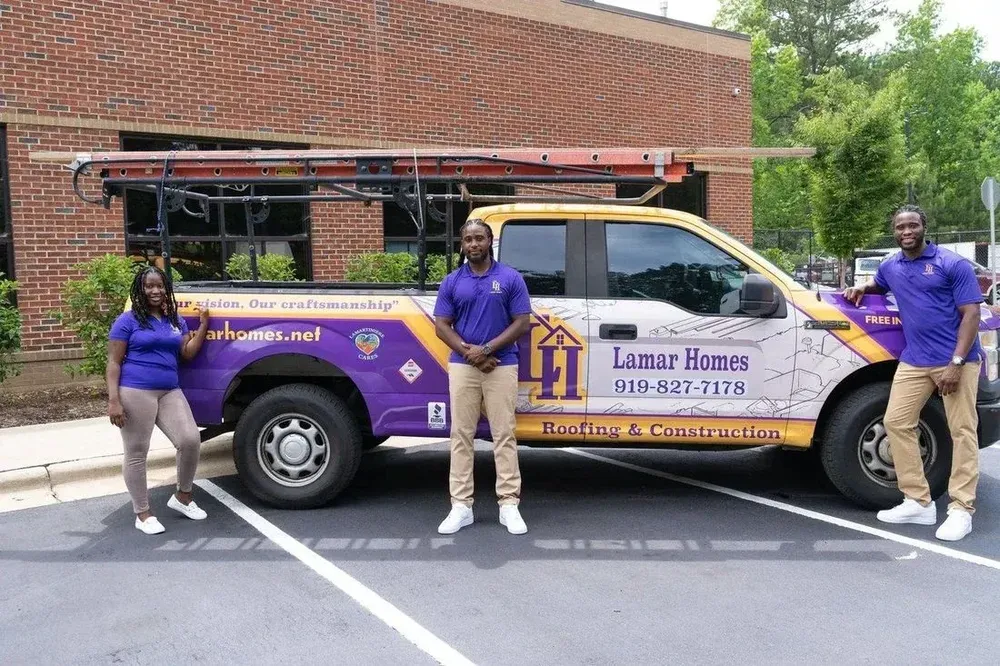
Image: Lamar Homes Roofing
Why We're Inspired
David Lamartiniere's entrepreneurial streak showed up early — he was selling candy at a flea market at age 12, growing up around entrepreneur parents. As an adult he built a six-figure career selling Lexus automobiles, the kind of comfortable job most people hold onto. On May 12, 2020, in the middle of a pandemic, he quit it.
He moved back home to Raleigh, slept on the couch, and started a roofing company with his brother James. The bet paid off fast: by David's account, Lamar Homes did a million dollars in revenue in its first year. Six years in, the brothers have built a duplex from the ground up, and David has retired his mother.
Their company, Lamar Homes Roofing & Construction, is family-owned and operated, GAF Certified, and has piled up more than 150 five-star Google reviews across the Triangle, handling everything from storm-damage insurance claims to full roof replacements.
The Story
Lamartiniere uses the company's platform to give back locally: Lamar Homes runs an annual book bag drive — about 1,000 book bags this year — a Pink Out drive for breast cancer awareness, and a turkey drive. He also speaks openly about why skilled trades like roofing need more young people, and more Black owners.
His stated next chapter is new construction and affordable housing, and his long-term dream is to one day build a school and a church in Haiti.
Sources
Down To Business Podcast (YouTube) — “He Quit Selling Lexus, Slept on the Couch and Made $1M His First Year in Roofing”
Lamar Homes Roofing — company website (David and James Lamartiniere, President and Vice President)
More from Bourgeois Society: Black Men: Builders & Owners · Brian Brooks · Eddie Hall III
Questions & Answers
What are the biggest challenges Black business owners face?
No cameras, no endorsement deals — just payrolls. Fifteen owners whose companies move freight, pour concrete, serve food and keep America running. On this page you will meet Amari Ruff, André Rice, Billy Vickers and 12 more.
Who is André Rice?
Founder and President, Muller & Monroe Asset Management (M²) — Chicago, IL. André Rice built his foundation the rigorous way. An accounting graduate of South Carolina State University (1978) with an MBA from the University of Chicago Booth School of Business (1980), he audited at Peat, Marwick, Mitchell and Company, spent 1980 to 1985 in securities sales at Goldman Sachs, and then worked in mergers and…
Who is Eddie Hall III?
Chief Operating Officer, Hall Automotive Group — Royal Oak, MI. We're inspired because Eddie Hall III treats a family business as a trust, not an inheritance. He keeps showing up the way he did as a kid on those dealership weekends — and he spends his own time opening the industry's doors for the dealers coming up behind him, leading the NextGen dealer organization and volunteering with Michigan…
Why is ownership the key to long-term wealth?
No cameras, no endorsement deals — just payrolls. Fifteen owners whose companies move freight, pour concrete, serve food and keep America running. The people on this page — Amari Ruff, André Rice, Billy Vickers, Brian Brooks — each answer it in their own way.