
Photograph: Splitshire
Black Men: The Builders — The Empires Behind Bob Johnson, Freddie Figgers, John W. Rogers Jr. and C. David Moody
A $500 loan built BET. A broken thrift-store computer built a telecom company. These fifteen men did not wait for a seat at the table — they built the table.
Produced and Edited by the Bourgeois Society Staff
The builders on this list span a century of Black enterprise: media, telecom, finance, construction and funeral service — including family firms that have served their cities since before integration. Some inherited a trade and multiplied it. Some started with a loan, a toolbox or a two-day-old baby's second chance.
All of them employ people at a scale that changes zip codes.
The honorees on this list were selected based on several factors: the size of the obstacle they had to climb, what they actually built with their own hands, the weight of what they give back, and whether their story makes you want to get up and build something yourself.
Every profile below is fact-checked, and every source is linked, so you can read the receipts yourself.
Founder, BET & RLJ Companies — Washington, D.C. / Bethesda, MD
Official links: Website
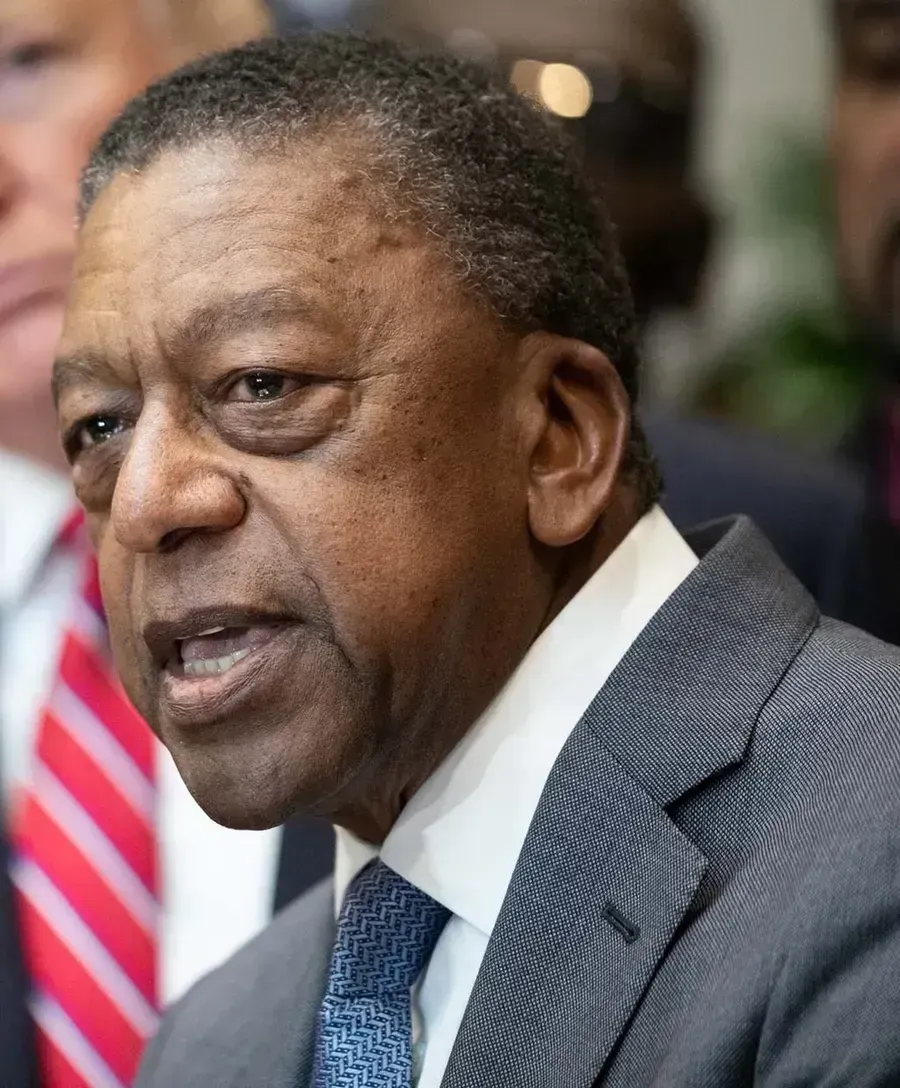
Image: Shealah Craighead / White House, via BlackPast (Wikimedia Commons origin)
Why We're Inspired
Robert Louis Johnson was born in Hickory, Mississippi, in 1946, the ninth of ten children, and grew up in Freeport, Illinois, after his family moved north.
He was the first of his siblings to attend college, earning a degree from the University of Illinois in 1968 and a master's in public affairs from Princeton in 1972, then building connections in Washington through the Corporation for Public Broadcasting, the National Urban League and the cable industry.
Working as a cable lobbyist, he saw an audience nobody was serving. He borrowed $15,000, left his job in 1979 and launched Black Entertainment Television in January 1980 — at first just two hours a week.
BET became the first Black-controlled company listed on the New York Stock Exchange in 1991, and in 2001 he sold it to Viacom for about $3 billion, becoming the first Black American billionaire.
"Wealth transfer is what’s needed"
The Story
Johnson did not stop at BET. He founded the RLJ Companies, a holding company spanning hotels, private equity, finance, real estate and entertainment, and in 2002 became the first Black majority owner of a major U.S. sports franchise, the Charlotte Bobcats, later selling his stake to Michael Jordan.
He created the Liberia Enterprise Development Fund with a $30 million investment to lend to Liberian entrepreneurs, and in 2020 he used his national platform to call for $14 trillion in reparations, arguing that direct wealth transfer is how America closes a racial wealth gap built over centuries.
Sources
BlackPast — “Robert Louis Johnson (1946- )”
Britannica Money — “Robert L. Johnson | Biography, BET, & Facts”
Face2Face Africa — “‘Now is the time’ - BET founder Robert Johnson wants U.S. to pay $14 trillion in slavery reparations”
More from Bourgeois Society: Black Men: Builders & Owners · Ronald E. Hall Jr. · Freddie Figgers
Founder & CEO, Figgers Communications — Florida
Official links: Website · Instagram · X
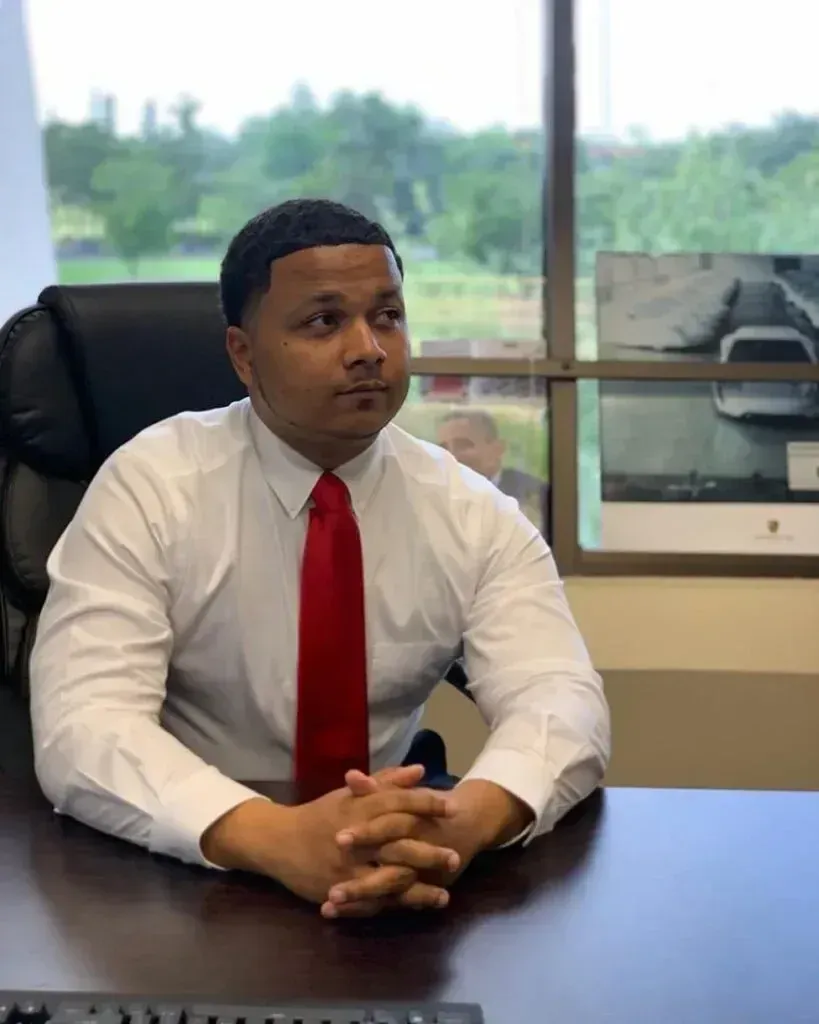
Image: Freddie Figgers, CC BY 4.0, via Wikimedia Commons (as credited by CS4FN / Queen Mary University of London)
Why We're Inspired
Freddie Figgers was abandoned at birth beside a dumpster in Florida and adopted at two days old by Nathan and Betty Mae Figgers, an older couple in Quincy who raised him as their own.
Bullied as a child and called names for how his life began, he found his best friend in a broken Macintosh his father bought from Goodwill when he was nine — he took it apart again and again until it worked. By twelve he was repairing computers at school and at city hall.
When his father developed Alzheimer's and began to wander, teenage Freddie built a GPS tracker with a two-way communicator into his father's shoe, later selling the rights for $2.2 million in January 2014, the month his father died.
At 21 he received his FCC license, the youngest telecom operator in the United States, and built Figgers Communications into the nation's only Black-owned telecommunications company.
"Technology was my passion – innovating, creating something new, and helping others. And every product that we’ve built to date has made an impact on people’s lives."
The Story
For this Black Excellence portrait, the through-line is purpose: Figgers says every product his company has built was meant to make an impact on people's lives, from rural broadband and affordable phones to a networked glucose meter inspired by a family loss to diabetes.
Through the Figgers Foundation he supports disadvantaged children and families and funds education and healthcare projects, including scholarships for graduating seniors. The boy who was told he was thrown away now tells young people, in effect, that where you start is not where you finish — and he has built a company, and a foundation, to prove it.
Sources
Wikipedia / BBC News — “Freddie Figgers” (sourced to BBC, “The millionaire tech inventor who was ‘thrown away’ as a baby”)
Black Enterprise — “CEO of $62 Million Company was Abandoned in a Dumpster as a Baby”
Economic Club of Florida — “2022 August Freddie Figgers”
More from Bourgeois Society: Black Men: Builders & Owners · Bob Johnson · John W. Rogers Jr.
Founder, Chairman & Co-CEO, Ariel Investments — Chicago, IL
Official links: Website
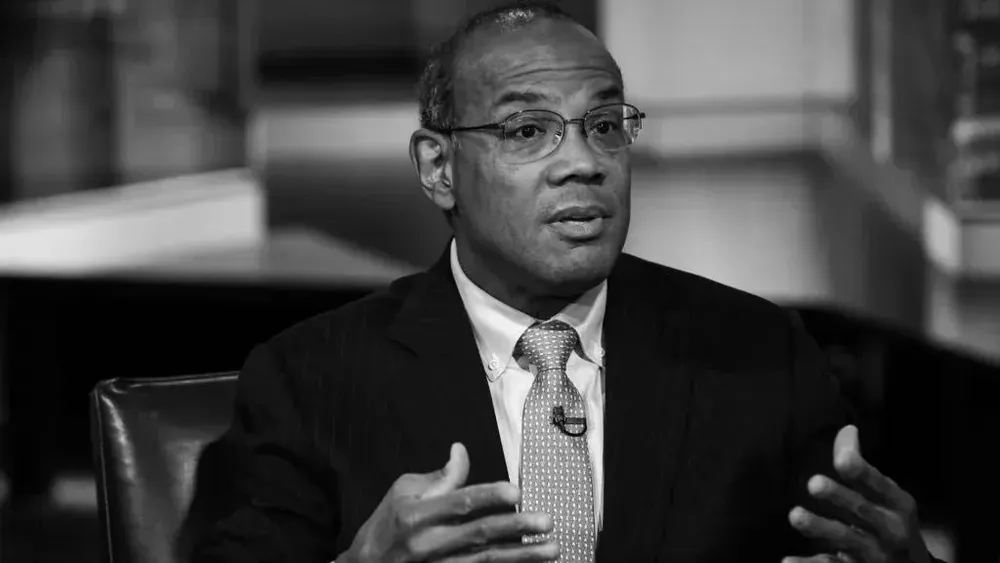
Image: Ariel Investments
Why We're Inspired
John W. Rogers Jr. comes from barrier-breakers: his father was a Tuskegee Airman who became a Cook County judge, and his mother, Jewel Stradford Lafontant, was the first Black woman to graduate from the University of Chicago Law School, in 1946.
From age twelve, his father gave him stocks instead of toys for birthdays and Christmas — envelopes of blue-chip shares whose dividend checks taught him patience.
He captained Princeton's basketball team, worked as a stockbroker at William Blair, and three years out of Princeton, at just 24, founded Ariel Investments in Chicago in 1983 with money raised from family and friends.
Ariel became the first Black-owned mutual fund company in the country, built on a tortoise's philosophy — slow and steady, active patience — that still defines the firm today.
"I made the leap because I had an investment strategy and philosophy that I really believed in and that I thought would make money for my clients"
The Story
Rogers now serves as Ariel's chairman and co-CEO alongside Mellody Hobson, and the firm manages roughly $15–16 billion. In 2023 Ariel Alternatives closed Project Black at $1.45 billion, one of the largest first-time private-equity funds ever, to build minority-owned businesses of scale that can supply the Fortune 500.
Rogers serves on the boards of McDonald's, Nike and the New York Times Company and on the Barack Obama Foundation board, and he spends personal time mentoring young people in finance — arguing, in John Lewis's spirit, that leaders in boardrooms have to speak up and make good trouble if anything is going to change.
Sources
Black Enterprise — “Slow, Steady, & Progressive: Investment Icon John W. Rogers Jr Develops First Black-Owned Mutual Fund”
University of Chicago News — “John W. Rogers Jr. discusses the importance of socially responsible business practices”
Princeton University (Thrive) — “John W. Rogers Jr. ’80”
More from Bourgeois Society: Black Men: Builders & Owners · Freddie Figgers · C. David Moody
President and CEO, SHRM (Society for Human Resource Management) — Alexandria, VA
Official links: Website · LinkedIn
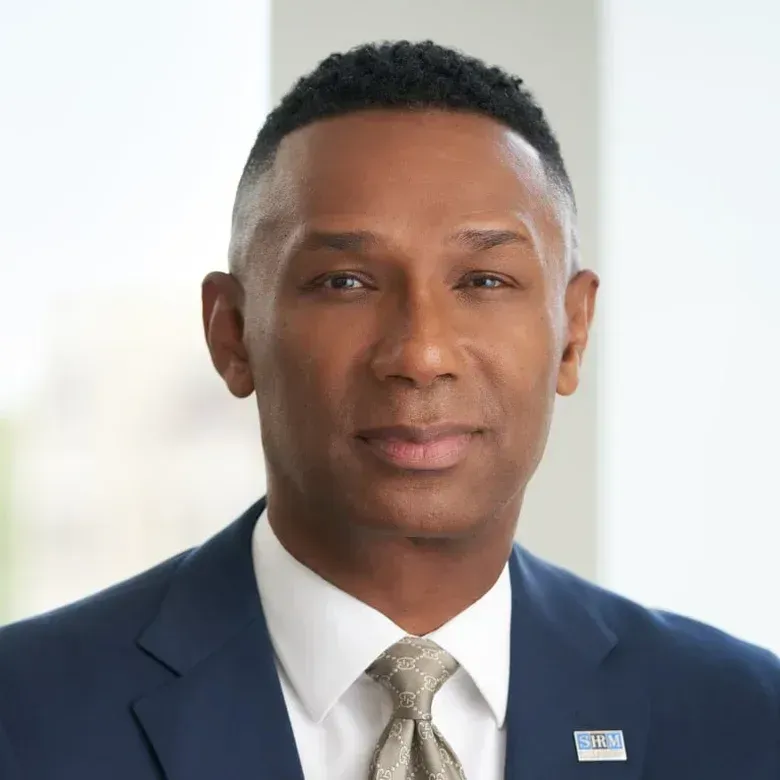
Image: SHRM
Why We’re Inspired
Johnny C. Taylor Jr. runs the largest human-resources professional association on earth. As President and CEO of SHRM since 2017, he leads nearly 340,000 members in 180 countries — a community whose daily work touches more than 362 million workers and their families.
He came to the corner office through the law: a bachelor's degree from the University of Miami and both a master's and a law degree from Drake University, licensed to practise in Florida, Illinois and Washington, D.C., and elected a Fellow of the National Academy of Human Resources.
Across more than twenty years he held senior and chief-executive roles at IAC/InteractiveCorp, Viacom's Paramount Pictures, Blockbuster Entertainment Group, the McGuireWoods law firm and Compass Group USA — learning the workplace from both sides of the negotiating table.
Before SHRM, he was President and CEO of the Thurgood Marshall College Fund, the organization that represents the nation's 47 publicly supported historically Black colleges and universities, where he raised its visibility and revenue and expanded scholarships and advocacy.
"Make constant reset your friend."
The Story
His book RESET: A Leader's Guide to Work in an Age of Upheaval, published in September 2021, became a national bestseller — landing in the top three of The Wall Street Journal's hardcover business list on release — and he gave every dollar of his author proceeds to the SHRM Foundation. His weekly USA Today column answers working people's questions about bosses, burnout and getting ahead.
Washington keeps calling: he chaired the President's Advisory Board on Historically Black Colleges and Universities, served on the White House American Workforce Policy Advisory Board, and is frequently asked to testify before Congress on workforce issues. He sits on the corporate boards of XPO, Flores HR and Guild Education, is a trustee of the University of Miami and a governor of the American Red Cross. The Academy of Management named him its Distinguished Executive of the Year in 2020, and CEO Update named him Professional Society CEO of the Year in 2021.
Sources
SHRM — "Johnny C. Taylor, Jr." (official biography)
U.S. Equal Employment Opportunity Commission — "Johnny C. Taylor" (bio)
Wikipedia — "Johnny C. Taylor Jr."
More from Bourgeois Society: Black Men: Builders & Owners · John W. Rogers Jr. · C. David Moody
Founder, President & CEO, C.D. Moody Construction — Lithonia / Atlanta, GA
Official links: Website · Instagram
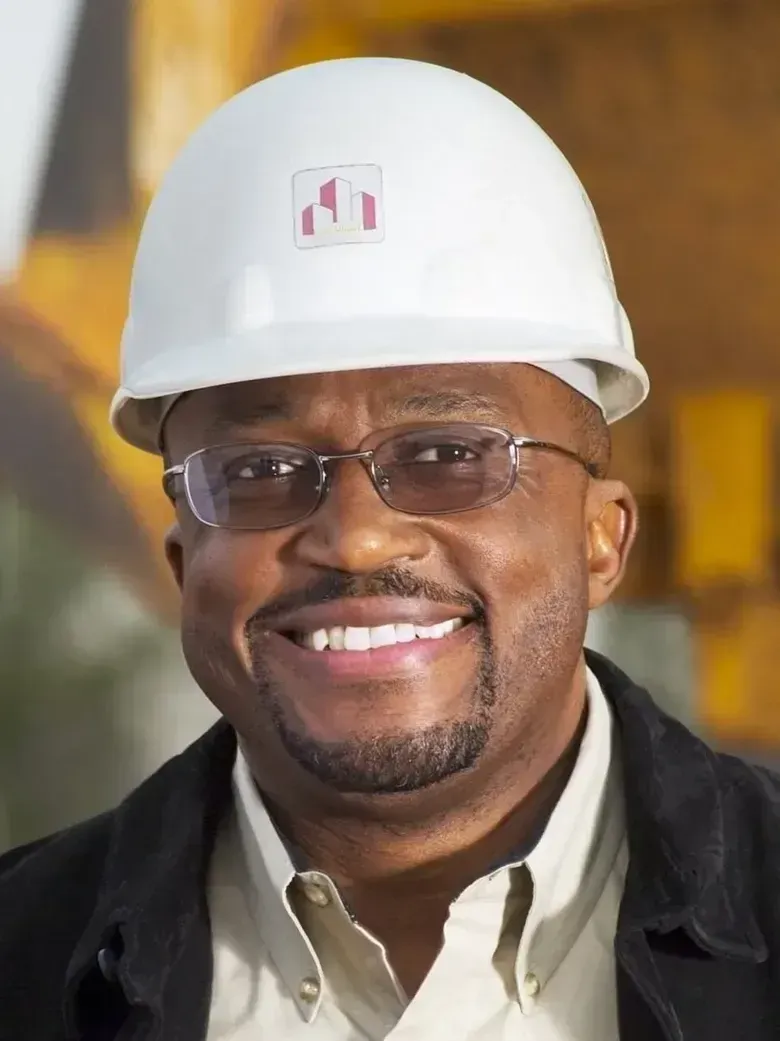
Image: C.D. Moody Construction
Why We're Inspired
Charles David Moody Jr. grew up in Chicago, moved to Ann Arbor at fourteen, and came south on a Morehouse football scholarship before earning an architecture degree at Howard.
In 1988, with a young family, debts, and what he calls nothing to lose, he and his wife Karla started C.D. Moody Construction from their bedroom — their first office — beginning with a single $88,000 contract.
Behind the early success sat a pain he carried in silence: childhood sexual abuse whose memories broke through in 1992, four years into the business, in a complete emotional breakdown. With his wife, his faith and therapy, he healed out loud, and kept building.
The firm he started broke has completed more than 200 commercial projects worth billions — stadiums, airport terminals, museums — and stands among the largest Black-owned construction companies in America.
"But ALI helped me realize that one person could really make a difference in the world."
The Story
Moody turned his private healing into public work. He wrote Fighting Through The Fear: My Journey of Healing From Childhood Sexual Abuse, speaks openly so other survivors know they are not alone, and founded MoodySpeaks for survivors to tell their stories.
The C.D. Moody Foundation has awarded more than 80 scholarships, he mentors Atlanta children on financial literacy and hard work, serves on the Morehouse College Board of Trustees, and completed a Harvard Advanced Leadership Initiative fellowship in 2015. His measure of success is disarmingly simple: in more than three decades, he says, the firm never missed a payroll.
Sources
AfroTech — “Black-Owned Construction Company Goes From Debt to Being Worth Billions”
Harvard Advanced Leadership Initiative — “Blazing a Trail from Trauma to Triumph”
Shoppe Black — “Meet David Moody, Owner of a Construction Company That Has Done $3 Billion in Deals”
More from Bourgeois Society: Black Men: Builders & Owners · John W. Rogers Jr. · Mamon Powers Jr.
Chairman & CEO, Powers & Sons Construction — Gary, IN
Official links: Website
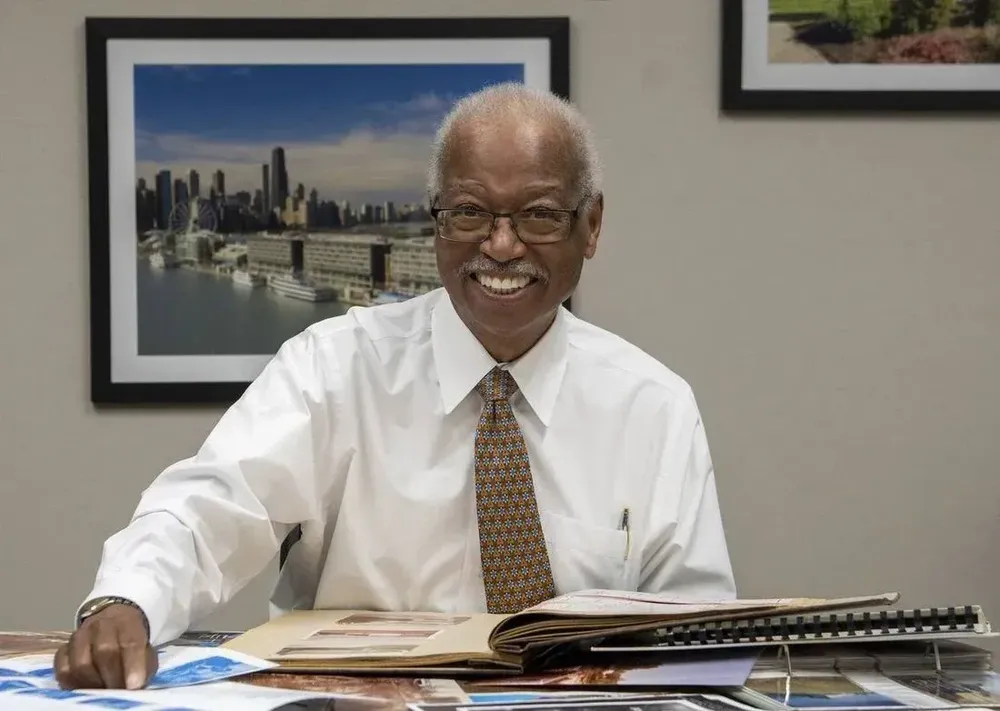
Image: Andy Lavalley / Chicago Tribune, via Lakeside Alliance
Why We're Inspired
Mamon Powers Jr. learned construction at his father's side — laying out a garage foundation with the Pythagorean theorem as a teenager, running his own carpentry crew by fifteen.
His father, Mamon Powers Sr., had come north in the Great Migration, been shut out of Gary's steel-mill union by racial barriers, and founded Powers & Sons in Gary in 1967, becoming one of the city's first Black union contractors.
The son earned a civil engineering degree from Purdue in 1970 and took the family firm from homebuilding into commercial, industrial and institutional work across Gary, Chicago and Indianapolis. But he chafed at a system that expected Black contractors to bid against each other for subcontractor scraps.
His answer, decades later, would change who leads: Black firms first, choosing their own majority partner.
"I grew tired of the expectation that Black contractors could only serve as subcontractors, period."
The Story
That answer became Lakeside Alliance.
Powers conceived the idea while Barack Obama was still president: four Black-owned firms — Powers & Sons, Brown & Momen, UJAMAA and Safeway — came together first, then selected Turner Construction to join them, and won the job of building the Obama Presidential Center on Chicago's South Side, with a mission to build wealth and careers in underinvested communities.
His family's philosophy, handed down from his grandmother, is ‘lift as you climb.’ In 2026 Powers & Sons announced he had received the Legend Award at the Leaders & Legends Gala of Black Contractors Owners & Executives — a second-generation builder honored for opening doors.
Sources
Lakeside Alliance — “Mamon Powers Jr. Reflects on the Journey to Lakeside Alliance”
Black Enterprise — “Black Construction Company Projects $70 Million Revenue Boost from Obama Presidential Center Project”
Lakeside Alliance / Chicago Tribune — “Obama Presidential Center makes progress in building talent pipeline from South and West Side, report shows”
More from Bourgeois Society: Black Men: Builders & Owners · C. David Moody · T. Dallas Smith
Founder & CEO, T. Dallas Smith & Company — Atlanta, GA
Official links: Website · LinkedIn
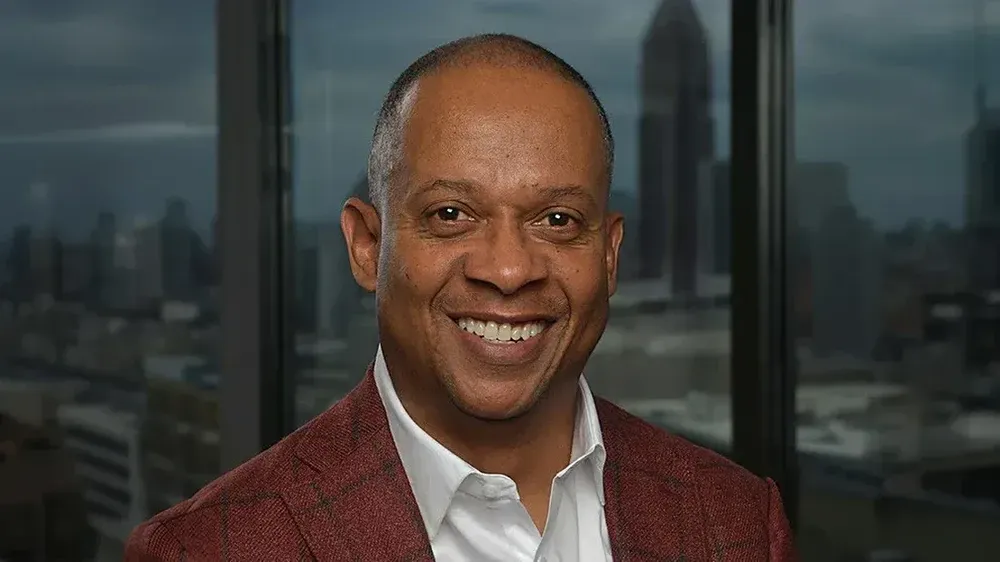
Image: Georgia Power
Why We're Inspired
We're inspired because T. Dallas Smith treated a magazine list as a syllabus. A teenager with index cards reverse-engineered how wealth is built, picked his lane, and then spent a career holding the door for the brokers behind him — he is known for being intentional about cultivating diverse talent in an industry that had almost none at the table.
"So I literally just backed into commercial real estate."
The Story
At 19, when the first Forbes 400 list appeared, Smith wrote every name on it onto index cards — name, business, net worth — and studied them until a pattern emerged: the richest people in America built their fortunes in investments, oil, technology or real estate.
He chose real estate because it let him stay in Atlanta, and commercial work because it spared him weekends showing houses.
He became the first African American broker at Cushman & Wakefield of Georgia, pioneered the brokerage division of H.J. Russell & Company, then founded T. Dallas Smith & Company — today the largest African American-owned pure tenant-representation firm in the country, with team transactions exceeding $16 billion, more than 8 million square feet represented and over 5,000 acres of land acquisitions.
He serves on the Georgia Power board of directors and is a Junior Achievement of Georgia Business Hall of Fame inductee.
Sources
T. Dallas Smith & Company — founder biography
Nasdaq / Georgia Power — “T. Dallas Smith Named to Georgia Power Board of Directors”
KUT/KUTX “In Black America” — T. Dallas Smith interview transcript
More from Bourgeois Society: Black Men: Builders & Owners · Mamon Powers Jr. · Dorian Boyland
Founder & CEO, Boyland Auto Group — Orlando, FL
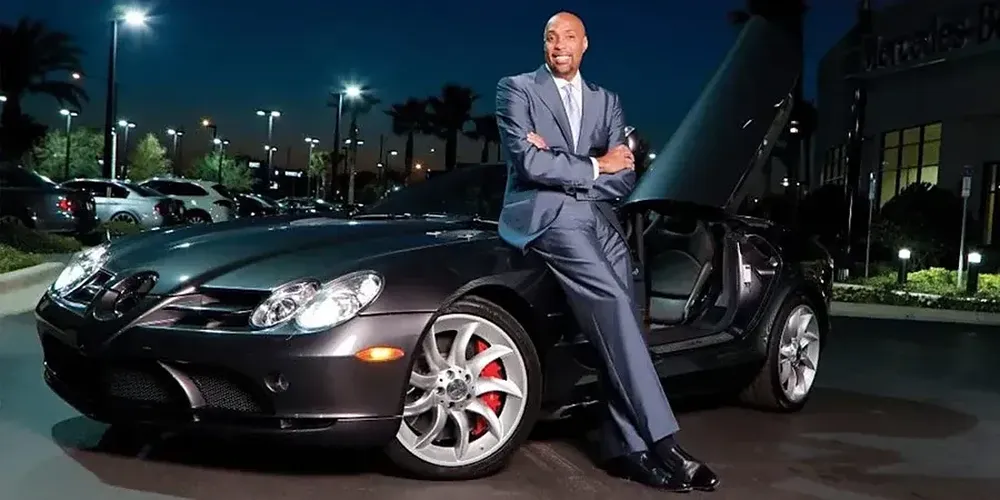
Image: National Business Brokers
Why We're Inspired
Dorian ‘Doe’ Boyland's first career ended quietly: a second-round draft pick of the Pittsburgh Pirates in 1976, he played 21 major-league games before retiring from baseball in 1982. He had a systems-analyst job at Intel waiting — until a Portland dealer offered him sixty days on a sales floor.
They handed him a pen and told him he was a salesman. He loved it from day one, he says, because it was like sports: every customer a new pitcher. Within eighteen months he was offered a partnership through a minority dealer program, and in 1985 he founded what became Boyland Auto Group.
At its peak he owned and operated 22 dealerships across six states, running the business on analytics and one hard rule — profit on every sale, a minimum 4 percent net — that carried the group to nearly $654 million in revenue in 2018.
"Don’t tell me about your revenue, tell me about your profit. That’s what business is about"
The Story
Boyland's second act made him one of the largest Black auto dealers in America — Black Enterprise ranked Boyland Auto Group the third-largest Black-owned dealership group in the country in 2018, anchored by Mercedes-Benz of South Orlando.
He counts a different number as his biggest accomplishment: over thirty years, he figures he has provided opportunities for ten minorities to become dealership owners or general managers within his company. His verdict on the industry's gatekeeping is blunt — minority dealers cannot wait on manufacturers to create Black-owned dealerships; ‘we have to do it ourselves.’
He received an honorary doctorate from his alma mater, the University of Wisconsin–Oshkosh, in 2019.
Sources
Face2Face Africa — “Starting out as a salesman, MLB first baseman Dorian Boyland has built a $650 million auto dealership”
Black Enterprise — “Former Pittsburgh Pirates First Baseman Owns the Third Largest Black-Owned Car Dealership”
More from Bourgeois Society: Black Men: Builders & Owners · T. Dallas Smith · John A. James
Founder & Chairman, James Group International — Detroit, MI
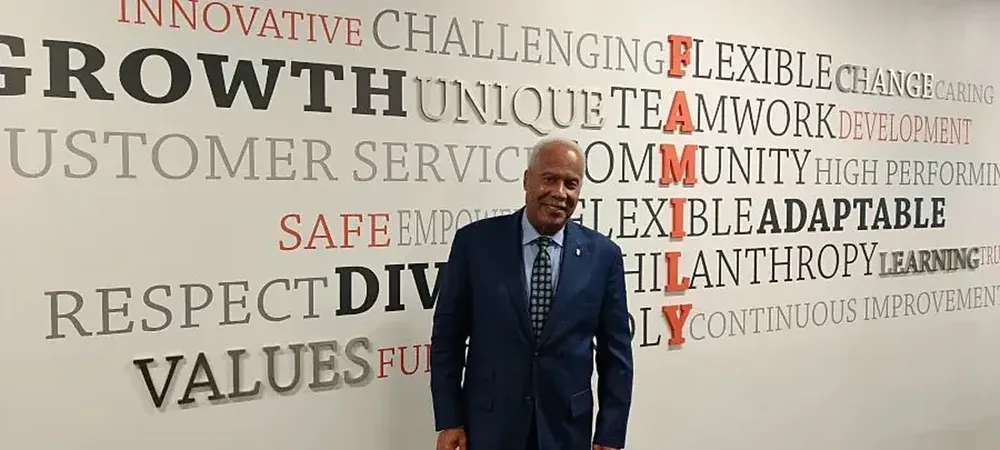
Image: MotorCities National Heritage Area
Why We're Inspired
John A. James was born in Starkville, Mississippi, the middle of nine children, in a hometown whose university did not admit Black students until 1965. He served as an Army Corps of Engineers officer in Vietnam and was decorated with the Bronze Star.
Back home in Detroit, he set out to haul freight in an industry whose federal rules, dating to 1935, had effectively locked Black truckers out.
In 1971 he co-founded O-J Transport with Calvin Outlaw and fought for operating authority all the way to the U.S. Supreme Court, becoming the first African American granted broad trucking authority nationally since federal regulation began — and, in the process, easing the burden for every minority operator who followed.
The ventures he started that year grew into James Group International, a global supply-chain and logistics family business headquartered in Detroit.
The Story
James built the company as a family enterprise — his children Lorron and John E. James later led it, and his daughter Keri runs the John A. James Foundation — and he made a habit of sharing his hard-won knowledge with other minority entrepreneurs trying to enter a highly competitive business.
James Group's own account of his legacy stresses engagement in underserved communities, supporting families, disadvantaged youth and minority-, women- and veteran-owned businesses. In September 2024, the industry he had to sue his way into gave him its highest honour: induction into the Automotive Hall of Fame.
Sources
MotorCities National Heritage Area — “EXTRA: John A. James: A Giant in Transportation & Logistics”
James Group International — “Mr. James Inducted into the Automotive Hall of Fame”
Federal Reserve Bank of Chicago — “John A. James” (bio)
More from Bourgeois Society: Black Men: Builders & Owners · Dorian Boyland · Larry Brinker Jr.
Founder, Chairman & CEO, Operation HOPE — Atlanta, GA
Official links: Website · Facebook · Instagram · X
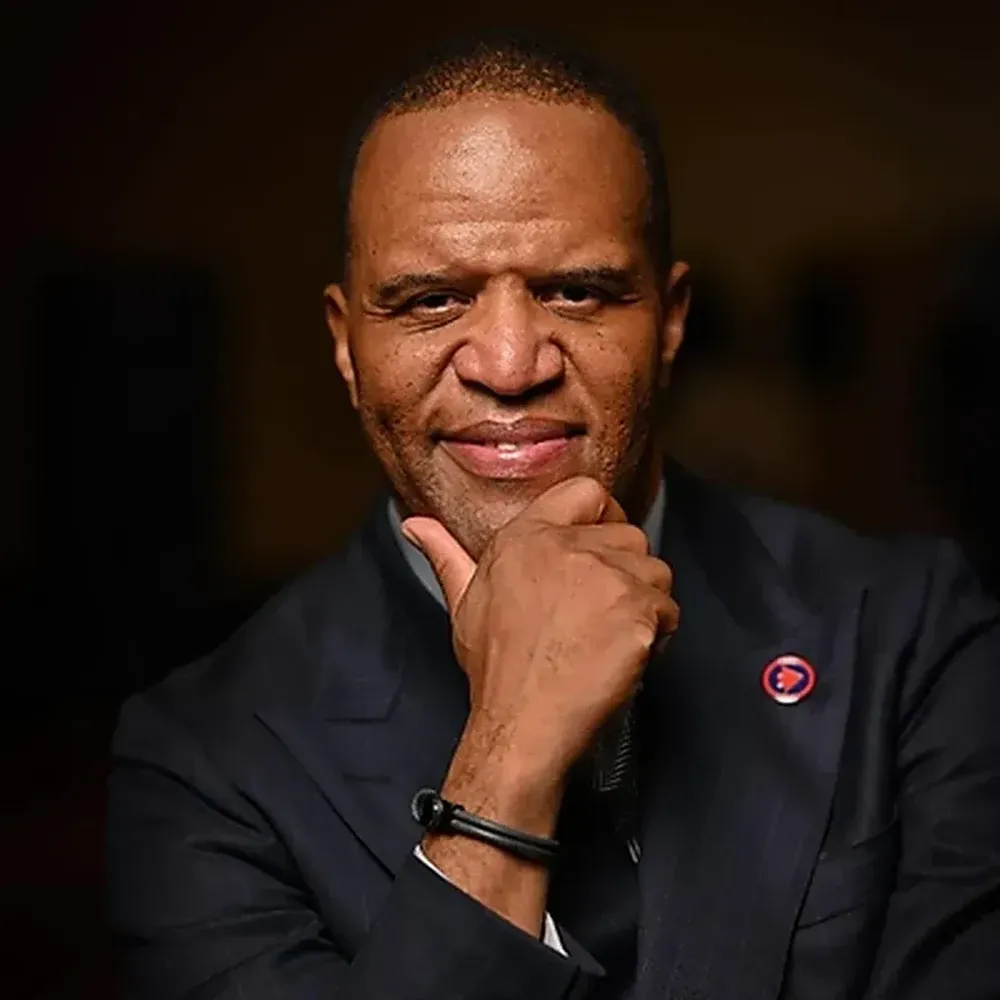
Image: PR Newswire
Why We're Inspired
We're inspired because John Hope Bryant insists dignity is an economic strategy. He has spent three decades proving that the people written off as unbankable are an asset class of builders waiting for a fair first loan — and he puts his own money behind the next generation, including a $100,000 personal commitment to Morehouse College students.
"Persistence and resilience are more powerful than pedigree and raw intelligence."
The Story
Bryant's entrepreneurial journey began at age 10 in Compton, California, when a banker visited his elementary school and he decided on the spot to “get rich legally” by making loans to entrepreneurs. At 26, in the immediate aftermath of the Los Angeles riots, he founded Operation HOPE to bring banking, credit and ownership to the neighborhoods capital had abandoned.
It is now the nation's largest on-the-ground financial literacy and economic empowerment nonprofit, having directed over $4.2 billion in capital into marginalized communities and served over 4 million individuals through hundreds of empowerment centers; he co-chairs the national Financial Literacy for All initiative.
He also founded The Promise Homes Company, the largest for-profit, minority-controlled owner of institutional-quality single-family rental homes in the country, recapitalized with a $200 million credit facility — and has built more than 40 organizations and companies in all.
Sources
Black Enterprise — “John Hope Bryant Is a Champion of Financial Literacy”
Morehouse College News — “John Hope Bryant Receives Candle Award”
Operation HOPE — “John Hope Bryant Recognized in Notable Georgians Listing”
More from Bourgeois Society: Black Men: Builders & Owners · Larry Brinker Jr. · Michael B. Russell Sr.
CEO, H.J. Russell & Company — Atlanta, GA
Official links: Website · LinkedIn
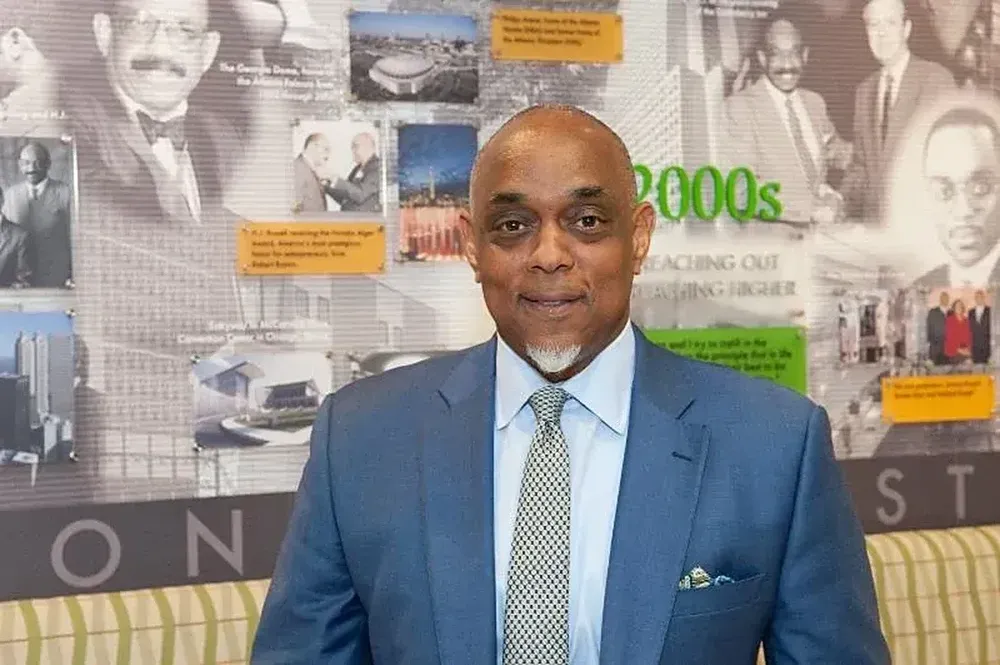
Image: Black Enterprise
Why We're Inspired
Michael B. Russell Sr. is a second-generation builder who earned the corner office the slow way. His father, Herman J. Russell, founded H.J. Russell & Company in Jim Crow Atlanta in 1952 and became one of the city's great Black businessmen, quietly helping to fund the civil-rights movement along the way.
Michael worked for an architecture firm, then spent years inside the family company in roles from cost estimator and project manager to business developer and division vice president, learning every corner of the business before succeeding his father as CEO in 2003.
The firm he inherited helped build modern Atlanta — Mercedes-Benz Stadium, State Farm Arena, the National Museum of African American History and Culture in Washington — and ranks regularly among the nation's largest Black-owned businesses.
"We believe as that market continues to grow, it will be a real accelerant for H.J. Russell in our growth."
The Story
Russell is now steering the firm toward what he calls its ‘North Star’: $1 billion in revenue by late 2029, up from about $300 million today, powered largely by mission-critical work — data centres and other facilities for Fortune 100 clients, a market supercharged by AI.
His family's institution-building extends past construction: the Russell Innovation Center for Entrepreneurs supports Black founders in Atlanta, and a 2025 documentary tells his father's story on screen. Russell frames the company's motto, ‘We Build,’ as building community as much as structures — growing people and giving back wherever the firm works.
Sources
Black Enterprise — “Black-Owned Construction Firm Has North Star Strategy To Hit $1B In Revenue By 2029”
H.J. Russell & Company — “History”
More from Bourgeois Society: Black Men: Builders & Owners · John Hope Bryant · James Reynolds Jr.
Founder, Chairman & CEO, Loop Capital — Chicago, IL
Official links: Website
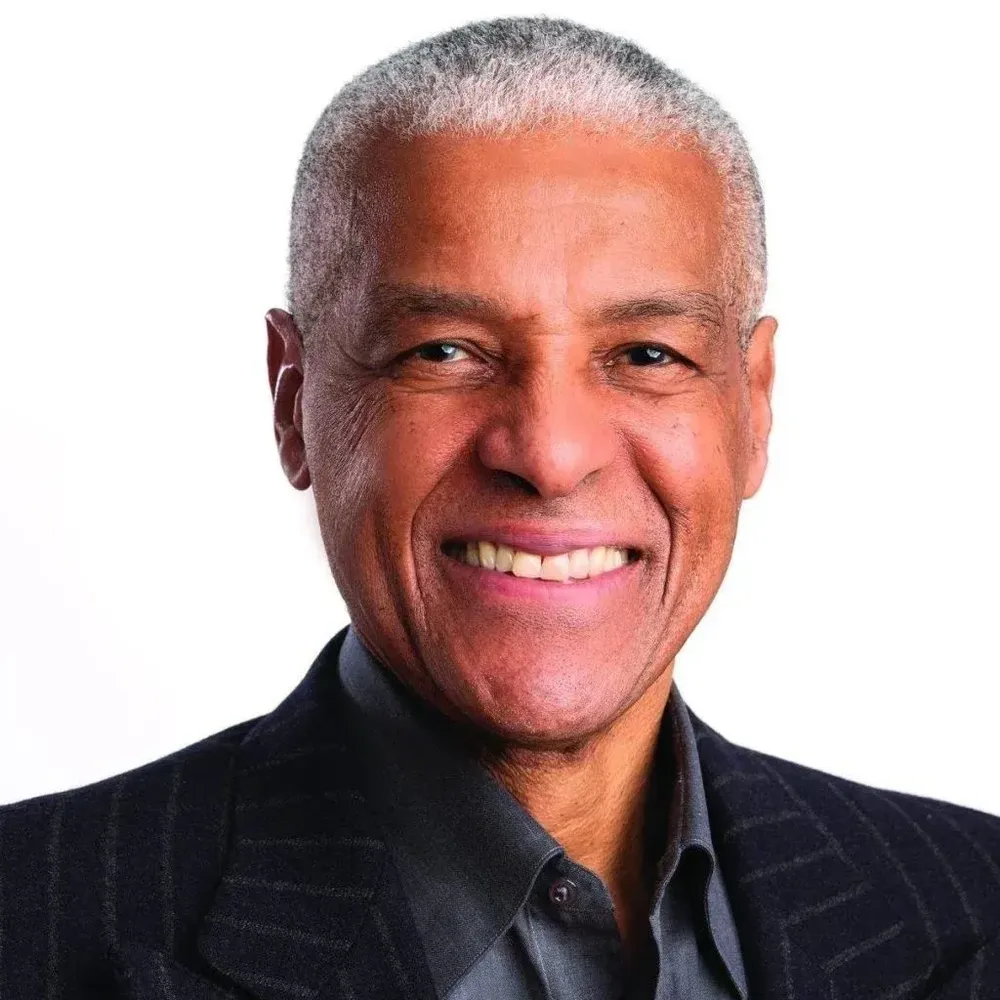
Image: Loop Capital (official firm site)
Why We're Inspired
James ‘Jim’ Reynolds Jr. built his career the Wall Street way — senior roles at Paine Webber, where he established and led the Midwest municipal bond sales desk, and at Merrill Lynch, managing municipal securities distribution — before deciding, in 1997, to build a firm of his own.
The timing was forbidding: Black-owned investment banks were being decimated by Wall Street consolidation, disappearing one after another. Reynolds launched Loop Capital in Chicago as a municipal-bond firm anyway, and then refused to let it stay small.
Over four decades in finance, the Kellogg-trained CFA expanded Loop into a full-service, diversified investment bank — corporate finance, equity and fixed-income trading, public finance, infrastructure and asset management — that Loop itself describes, and the industry recognises, as one of the largest privately held investment banks in the United States.
The Story
Reynolds has turned Loop's scale toward opening doors: the firm co-founded JLC Infrastructure with Magic Johnson Enterprises in 2015 to invest in American infrastructure, and its newest platforms work to move athletes and families from earning to ownership.
His civic footprint matches his firm's — boards including the Chicago Community Trust, World Business Chicago and the Chicago Urban League, a Lincoln Leadership Prize and induction into the Bond Buyer Hall of Fame.
In 2025 Chicago's mayor named him co-chair of the Chicago Financial Future Task Force, the civic body charting the city's long-term fiscal health — the municipal-bond man, asked to help fix the city's own finances.
Sources
Loop Capital — “Loop Capital Asset Management: Investment & Leadership Team” (firm bio of James Reynolds, Jr.)
Northwestern Kellogg School of Management — “Risk and reward” (Brave Leader Series profile)
More from Bourgeois Society: Black Men: Builders & Owners · Michael B. Russell Sr. · Ernest Brown
Founder & President, Brown & Momen, Inc. — Chicago, IL
Official links: Website
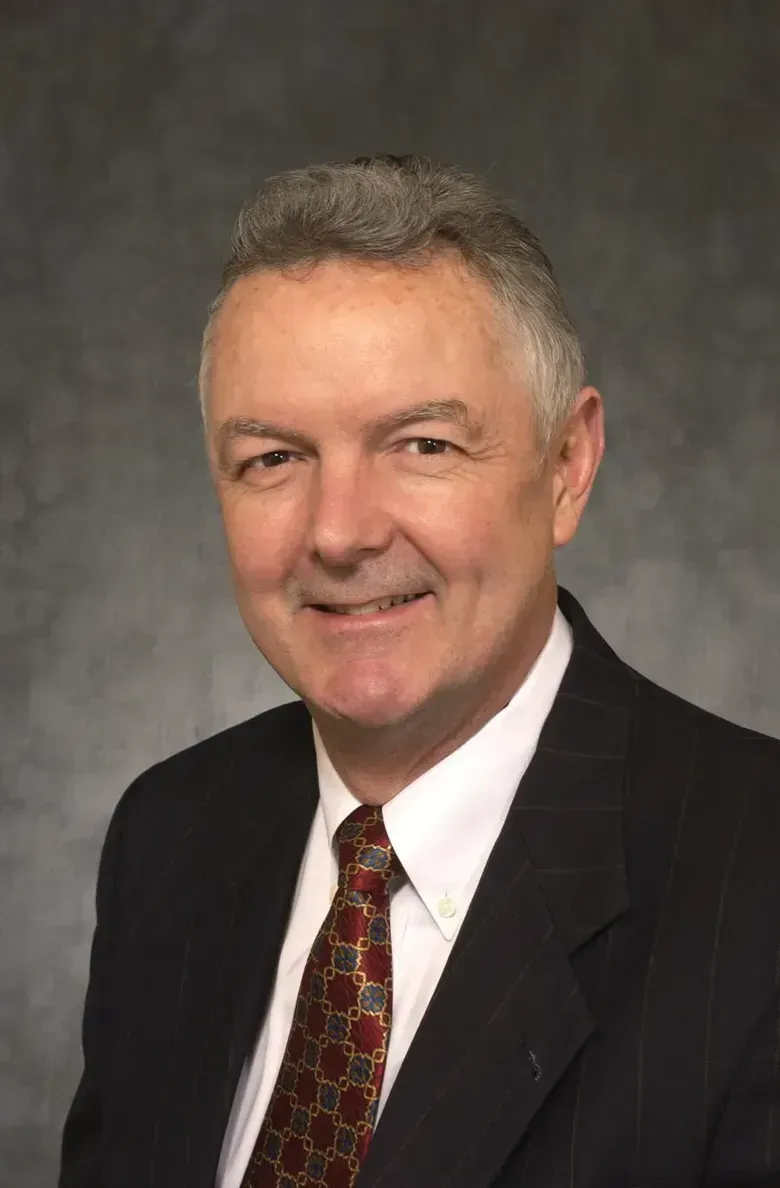
Image: Construction Society
Why We're Inspired
Ernest Brown was a back-of-the-class kid at Chicago's Dunbar Vocational High School, throwing spitballs during Career Day, until the speaker — Kenneth G. Groggs, Illinois' first Black state architect — pointed out the window at his long black Mercedes, and the class sat up.
Groggs hired three Dunbar students as interns that summer, taught them business etiquette and dress, and set Brown on a path through a construction management and architecture degree at the University of Illinois Chicago to a career in scheduling and claims. In 1988 Brown founded Brown & Momen, Inc., a South Side general contractor.
Nearly thirty years later he pooled with rival Black firms he might once have bid against — Powers & Sons, UJAMAA and Safeway — in the Lakeside Alliance, so that together they could lead the construction of the Obama Presidential Center, choosing Turner Construction as their partner rather than waiting to be chosen.
"The world’s eyes are on the Obama Presidential Center project. So, with everything we do, we must do it with a purpose."
The Story
Brown runs his firm the way Groggs ran that Career Day: as a machine for opening doors.
Brown & Momen mentors emerging contractors and, by the roster's account, advances them payroll and materials funds so small firms can actually carry big jobs — and Brown still goes back to Dunbar to do for students what Groggs did for him, showing them a $1.4 million project cheque to prove what a construction career can pay.
As a Lakeside Alliance principal he helped set ambitious goals for diverse-business participation and local workforce hours on the Obama Center, arguing that a project of that significance, watched by the whole world, has to be done with purpose.
Sources
Lakeside Alliance — “Ernest Brown Remembers Architect Kenneth G. Groggs” (his own first-person story)
Obama Foundation — “Obama Foundation Announces Lakeside Alliance as Construction Manager for Obama Presidential Center”
More from Bourgeois Society: Black Men: Builders & Owners · James Reynolds Jr. · Isaac Hayes III
Founder & CEO, Fanbase — Atlanta, GA
Official links: Website · Instagram · X
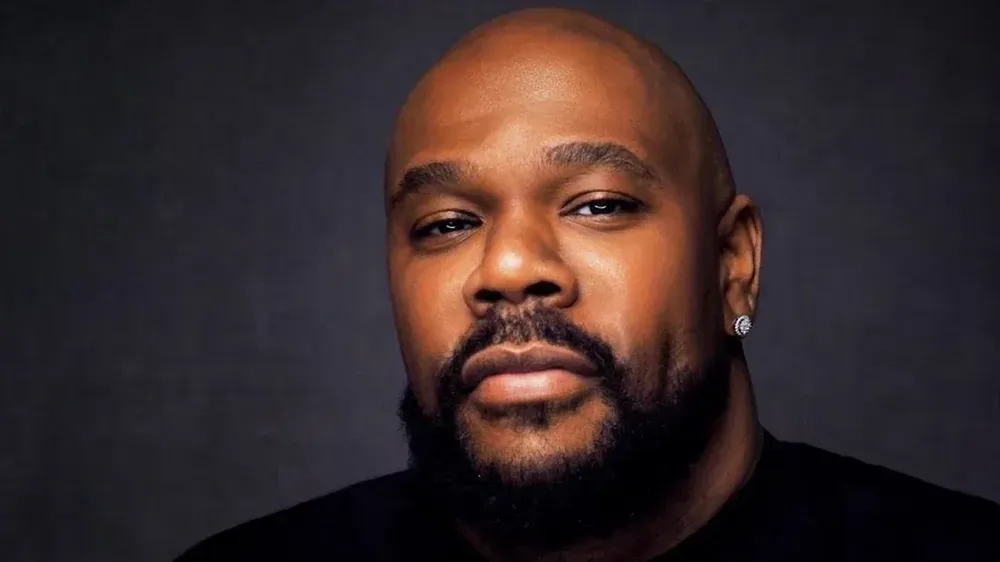
Image: AfroTech
Why We're Inspired
Isaac Hayes III grew up watching what happens when a Black creator doesn't own his work: his father, soul legend Isaac Hayes, lost the rights and royalties to his own Stax-era music, including the Oscar-winning Shaft soundtrack, after the label defaulted in 1976.
The son became a successful producer himself — and then watched a new generation repeat the pattern on social media, building dances, slang and audiences that made platforms rich while creators got ‘exposure.’
In 2019 he founded Fanbase in Atlanta, putting about $200,000 of his own royalty money into building a platform where every user can monetise from day one through subscriptions and virtual ‘loves.’ He deliberately bypassed venture-capital gatekeeping, raising the money instead through equity crowdfunding on StartEngine — directly from the community the platform serves.
"We have a plan, and we’re going to be able to scale and build the business in real time without having to stop and start and stop and start"
The Story
The crowdfunding became the headline: in 2024 Hayes became the first Black man to raise $10 million in a seed round via Regulation Crowdfunding on StartEngine, and by July 2025 Fanbase had crossed $12.7 million in its $17 million campaign, with everyday people able to invest for as little as $3.99.
His pitch is ownership as culture: Black culture, he argues, is the asset — the ‘vibranium’ — and creators should hold equity in the platforms it powers, not give it away for free. He says he always pays the lesson forward, teaching other founders how to raise capital the same way.
Sources
Black Enterprise — “Fanbase Checks Off Crossing Over $12.7M In Crowdfunding”
Atlanta Magazine — “Isaac Hayes III wants to help social media creators monetize their content”
More from Bourgeois Society: Black Men: Builders & Owners · Ernest Brown · Tony Thompson
Founder, Chairman & CEO, Kwame Building Group — St. Louis, MO
Official links: Website
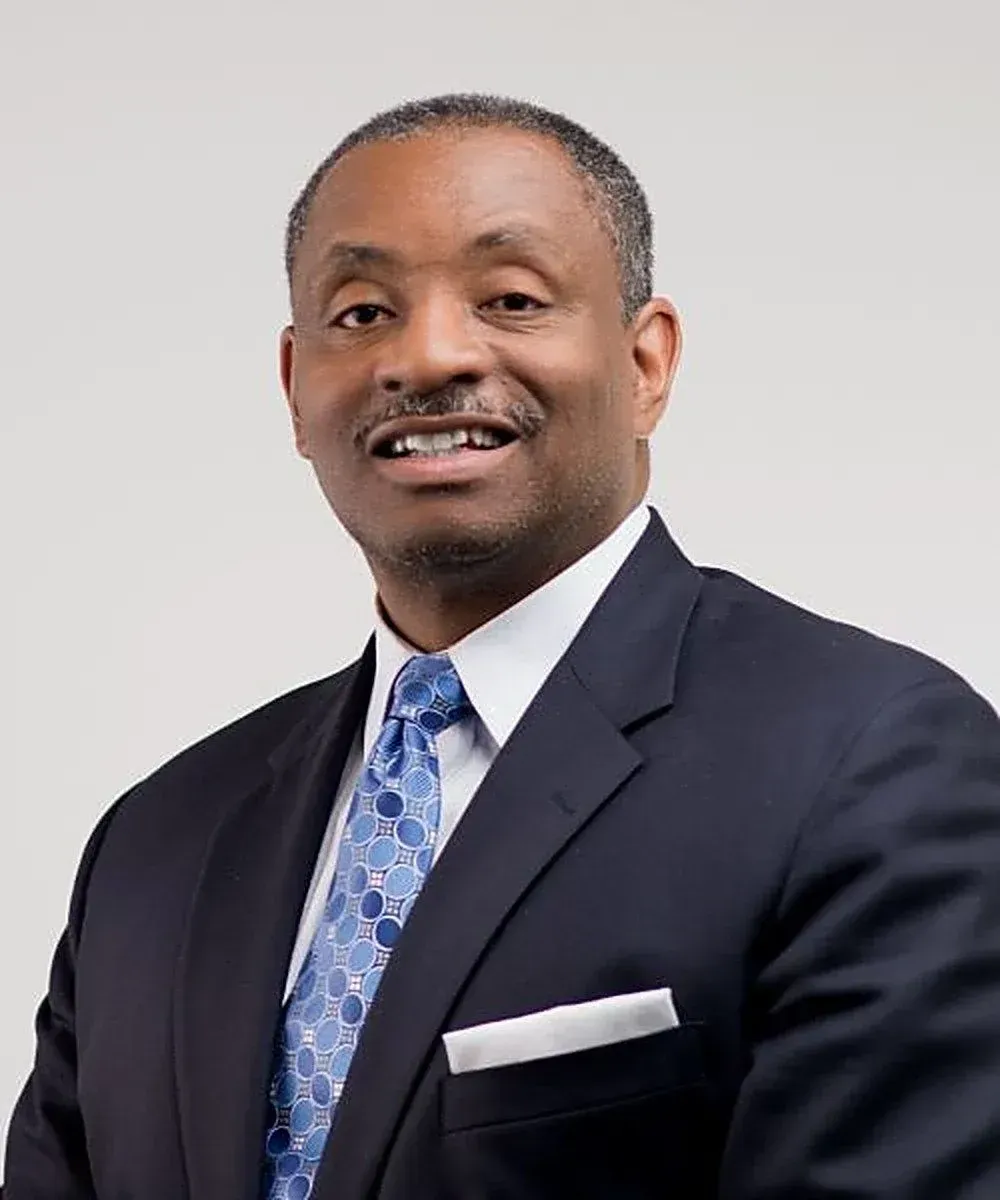
Image: Kwame Building Group
Why We're Inspired
Tony Thompson arrived at entrepreneurship over-credentialed and under-capitalised, the classic combination.
He earned degrees in architectural engineering and environmental design at the University of Kansas, a master's in civil engineering and construction management at Washington University and an MBA in finance at Webster, then worked as an engineer for the U.S. Army Corps of Engineers, Monsanto and Anheuser-Busch before founding Kwame Building Group in St. Louis in 1991.
He built KWAME as a pure construction-management firm — an independent advocate for owners, dedicating 100 percent of its resources to project management — and made it, per the University of Kansas, the first African American ESOP corporation in Missouri, employee-owned by design.
Three decades on, KWAME has completed more than 6,000 projects and manages more than $300 million of work a year, from Lambert International Airport to a $1.8 billion convention-centre addition in Seattle.
"Kwame has survived and thrived by focusing on its strengths and the company’s role in helping clients. Our job is to represent the owner."
The Story
Thompson and his wife Kim founded the Kwame Foundation to create opportunities for youth in underserved communities through mentorship and scholarships — a programme that has presented more than $3 million in endowed scholarships to local universities for first-generation and minority students, alongside a high-school mentoring programme, an annual HBCU bus tour and even a music-studio summer camp.
More than 75 percent of KWAME's own workforce is minority and female professionals. In 2024 he received a Lifetime Achievement Award from the St. Louis Construction Consortium — recognition, as the citation put it, of exceptional standards sustained over three decades.
Sources
REJournals — “St. Louis’ Kwame Building Group marks 30th anniversary”
University of Kansas, Civil, Environmental & Architectural Engineering — “Anthony (Tony) Thompson” (bio)
KAI Design & Build — “St. Louis Construction Consortium Hosts Supplier Diversity Day, Honors KWAME Founder Tony Thompson with Lifetime Achievement Award”
More from Bourgeois Society: Black Men: Builders & Owners · Isaac Hayes III · Amari Ruff
President & CEO, BRINKER Group — Detroit, MI
Official links: Website · LinkedIn · Instagram
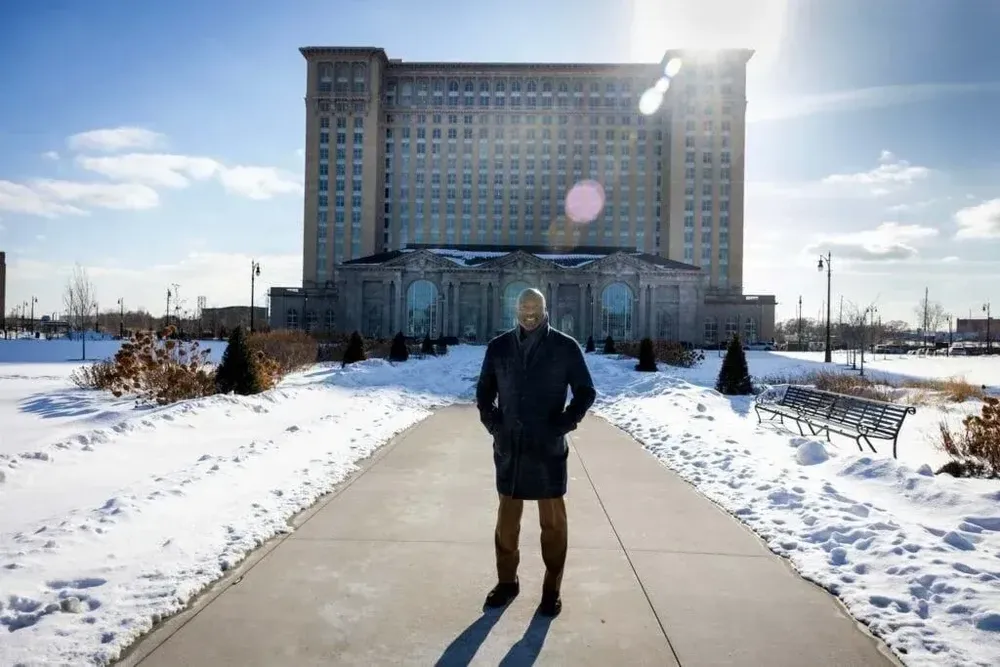
Image: University of Michigan Engineering News (story and photos by Michigan Engineering)
Why We're Inspired
Larry Brinker Jr. grew up on job sites in Pontiac, hauling materials and doing the tasks nobody else wanted, in a blue-collar family whose grandparents had migrated from Tupelo, Mississippi, for factory work. His father, Larry Brinker Sr., a carpenter, founded the family firm in 1989 as a small Pontiac construction business.
The son earned a civil engineering degree at the University of Michigan, then insisted on starting at the bottom of his father's company — project engineer, estimating, field supervision, project management — before taking the top job.
Under his leadership the company grew by about 350 percent, and father and son became, as the roster notes, the first father-son duo each named to Crain's 40 Under 40. Today BRINKER is described by the University of Michigan as the nation's largest Black-owned construction contractor.
"To see them being reimagined and renovated was incredibly meaningful for me and our company"
The Story
Drive through Detroit with Brinker and you pass his life's work: Ford Field, Comerica Park, Little Caesars Arena, the Book Tower, the Motown Museum expansion — by his estimate, BRINKER has had a hand in more than 90 percent of the city's major redevelopment projects, over $4.5 billion of work across 38 years.
The signature job was co-leading the $1 billion restoration of Michigan Central Station, pumping 2.5 million gallons of water from its basement and 3D-printing its lost stone details back to life.
His stated mission runs beyond landmarks: paving the way for smaller diverse firms to stand on their own — and, lately, coming home to build in Pontiac, the city that gave his family its start.
Sources
University of Michigan Engineering News — “Restoring Michigan Central and many other high-profile Detroit landmarks: Larry Brinker Jr.”
Oakland County Blog — “Brinker: Building Where It All Began”
More from Bourgeois Society: Black Men: Builders & Owners · John A. James · John Hope Bryant
Questions & Answers
What are the biggest challenges Black business owners face?
A $500 loan built BET. A broken thrift-store computer built a telecom company. On this page you will meet Bob Johnson, Freddie Figgers, John W. Rogers Jr. and 12 more.
Who is Bob Johnson?
Founder, BET & RLJ Companies — Washington, D.C. / Bethesda, MD. Robert Louis Johnson was born in Hickory, Mississippi, in 1946, the ninth of ten children, and grew up in Freeport, Illinois, after his family moved north.
Who is C. David Moody?
Founder, President & CEO, C.D. Moody Construction — Lithonia / Atlanta, GA. Charles David Moody Jr. grew up in Chicago, moved to Ann Arbor at fourteen, and came south on a Morehouse football scholarship before earning an architecture degree at Howard.
Why is ownership the key to long-term wealth?
A $500 loan built BET. A broken thrift-store computer built a telecom company. The people on this page — Bob Johnson, Freddie Figgers, John W. Rogers Jr., C. David Moody — each answer it in their own way.