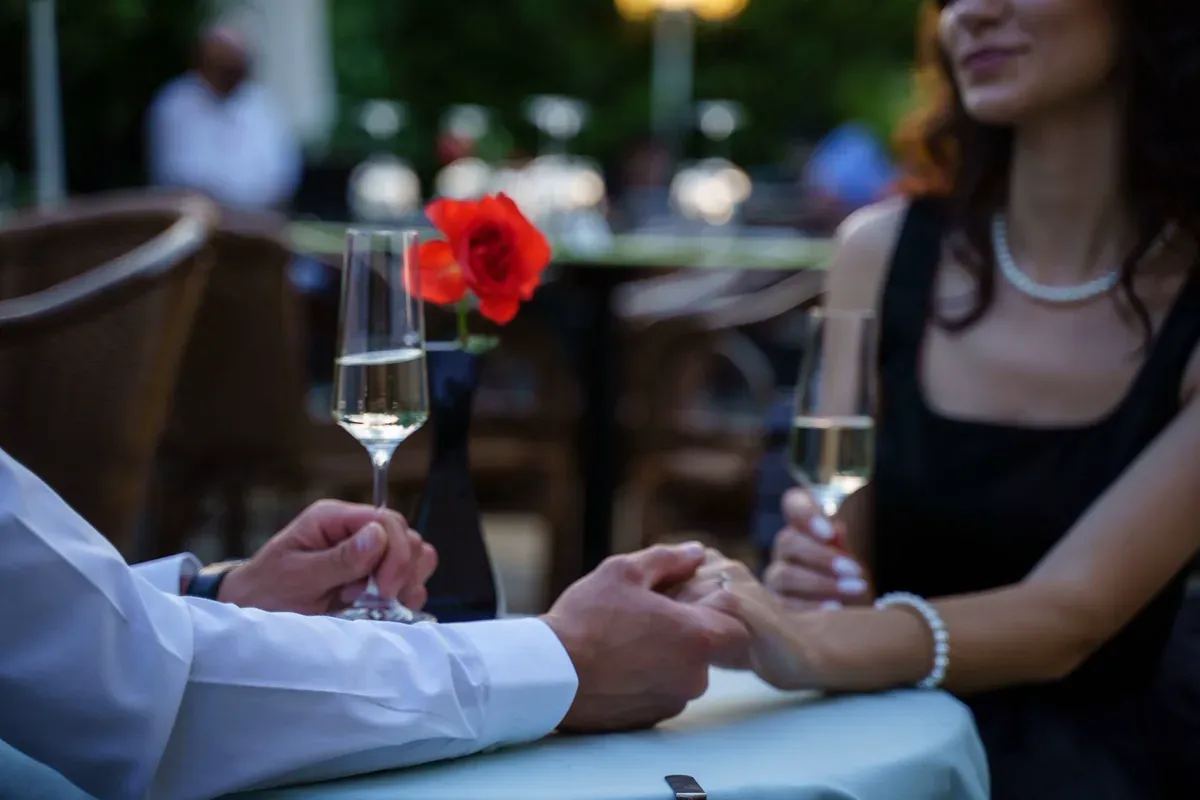
Proper Form, Part III: Dress Codes, Decoded Once and for All — What Does Black Tie Optional Mean for Guests?
One line on an invitation decides the whole evening. Here is what black tie optional — and every code above and below it — actually asks of you.
Here is the thing nobody tells you until you have learned it the hard way, standing in a ballroom in the wrong clothes: the invitation was never vague. It told you exactly what the evening would be.
The question most guests are really asking, whether they say it aloud or search it quietly, is what does black tie optional mean for guests — and the honest answer unlocks every other code on the ladder. Black tie optional does not mean the formality is optional. It means the tuxedo is.
The hosts will be in full black tie, the room will be set for a formal night, and you are being given a gracious alternative, not a lower standard.
Once you understand that single distinction — the garment is negotiable, the level is not — black tie, cocktail, festive, creative black tie, and resort formal all fall into place, because every dress code works the same way. Each one names a level of formality first, and only then a set of clothes that meet it.
Read the invitation the way an experienced guest reads it. Start with the level, not the outfit. Then consider the hour, the venue, and the occasion, because those three details confirm what the words already said.
An evening event in a ballroom asks more of you than the same words attached to a garden in the afternoon. And when you are genuinely torn between two readings, choose the more formal one. As one widely consulted guide to black tie weddings puts it, nobody has ever regretted being overdressed at a black tie wedding.
The reverse, as any society photographer will tell you, is photographed forever.
The Ladder, From the Top
Dress codes are a ladder, and it helps to see the whole of it before we take each rung in turn. At the top sits white tie, the most formal code of all, kept for the grandest evening occasions.
Below it comes black tie, then black tie optional — also written as black tie preferred or black tie invited — then formal, then cocktail, with festive and creative variations that add character without changing the level. Resort formal is a branch of its own: formal intention translated for warm weather and open air.
A useful summary of the ladder, drawn from Debrett’s, places the codes in order from white tie and black tie down through cocktail and lounge suit, and that order is worth memorising, because most mistakes are not wild errors. They are one-rung errors — a guest dressed for the code just below the one on the invitation.
White tie, briefly, because you may meet it: for men, a black tailcoat, white waistcoat, white bow tie, and a wing-collared shirt; for women, a full-length evening dress or ball gown. It is rare, it is exact, and there is no improvising at that level.
Everything else in this article sits below it, in the territory where most galas, weddings, benefits, and celebrations actually live.
Black Tie: The Full Commitment
Black tie, with nothing after it, is an instruction, not a suggestion.
For men it means a tuxedo — a dinner jacket in black or midnight blue with satin or grosgrain facing on the lapels, matching formal trousers, a crisp white dress shirt, a black bow tie, and black patent leather or highly polished formal shoes, with a cummerbund or waistcoat and simple cufflinks completing the picture.
For women it means a floor-length evening gown as the classic choice, in fabrics with weight and movement — silk, satin, velvet, chiffon — with evening shoes, fine jewellery, and a clutch.
One clear account describes black tie as the gold standard for gala evenings, fundraiser balls, and awards dinners, intended for evening events, and that framing is exactly right: the code exists to tell you the night itself is special.
The newcomer mistakes at black tie are consistent. For a man, the first is arriving in a dark business suit and a long tie and calling it close enough. It is not.
The same guide is blunt that a suit is the wrong call here, and that even a very good dark suit reads as someone who did not quite make the effort.
The second mistake is treating the details as decoration: a pre-tied or novelty bow tie, brown shoes, a business shirt with a soft collar and plastic buttons, a belt where a cummerbund or waistcoat belongs. Black tie is a uniform by design, and its power comes from everyone honouring the same details.
For a woman, the parallel mistakes are a short, club-style dress, a casual fabric that would work at brunch, or a pale, bridal-adjacent colour that competes with the hosts.
The gown should skim the floor, carry some richness of fabric or colour — deep jewel tones and metallics photograph beautifully in low light — and leave the spotlight where it belongs.
“Nobody has ever regretted being overdressed at a black tie wedding.” — ManskiHaus, “What a Black Tie Dress Code Actually Means”
Black Tie Optional: The Gracious Alternative
Now to the centre of the matter. Black tie optional means the hosts and the wedding or gala party will be in full black tie, but guests are given an honourable alternative. For men, a tuxedo remains the best answer, and if you own one or can comfortably hire one, wear it.
If not, a sharp, dark, beautifully tailored suit — navy, charcoal, or black — with a white dress shirt, a conservative tie or bow tie, and polished leather dress shoes is correct.
For women, the choices widen in the same spirit: a floor-length gown, a formal ankle-length dress, an elevated midi, a sophisticated cocktail dress, a formal jumpsuit, or luxurious evening separates. One guide for guests summarises it neatly: black-tie optional gives guests greater flexibility than traditional black tie, but the celebration is still highly formal.
Hold on to that last clause, because it is where guests go wrong. The word “optional” applies to the tuxedo specifically — not to the overall formality of the evening.
As a menswear guide to the code puts it, “optional” does not mean business casual is acceptable, or a sport coat and khakis; hosts use the phrase when they want a formal atmosphere but know not every guest owns a tuxedo.
Your everyday work suit, however respectable at the office, is not what they had in mind, and neither is a knee-length dress you would wear to a nice dinner. The outfit should look noticeably more elevated than anything you would wear to work, to a restaurant, or to an ordinary party.
Black tie preferred and black tie invited carry the same message in softer language: the hosts would love full black tie, nobody will be turned away for a dark suit, and dressing closer to black tie is always the safer, more gracious choice.
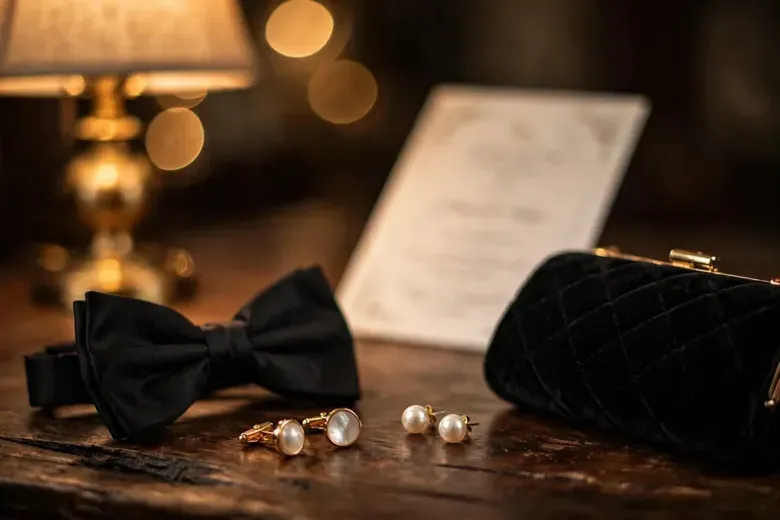
Cocktail: Polished, Not Formal
Cocktail attire is the most useful code in modern life, and the most frequently underdone. It sits in the middle ground — smarter than smart casual, a clear step below black tie — and it asks for polish with room for personality.
For men, that means a well-fitted suit in a darker or seasonal tone, a crisp dress shirt, and clean leather shoes; a tie is often optional, which is precisely why the suit and shirt must be impeccable.
For women, a knee-length to midi dress, a polished jumpsuit, or dressy separates in a fabric that holds its shape — silk, crepe, good wool — with heels or an elegant flat.
A clear explainer from a formalwear house describes cocktail attire as a dark, well-fitted suit, crisp shirt and leather shoes, stepping above business casual yet stopping short of black tie, and that is the balance to aim for.
The mistakes here run in both directions. Underdressing looks like business casual that wandered in after work: an untucked or open-collar shirt with no jacket, chinos, trainers, a sundress, anything denim. Overdressing looks like a floor-length ball gown or a full tuxedo at a drinks reception, which reads as though you misread the invitation in the other direction.
Cocktail is also where colour and texture earn their keep — a richer tone that photographs well under evening light, a subtle pattern, one considered accessory — because the code invites personal style inside a polished frame.
If you remember one test, make it this: you should look ready to be photographed standing up, with a glass in your hand, next to the hosts.
Festive and Creative Black Tie: Formal, With a Flourish
Two codes add a word that frightens guests unnecessarily. “Festive” almost always means cocktail-level formality with a celebratory touch — the code of holiday parties and joyful evening gatherings. Think cocktail attire, then add the season’s permission: richer colour, a touch of sparkle, velvet, a statement earring, a pocket square with life in it.
It is not an instruction to wear a costume, and it is not an excuse to arrive casual in something red. The base outfit stays polished; the flourish is added on top of it.
“Creative black tie” works the same way, one rung higher. Citing the Emily Post tradition, one guide notes that creative black tie means formal, but fun — for men, a tuxedo combined with one whimsical or distinctive element, such as an unusual cummerbund; for women, freedom across lengths, from a gown to a dressy cocktail dress, carried by striking accessories.
A wedding dress-code guide describes it in parallel terms, as black tie formality with one personal flourish — a velvet dinner jacket, a colourful gown, feathers, or a statement accessory. The operative word in both accounts is “one.” The newcomer mistake is to treat “creative” as a theme costume or as permission to abandon the foundation.
Anchor the outfit in classic formality, then choose a single flourish and let it be seen. Two flourishes compete; three become a costume.
Resort Formal: Formal Intention, Warm Weather
Resort formal — you will also see resort elegant — translates formality for a warm climate, a terrace, a lawn, or the sea. The intention is unchanged; the materials and some of the mechanics change.
For men, long trousers in a lightweight cloth, a collared shirt, closed-toe shoes or loafers, and a light blazer or sport coat where the venue is at its most formal; dark suits and heavy ties are usually wrong for the setting, and soft colours and breathable fabrics are right.
For women, a cocktail dress, an elegant maxi, a jumpsuit, or refined separates, with dressy sandals or low heels chosen for the ground underfoot.
A guide to resort codes explains that resort formal calls for cocktail dresses, dress shoes, and button-down shirts, with a linen blazer fitting perfectly without feeling overdressed in the heat, while swimwear, flip-flops, athletic shoes, and distressed denim fall outside the code entirely.
The mistakes at resort formal are almost always about confusing the setting with the standard. A beautiful location does not lower the level; it changes the fabric. Linen that wrinkles softly is correct; a T-shirt beside it is not.
A block heel or wedge that survives a lawn is correct; a stiletto sinking into it, chosen without a thought for the ground, marks the newcomer as surely as the wrong dress would.
Read the venue as carefully as the invitation: sand, gravel, decking, and grass each have their shoe, and the guest who considered the ground always looks more elegant than the guest who only considered the mirror.
The Mistakes That Mark a Newcomer
Across every code, the same handful of errors repeat, and they are worth naming plainly so you never make them. First, dressing for the code below the one printed — the dark business suit at black tie, the business-casual outfit at cocktail.
Second, hearing “optional,” “festive,” or “creative” as “casual.” Those words modify a garment or add a flourish; they never lower the level. Third, neglecting the finish: unpolished shoes, a shirt that has lost its press, jewellery fighting the neckline, a phone and keys bulging in formal trousers. At formal levels the details are not extra — they are the outfit.
Fourth, outshining the hosts, whether by wearing white or near-white where a bride or honouree will wear it, or by choosing a look designed to be talked about instead of one designed to belong.
And fifth, asking the internet at the last minute instead of the host or the host’s designated contact well beforehand, which every etiquette tradition treats as perfectly proper when a genuine question remains.
Black tie: tuxedo and bow tie; floor-length gown. Black tie optional, preferred, or invited: tuxedo if you can, otherwise a dark tailored suit, white shirt, conservative tie; gown, formal midi, or elevated cocktail dress. Cocktail: a polished suit, tie optional; a knee-to-midi dress, jumpsuit, or dressy separates.
Festive: cocktail, plus one celebratory touch of colour, texture, or sparkle. Creative black tie: the black tie foundation, plus exactly one personal flourish. Resort formal: lightweight trousers, collared shirt, blazer as the venue requires, closed-toe shoes; cocktail or maxi dress in breathable fabric, shoes chosen for the ground.
At every level: polished shoes, pressed clothes, quiet confidence, and — if in doubt — one step more formal than your first instinct.
The Quiet Point of All of It
Dress codes were never invented to catch you out. They exist so that a room full of people who may not know one another can arrive already in agreement about what kind of evening it is — so that nobody has to feel exposed, and the hosts’ care in planning is met by care in return.
That is why the experienced guest treats the line on the invitation as a kindness to be answered, not a puzzle to be outwitted. Learn the ladder once, honestly, and you will never stand in a doorway again wondering whether you got it right.
You will walk in dressed for the evening your hosts actually planned, which is the whole of proper form, and the beginning of presence.
Dress Like a Gentleman, Part I: The Suit Is a System
Dress Like a Lady, Part I
Black Excellence — Profiles of Black Men
Black Excellence — Profiles of Women
The Best Tables in America
Jack and Jill, The Links, and the Rooms That Raise Us
ManskiHaus — “What a Black Tie Dress Code Actually Means (And What to Wear)”
Fashion Sizzle — “Black-Tie Optional Wedding Attire for Women and Men”
Wessi — “Black Tie Optional: Decoding the Dress Code for Modern Men”
Beautiful + Machine Magazine — “What Is ‘Black Tie’ Attire?”
The Black Tux — “What Is Cocktail Attire for Men? Dress Code Explained”
Pottery Barn — “What Does Your Holiday Party Dress Code Mean”
Ivory Tribe — “Wedding Dress Codes, Decoded: What to Wear to Each One”
Wandering in Creativity — “Resort Dress Codes Explained: Casual vs Elegant”
JustWebWorld — “Dress Codes Explained: Black Tie, Smart Casual, Business Casual”