
Image: Acquisition.com
Other Owners: The Builders Behind Alex Hormozi, Bob Chapman, Chuck Runyon and Arlen Nordhagen
They own the unglamorous businesses that quietly make fortunes — storage yards, gyms, car washes, construction firms. Fifteen owners who started with debt, doubt and a secondhand truck.
Produced and Edited by The Bourgeois Society Staff
Part one of our four-part Other Owners list: fifteen founders and buyers who built real companies in ordinary industries — and whose stories of starting over are anything but ordinary.
Selected on the obstacle climbed, the thing built, and the good given back — and fact-checked line by line, with sources linked under every profile.
The full list: Part 1 · Part 2 · Part 3 · Part 4
Former Owner, Petro West — St. George, UT
Official links: Website
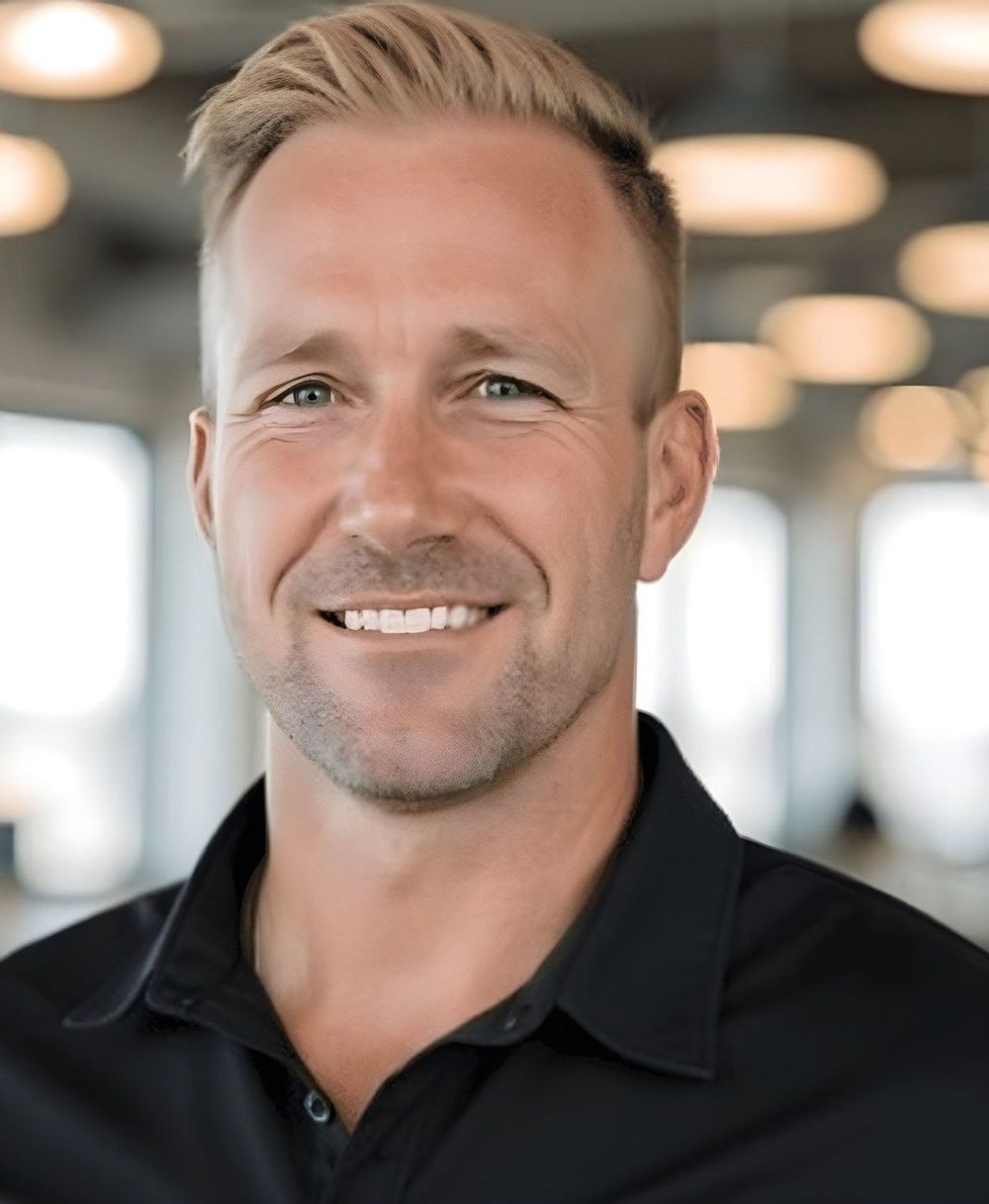
Image: ETA Street
Why We're Inspired
Adam Vandermyde was about two months from making partner in strategy consulting when a phone call changed his life. A brother-in-law who worked as a business broker told him about Petro West, the St. George company that sells, installs and services the pumps, tanks and piping behind gas stations — an industry Adam had never heard of.
The business needed exactly what he did: he had led a value-creation plan and corporate development at a private-equity-backed company and become its COO. Still, he said no three or four times over about a year.
He did not know how to finance a purchase for himself, COVID hit, and moving his wife and four kids from Dallas was a family decision, not just a deal. The sellers de-risked it in an unusual way: they agreed a price and hired him as CEO first, so he could see the business from inside before he committed.
He liked what he saw, bought in — he owned 80 percent — and spent five years professionalizing a company of about 60 employees that its founders, by their own description, had run as salesmen who happened to run a business. Then a California construction job failed a slope test because substituted piping flexed.
Adam chose to rip up the finished site and redo it at his own cost. The company lost more than a million dollars of EBITDA that year, and five separate times his CFO told him there were only two weeks of cash left.
"It was the scariest, toughest, hardest thing I've ever done, without a doubt"
The Story
He came through it the honest way: extended bank lines, fresh capital from him and his partner, and a seller note temporarily cut in half — and no bond claims, no lawsuits and no reputational damage, because the crew had done the right thing.
Inside the company, he managed by listening: regular “Petro Talk” updates, engagement surveys, and fixes that mostly came from employees' own ideas. When private equity came calling, the big regional footprint he had built was strategically desirable, and he exited for $14.5 million after five years.
His story is now a reference point in the acquisition community for de-risking a purchase on the way in — and for surviving the months on the knife's edge that can follow.
Sources
Acquiring Minds — “8-Figure Exit After 5 Years”
Listen Notes — “8-Figure Exit After 5 Years”
More from The Bourgeois Society: The full list · Tom Bilyeu · Alex Hormozi
Co-founder & Managing Partner, Acquisition.com — Las Vegas, NV
Official links: Website · LinkedIn · Facebook · Instagram · X
Image: Acquisition.com
Why We're Inspired
Alex Hormozi is a first-generation Iranian-American who walked away from a management consulting job to open a gym in California in 2013. He expanded to multiple locations — and then lost everything, twice.
As he recounts it, a business partner emptied their joint account; by 2016 he was down to about $1,000, sleeping on a gym floor, funding new gym launches on credit cards while a payment processor held his money for six months.
His partner in life and business, Leila, refused to leave, recruited her friends to help with launches, and built the sales team beside him.
The turnaround came when he stopped flying out to fix gyms one at a time — he had done dozens of those turnarounds — and packaged the system into Gym Launch, a licensing model that let gym owners run his customer-acquisition playbook themselves. It scaled to thousands of gym locations.
In 2021, he and Leila sold a 66 percent stake in Gym Launch and Prestige Labs to American Pacific Group for $46.2 million. The boy who bet against the safe immigrant playbook — credentials, stability, a prestigious job — had rebuilt from a gym floor to an eight-figure exit.
"In 2016, I had $1,000 to my name sleeping on a gym floor"
The Story
Today Hormozi runs Acquisition.com, the holding company he founded with Leila, whose portfolio is reported at more than $250 million in annual revenue. He is also the author of the $100M book series, including $100M Offers and $100M Leads.
His brand was built on a deliberate giveaway: he publishes detailed, practical business education for free, aimed at owners who are starting — or starting again — from nothing. The man who once could not make rent now teaches, at scale, the exact mechanics of offers, leads and sales that pulled him off that gym floor.
Sources
PodPulse / My First Million — “I Lost Everything Twice… Then Made $26M In 18 Months | Alex Hormozi Interview”
Faster Than Normal — “Alex Hormozi: Gym Launch, Acquisition.com & Net Worth”
More from The Bourgeois Society: The full list · Adam Vandermyde · Sieva Kozinsky
Co-founder & Managing Partner, Enduring Ventures — Los Angeles, CA
Official links: Website · LinkedIn · X
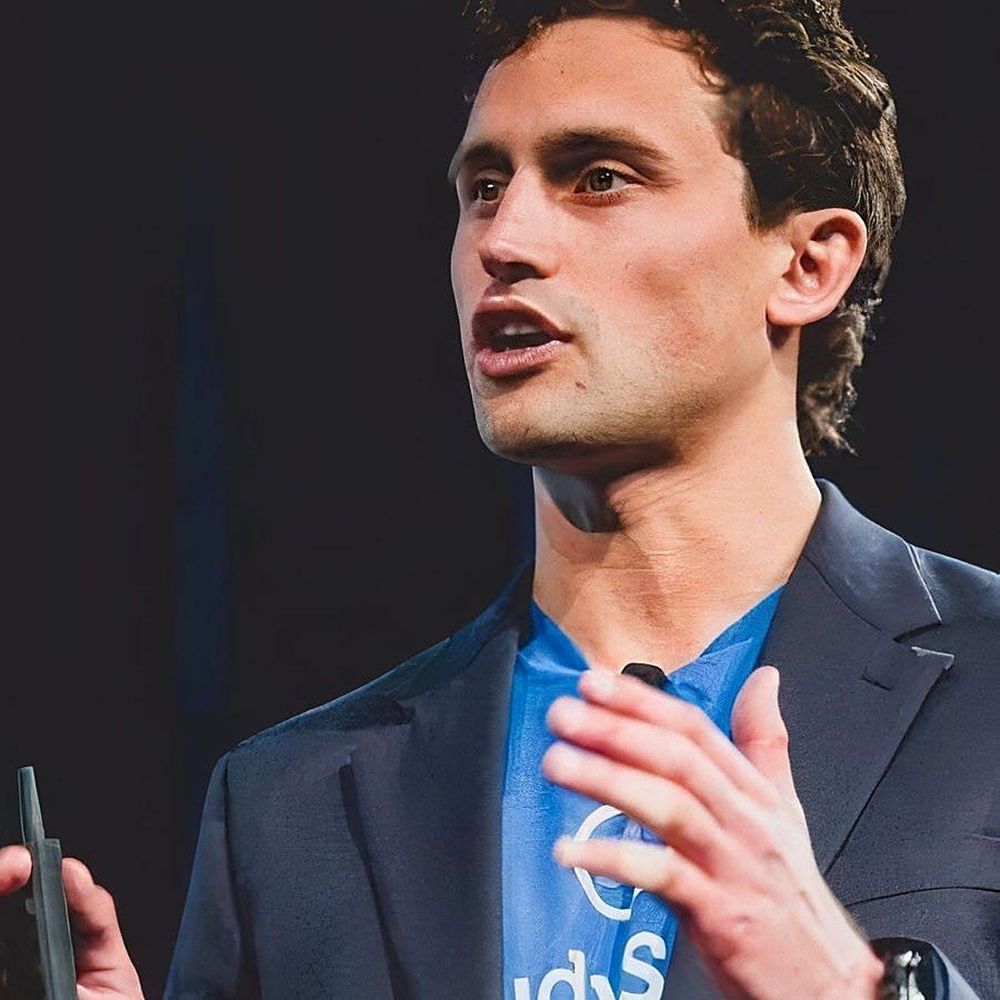
Image: Intro.co
Why We’re Inspired
We’re inspired because Sieva Kozinsky is proof the family script can be rewritten. If your family’s future for you is already chosen — a profession, a trade, a safe job — his is the counter-story: a single class, a single risk, and a decade of refusing to quit after the first attempts failed.
“You can’t control random luck. It just happens. But you CAN control manufactured luck.”
The Story
The son of immigrants from the Soviet Union, raised in a family of doctors and dentists where owning a business was not even a concept — in the Soviet Union, everybody worked for the government — Kozinsky started pre-med because that was the path he was handed. One college entrepreneurship class rerouted his life.
He spent a decade building startups — an education marketplace that landed him on the Forbes 30 Under 30 list, a clinical-trials business, and early failures he calls his best education — before concluding he was a better buyer than a builder.
Enduring Ventures, co-founded with Xavier Helgesen, buys established businesses and holds them forever, Berkshire Hathaway-style: 25+ companies across software, home services, hospitality and broadband, employing hundreds.
Its own story page says the partners learned business “from sleeping under the shipping table, having invoices go unpaid and struggling to make payroll.” Its portfolio serves overlooked places too — Rango Broadband brings fast internet to communities the big carriers skip.
Sources
Enduring Ventures — About
Flippa, Own Your Future — “Sieva Kozinsky: Why I Buy Great Businesses and Hold Them Forever”
Techzi — “Sieva Kozinsky Shares Tips for Taking Control of Your Luck”
More from The Bourgeois Society: The full list · Alex Hormozi · Andris White
Founder, AM Equipment LLC — Ipswich, MA
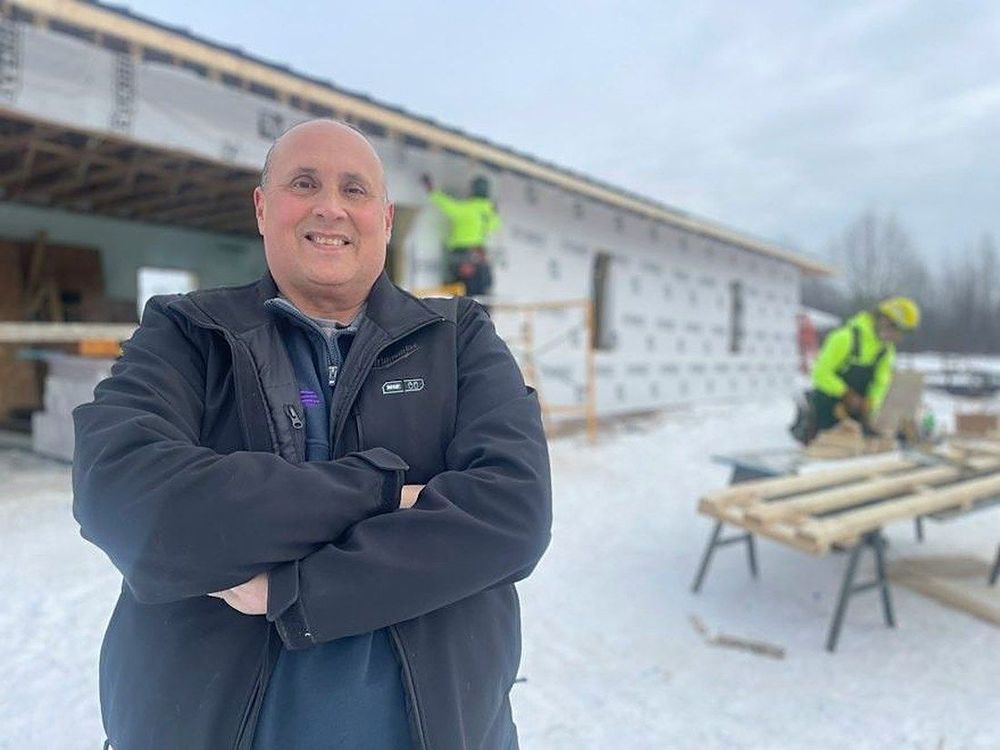
Image: Equipment World
Why We're Inspired
Andris White was given up for adoption at three months old and raised by Latvian immigrants, running heavy equipment at age six with wooden blocks strapped to the pedals so his feet could reach.
He dropped out of school at sixteen to start a construction business; it failed within two years, and he cheerfully admits he learned he did not know much after all.
His second run grew into union contracting, but a predatory contract — one that treated any price-change request unanswered within 24 hours as worth zero — buried him in change orders and forced involuntary Chapter 7 bankruptcy in 2002. Both his adoptive parents died of cancer in his early twenties.
He rebuilt on the Akwesasne Mohawk reservation in Hogansburg, New York, where he had reunited with his birth family — and then learned his attorney had embezzled $1.2 million from his business accounts. He owed $2.5 million. Rather than file bankruptcy again, he vowed to pay back every cent.
The failures cost him three marriages, and at one point he was homeless, living in his truck with his dog. In 2009 he started over anyway, forming AM Equipment — and spent eight years paying down debt before he could buy a used excavator in 2016, then a truck, a trailer, a skid steer, a dozer.
"I've always had a positive outlook"
The Story
AM Equipment now runs $6 million to $8 million in annual revenue with 20 employees across two locations: heavy highway, concrete, paving and site work out of Ipswich, Massachusetts, and building construction out of Hogansburg, New York. Equipment World named the company one of 12 finalists for its 2024 Contractor of the Year awards.
White pays above union rates, adds holidays and Christmas bonuses, and says people gave him so much when he had nothing that giving back is simply part of the job. His aim now is to become a standalone general contractor bidding his own Massachusetts DOT projects — and he says he cannot envision ever wanting to retire.
Sources
Equipment World — “From homeless to owning multimillion-dollar construction business”
Equipment World — “Video: From homeless to multi-million-dollar contractor”
More from The Bourgeois Society: The full list · Sieva Kozinsky · Andy Rougeot
Former Owner, RG Maintenance — Denver, CO
Official links: Website
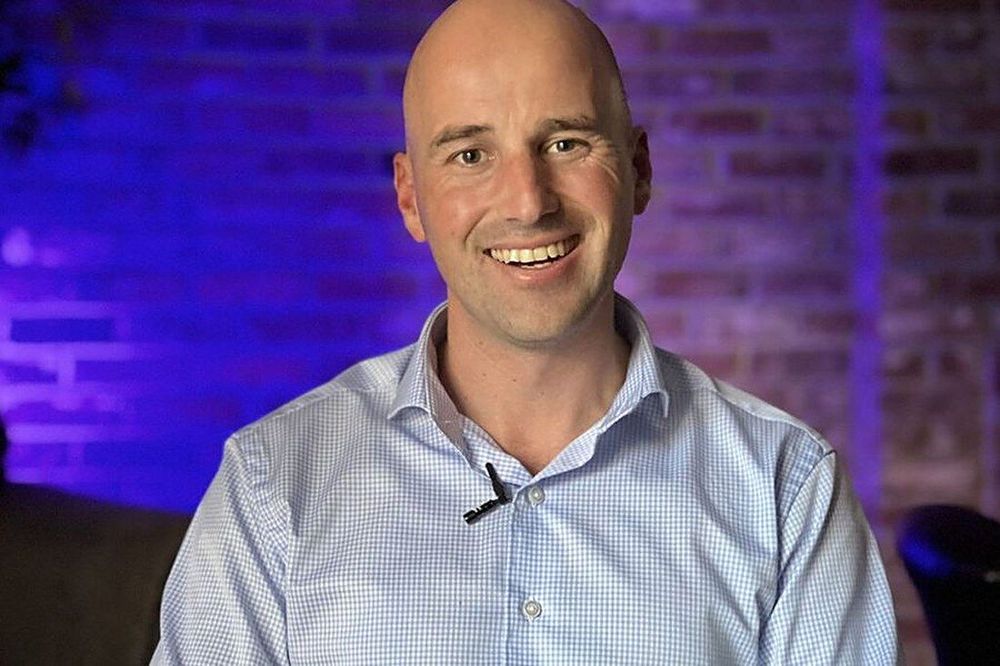
Image: El Comercio de Colorado
Why We're Inspired
Andy Rougeot started his career as an Army intelligence officer, stationed at Fort Carson, serving overseas with the Rangers protecting Kabul, and later running a drone platoon. Harvard Business School followed, then a summer at McKinsey that he disliked — he never forgot a recruiter mocking a bus driver who had handed in his résumé.
Search, by contrast, let an owner build a culture. After graduating in 2017, he ran a geographically focused, self-funded search in Denver, where he wanted to live: a team of interns working out of a Denver public library, sending outreach to business owners.
Within about two months he found RG Maintenance, which fixed the big sliding gates and access keypads for self-storage facilities and held roughly 95 percent of its Colorado niche, doing about $2.5 million in revenue and $725,000 in EBITDA.
He bought it with an SBA loan in September 2017 and led the way veterans are taught to lead: when in doubt, do the dirtiest job — in his case, unloading 60-pound bags of concrete.
Instead of chasing other industries, he followed his biggest customer into its worst-served markets — Oregon, the Bay Area, Washington, Arizona — standing up each new market with a veteran general manager and a truck.
The Story
By 2022, RG Maintenance spanned five markets with about 40 employees, $9 million in revenue and $1.7 million in EBITDA. Rougeot sold that July for $9 million, all cash, then ran for mayor of Denver, finishing fourth in a field of 17 while self-funding his campaign.
Since the sale he has put his proceeds to work backing other searchers, making 26 mostly self-funded search investments directly. The officer who plunged in on the dirtiest jobs now spends his time helping the next class of owners do the same.
Sources
Acquiring Minds — “SBA Acquisition to $9m Cash Exit in 5 Years” (video)
5280 — “Your Guide to Denver's 2023 Mayoral Election”
More from The Bourgeois Society: The full list · Andris White · Andy Schweizer
Founder & Executive Chairman, National Storage Affiliates; Co-founder, SecurCare Self Storage — Greenwood Village, CO
Official links: Website
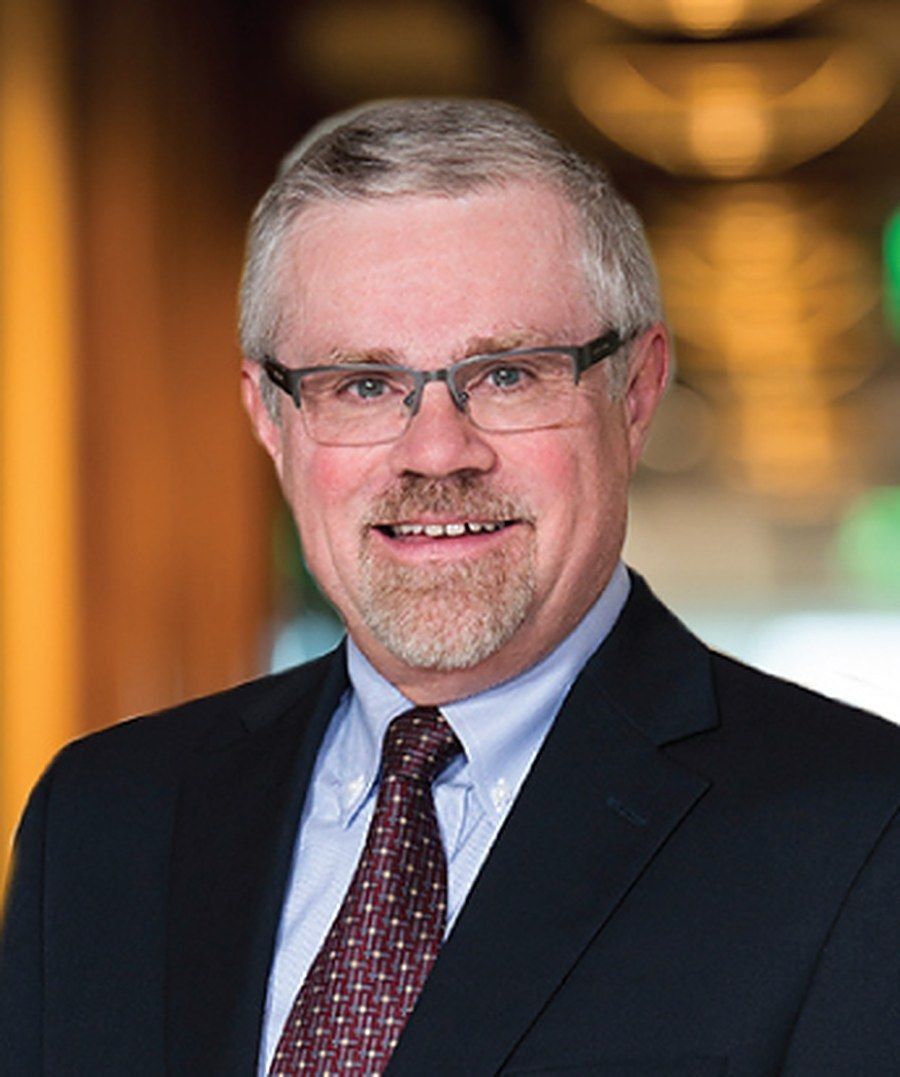
Image: UND Alumni Association & Foundation
Why We're Inspired
Arlen Nordhagen grew up in Williston, North Dakota, in a house that did not even have indoor plumbing. A tagalong tour of the University of North Dakota changed his direction: a professor talked him out of nuclear engineering and into chemical engineering, and a department chair later urged him to add an MBA.
He graduated summa cum laude from UND, earned his MBA at Harvard with high distinction as a Baker Scholar, and worked at DuPont before moving to Colorado as a consultant. There, two former Public Storage directors hired his firm to analyse a new storage venture — and Nordhagen's own analysis convinced him he should be an owner, not an adviser.
In 1988 he co-founded SecurCare Self Storage, becoming its president in 1999, and in 2013 he created National Storage Affiliates, built to let strong regional operators keep their teams and brands while gaining national scale. The University of North Dakota reports that NSA encompasses more than 1,100 self-storage properties in 42 states and Puerto Rico, valued at $10 billion.
He also co-founded MMM Healthcare, described as the largest Medicare Advantage provider in Puerto Rico.
"But when I was a kid, I lived in a house that didn’t even have indoor plumbing."
The Story
Nordhagen serves as executive chairman of NSA's board of trustees, and his personal motto explains how he sees the success: he describes himself as blessed in order to be a blessing for others, living by integrity, accountability, compassion and humility.
Receiving UND's Sioux Award for Distinguished Achievement & Leadership, he said he hoped his story shows that the American Dream is still alive — and that with hard work, even humble beginnings can grow into great success. It is a builder's creed from a man who started without plumbing and built a platform for hundreds of other operators.
Sources
UND Alumni Association & Foundation — “Arlen Nordhagen”
Modern Storage Media / Mini-Storage Messenger — “From Analyst To Ally”
More from The Bourgeois Society: The full list · Andy Schweizer · Bill Hobin
Founder & CEO, The William Warren Group / StorQuest Self Storage — Santa Monica, CA
Official links: Website

Image: The William Warren Group
Why We're Inspired
Bill Hobin began his career managing a single self-storage facility.
A UCLA graduate, he had previously worked for a homebuilder, and in 1994 he founded The William Warren Group in Santa Monica — naming it for his first and middle names — and spent its early years on ground-up development, opening roughly three or four properties a year in Southern California and other Western states.
Then the Great Recession shut down construction lending and took that strategy off the table. Hobin pivoted the company to acquiring existing facilities, tapped new private capital, and expanded nationwide — a shift that nearly doubled the portfolio in two years and kept growing from there.
Modern Storage Media reports that the William Warren Group now operates more than 265 facilities across 16 states under the StorQuest Self Storage brand, with a portfolio valued at more than $3.5 billion, making it one of the nation's largest privately owned self-storage organizations.
Hobin was also known for pushing service upmarket — pickup vans and bellhop-style help at StorQuest locations — treating storage guests the way a good hotel treats its guests.
"This recognition reflects more than 30 years spent alongside remarkable partners, colleagues and friends who have helped shape both my career and this industry."
The Story
Hobin's influence runs well beyond his own company. He was instrumental in founding the California Self Storage Association — now described as the largest state storage association in the nation — and served as its president from 2002 to 2006.
He chairs the Self Storage Association Foundation Board of Governors, which has raised more than $4 million for scholarships for self-storage employees and their children, and his giving supports groups including One Tree Planted, SeaTrees and Life Rolls On.
His Hall of Fame induction recognises a career spent professionalising an industry of small operators — and mentoring them along the way.
Sources
Modern Storage Media — “WWG CEO Bill Hobin Named to Self Storage Hall of Fame”
Los Angeles Business Journal via The William Warren Group — “High-End Lockup”
The William Warren Group — “Meet our Team”
More from The Bourgeois Society: The full list · Arlen Nordhagen · Bob Chapman
Longtime Chairman & CEO, Barry-Wehmiller — St. Louis, MO
Official links: Website · LinkedIn

Image: Barry-Wehmiller
Why We're Inspired
Bob Chapman joined Barry-Wehmiller in 1969, at his father's request, after working as an accountant at Price Waterhouse. In 1975, at thirty, his father William died suddenly of a heart attack, and Chapman took control of a roughly ninety-year-old company worth about $18 million, carrying an operating loss and heavy bank debt.
Within a month, the company's bank pulled its loan — the bankers, as Chapman tells it, were willing to lend to a sixty-year-old they knew, not to a thirty-year-old kid.
Grieving and cut off from credit, he grabbed hold of the struggling business anyway, cut costs, invested in new technology and produced the most profitable period in the company's history to that point. A second crisis followed in the early 1980s, and Chapman answered it with acquisitions — buying struggling companies and treating them, in his word, as adoptions.
Over more than four decades he led Barry-Wehmiller through more than 130 acquisitions, growing it into a $3.6 billion global capital equipment and engineering company with more than 12,000 team members — built on the conviction that every team member is somebody's precious child.
"The greatest act of charity is how you treat the people you have the privilege of leading."
The Story
Chapman calls his philosophy Truly Human Leadership: success measured by the way a company touches the lives of people. He told that story in his 2015 Wall Street Journal bestseller Everybody Matters, co-authored with Raj Sisodia, and Harvard Business School turned Barry-Wehmiller's approach into a case study now taught at dozens of business schools.
With his wife Cynthia he founded the Chapman Foundation for Caring Communities to carry that listening and leadership training into communities, schools and organisations far beyond his own factory floors.
Sources
The Strategy Skills Podcast — “603: A $3.6B CEO on the ‘Poverty of Dignity’ in Corporate America”
Wikipedia — “Barry-Wehmiller”
Chapman Foundation for Caring Communities — “Our Story”
More from The Bourgeois Society: The full list · Bill Hobin · Brendan Guerin
Co-founder & Partner, Argos Partners — Avon, IN

Image: Acquiring Minds
Why We're Inspired
Most twenty-one-year-olds with a finance job are trying to impress a boss. Brendan Guerin and three friends went out and bought a business instead.
As the Acquiring Minds podcast tells it, Guerin was twenty-one when he and his three partners bought their first dog daycare as a side hustle — a deliberate starter deal, chosen to learn ownership on something manageable.
The episode's topic notes put the first deal at $1.1 million including the real estate, with four partners splitting ownership and responsibilities, and margins that approached fifty percent before rent. Buying the real estate mattered to them: it protected their long-term control of the business, and Midwest property economics made the model work.
Then Covid arrived — and, unexpectedly, it supercharged demand for dog daycare, as a generation of new dog owners went back to offices and needed somewhere good for their dogs to go.
What began as a side project became the main event: Guerin eventually left finance to operate the business full-time, and the company he co-owns through Argos Partners has grown, in the podcast's telling, to six Midwest locations, with the episode billed as a side-hustle acquisition grown to $5 million in revenue.
The Story
Guerin's story is a quiet argument for starting small and starting young: pick a starter deal you can actually understand, share the load with partners you trust, own the ground under the business, and be ready when the market moves your way.
He now tells that story publicly on Acquiring Minds, the podcast for acquisition entrepreneurs, where his interview walks other would-be buyers through the deal structure, the partnership split and the decision to leave a finance career — a playbook laid out for the next twenty-one-year-old wondering whether there is another way up.
Sources
Acquiring Minds via radio.net — “Side Hustle Acquisition to $5m in Revenue”
Acquiring Minds — “Podcast Episodes”
More from The Bourgeois Society: The full list · Bob Chapman · Chuck Runyon
Co-founder, Anytime Fitness; Co-Chair, Purpose Brands — Woodbury, MN
Official links: Website · LinkedIn · Instagram · X
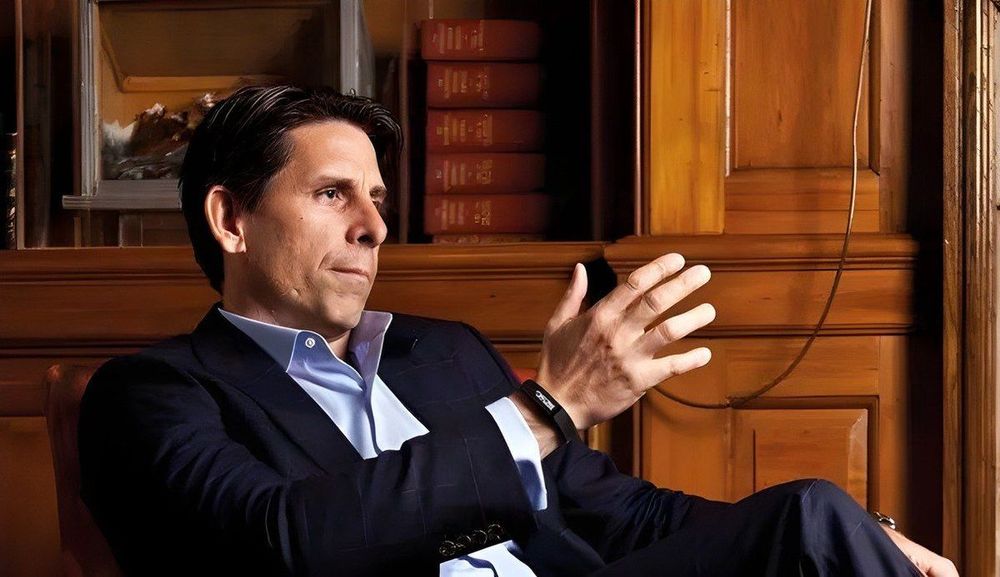
Image: Elite Franchise Magazine
Why We're Inspired
Chuck Runyon's childhood was shaped by hospital corridors. His older brother was regularly hospitalised with a serious medical condition and died at eighteen; Runyon was thirteen. The family grew up lower middle class and often struggled, because medical insurance would not necessarily cover all the hospital visits and treatment.
Runyon says that loss gave him perspective — life is uncertain — and, with it, a larger appetite for risk than most people carry. He was, by his own account, an average student at best, more interested in sports, paper rounds and fast-food jobs than textbooks.
After high school he worked in local gyms, then spent years travelling the United States, Canada and Australia with Dave Mortensen, driving membership for health clubs and learning the business town by town.
Along the way they took over distressed health clubs and noticed members used little beyond the cardio machines and weights — so in 2002 they co-founded Anytime Fitness in Minnesota: smaller, friendlier clubs, open twenty-four hours, built around a member's key.
Twin Cities Business reports the company that grew from that idea, Purpose Brands, now counts 7,000 franchise locations across 50 countries on all seven continents, with $3.5 billion in annual systemwide sales.
"We grew up lower middle class and often struggled because medical insurance wouldn’t necessarily cover all of the hospital visits and treatment,"
The Story
Runyon helped steer Self Esteem Brands into its merger with Orangetheory Fitness, creating Purpose Brands, and now serves as co-founder and co-chair of its board alongside Mortensen. He co-authored Love Work, a book about building a high-performing culture around people, purpose, profits and play, chairs the Runyon Family Foundation, and advocates publicly for fitness, wellness access and small-business franchising.
The kid who could not afford a plane ticket until his twenties built a brand whose franchisees — many of them first-time owners — have tattooed its running-man logo on their arms by the thousands.
Sources
Elite Franchise Magazine — “Anytime Fitness co-founder Chuck Runyon is going the distance”
Twin Cities Business — “Chuck Runyon and Dave Mortensen”
More from The Bourgeois Society: The full list · Brendan Guerin · Colin King
Co-founder & Partner, Circle City Capital Group — Indianapolis, IN
Official links: Website · LinkedIn · X

Image: Acquiring Minds
Why We're Inspired
Colin King's holding company began with a Craigslist post. King — trained in accounting, with time in public accounting, at a hedge fund and as a private-equity CFO — and Joe Van Deman, who had worked at Google, were each hunting for a small business to buy in Indianapolis, and met through Joe's Craigslist posting.
In 2018 they made their first acquisition off Craigslist too: a tiny overnight route business delivering auto parts, doing about $250,000 in revenue, bought for roughly $75,000.
On their very first night as owners, two drivers did not show up — so Colin and Joe drove the routes themselves, in the middle of the night, between Indianapolis and Toledo, and kept doing it for months.
King was still working a full-time job at the start, and the partners paid themselves about $50,000 each at first, far less than they had earned before, reinvesting nearly everything else. It worked.
The Defenders of Business Value podcast counts fifteen companies acquired, and Acquiring Minds describes a fifty-fifty holdco spanning American-made apparel, a decor distributor, a Montessori education supplies company and a financial training business — including Vermont Teddy Bear, at about $10 million in revenue — grown from that $28 million base toward a $33 million holdco.
"So we actually made our first acquisition off of Craigslist."
The Story
King and Van Deman are deliberate long-term owners: they resist the private-equity label, put a general manager or chief executive in place at each business, and, in Acquiring Minds' follow-up episode, have paid themselves little since 2018 — still less than their own operators earn — so profits compound back into the portfolio.
King, a CPA and CFA, now shares the lessons publicly, from the midnight Denny's interviews that found their first real operator to his blunt advice that most people should work inside a small business before trying to buy one.
Sources
Acquiring Minds — “From Midnight Deliveries to $28m Holdco (in 6 Years)”
Defenders of Business Value — “EP 125: How Circle City Capital Group Turns Overlooked Businesses Into Thriving Investments”
Acquiring Minds via radio.net — “$33m Holdco: Teddy Bears to Insurance Claims”
More from The Bourgeois Society: The full list · Chuck Runyon · Cris Burnam
Chief Executive Officer, StorageMart — Columbia, MO
Official links: Website · LinkedIn
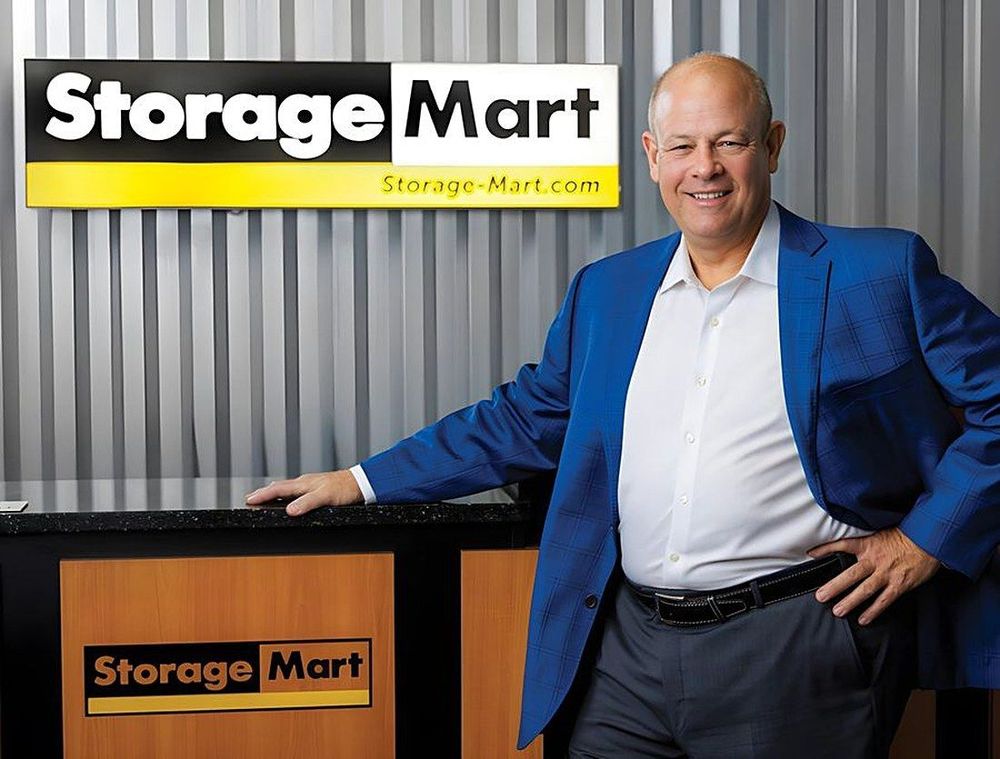
Image: Modern Storage Media
Why We're Inspired
Cris Burnam has been in self-storage since 1987, but the moment that defines him came in 1999. His family had built Storage Trust Realty to more than 230 stores and taken it public, and then, as he tells it, larger rival Public Storage forced an auction and bought it.
The family went from hundreds of employees to about ten — most of them relatives — almost overnight. A lot of families would have taken the money and walked away from the business for good. The Burnams started again, in the same town and the same trade.
Their first StorageMart purchase was a single property on Rangeline Street in Columbia, Missouri, just off Highway 70. Cris, who has led the company since its founding in 1999, chose not to go public this time.
StorageMart grew the slow, stubborn way, then faster: more than 60 Canadian properties joined in 2008, expansion into the United Kingdom followed in 2016, and in 2021 the company acquired Manhattan Mini Storage, with 17 locations across New York City — a deal StorageMart describes as the largest transaction in self-storage history.
StorageMart says Cris has completed over $8 billion in self-storage transactions, and it now calls itself the largest privately owned self-storage provider in the world, with more than 250 locations across the United States, Canada and the United Kingdom.
"On that fateful Friday, we had 500 employees, and on Monday, just 10. Frankly, it sucked, but you can choose to dwell, or you can come back fighting."
The Story
Giving back was built in early. StorageMart is a founder of Charity Storage, described by Inside Self-Storage as the first industry-led nonprofit organization, supporting Kure It kidney cancer research, local Habitat for Humanity branches, women’s shelters and foster care and adoption centers. Through its Store It Forward work, the company has partnered with local nonprofits in the markets it serves.
Cris has also collected the industry’s honors, including the EY Entrepreneur Of The Year award in 2014. Four generations of Burnams now work in the company his father Gordon started — proof that a family business can be knocked down to ten people and built back bigger.
Sources
StorageMart — “About Us | StorageMart's Story & Values”
Wikipedia — “StorageMart”
Modern Storage Media — “Cris Burnam: Family, History, And The Future of Self-Storage”
More from The Bourgeois Society: The full list · Colin King · Dan Novaes
Co-founder & CEO, Mode Mobile — Chicago, IL
Official links: Website · LinkedIn · X

Image: Crowdsourcing Week
Why We're Inspired
Dan Novaes started his first company at fifteen with $1,000. By his own bio, he built it up to over $2 million a year in revenue by age twenty — an early lesson in spotting an opening, buying electronics in one market and selling them where they were worth more.
He kept building: consumer products, top-grossing app-store products and platforms reaching tens of millions of users, through companies including MobileX Labs and Nativ Mobile. He co-founded Mode Mobile with Kiran Panesar, around a simple idea: the phone in an ordinary person’s pocket should pay its owner. Mode’s EarnOS pays users for everyday activity — music, news, games, shopping and more.
Then came the punch. In his Founder’s Story conversation, Novaes recounts in his own words how the bottom fell out when advertisers including FTX and Voyager — Voyager was Mode’s biggest client at the time — collapsed, leaving the company with a large payroll and advertising money it never received, a stretch that almost killed the business.
He pivoted away from venture capital toward equity crowdfunding. The episode describes a company valued at over $300 million with more than 57,000 shareholders, and Mode’s own investor pages now put the crowd at approximately 60,000 investors and $72 million raised.
Either way, the model is the story: instead of a handful of funds owning the company, tens of thousands of everyday users do.
The Story
That user-first idea is now the business itself. Mode says its platform has facilitated $1 billion or more in earnings and savings for users, and 3i Members puts its reach at just under 200 million monthly users across more than 170 countries — figures reported by the company and its partners, and a scale few founders ever reach.
Mode, headquartered in Chicago, sells its Android-based EarnPhones through major retailers and has reserved the $MODE ticker on Nasdaq as it works toward going public. The teenager who flipped a $1,000 project into a business is still doing the same thing, only bigger: finding value the giants leave on the table, and handing a share of it to ordinary people.
Sources
Founder’s Story via Podscan — “The Hidden Pain Behind Building a $300M Tech Company | Ep 274 with Dan Novaes Founder of Mode Mobile”
3i Member Spotlight — “Building a Smartphone Earning Platform with Dan Novaes, Founder & CEO of Mode Mobile”
Mode Mobile — “Mode Mobile Overview and Investor FAQs”
More from The Bourgeois Society: The full list · Cris Burnam · Darin Zwick
President & CEO, Zwick Construction Co. — Salt Lake City, UT
Official links: Website · LinkedIn
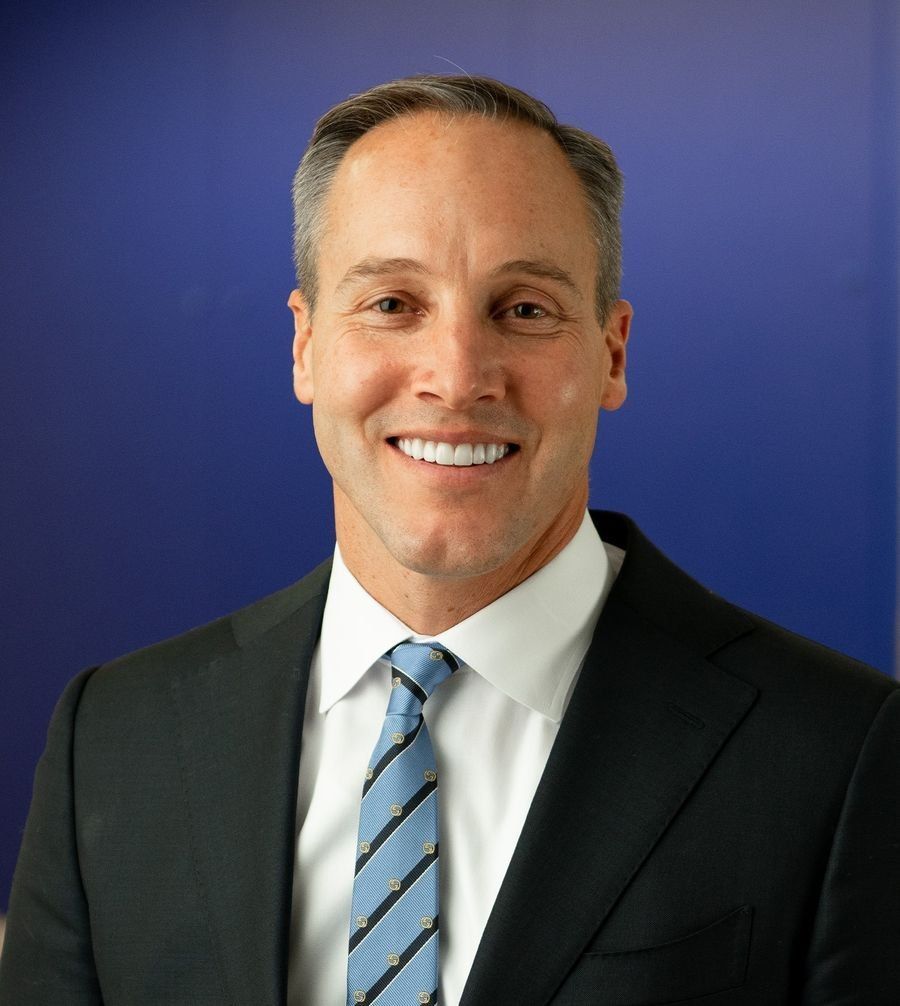
Image: Zwick Construction
Why We're Inspired
Darin Zwick grew up around construction, but the family company was not simply waiting for him when he was ready. His grandfather Bill founded Zwick Construction in 1969, intending a multi-generational business.
His father Craig bought it in 1978 and grew it successfully until 1989, when he accepted a full-time, volunteer position from his church and moved his family to Chile to serve for three years. The firm went quiet.
Darin graduated from Brigham Young University, spent nine years working for two national commercial contractors, and then did something brave: in 2007 he purchased Zwick Construction Company from his father and reopened the firm — right before the financial crisis hit construction especially hard. He kept it alive through those years.
Engineering News-Record, which named him to its Mountain States Top 20 Under 40, reported that since rekindling the company in 2007, Zwick had overseen contracts of more than $200 million, and that co-workers and peers pointed to the values the company still puts first: passion, integrity and teamwork.
A third-generation builder had brought a dormant family name back to life, in the toughest building climate in a generation.
"Our focus from day one is understanding what Dixie Tech needs from this facility, not only today, but as its programs and student population continue to grow,"
The Story
Zwick Construction is still family-led, headquartered in Salt Lake City with an office in St. George. Darin remains President and CEO, and his father Craig serves as Chairman — the second generation chairing the board of the company the third generation reopened.
The family firm has completed projects across the country, from healthcare centers to apartment communities, and its newest work includes partnering with Suffolk to build the 91,700-square-foot Trades and Technology Building at Dixie Technical College in St. George.
The building will expand nine existing programs and add eight more for students on waitlists — the grandson who rebuilt the family firm now building classrooms for the next generation of builders.
Sources
Engineering News-Record — “ENR Mountain States 2013 Top 20 Under 40”
The Blue Book — “Zwick Construction Co. - Midvale, Utah | ProView”
BusinessWire — “Suffolk and Zwick Construction Selected to Build Dixie Technical College Trades and Technology Building in St. George, Utah”
More from The Bourgeois Society: The full list · Dan Novaes · Herb Chambers
Founder, Wheelhouse Capital — St. Paul, MN
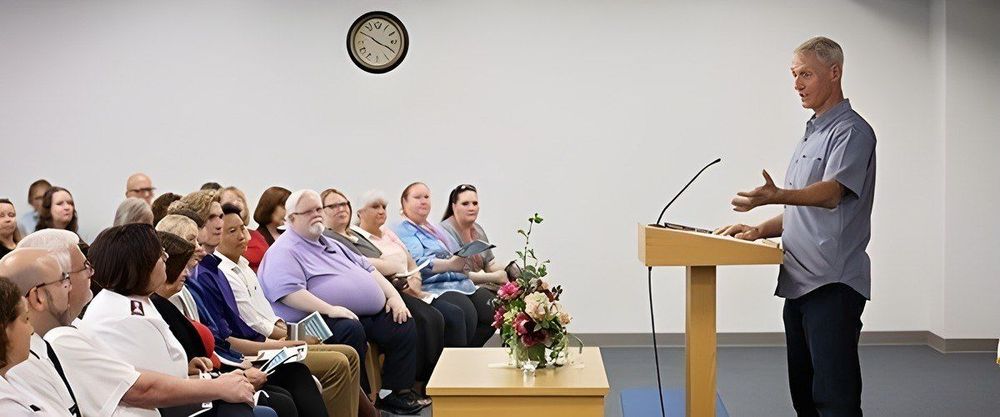
Image: The Salvation Army
Why We're Inspired
Andy Schweizer was raised by officers of The Salvation Army, in a Christian home where he learned to pray — his favorite prayer, he recalls, asked God for wisdom, courage and understanding. Those lessons in faith, hard work and service became a business method.
In the early 1980s, he and his brother founded a solid-waste removal company with a single garbage truck. Schweizer sums up his approach simply: in business he had dreams, goals and plans — and he took action. Over 35 years they grew it to 200 trucks and a landfill.
There was no shortcut in that sentence: three and a half decades of routes, trucks and people, built from one vehicle by two brothers who had been taught that work is a form of service. When they sold the company in the mid-2010s, Schweizer did not retire on the proceeds.
He formed Wheelhouse Capital, a commercial real estate firm, and kept building — the firm owns the Capitol Ridge building in downtown St. Paul, a hotel and event center a block from the State Capitol, which Finance & Commerce reported Wheelhouse bought for $10.05 million and renovated top to bottom.
"Earning money is much more exciting than spending it, and giving it to others feels better than spending it on myself."
The Story
Schweizer's second career is giving. He served a decade on the Advisory Council of The Salvation Army's Adult Rehabilitation Center in Minneapolis — five years as chair — helping oversee a $39 million renovation and capital campaign that expanded the addiction-recovery center's capacity from 100 to 142 residents, and contributed significantly himself.
He also spent nearly a decade on the Twin Cities Salvation Army advisory board, two years as chair. He still plays drums in a Salvation Army brass band in Maplewood, more than 50 years after learning at a Salvation Army location as a boy. The trash route, it turns out, was training for a lifetime of service.
Sources
The Salvation Army — “Twin Cities businessman leaves lasting legacy”
Finance & Commerce — “Kelly Inn near State Capitol is sold”
More from The Bourgeois Society: The full list · Andy Rougeot · Arlen Nordhagen
Affiliate Disclosure: The Bourgeois Society may earn a commission when readers buy through links on this page, at no additional cost to the reader.