Image: Genius Recovery
Other Owners: The Builders Behind Paul Orfalea, Patrick Dovigi, Joe Polish and Noah Kagan
The copy-shop king who couldn't read his own balance sheet. The hockey player who built a waste empire. Fifteen more owners who turned rough beginnings into real companies.
Produced and Edited by The Bourgeois Society Staff
Part three of our four-part Other Owners list: fifteen more founders — waste, storage, fitness, media, construction — whose companies started as survival plans.
Selected on the obstacle climbed, the thing built, and the good given back — and fact-checked line by line, with sources linked under every profile.
The full list: Part 1 · Part 2 · Part 3 · Part 4
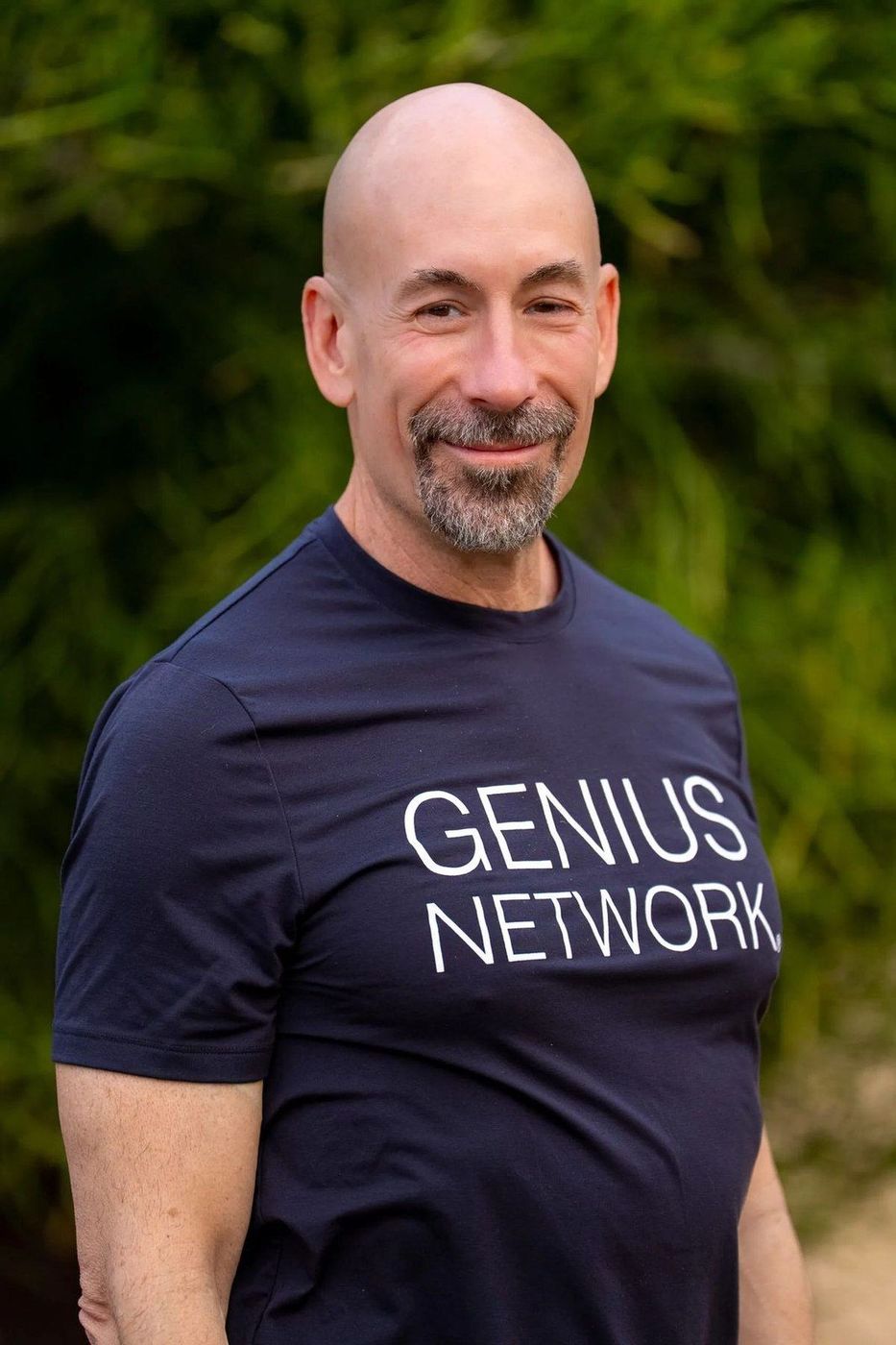
Founder, Genius Network — Tempe, AZ
Official links: Website · LinkedIn · Instagram · X
Image: Genius Recovery
Why We're Inspired
Joe Polish lost his mother to stomach cancer when he was four. His grieving father moved them from city to city, and Joe grew up shy, bullied and abused — a kid carrying shame he told no one about.
Drugs became his escape: marijuana at sixteen, then pills, speed, acid, cocaine and crystal meth, until at eighteen he was freebasing cocaine every day, weighed 105 pounds at 5'10", and was waking up to get high and getting high to go to bed.
The turn came after a roommate, due in court on a cocaine charge, tried to torch their home. Joe packed, drove to New Mexico and spent two years living in a trailer with his father — the first six months getting clean without a hospital, gutting his way through withdrawal.
He worked at a gym, then as a mental-health tech driving patients to Alcoholics Anonymous, Narcotics Anonymous and Cocaine Anonymous meetings. Back in Arizona, a friend talked him into a carpet cleaning business.
He went about $30,000 in debt learning it, taught himself marketing because he needed to eat, and got so good at it that other cleaners paid for his courses — a quarter of a million dollars in the first year, over a million a year by the third.
In his own words, he became a millionaire by the time he was thirty, teaching carpet cleaners how to grow. He built Piranha Marketing on that skill, then founded Genius Network, the entrepreneur mastermind that began as the 25K Group.
"The opposite of addiction is connection and you’re just trying to connect with something."
The Story
Connection became the business — and then the cause. Polish founded Genius Recovery, a registered nonprofit based in Tempe, to change how the world views and treats addicts: with compassion instead of judgment. It offers a free, confidential support line, educational content and expert interviews, and connects people and families to treatment and community.
The marketer who once sold courses to carpet cleaners now uses the same skills to tell entrepreneurs the thing he learned in those meeting rooms: addiction is a response to pain, and nobody should have to face it alone.
Sources
Thrive Global — “F.A.T.E. From Addict To Entrepreneur, With Joe Polish Of The Genius Network”
Genius Recovery — “Genius Recovery | Compassionate Addiction Support”
More from The Bourgeois Society: The full list · Joe Downs · John Lee Dumas
Founder & Host, Entrepreneurs on Fire — Palmas del Mar, PR
Official links: Website · LinkedIn · Facebook · Instagram · X
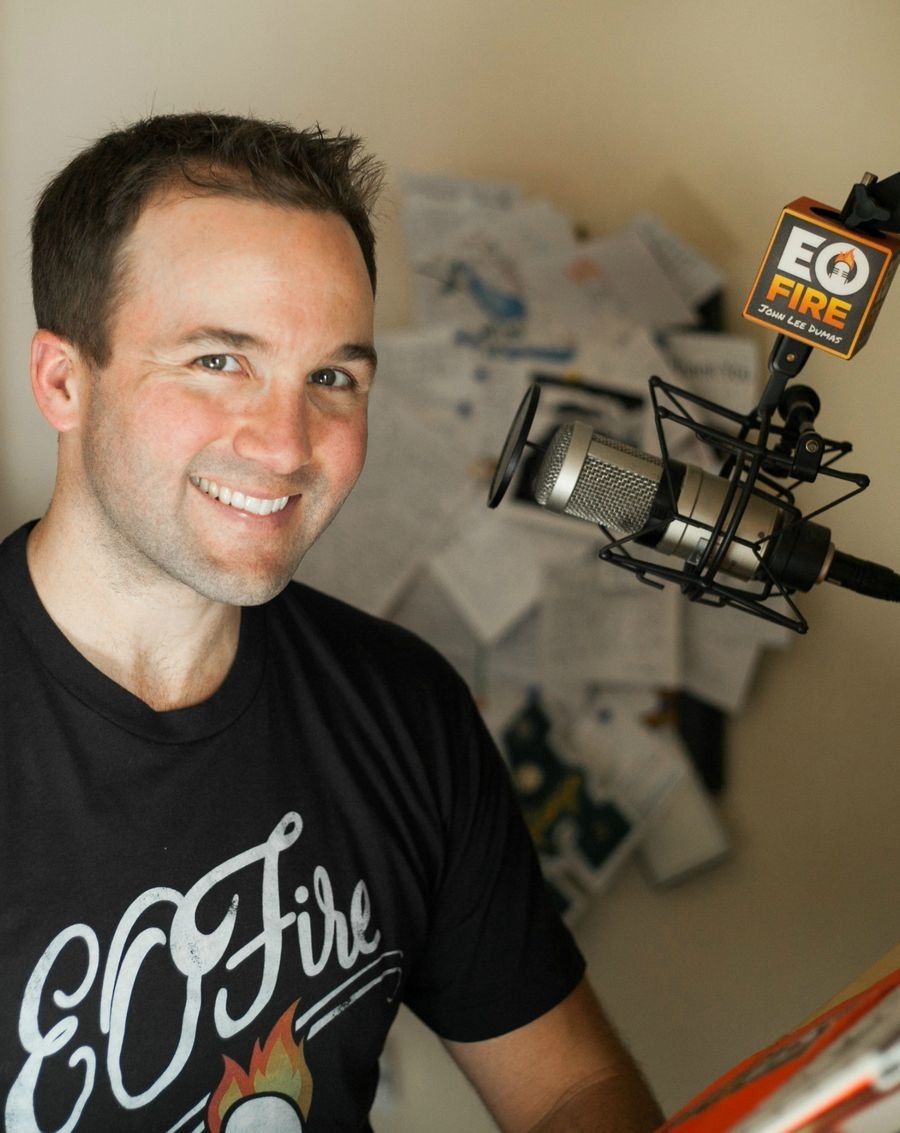
Image: Wikimedia Commons
Why We're Inspired
John Lee Dumas grew up in a small town in southern Maine and left at eighteen for Providence College on an Army ROTC scholarship. Commissioned in 2002 in the first post-9/11 class of officers, he completed a 13-month tour of duty in Ar Ramadi, Iraq by the time he was twenty-four, and left active duty as a Captain.
Then came what he calls his years of struggle. Law school lasted one semester. Corporate finance at John Hancock lasted about a year before he quit.
A tech startup did not fit either, and neither did real estate. What finally caught him was not a job but a commute: driving long hours in San Diego and Maine, he tore through entrepreneur podcasts — and noticed none of them published daily.
The shows he loved aired once or twice a week, and he would finish a month of episodes in days, always waiting for the next one. In 2012 he turned in his notice, gave himself a financial runway he had saved over eighteen months, and bet on the gap. His mentors told him a daily podcast was too much work.
He launched Entrepreneurs on Fire in September 2012 anyway — a new interview with a successful entrepreneur, seven days a week.
"You need to trust in yourself that you know you’re going to put in the time, effort and energy to really make it worthwhile,"
The Story
The daily bet built a media company. Dumas's own media pack counts more than 4,500 episodes and 160 million downloads, with a listener community he calls Fire Nation; SUCCESS reported the show generating $250,000 a month in revenue and more than a million listens a month.
He turned thousands of interviews into The Common Path to Uncommon Success, a 17-step roadmap to financial freedom and fulfillment, and built Podcasters' Paradise to teach others the craft. The officer who could not find his calling spent a decade asking founders about their worst moments — and built his own answer out of their stories.
Sources
EOFire — “John Lee Dumas | EOFire”
SUCCESS — “5 Tips to Ignite Your Success, From the ‘Entrepreneur On Fire’ Himself”
EOFire — “John Lee Dumas Media Pack”
More from The Bourgeois Society: The full list · Joe Polish · John Roush
Chief Executive Officer, MasTec — Coral Gables, FL
Official links: Website · X

Image: American Clean Power
Why We're Inspired
Jose Mas's story starts with his father. Jorge Mas Canosa was forced into exile from Cuba and arrived in Miami to rebuild from nothing.
When Church & Tower, a telephone-infrastructure company, was failing, its owner asked Mas Canosa to help save it; he took half ownership and management in 1969, climbed down into ditches and manholes to learn the work, turned the company around, and by 1971 had borrowed $50,000 to buy the remaining shares. That rescued company became MasTec.
Jose grew up inside it — as a high school student he worked on a construction crew digging ditches, then served in every part of the business, learning what the work meant to the people doing it.
When he became CEO in April 2007, the company was underachieving and roughly 90 percent of its revenue came from telecommunications installations, just as the landline business was fading. Mas reinvented the division around wireless — building cell towers for carriers riding the 3G and 4G wave — and diversified into pipelines, power transmission, renewables and heavy civil work.
The numbers tell the turn: revenue grew from $930 million in 2007 to more than $8 billion in 2021, MasTec was named a Fortune 500 company for the first time in 2018, and Wikipedia describes it as the second largest Hispanic-owned company in the United States, with $12.3 billion in revenue and 32,000 employees in 2024.
"My father came to this country from Cuba with the hope of building a brighter future."
The Story
Mas still runs the builder his father rescued, and he carries the family story into public life. He is a co-owner of Inter Miami CF and is focused on Miami Freedom Park, a development of more than $1 billion that includes a stadium and a 56-acre public park.
He serves on the boards of Helmerich & Payne and the United Way of Miami and as a trustee of the University of Miami, and he has received the Ernst & Young National Entrepreneur of the Year Award.
Through the family's Jorge Mas Canosa Freedom Foundation, more than 200 Cuban-American students have been given the means to pursue their academic careers — the exile's son, funding the next generation's start.
Sources
American Clean Power — “Jose Mas”
SBN — “Humble beginnings”
Wikipedia — “MasTec”
More from The Bourgeois Society: The full list · John Roush · Joseph Lambert
Founder, Joseph's Junk Removal — Atlanta, GA
Official links: Website · Instagram · Facebook

Image: Joseph's Junk Removal
Why We're Inspired
Joseph Lambert was twelve when his parents divorced. As the oldest of five kids in Sandy Springs, he started a little landscaping business on his street to help cover his own expenses, and it grew across the neighborhood.
At fifteen he partnered with a friend who could drive; landscaping customers kept asking them to haul off junk, and Joseph noticed the money was better there. His company's own telling puts one senior-year job at roughly $1,600 in about four hours.
At sixteen he bought his own truck, and at seventeen he dropped landscaping entirely and made it official: Joseph's Junk Removal, started with a single rented truck. While his friends worked on college applications, Lambert finished his diploma from home and went all in — preparing a PowerPoint to convince his family, by the company's account.
The growth was fast and unglamorous: monthly revenue climbed from $15,000 to more than $60,000 in July 2020 as lockdown households decluttered, the company passed $1 million in annual revenue in 2021, and by early 2022 it ran thirty employees and eight branded trucks.
UpFlip's episode on Lambert describes the business growing into a $1 million-a-month operation before he was old enough to legally drink.
"And when I was 17, I decided to focus exclusively on junk removal. That’s when “Joseph’s Junk Removal” was officially born."
The Story
In January 2024, Lambert sold Joseph's Junk Removal to Fire Dawgs, Inc., which folded the brand into Allied Junk Partners, a national platform backed by North Branch Capital — and he stayed.
As a Vice President at Allied, he oversees the Atlanta and Birmingham operations, mentors other local leaders in the network and helps drive growth across more than fifteen locations in seven states.
He has also spoken at local schools and entrepreneur meetups, making the case to young people in person: a truck, a work ethic and fast, friendly service can be a real path — no permission slip required.
Sources
Joseph's Junk Removal — “Joseph Lambert: Atlanta Entrepreneur”
Shoutout Atlanta — “Meet Joseph Lambert | Owner, Joseph’s Junk Removal”
More from The Bourgeois Society: The full list · Jose Mas · Ken Nitzberg
Chairman, Co-founder & CEO, Devon Self Storage — Emeryville, CA
Official links: Website
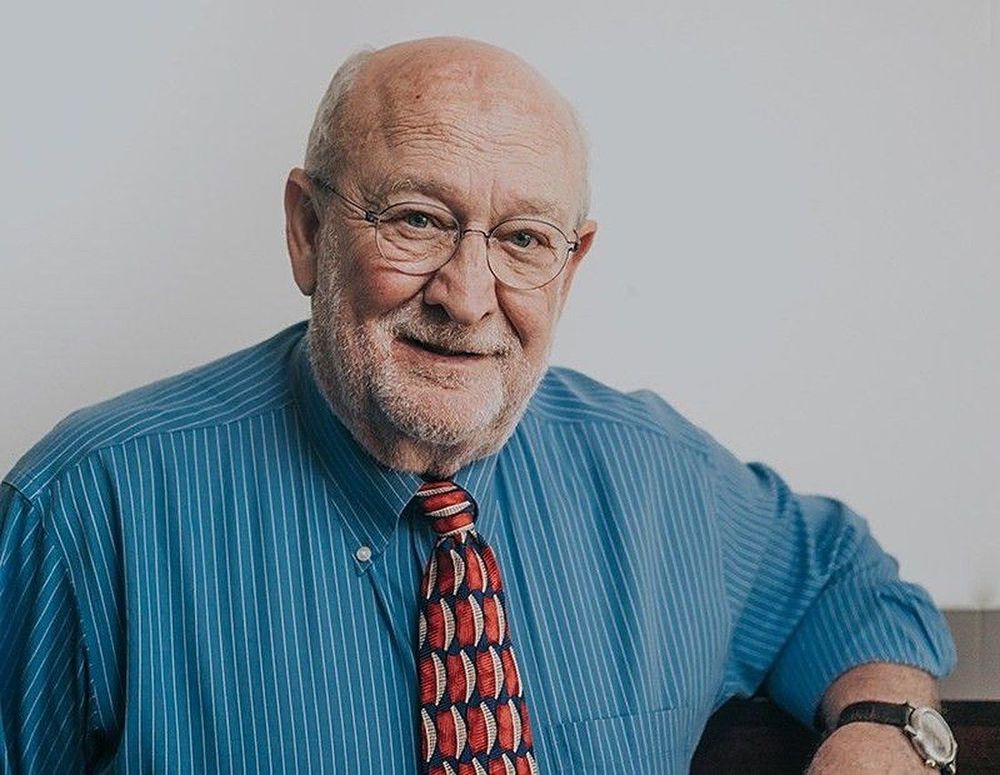
Image: Commercial Property Executive
Why We're Inspired
Ken Nitzberg had already built one company before storage. A UC Davis graduate, he co-founded Equitec Financial Group in 1973, served as its president from 1977, and helped grow it to $4.5 billion in assets under management before a controlling interest was sold in 1987.
In 1988 he co-founded Devon, writing its original business plan and raising the venture capital to start it. Devon began in office, retail and multifamily real estate — storage came by accident. In 1993, one of Devon's acquisition officers, going through a divorce, could not find a single storage unit to rent in The Woodlands, Texas.
His proposed answer was an unfinished strip shopping center: 50,000 square feet, four remaining tenants, offered for $600,000 through the Resolution Trust Corporation. Devon bought it, borrowed $1 million from Wells Fargo to convert it to self-storage, and sold it forty months later for $4 million. “We did nothing but storage after that,” Nitzberg says.
The conversion playbook — buy a failed building cheaply, convert it, fill it — took Devon across the United States and into seven conversions in the Netherlands, Germany and France. Goldman Sachs bought a 90 percent interest in 1998; Devon bought itself back in 2002 and kept going.
"For over 30 years Devon has been doing what we do best - acquiring, redeveloping and operating high quality self-storage properties,"
The Story
Nitzberg became one of his industry's elders: a Self Storage Association board member from 2002 to 2007 and its chairman in 2006, elected to the association's Hall of Fame in 2015, and in 2023 the third person to receive its Michael T. Scanlon award.
In January 2024, Inland acquired a majority interest in Devon, which then managed 202 properties and about 109,000 units nationally and had owned, managed or developed more than 350 facilities in 27 states and three European countries over its history.
Nitzberg stayed on as chairman and CEO — the man who saw a storage facility inside a failed strip mall, still running the company it became.
Sources
Inland Investments — “Inland Acquiring Majority Interest in Devon Self Storage Business”
Modern Storage Media — “Dynamic Alliance: Inland & Devon Self Storage”
Revere — “Ken Nitzberg - Chairman, Co-founder, And Chief Executive Officer - Devon Self Storage”
More from The Bourgeois Society: The full list · Joseph Lambert · Kyle Ewing
Founder & CEO, TerraSlate — Denver, CO
Official links: Website · LinkedIn · Instagram
Image: KyleEwing.com
Why We're Inspired
Kyle Ewing set out to sell paper in a world going paperless — and investors wanted no part of it. In 2014, as he tells it, he was trying to start a waterproof paper business in a digital world, in one of the oldest industries on earth, and every door he knocked on slammed shut. So he bootstrapped.
He paid for the first production run himself, about 100,000 sheets, from a plant that warned him he was small potatoes and might not take the job twice.
The idea itself had come in an airport security line, staring at a wrinkled, water-damaged passport; waterproof passport paper did not pan out, but a restaurateur's request for a reusable menu gave TerraSlate its foothold. The basement startup he founded in Denver grew past $40 million in revenue while staying 100 percent founder-owned, with no outside capital at all.
Its waterproof, rip-proof paper is used by the U.S. military, the NFL, biotech firms and Michelin-starred restaurants, and the company landed on the Inc. 5000 list of fastest-growing private companies two years in a row.
Ewing, who earned his undergraduate degree and his MBA at the University of Denver, built it on speed: 95 percent of orders are turned around the same day.
"It’s really a product that has a huge array of applications because it replaces the need for lamination, which is an old, antiquated technology that’s not recyclable."
The Story
Ewing now teaches the system behind the growth. He works with founders and leadership teams through courses, speaking and coaching, all built on one idea: a company should be able to run — and keep its standards — without everything flowing through the founder.
He wrote about building factories that scale in Ideas to Empires, guest-lectures for business students back at the University of Denver, and invests through Windward Equity. The founder investors turned away now spends his time showing other owners how he did it without them.
Sources
The Manufacturing Executive via Podscan — “Growing a Profitable Manufacturing Business Without Outside Investors w/ Kyle Ewing”
Manufacturing Tomorrow, Ohio State University — “Kyle Ewing, TerraSlate”
Daniels College of Business, University of Denver — “Daniels Alumni Co-Author Success Story at Waterproof Paper Company”
More from The Bourgeois Society: The full list · Ken Nitzberg · Lonnie C. Poole Jr.
Founder & Retired Chairman, Waste Industries — Raleigh, NC
Official links: Website
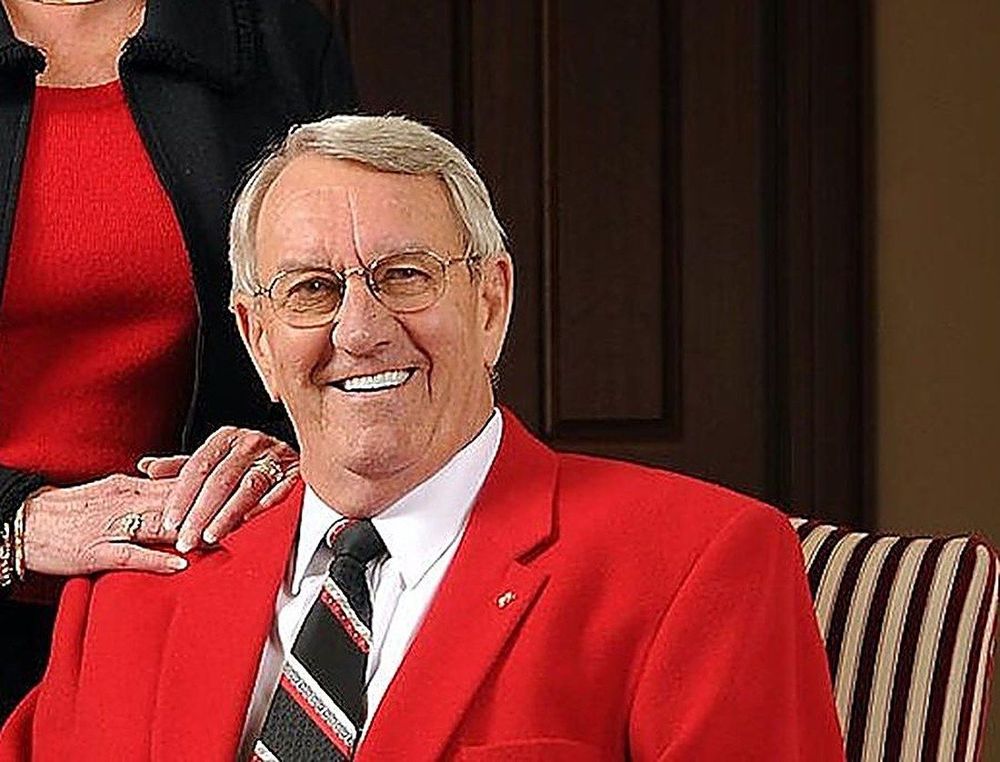
Image: NC State University, Poole College of Management
Why We're Inspired
Lonnie Poole grew up on a farm south of Raleigh and sold produce to earn enough money to attend college. He graduated from NC State in 1959 with a degree in civil engineering, then built a career as an engineer that took him to Ohio.
At 33, longing to come home, he made the bet of his life: he sold his Ohio home, took the $10,000 the sale brought, moved his young family in with his parents in Raleigh, added borrowed money from local businessman Gregory Poole — no relation — and incorporated Waste Industries in December 1970.
The first years were a fight to stay solvent. Poole persuaded communities to let his company operate landfills on a fee basis, at a time when private operators were few and far between, and the company spread across eastern North Carolina. By 1980 its revenues reached $10 million.
By 1997 it had 20 branch collection operations, 11 transfer stations and four recycling facilities, revenues hit $100 million, and Waste Industries became a publicly traded company. Poole served as chief executive until 2002 and chairman until 2008, when the company went private again with the Poole family owning 60 percent.
"If there hadn’t been an NC State at a very affordable rate, I would not have gotten a college education. And I would not have been able to succeed in the business world as I have."
The Story
The fortune came home. In December 2010, Poole and his wife, Carol Johnson Poole, gave $40 million to NC State — the largest gift in the university's history at the time.
Of it, $37 million endowed the College of Management, which now carries his name as the Lonnie C. Poole Jr. College of Management; $2.5 million funded the clubhouse at the Lonnie Poole Golf Course in Carol's name, and $500,000 endowed humanities and social sciences. He also co-founded the Environmental Research and Education Foundation.
The farm boy who needed an affordable college made sure the door he walked through stays open.
Sources
North Carolina History — “Waste Industries USA, Inc”
NC State News — “NC State Receives Record Gift”
NC State Chancellor's Annual Report — “Name of Distinction”
More from The Bourgeois Society: The full list · Kyle Ewing
Founder & President, National Storage Management Co. (formerly Pogoda Companies) — Farmington Hills, MI
Official links: Website

Image: National Storage Management Co.
Why We're Inspired
Maurice Pogoda's is a tortoise-beats-hare story, built one facility at a time over nearly four decades. He came to Michigan in 1985 after working in Manhattan as a marketing brand manager for Lever Brothers, overseeing campaigns for consumer products, and spent his first Michigan years at an income-property brokerage selling multi-family buildings, offices and shopping centers.
In 1987 he founded his own company in Farmington Hills to specialize in a niche most brokers ignored: self-storage. The discipline compounded. His company has brokered more than 90 self-storage transactions totaling more than $325 million in sales, has managed or owned nearly 70 facilities, and has built or renovated 18 properties.
Its facilities, operating as National Storage Centers, cover about 4.5 million square feet across Indiana, Kentucky, Michigan and Ohio. The company also syndicates facilities and manages properties for other owners, so its growth never depended on owning every building itself — a steadier model that kept working when deal cycles turned.
Through every economic cycle since the late 1980s, Pogoda kept acquiring, developing and managing — growing through strategic acquisitions and third-party management contracts rather than chasing whatever was fashionable in real estate that year.
"Being inducted into the Hall of Fame and recognized alongside so many leaders I’ve long admired is incredibly meaningful to me."
The Story
Pogoda also built the industry around him. He was a founder of the Self Storage Association of Michigan and served as its vice president for its first seven years, and he has served on the Self Storage Association Foundation Board of Governors.
The honors have followed: induction into the Self Storage Association of Michigan Hall of Fame and the Midwest Commercial Real Estate Hall of Fame. His company has rebranded as National Storage Management Co., aligning its name with its National Storage store brand, and operates 71 facilities — the 1987 startup, still growing on purpose.
Sources
Inside Self-Storage — “Pogoda Cos. Founder and President to Be Inducted Into Self-Storage Association of Michigan Hall of Fame”
Inside Self-Storage — “Self-Storage Veteran Maurice Pogoda Named to CRE Hall of Fame”
Inside Self-Storage — “Self-Storage Operator and Management Firm Pogoda Cos. Rebrands as National Storage Management Co.”
More from The Bourgeois Society: The full list · Mike Dorazio
Owner & Dealer Principal, Platinum Mitsubishi — Mechanicsburg, PA
Official links: Website · LinkedIn · Facebook · X

Image: Mitsubishi Motors North America, via Auto Remarketing
Why We're Inspired
Mike Dorazio's father died when Mike was four, and what followed was, by his own account, a challenging childhood — a boy angry at the world who landed in a detention home. The turn came with the United States Marine Corps, which he calls one of the best decisions he ever made.
After the service he started selling cars and worked his way up fast, becoming a general manager at 32, spending a short stint as a partner in a Ford dealership, then leaving the industry for almost ten years on the banking side with Westlake Financial before taking the leap into ownership.
He started Platinum with one employee on a 35-car lot, selling 13 cars a month; the podcast that profiled him — billing him as the owner of the number-one volume Mitsubishi dealer in the United States — reported growth to four locations selling more than 400 cars a month.
He opened Platinum Mitsubishi in Mechanicsburg in 2019 and a second store in Lancaster in 2020, right before the pandemic hit. Instead of pulling back, he hit the gas, opened a business development and customer care center, and came out of the restrictions stronger.
"I am forever indebted to the Marines for teaching me discipline, integrity, work ethic, leadership and many other skills that I still use every day."
The Story
Dorazio runs his stores on empathy: the same level of respect and service no matter a customer's situation, and the same treatment for subprime buyers as for anyone else — the hard deals other dealers turn away became the loyal customers who built Platinum. He gives back where his own story points him.
His company sponsors the Freedom Ride in Tyrone, Pennsylvania, supporting community veterans, and holds an annual Gold Star Family 5K, with proceeds going to Gold Star families and children of service members killed in action — a cause close to a man who lost a childhood friend in Iraq and knows what losing a parent young means.
Sources
Auto Remarketing — “Mitsubishi honors dealer for empathy, community involvement”
Millionaire Car Salesman Podcast — “EP 4:5 Interviewing The Owner of the #1 Volume Mitsubishi Dealer In The US”
More from The Bourgeois Society: The full list · Maurice Pogoda · Nick Huber
Co-founder, Bolt Storage; Founder, The Sweaty Startup — Athens, GA
Official links: Website · LinkedIn · Facebook · Instagram · X
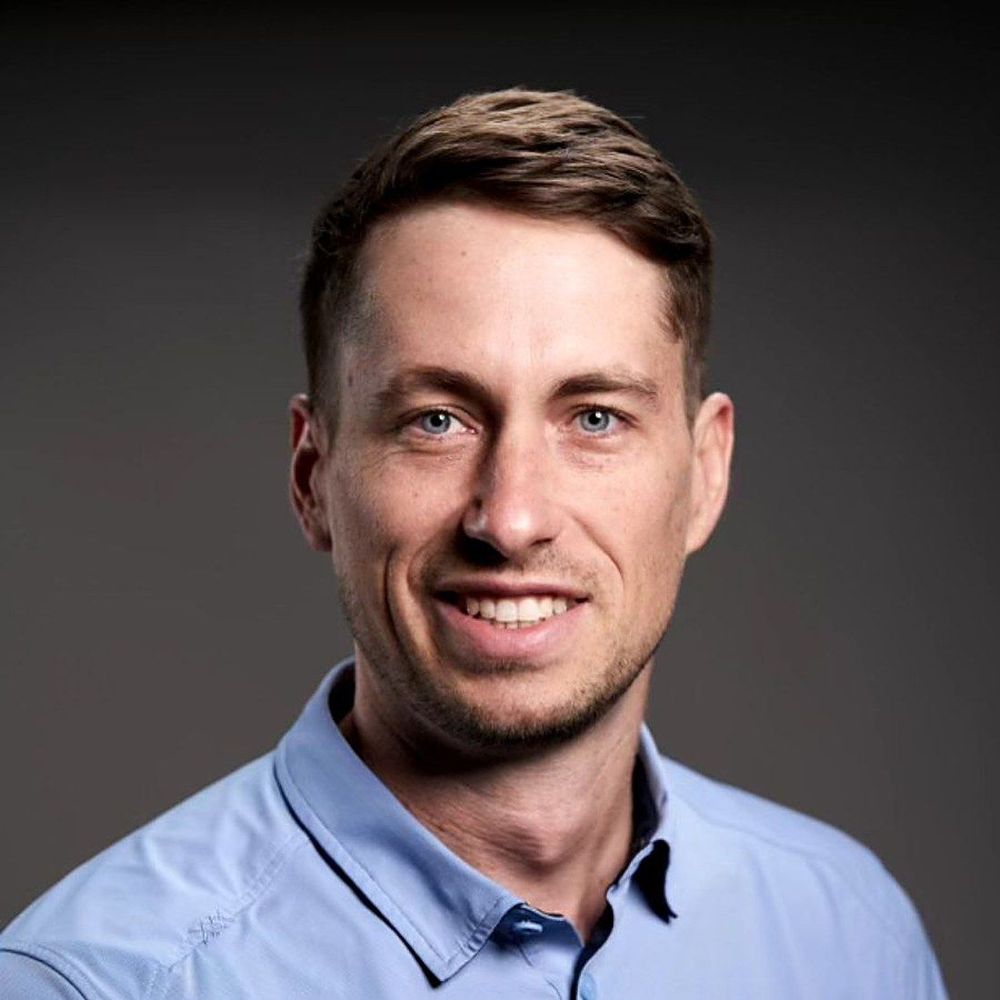
Image: The Sweaty Startup
Why We're Inspired
Nick Huber's first business started in a basement, during finals week, on a whim. He and Dan Hagberg were Cornell students — ILR majors, not business students — and co-captains of the track and field team when they began driving around at the end of their junior year, picking up classmates' belongings and storing them over the summer.
They used their first profit to pay their rent. The balancing act was real: Huber remembers fielding customer service calls during Ivy League championship track meets. But Storage Squad kept growing, and by the time the pair sold it in January 2021, for seven figures, it was operating on 30 college campuses in 15 cities across nine states.
The next act was already underway. Huber and Hagberg had begun buying self-storage facilities, wrapping each one in technology so customers could find units, sign leases and pay bills virtually.
That company, Bolt Storage, which Huber co-founded and operates, has grown to 1.9 million square feet of self-storage across 62 locations in 11 states — proof, twice over, that an ordinary service run unusually well can change a life.
"At the end of our junior year, during finals week on a whim, Dan and I started driving around, picking up and storing people’s stuff."
The Story
Huber, based in Athens, Georgia, has turned that lesson into a movement.
Through The Sweaty Startup — more than 400 podcast episodes, more than 200 articles and his book The Sweaty Startup — he teaches the principle his own career runs on: doing common things uncommonly well, and taking the simplest, lowest-risk path to owning a real business instead of chasing a Silicon Valley moonshot.
The broke college student who stored boxes to make rent now teaches a mass audience of owners how boring businesses, run with discipline, build wealth.
Sources
Cornell Chronicle — “ILR alumni sell storage business for seven figures”
Penguin — “The Sweaty Startup”
More from The Bourgeois Society: The full list · Mike Dorazio · Noah Kagan
Founder & CEO, AppSumo — Austin, TX
Official links: Website · LinkedIn · Facebook · Instagram · X
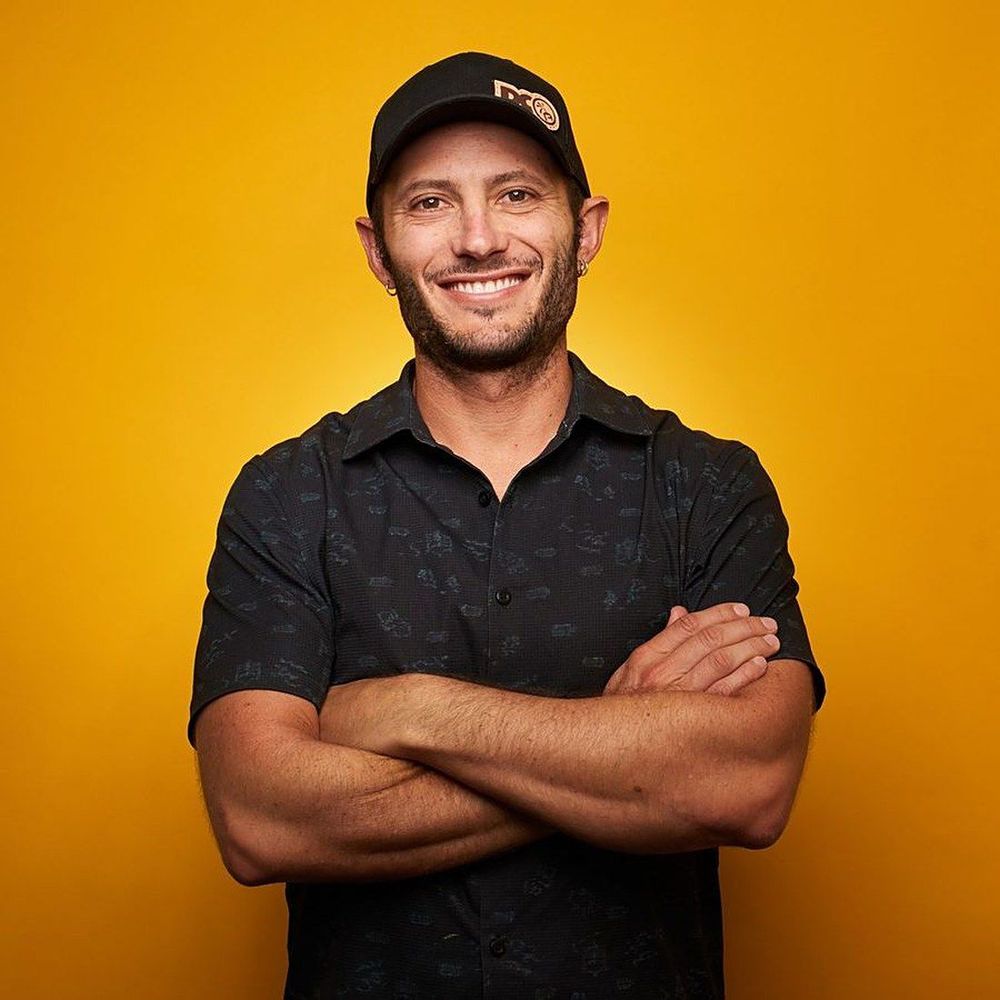
Image: Wikimedia Commons
Why We're Inspired
Employee number 30 at Facebook sounds like a winning lottery ticket, and for Noah Kagan it nearly was. He joined the young company as a product manager, holding stock options worth 0.1 percent of it — and then, a couple of months before those options vested, he was fired. He got nothing.
The host of Afford Anything, recounting his story, puts the options at around $100 million at the time and describes what followed plainly: Kagan fell into a deep depression, and it took a therapist's help to reframe the loss and pick himself back up.
Nor was Facebook the only door that closed — he was fired from Mint.com as well, where he had been an early marketing hire. So he stopped letting one boss control his livelihood. He built other businesses from scratch, and in 2010 he founded AppSumo, a marketplace that promotes software deals for entrepreneurs.
On My First Million, he shared the receipts himself: gross sales of $76.7 million, net revenue of $56 million and profit of $7.5 million, after years of bootstrapping and profitability. The man who walked away from Facebook with zero built his fortune one small, deliberate ask at a time.
"I think that it was good for them to fire me. I would have fired me if I was them"
The Story
Kagan now teaches the rebuild in public. His book Million Dollar Weekend argues that a real business can be launched in a weekend — find a customer, make the ask, collect a first dollar before you build anything.
His “coffee challenge” trains founders to ask a coffee shop for 10 percent off, just to get comfortable hearing no. It is the same lesson his own life taught him: rejection is not the end of the story, unless you stop asking.
Sources
PodPulse / My First Million — “How This +$80M Founder Launches A Startup In A Weekend”
Afford Anything — “#485: How to Start a Business in One Weekend, with Noah Kagan”
Chase Jarvis — “Noah Kagan's ‘Now, Not How’ Guide to Launching Your Business”
More from The Bourgeois Society: The full list · Nick Huber · Patrick Dovigi
Founder, President & CEO, GFL Environmental — Miami Beach, FL
Official links: Website
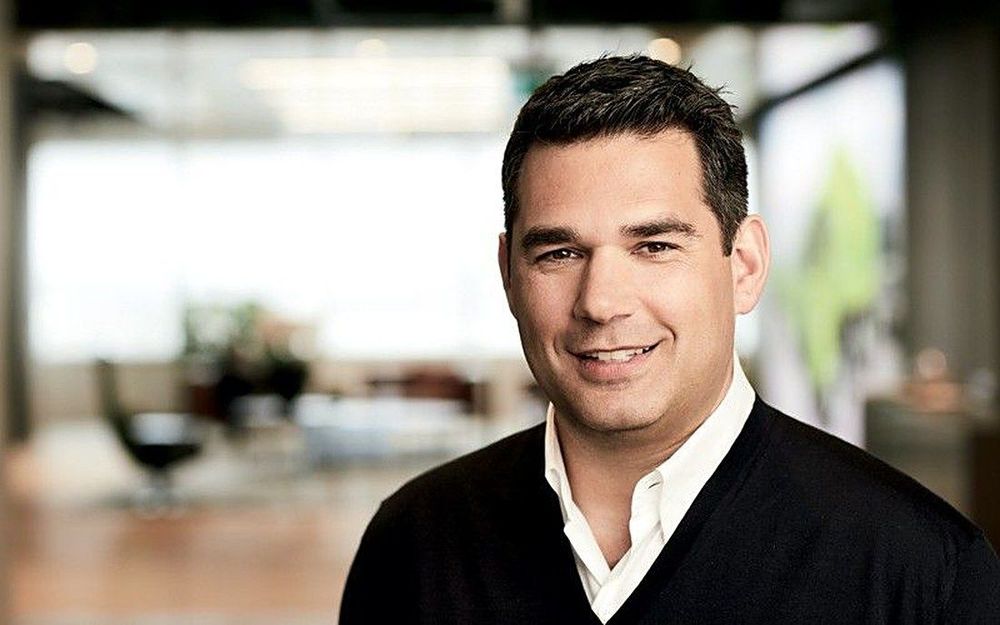
Image: Wikimedia Commons
Why We're Inspired
In Sault Ste. Marie, Ontario, Patrick Dovigi grew up playing hockey on a rink his father built in the backyard — he laced up his first skates at two, left home at fourteen to play junior hockey, and was drafted as a goaltender by the Edmonton Oilers in 1997, tending goal for the Erie Otters.
But a drafted player goes where he is sent, and by 2001 Dovigi had lost his enthusiasm for a life other people controlled.
Business gave him his second education the hard way: an investment he was helping oversee went, in his words, horribly wrong — a waste company that had violated its environmental permits, a fire that burned at a trash site for two weeks, an owner fined and jailed, and a clean-up that took two and a half years.
Dovigi calls that disaster his crash course in waste management, and he came out of it with one big idea: buy up the small, overlooked mom-and-pop haulers and offer customers a one-stop shop. In the summer of 2007, with $10 million in seed capital, he founded Green For Life — GFL — merging several small Ontario firms.
GFL describes itself as the fourth largest diversified environmental services company in North America, with more than 17,000 employees across Canada and 19 U.S. states.
"I wanted to get into something where I would control my own destiny."
The Story
Dovigi still runs the company he founded, as its president and chief executive officer, and the goalie has not forgotten where he came from. He was named EY Entrepreneur of the Year for Ontario in 2017 in the power, utilities and environment category.
In his hometown, GFL took the naming rights to the Soo Greyhounds' arena — the GFL Memorial Gardens. And in 2019 he donated $5 million to fund the Dovigi Family Sports Medicine Clinic in Toronto, turning a hockey childhood into care for other athletes.
Sources
Wikipedia — “Patrick Dovigi”
Canadian Business via Sportsweek — “How Former Hockey Pro Patrick Dovigi Created a Multibillion-Dollar Business”
GFL Environmental via CNW — “GFL Environmental Announces Appointment of Allen Gransch as Chief Operating Officer”
More from The Bourgeois Society: The full list · Noah Kagan · Paul Orfalea
Founder, Kinko's — Santa Barbara, CA
Official links: Website
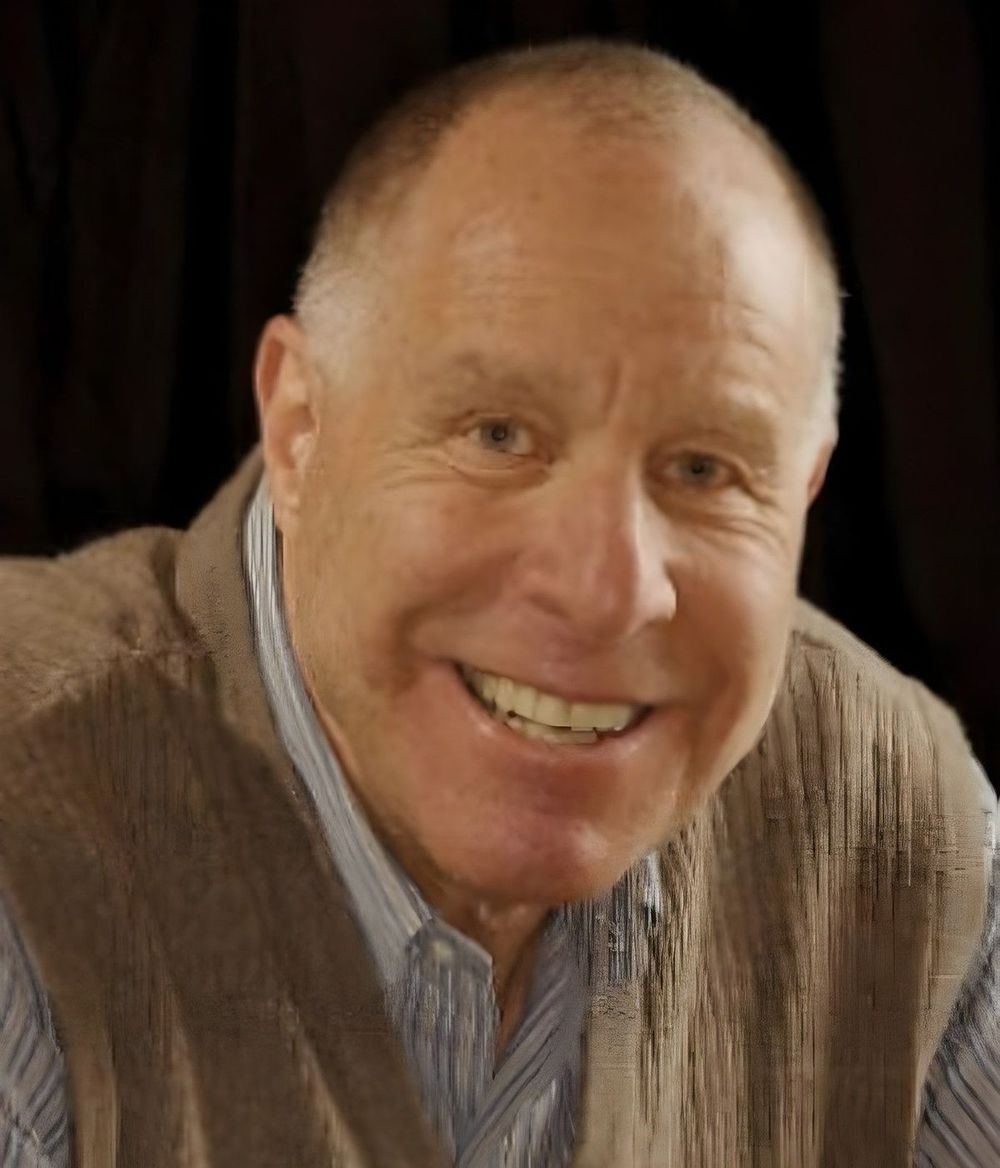
Image: USC Marshall
Why We're Inspired
School had a verdict on Paul Orfalea, and it was not kind.
Dyslexic, with ADHD, he struggled to learn the alphabet, flunked the second grade — by his account he flunked two grades in all — and was expelled from several schools; his typical high-school report card, he says, was “two C's, three D's, and an F.” He was fired from a number of jobs, too.
What he had was a family that backed him, a nickname — “Kinko,” for his curly red hair — and eyes that noticed things. As a student near UC Santa Barbara in 1970, he watched classmates line up to pay ten cents a page at the library copier and figured he could do it cheaper.
With a $5,000 bank loan co-signed by his parents, he opened a tiny shop in Isla Vista, rented for $100 a month beside a hamburger stand, selling copies at four cents.
His restlessness became the research department: instead of sitting in an office, he walked his stores, spotted customers asking to use computers and added them, and picked up the idea of staying open 24 hours from the customers themselves.
Kinko's grew to more than 1,200 locations and 23,000 employees in ten countries, Fortune named it one of the best places in America to work three years in a row, and in 2004 it was acquired by FedEx.
"My learning disability gave me certain advantages, because I was able to live in the moment and capitalize on the opportunities I spotted."
The Story
Orfalea retired from Kinko's in 2000 and turned the same energy toward kids who learn the way he did. Through the Orfalea Foundation, established in 2000, he backs early childhood education, learning differences and youth development, including a School Food Initiative that trains school kitchens to cook from scratch.
He gave $15 million to California Polytechnic State University, whose business college now bears his name, and he teaches as a visiting professor at universities including USC and UC Santa Barbara. His memoir is called Copy This! — lessons from a hyperactive dyslexic, as its subtitle proudly says.
Sources
Edge Foundation — “Paul Orfalea - Turning Learning Challenges Into Business Opportunities”
Wikipedia — “Paul Orfalea”
USC Marshall — “Paul Orfalea”
More from The Bourgeois Society: The full list · Patrick Dovigi · Peter Taunton
Founder & CEO, Express Wash Concepts — Columbus, OH
Official links: Website
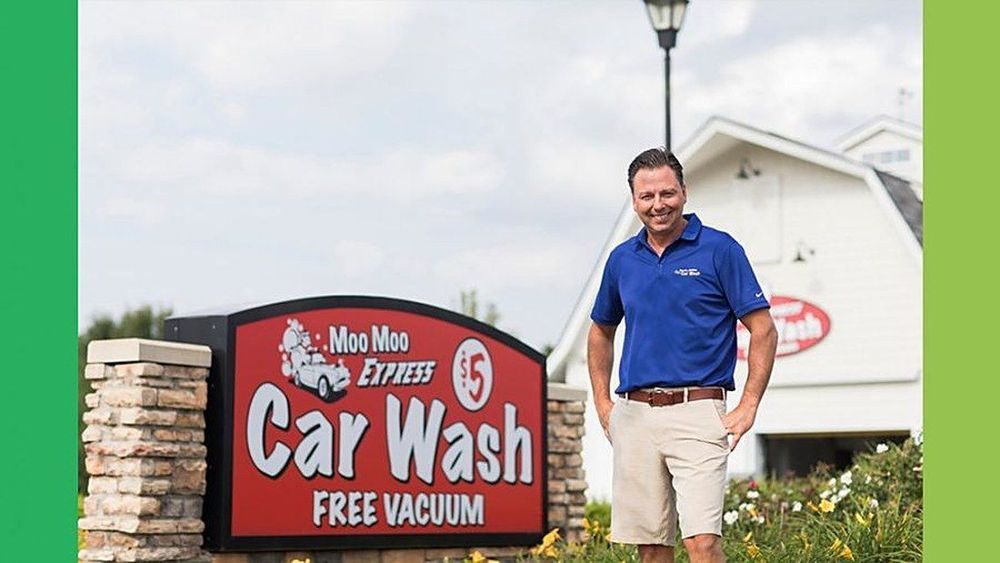
Image: Grow Like A Pro
Why We're Inspired
John Roush came to car washes with more than twenty-five years in retail and commercial development — researching sites, planning projects and building brands.
In Columbus in 2009 he opened a single Moo Moo Express Car Wash and did the unglamorous work store by store: site selection, branding, operations, and a simple promise of a fast, high-quality wash, free vacuums and a satisfaction guarantee.
There was no shortcut and no national name to hide behind, just one hometown wash that had to earn repeat customers. It did.
That single Moo Moo became Express Wash Concepts, and the company grew through new development and acquisitions into five brands — Moo Moo Express, Flying Ace Express, Clean Express, Green Clean Express and Bee Clean Express — across six states.
The milestone came home: the company's 150th location opened as a Moo Moo Express on Cleveland Avenue in Columbus, its 40th in Central Ohio, with 148 locations operating at the time of the celebration and fourteen more under construction.
One membership in its Wash Smart Unlimited Club works at any location in the network — a system built so a customer who trusted the first wash can trust all of them.
"Reaching 150 locations is a defining moment for EWC, but what makes it especially meaningful is celebrating it here in Columbus, where everything started."
The Story
Growth, in Roush's model, is supposed to wash its own neighborhood too.
The company's stated mission is “Enhancing People, Communities and Cars Through the Power of Clean,” and every grand opening partners with a local nonprofit: for the 150th location, Moo Moo donated $10 for every new top-tier membership to Wagons Ho Ho Ho, which fills wagons with gifts and essentials for Central Ohio children, and sold gift cards with all proceeds going to the same cause.
In Cleveland, an opening raised $8,300 for the Center for Arts-Inspired Learning. Quiet, repeatable generosity — one wash, one town at a time.
Sources
PR Newswire — “Express Wash Concepts Celebrates Milestone 150th Location With Moo Moo Express Grand Opening in Columbus”
citybiz — “Express Wash Concepts Opens 150th Location with New Moo Moo Express Car Wash in Columbus”
Grow Like A Pro — “#36 | Succeeding in the Car Wash Business with John Roush”
More from The Bourgeois Society: The full list · John Lee Dumas · Jose Mas