Image: University of Northern Iowa
Other Owners: The Builders Behind Eren Bali, Elias Torres, Isaiah Owens and Devan Kline
A funeral director who became a Harlem institution. A teenager who started with a mop. Fifteen more owners who built their way out of hard starts.
Produced and Edited by The Bourgeois Society Staff
Part two of our four-part Other Owners list: fifteen more founders and buyers — car washes, gyms, funeral homes, tech startups — each built from a beginning nobody would envy.
Selected on the obstacle climbed, the thing built, and the good given back — and fact-checked line by line, with sources linked under every profile.
The full list: Part 1 · Part 2 · Part 3 · Part 4
Founder & President, The Herb Chambers Companies — Boston, MA
Official links: Website
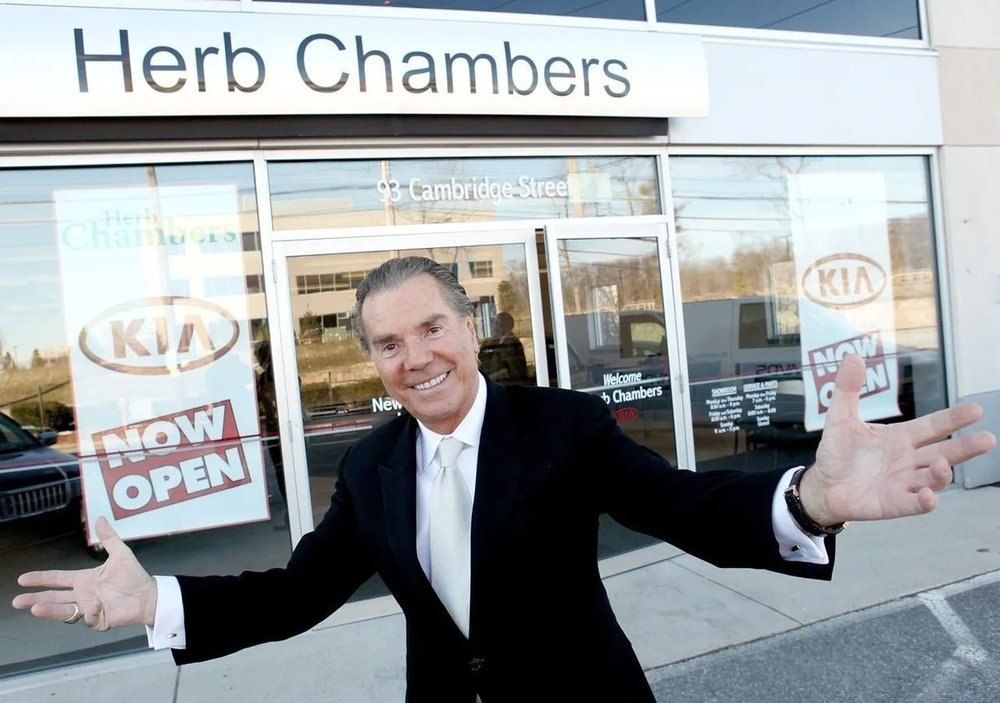
Image: ASOTU Daily
Why We’re Inspired
We’re inspired because Herb Chambers is this magazine’s purest counted-out, then counted-in arc: a dropout with $500 of family money and a Navy equivalency certificate who out-served an entire industry — and who says reputation, not margin, is the business. His $100 million gift to build a cancer center is what that philosophy looks like at scale.
“It gives me immense pride to be in a position to give back to a city that has given me so much.”
The Story
Raised in working-class Dorchester, Chambers was collecting carts at the neighborhood grocery when his mother began charging him $15 a week in rent at thirteen.
He dropped out of high school in his senior year, joined the U.S. Navy as an aviation electrician — serving aboard the USS Lake Champlain during the Cuban Missile Crisis — and earned in the service the equivalency credentials school had denied him.
Fired by his own mother from her bar over a scheduling mix-up, he started as a $75-a-week copier repairman and, with money borrowed from his parents, built A-Copy America into the world’s largest copier dealership, sold for a reported $80 million.
Then he went shopping for a Cadillac, was so disgusted by how he was treated that he bought the dealership on the spot for $1.7 million — and rebuilt car selling around the customer’s experience, down to washing every car that came in for service.
The Herb Chambers Companies grew to 60 dealerships and 3 collision centers, the largest veteran-owned business in Massachusetts; he has since sold most of the group in a deal valued above $1.3 billion, retaining Mercedes-Benz of Boston. Forbes ranks him on the Forbes 400.
Invited back to his old high school as graduation keynote speaker, he was surprised on stage with the diploma he never got.
Sources
Mass General — “MGH Receives Transformational Gift from Herb Chambers”
Wikipedia — Herb Chambers
Mass General Brigham Giving — “A Towering Philanthropist Sets Out to Reinvent Cancer Care”
More from The Bourgeois Society: The full list · Darin Zwick · David Wilson
Founder & CEO, Wilson Automotive Group — Orange, CA
Official links: Website
Image: University of Northern Iowa
Why We're Inspired
David Wilson grew up in Traer, Iowa, a town of about 1,000 people, the oldest of five children whose father had been a rodeo cowboy. He mowed neighbours' lawns to buy his own baseball glove and ran paper routes like a business.
At the University of Northern Iowa he studied philosophy — he once considered the ministry — and paid his way working nights and weekends changing oil, lube and filters at a dealership. Then came the mistake that made him.
He forgot to replace the plug in the oil pan of a telephone company van, the oil leaked out and the engine was ruined. His wages could not cover the damage, so he moved into sales to pay it off — and discovered he was good at it, reaching sales manager within two years.
After five years as vice president and general manager of a Phoenix dealership, he arrived at Toyota of Orange as general manager in 1982, bought a 25 percent stake, and owned the store outright by 1985, lifting sales from 2,500 vehicles a year to nearly 10,000.
That one store became Wilson Automotive Group: 17 dealerships across California, Arizona, Nevada and Mexico, with more than 2,000 employees.
"Take care of your employees, and they'll take care of your customers."
The Story
Wilson promotes from within and gives the milestones away. In 2015 he became the first dealer in history to sell 500,000 Toyota, Lexus and Scion vehicles — and donated the milestone car to the Orangewood Children's Foundation; the group's millionth vehicle was donated to children's charities too.
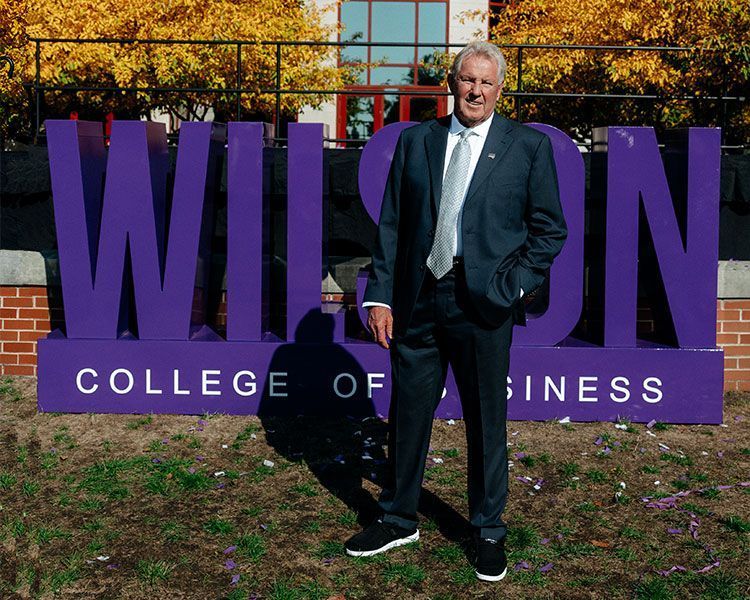
He gave $1 million to his alma mater to endow a chair in business ethics, then a $25 million gift, the largest in the university's history, that named the David W. Wilson College of Business. The farm kid who could not afford a baseball glove now funds scholarships for kids from the county he grew up in.
Sources
WardsAuto — “Dealer Success Stories Vary”
Wilson Automotive Group — “Who is David Wilson?”
Horatio Alger Association — “David W. Wilson”
More from The Bourgeois Society: The full list · Herb Chambers · Devan Kline
Co-founder, Burn Boot Camp — Cornelius, NC
Official links: Website · LinkedIn · Facebook · Instagram · X
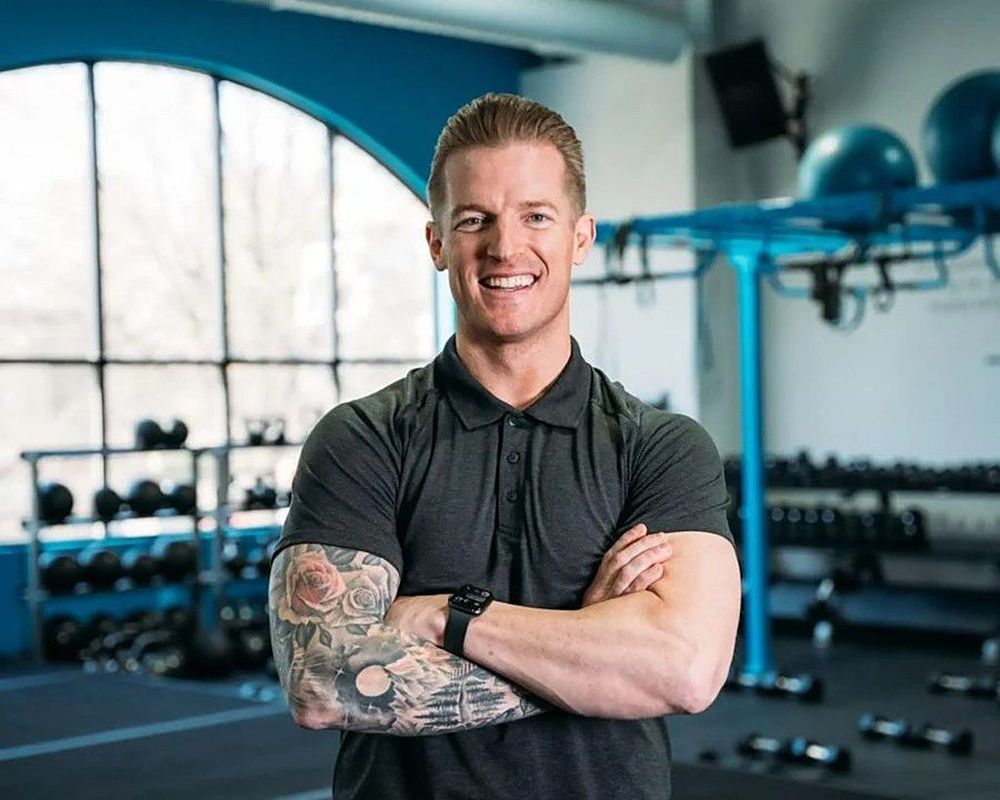
Image: Burn Boot Camp
Why We're Inspired
Devan Kline's childhood in Battle Creek, Michigan, was chaos. His father was in jail, his mother abandoned him, and his speaker biography recounts that he was moved through more than 20 homes before he was ten.
Home was abusive, so he escaped to the field — basketball, football, and above all baseball — leaving early and coming home late to stay out of the turbulence. Baseball carried him into the minor leagues.
On the road, living with host families, he noticed something that stayed with him: the women who housed him spent so much time caring for everyone else that they neglected themselves. After his playing career ended, he and his wife Morgan — they met in sixth grade — started Burn Boot Camp in a parking lot in the Charlotte area.
They were 24, with no money or track record to get a lease. They built one location to five before franchising a women-first concept: 45-minute strength and conditioning workouts, with childcare built in from day one, because time and children were the barriers. The brand has grown to more than 400 open studios, with some 600 franchises awarded.
"I pretty much knew what was waiting for me at home on any given day. I used the field to escape."
The Story
Kline wrote the book Stop Starting Over and speaks widely on overcoming adversity — the story he tells is the one he lived. Inside the company, the pattern is familiar: most franchise partners are women, and they come from within the system, members and trainers who became owners.
He and Morgan remain founder-owners of a brand built for the women he watched go last in their own lives. The kid who had no stable home built a business that functions, on purpose, like a supportive one.
Sources
Unemployable with Jeff Dudan via TopPodcast — “How Devan Kline Built a $500M Fitness Empire From a Parking Lot”
aSweatLife — “How Devan Kline is Helping Women Take Care of Themselves Through Fitness”
A-Speakers — “Devan Kline”
More from The Bourgeois Society: The full list · David Wilson · Doug Casella
Co-founder, Drift; Founder, Agency — Boston, MA
Official links: Website · LinkedIn · X

Image: Agency
Why We're Inspired
Elias Torres arrived in the United States from Nicaragua at seventeen without speaking English. He attended Leto High School in Tampa, cleaned houses and flipped burgers, and won a place at the University of South Florida through its Latino Scholarship Program, graduating in 1998; he later studied at Harvard.
He spent ten years as a software engineer at IBM, watching colleagues leave for startups, before jumping himself — to a ten-person company with no revenue that died within a year in a recession. He kept going. At Performable, the startup he helped build with David Cancel, he served as vice president of engineering before HubSpot acquired it.
Torres and Cancel then co-founded Drift, the Boston conversational-marketing platform, where he was chief technology officer for eight years. Drift grew past a $1 billion valuation and was sold to Vista Equity Partners for $1.2 billion in 2021 — a rare outcome for any founder, and a landmark one for a Latino immigrant who started out cleaning houses.
Speaking to students at his alma mater, he is candid about the cost side of the ledger, and just as clear that the mistakes do not get the final word.
"I look back and count the mistakes I have made – it doesn't matter. Those are failures, but it doesn't mean I'm a failure"
The Story
Torres started again with Agency, an AI company built to handle the follow-up work of customer success teams, raising $32 million from investors including Sequoia, Menlo Ventures and Felicis.
Klaviyo then acquired Agency, and Torres joined as chief product officer, leading its 25-person team — a full-circle move: back at Performable in 2010 he had hired Klaviyo's co-founder Andrew Bialecki as one of its first engineers and mentored him, and later backed Klaviyo's first outside round as an angel investor. The mentor and the mentee are building together again.
Sources
Tampa Bay Tech / St Pete Catalyst — “Drift's co-founder discusses facing the unknown”
TechCrunch — “Klaviyo acquires Elias Torres' Agency in full-circle reunion for tech founders”
More from The Bourgeois Society: The full list · Doug Casella · Eren Bali
Co-founder, Udemy; Founder & Executive Chairman, Carbon Health — San Francisco, CA
Official links: Website · LinkedIn · X
Image: Wikimedia Commons
Why We're Inspired
Eren Bali was born in Durulova, a small apricot-farming village in Malatya, Turkey, to Kurdish parents who were both teachers. His mother taught five grades at once in a one-room schoolhouse; his father was banned from teaching after the 1980 coup because of his activism.
Bali taught himself mathematics on the internet — the village kid, learning from the world beyond the village — and in 2001 he won a silver medal at the International Mathematical Olympiad. He graduated from Middle East Technical University in 2005 with a double major in computer engineering and mathematics.
His first attempt at online learning, a livestream platform launched in Turkey in 2008, did not take off. He moved to Silicon Valley as an engineer, and in 2010 co-founded Udemy with Oktay Caglar and Gagan Biyani, raising $1 million in seed financing to build a marketplace where any expert could teach anyone, anywhere.
By 2014 Udemy had grown to four million students and 15,000 teachers, Bali had been named to Forbes' 30 Under 30 list, and he stepped aside as chief executive to become chairman.
"I came from a small village in Turkey where I went to a one-room schoolhouse and eventually found myself learning math via the Internet."
The Story
Bali's second company came from family, not markets: after his mother became ill, he spent months accompanying her to doctors in search of the right diagnosis and treatment, and came away determined to rebuild primary care. In 2015 he founded Carbon Health in San Francisco, a technology-driven primary-care company.
He later returned to Udemy as chief technology officer while remaining executive chairman of Carbon Health — still working both sides of the same conviction that carried him out of the one-room schoolhouse: that access to learning, and to care, should not depend on where you happen to be born.
Sources
Getting Smart — “Q&A: Every Expert Will Teach Online In 10 Years”
Wikipedia — “Eren Bali”
More from The Bourgeois Society: The full list · Elias Torres · Frank Scarso
Founder & CEO, Avanza Capital Holdings — New York, NY
Official links: Website · LinkedIn
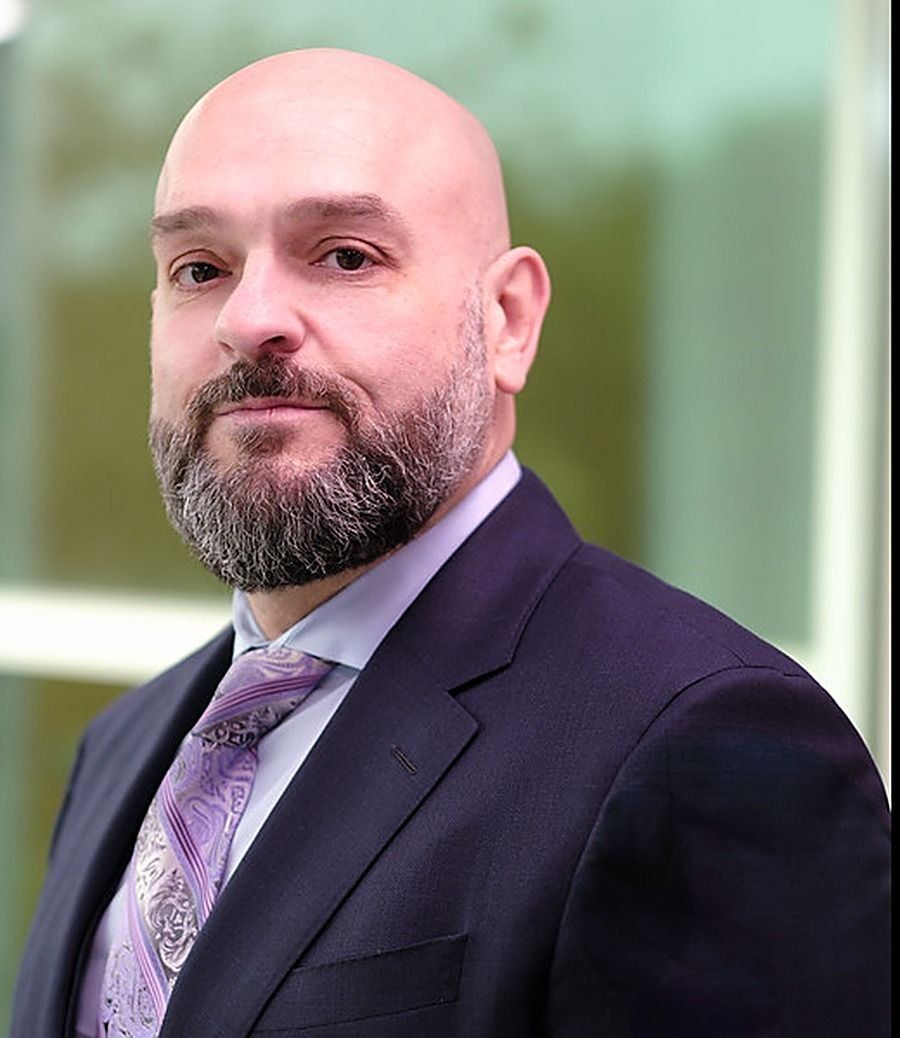
Image: U.S. Chamber of Commerce / CO—
Why We're Inspired
Frank Scarso spent about two decades on Wall Street — 21 years, by his own count — and then lost everything to addiction. He was living on the street, estranged from his wife and children for almost three years, and went 18 months without seeing his kids.
In his memoir, The Hard Way Home: How Losing Everything Taught Me What Really Matters, and in interviews since, he has told that story without polish: the fall, the rock bottom, and the slow work of earning his way home.
A phone call with his brother — who asked whether he wanted his children to have good memories of their childhood — became the turning point he still talks about. What he built next grew out of that second chance.
He founded Avanza Capital Holdings, an alternative lender in the merchant cash advance space, and says he brought a Wall Street habit of customer service into an industry not known for a human touch. Since 2017, Avanza has deployed more than $250 million to small businesses across 48 states — the kind of owners Scarso says banks routinely pass over.
"For me, the motivation was I just wanted to go home."
The Story
Scarso says sobriety changed how he leads: less guns-blazing, more hands-on and empathetic, and quick to mentor younger people for free. His argument in The Hard Way Home is that failure, honestly faced, makes better and more accountable leaders than an unblemished record ever could.
The lender who was once written off now makes his living betting on small businesses other lenders wrote off — and telling anyone at rock bottom that it does not have to be the end of the story.
Sources
Founder's Story via HappyScribe — “From Wall Street to Homelessness: How He Rebuilt Everything & Deployed $250M | Ep 308 with Frank Scarso”
New York Trend — “Frank Scarso's Memoir Argues Failure—Not Success—Creates Stronger CEOs”
More from The Bourgeois Society: The full list · Eren Bali · Gant Elmore
Partner, Elmore Companies — Bloomington, IN
Official links: Website
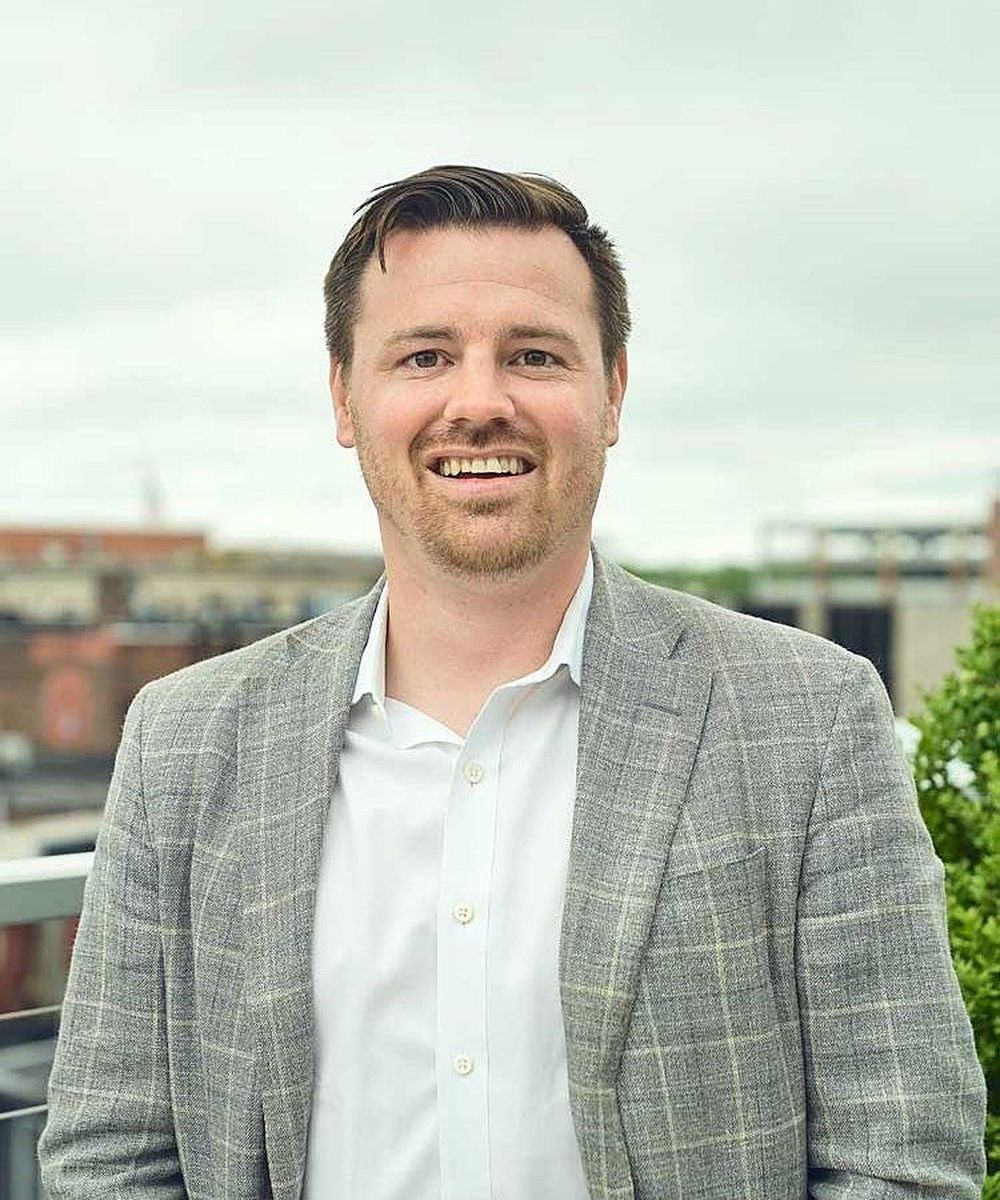
Image: Columbia Business School
Why We're Inspired
Gant Elmore's family story starts one rung at a time. His grandfather grew up in Anderson, Indiana, the first in his family to go to college, went on to law school, and started buying businesses — building a tour operating company in the 1960s and 1970s, sometimes doing more than 50 acquisitions in a year.
His father earned a JD/MBA at Indiana University, turned around a struggling corporate travel company he bought from his father, and diversified from there — one education company his father bought at about $2.5 million in revenue in 1998 now does well over $100 million, held the whole time. Gant's own road was not a straight inheritance.
He earned a B.A. in economics from Yale in 2011, was drafted by the Milwaukee Brewers and played in their minor league system, worked at Morgan Stanley and at a Dallas private equity firm, then earned his JD and MBA with honors from Indiana University in 2016.
With his sister Lauren, he bought his first company in 2014 — a small Texas stockpile-measurement business — and fought off a wave of venture-funded drone competitors to grow it toward a reported $40 million in revenue.
The Story
Today Gant is a partner at Elmore Companies in Bloomington, the family's third-generation holding company. In his own accounting, the portfolio runs to roughly 20 companies with more than half a billion dollars in combined annual revenue and several thousand employees — and the family rule is to hold forever and let compounding work, often for a decade or more.
He and his father team-teach an entrepreneurship-through-acquisition course at Indiana University's Kelley School of Business, passing the playbook to the next generation of buyers.
Sources
Acquiring Minds — “The Origins and Future of a 9-Figure SMB Holdco”
Columbia Business School — “Gant Elmore”
More from The Bourgeois Society: The full list · Frank Scarso · Greg Geronemus
Co-founder & Managing Partner, Footbridge Partners — San Francisco, CA
Official links: Website
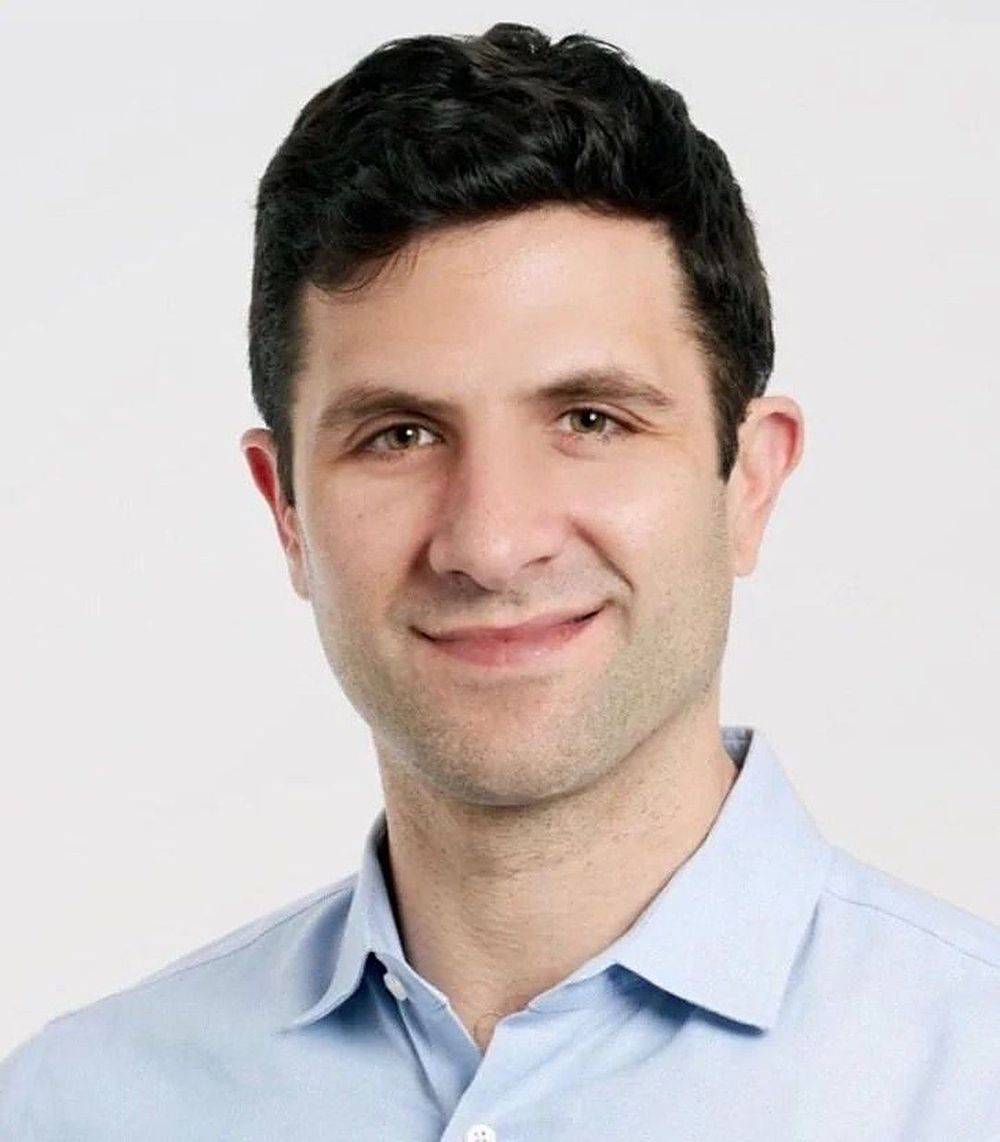
Image: Footbridge Partners
Why We're Inspired
Greg Geronemus grew up in New York City around his family's healthcare business — his father's cosmetic dermatology practice, which grew to 15 physicians — filing, helping with insurance claims, and watching an entrepreneur up close.
After Harvard College he followed the herd to Goldman Sachs, working in a private equity arm, but by his early twenties he knew he wanted to build something of his own. At Harvard Business School he and his friend David Rosner discovered the search fund idea and fell for it.
Their search capital was, in Greg's words, cobbled together from old bosses, mentors and people around campus — search was still young and informal. A chance conversation at a Midtown networking event led them to smarTours, an old-fashioned group tour operator sending mostly older Americans to exotic destinations.
It was not on their radar, but it collected cash up front and had room to improve. They bought it, ran it as co-CEOs, and four years later sold it: Greg has said the business had about $7.5 million of EBITDA and sold at nine times that — $67.5 million.
"The process of mentoring and coaching and working really collaboratively with searchers was just a blast."
The Story
Coming out of smarTours, Geronemus and Rosner revived the Footbridge Partners name from their original search fund — this time as investors backing other first-time business buyers.
Their pitch is deliberate: work with a small number of traditional searchers each year and be the most hands-on investors in the space, by text, phone or on a plane to help close a deal. Geronemus also serves on boards including the THANC Foundation, which supports head and neck cancer patients, and lectures on search at MBA programs.
Sources
Acquiring Minds — “Buy Well, Exit Better: A $67m Win in 4 Years | Greg Geronemus Interview” (video)
Searchfunder / Think Like an Owner — “Greg Geronemus – Traditional Search Misconceptions – Ep.102”
More from The Bourgeois Society: The full list · Gant Elmore · Isaiah Owens
Founder & Owner, Owens Funeral Home — New York, NY
Official links: Website
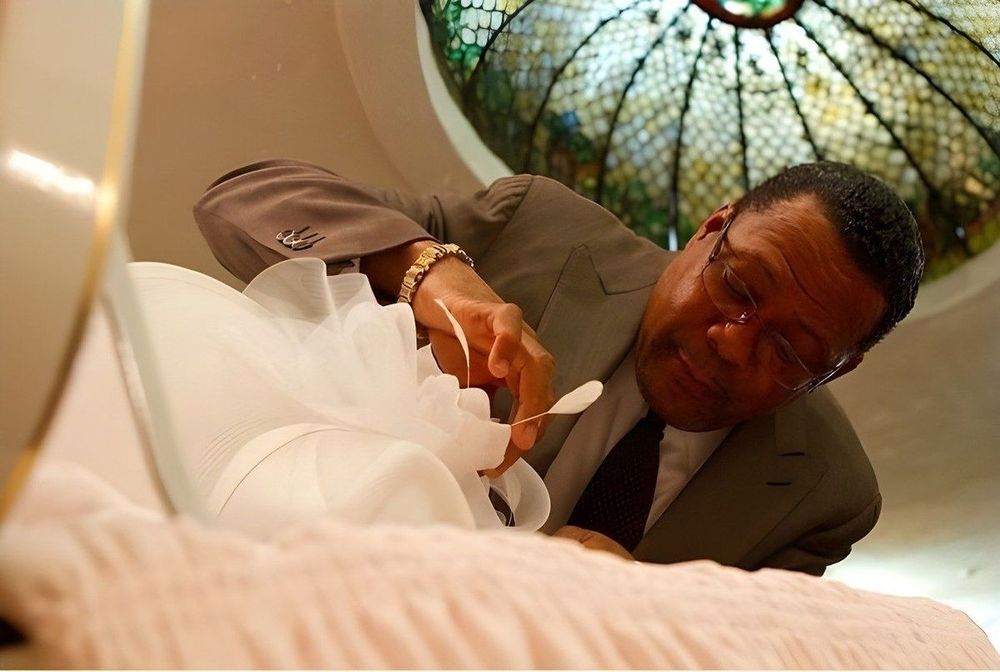
Image: This Week in New York / Homegoings
Why We're Inspired
Isaiah Owens was the son of a South Carolina sharecropper, raised in Branchville in a house where, as he tells it, everybody picked cotton at two cents a pound.
As a small boy on the farm he staged funerals for animals — his first, at age five, buried a matchstick in a casket made from an empty beer can — and he never shook the sense that this work was a calling. In 1968, at 17, he moved to New York City to train as a mortician.
In 1970 he opened the funeral home in Harlem that he has run ever since, building it into one of Harlem's most popular funeral homes, with a largely Baptist clientele, and later adding a location back home in Branchville, where his mother worked into her nineties. Owens says he has conducted more than 10,000 funerals.
His gift, families and filmmakers agree, is restoration: making the dead look like themselves again, and carrying the living through the worst week of their lives. His motto says it plainly: “Where Beauty Softens Your Grief.”
"For the 10,000 funerals that I have conducted, I have 10,000 families that pretty much love me"
The Story
Owens became the subject of Homegoings, Christine Turner's documentary filmed over four years at the Harlem funeral home, which premiered at the Museum of Modern Art and opened the 26th season of PBS's POV series.
The film follows his family business — his wife Lillie and their children work alongside him — and his belief that a funeral should be a celebration as well as a goodbye. A sharecropper's son who arrived in New York as a teenager is now, for generations of Harlem families, simply the man you call.
Sources
The Citizen Newspaper Group — “Homegoings: An Inspiring Portrait of a Legendary Harlem Funeral Director”
Owens Funeral Home — “Funeral Services / Homegoings”
This Week in New York — “Homegoings”
More from The Bourgeois Society: The full list · Greg Geronemus · Jake Bittner
Co-founder & Former CEO, Qlarion — Reston, VA
Official links: Website
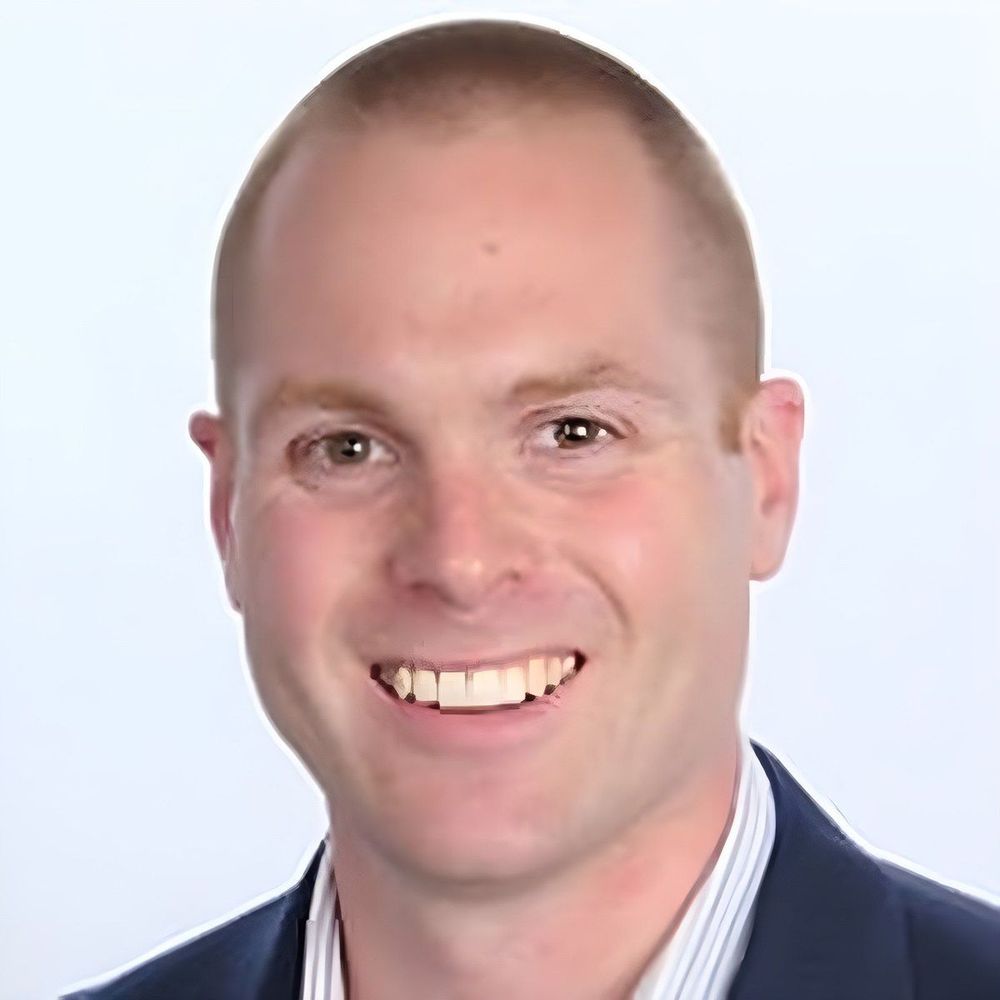
Image: Profiles in Success
Why We're Inspired
Jake Bittner watched what entrepreneurship cost his father. His dad, a lawyer turned entrepreneur, chased big dreams that never landed; the failures cost him financially, ended two marriages, and — stressed and not taking care of himself — he died of a heart attack at 50.
Jake wanted the same path without the same ending, so he spent his first decade deliberately de-risking it: an engineering degree from Yale, then enterprise software sales at MicroStrategy, Informatica and SAP BusinessObjects, chosen because he believed selling was the core skill of running a business, while he built expertise in government data analytics and saved a nest egg.
In 2010 he stepped in to lead the government unit being spun out of CadenceQuest as Qlarion — then he and his partner Adam Roy discovered the carve-out was losing money and its owners could not put more in.
They bought it themselves in 2011, for $600,000 by the episode's account, cut their own pay, and rebuilt it around recurring, higher-value analytics programs for government clients, growing revenue from roughly $3 million to more than $20 million.
"We believe in the power of data to help transform government services"
The Story
Qlarion's best-known work was Virginia's Framework for Addiction Analysis and Community Transformation, a cross-agency data-sharing platform for the opioid crisis that was expanded for the state's COVID response and won industry awards.
In 2021 Bittner sold Qlarion to Columbia, Maryland-based GCOM — a deal he values at $35 million, structured across cash, rollover equity and an earnout — and Qlarion became GCOM's data analytics arm, with Bittner and his team staying on.
The son who set out to prove ownership did not have to end the way his father's did did exactly that.
Sources
Acquiring Minds — “Buying for $600k, Selling for $35m”
Technical.ly — “Columbia-based government software firm GCOM acquires Northern Virginia's Qlarion”
More from The Bourgeois Society: The full list · Isaiah Owens · Jared Kugel
Founder & CEO, Tire Agent — New York, NY
Official links: Website
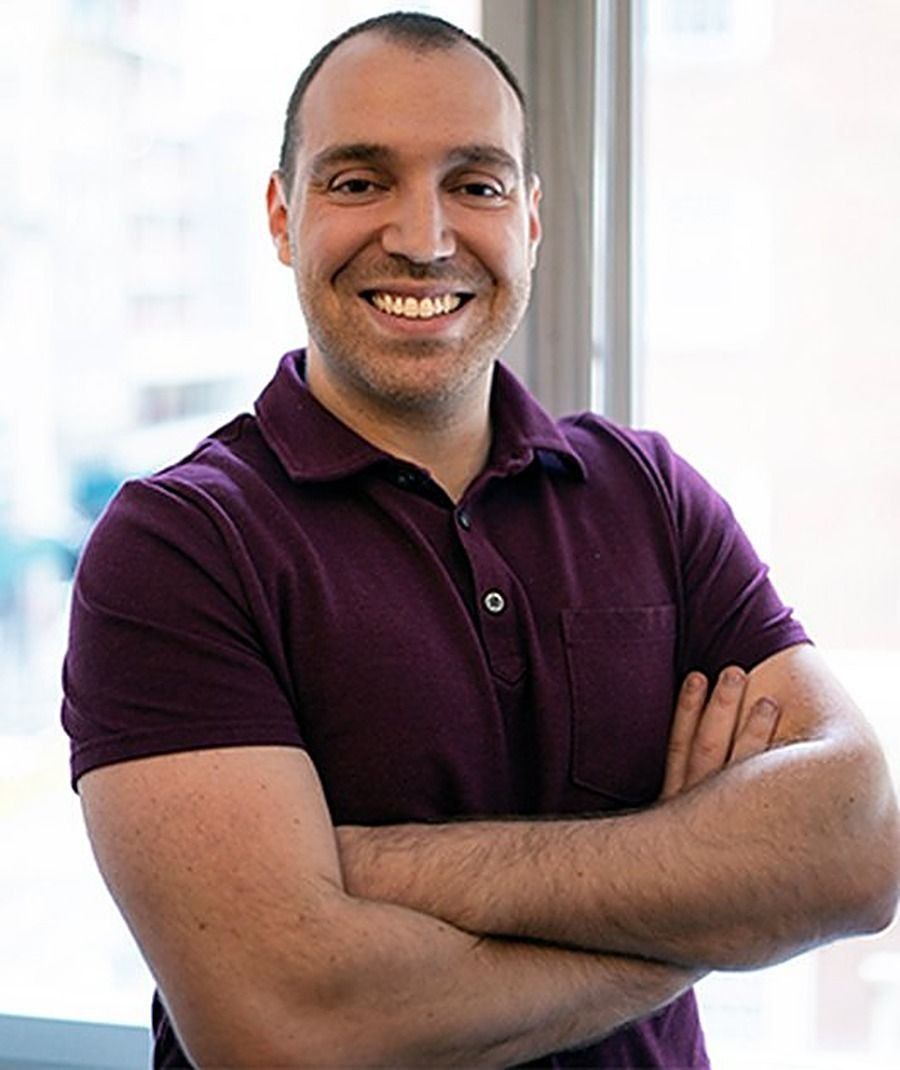
Image: TechStartups / Tire Agent
Why We're Inspired
Jared Kugel knew tires — he had spent 13 years in his family's tire business on Long Island — but his first ideas kept failing.
In 2017 he pitched a stranger on LinkedIn, landed $100,000 in seed funding and a spot in a New York accelerator for a tire search engine, then pivoted when an investor pointed out that search engines do not sell businesses. His next idea, a mobile tire installer, got zero funding commitments.
A third try, road hazard protection with a relationship with Allstate and interest from about 100 retailers, grew too slowly. By then Kugel says he was flat broke, surviving off crackers and jelly on a minuscule salary, and in late 2018 his bank sent a foreclosure notice. His options, as he puts it, were make it work or become homeless.
Angel investors who knew his situation helped him raise $750,000, and his final pivot — Tire Agent, selling tires and wheels online with affordable prices, fast free shipping and a network of installers — took off immediately: $18,000 in sales the first month, $90,000 the second, $120,000 the third.
"If you are the same business tomorrow that you are today, you're probably not going to be successful,"
The Story
Since 2020, Tire Agent has sold more than 2 million tires, and Kugel has raised more than $10 million. Inc. reports the company now makes more than $150 million annually, according to the founder, with revenue up 563 percent over five years and a place on the Inc. 5000 list in 2023, 2024 and 2025.
Kugel built the company for the average hard-working consumer he once was — and, having come close to homelessness himself, he now gives back to a Hoboken shelter, as Tire Business reported.
Sources
Inc. — “This Founder Was Nearly Homeless After 3 Failed Startup Ideas. Then He Built a $150 Million Business”
The Deep Wealth Podcast — “Market Disruptor Jared Kugel Shares His Playbook That Helped 11X His Business”
More from The Bourgeois Society: The full list · Jake Bittner · Jason Johnson
Co-founder & CEO, Quick Quack Car Wash — Rocklin, CA
Official links: Website
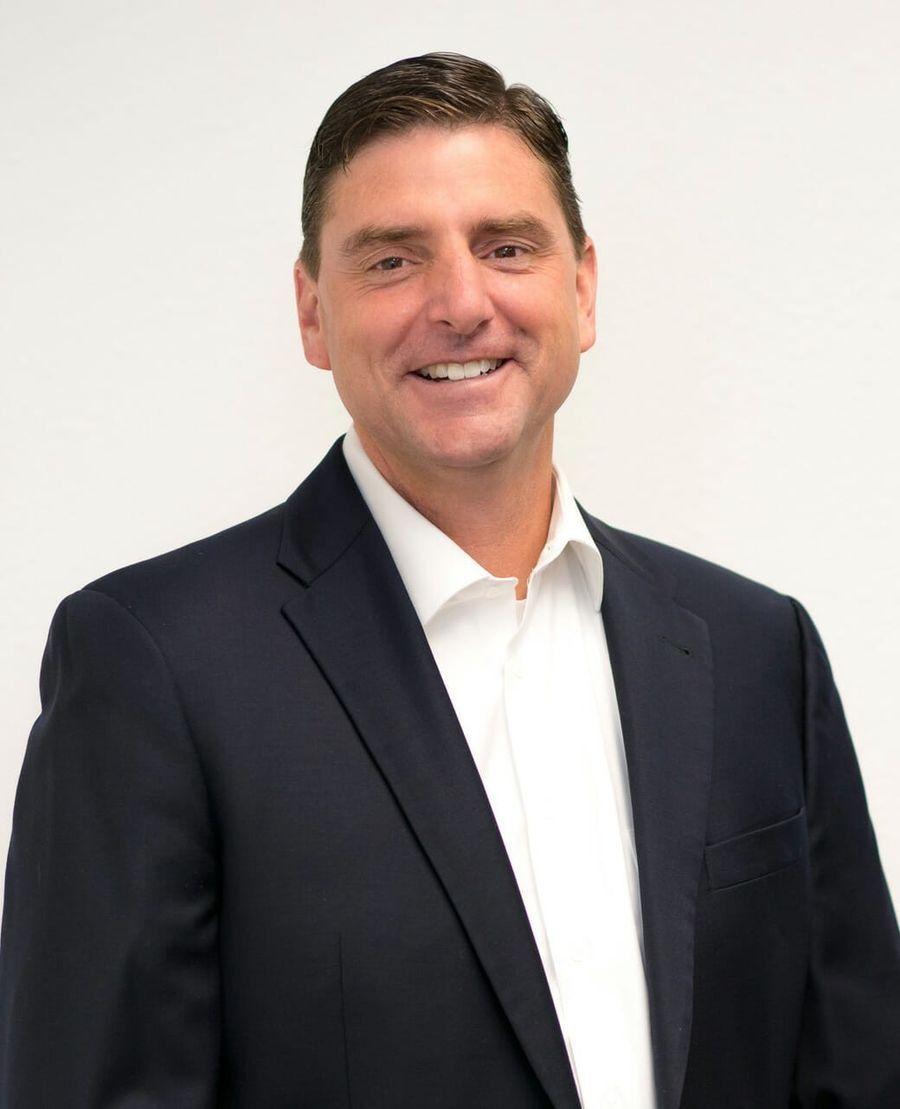
Image: Seidler Equity Partners
Why We're Inspired
Jason Johnson's company started, quite literally, as homework. While attending Brigham Young University, he formed a business plan for a chain of car washes — an idea he says he could not get out of his head. The industry, as he saw it, had no brand and no scale: the biggest chain in the country had only about 35 locations.
In 2004, Johnson and his partners turned that MBA business plan into a first location in Carmichael, California, and set out to build the branded, high-quality wash the plan imagined. Growth was earned the slow way.
Quick Quack funded its expansion one location at a time, through a supportive network of friends and family, with additional financing from SBA and regional lenders, refining its model and its culture — smart, kind and driven, in the company's own words — across its first ten years.
The early years brought real setbacks: two locations were broken into and another caught fire, leaving most of their locations inoperable. Johnson kept going anyway. By 2015 the company had opened 18 locations and built the infrastructure and pipeline to accelerate in earnest — the foundation for everything that followed.
"This is an industry with no brand and no scale. Every car wash was named ‘Car Wash.’"
The Story
The plan never stopped growing. Quick Quack now operates more than 340 locations, and in 2024 global investment firm KKR took a significant minority stake in the company, backing its continued expansion while the founders and longtime partner Seidler Equity Partners kept meaningful stakes. Johnson's stated vision — “Fast.
Clean. Loved… Everywhere” — still runs on the people-first culture he and his partners built location by location: a business-plan assignment that became one of the largest car wash chains in the country, and a workplace its founder insists should change lives for the better.
Sources
Seidler Equity Partners — “Quick Quack Car Wash - Founder Story”
BYU-Idaho Radio — “Jason and Debbie Johnson advise students to include God in all things”
citybiz — “RealSource Group Arranges Sale of Two New Quick Quack Car Wash Properties for $8.63M”
More from The Bourgeois Society: The full list · Jared Kugel · Jeff Flannery
CEO & Founder, Purple Eagle LLC; Owner, Hand & Stone Massage and Facial Spa Franchises — Scottsdale, AZ
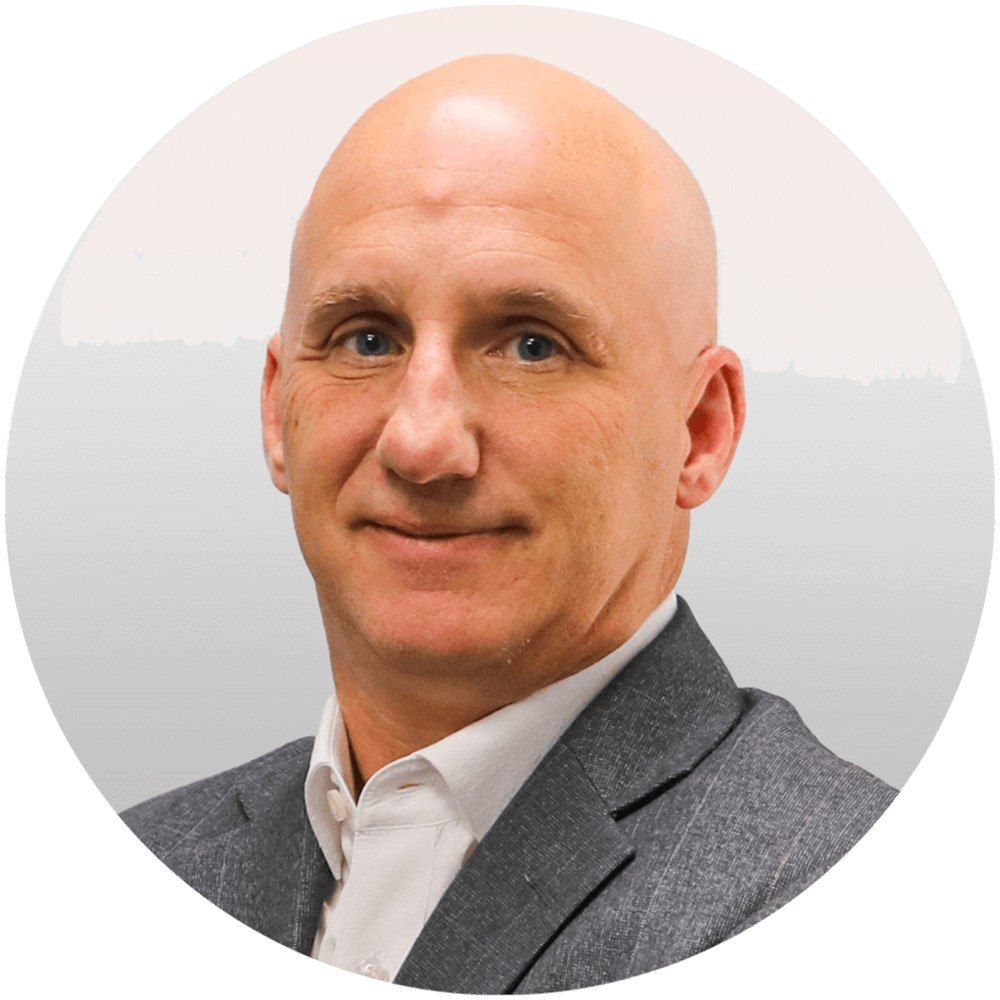
Image: Smartsheet
Why We're Inspired
For 18 years, Jeff Flannery ran his own executive search business, and on paper it looked like success. He was earning $500,000 in many of those years, and his peak year, 2008, brought in almost $980,000.
Then the crash hit: in 2009 his income fell to $62,000 — a 94 percent pay cut — while he carried his whole team's overhead. Worse, as he tells it, what he had built was a practice, not a business.
It depended entirely on him doing the work himself, could not really scale, and built no equity he could ever sell. He calls those his lost years, and he was, by his own account, professionally miserable. The turnaround began at 49.
A business-school friend pointed him toward Hand & Stone Massage and Facial Spa, and in 2019 Flannery acquired his first spa. This time he built an asset he actually owned. He worked 100-hour weeks for four to five years, mastered the business from the bottom up, and kept acquiring.
The result: 17 spas, more than $25 million in revenue and over $2.5 million of EBITDA — a second chapter built in about six years, starting at an age when most people are told it is too late.
"I gave myself golden handcuffs. Usually companies give you golden handcuffs. I gave myself golden handcuffs."
The Story
Through his company, Purple Eagle LLC, Flannery has become the operator other franchisees study.
Franchising.com profiled how he scaled Purple Eagle from $1 million to $25 million in revenue by making every spa's numbers visible — complaints, cancellations, front-desk labor, all of it — and Hand & Stone brought him to its Multi-Unit Franchising Conference to lead a workshop on succession planning and long-term value.
His stated goal is $50 million in revenue, and Purple Eagle's own plans point toward 50 locations: the man who once owned nothing sellable now teaches other owners how to build something that lasts.
Sources
Acquiring Minds — “From $1m to $25m in 6 Years”
Franchising.com — “Clarity Is King: Unit-Level Data Points the Way to Profitability”
Smartsheet — “Purple Eagle LLC uses Smartsheet to simplify and automate spa management and scale to support ambitious business growth”
More from The Bourgeois Society: The full list · Jason Johnson · Joe Downs
CEO & Co-founder, Belrose Storage Group — Philadelphia, PA
Official links: Website · LinkedIn · Facebook · Instagram · X
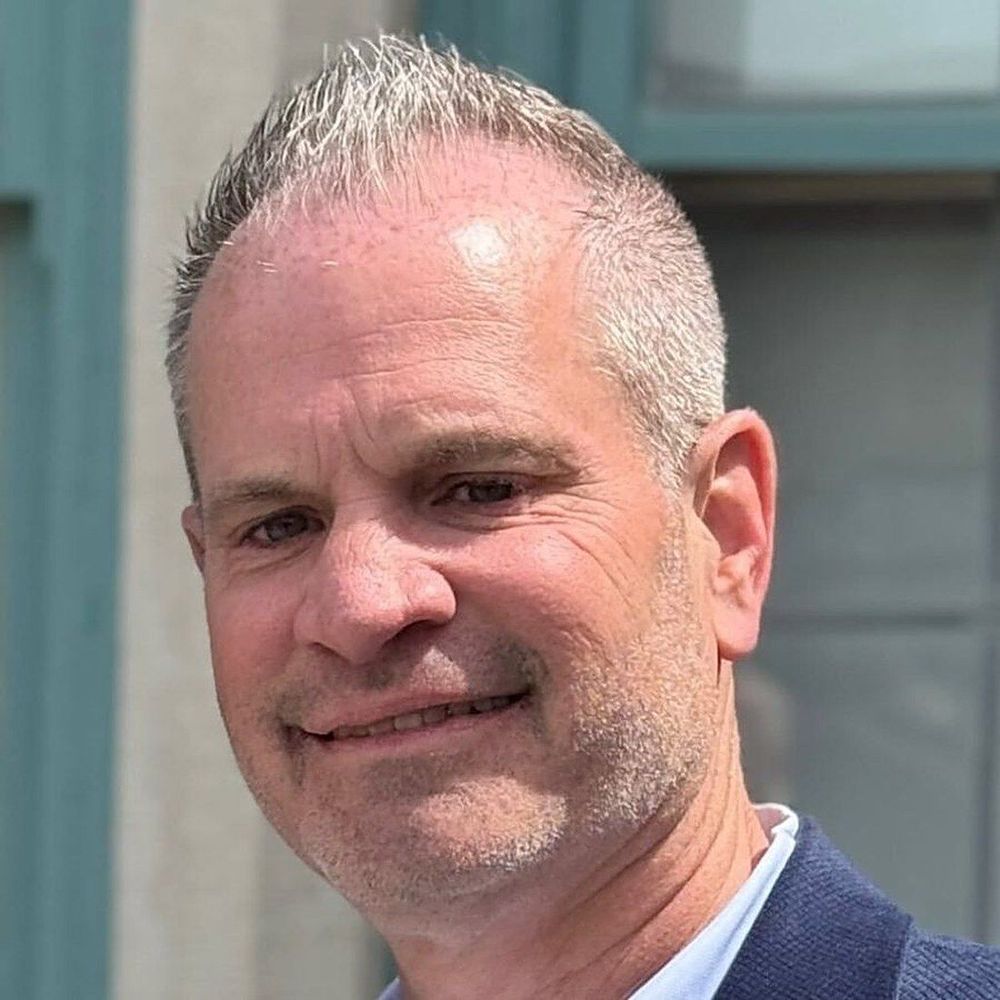
Image: Realty411
Why We're Inspired
Joe Downs has never had just one career — he has had a string of reinventions.
A lifelong entrepreneur whose ventures have spanned securities, mortgages and hospitality, plus bars and restaurants, tax liens and distressed second mortgages, Downs learned the same lesson over and over: when a business fails, a market collapses or a strategy dries up, you start again in a niche nobody else is watching.
He has been in commercial real estate since 2006, and his sharpest eye turned out to be for storage. Downs co-founded Belrose Storage Group to pursue the self-storage corner of commercial real estate — a business still dominated by small mom-and-pop owners — and built it outward from traditional acquisitions into development and consulting.
Today, Realty411 reports, he is actively operating over 20 storage facilities across six different verticals, from self-storage and boat and RV storage to industrial outdoor storage, small-bay flex and parking, running a portfolio of more than $50 million. The serial restarter did not just find a new industry.
He found half a dozen overlooked niches inside it — and built a company on teaching himself each one first.
"This is not a microwave business, it's a Crockpot business."
The Story
Downs now spends much of his time teaching what the reinventions taught him. He founded Storage Moguls, an AI-native self-storage investment education platform built on the belief that practitioners make better teachers than professors, and runs live Storage Moguls events for investors buying facilities in the $400,000 to $2 million range.
He has been a guest on more than 75 podcasts, hosts his own Successful Idiots podcast, and — in a line his students hear often — says his team does more talking people out of deals than putting them into them. Based in the Philadelphia suburbs, he manages seven business entities across storage acquisitions, media and consulting.
Sources
Realty411 — “Live Training – Own Self Storage Units!”
Listen Notes / The Chris Voss Show — “Unlocking Self-Storage Success with AI and Community Support With Joe Downs”
Podtail / The Wealth Flow — “EP183: Why Self Storage Is the Best-kept Secret in Real Estate - Joe Downs”
More from The Bourgeois Society: The full list · Jeff Flannery · Joe Polish
Founder & Vice Chairman, Casella Waste Systems — Rutland, VT
Official links: Website
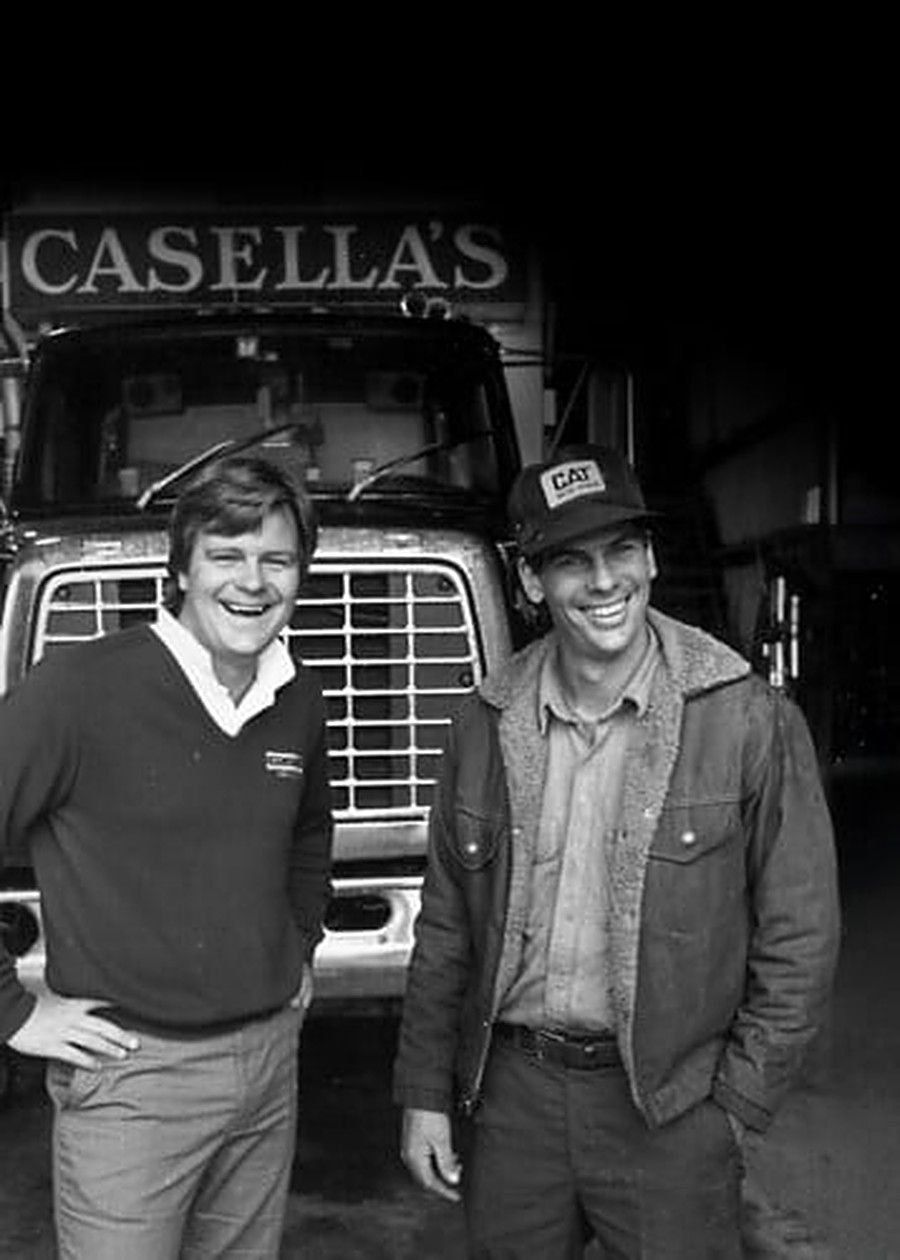
Image: NH Business Review — John (left) and Doug Casella, 1988
Why We're Inspired
In April 1975, Doug Casella took the money he had saved from jobs he worked as a high-school kid, bought a pickup truck, and started picking up trash around Rutland and Killington, Vermont. The company was called Casella's Refuse Removal, and the pitch was simple: good service.
His older brother John, who had been working in the hospitality industry like their parents, helped with administration and joined full-time about a year later. What the brothers saw early still defines the business. Hauling loads into the landfill, they noticed the mountains of corrugated cardboard — hard to manage, but valuable.
In 1977 they built Vermont's first recycling facility, drove to Maine to buy a used baler from a defunct woolen mill, and began selling cardboard back to New England paper mills, sometimes leaving the landfill with a load of recyclables instead of just having dumped one. The company went public on the NASDAQ in 1997.
Today Casella Waste Systems operates across ten eastern states, serves clients in 47 states on waste reduction, and employs more than 5,000 people — and Doug remains its founder and vice chairman, half a century after the pickup truck.
The Story
Casella treats training the way it treated cardboard: as a resource hiding in plain sight. Its driver training school is named for Kenneth A. Hier Sr., the company's first employee, hired in 1976, who stayed forty years; more than 300 employees have completed the program.
The sustainability instinct that produced a recycling plant in 1977 now runs to Zero-Sort recycling and work helping industrial customers recycle hard-to-handle plastics — the company says that for every ton of carbon it emits, its services keep close to five tons out of the atmosphere. Unglamorous work, compounded for fifty years.
Sources
LegalClarity — “Who Owns Casella Waste? Founders and Major Shareholders”
Casella Waste Systems — “Casella Comes Full Circle for 50th Anniversary”
More from The Bourgeois Society: The full list · Devan Kline · Elias Torres